ATVs are designed to operate in demanding environments such as mud, sand, rocky terrain, mountain trails, forests, and other challenging off-road conditions. Structural components including frame connectors, suspension brackets, engine mounts, footpeg brackets, and protective panel mounts are continuously exposed to vibration, impact, and dynamic loads. Therefore, ATV aluminum structural parts machining needs to address not only dimensional accuracy but also structural strength, lightweight design, corrosion resistance, and production consistency. With CNC milling, CNC turning, and 3-axis, 4-axis, and 5-axis machining technologies, manufacturers can produce customized aluminum parts according to ATV component drawings and engineering requirements.
Why Are Aluminum Alloys Suitable for ATV Structural Parts?
ATVs frequently experience strong impacts and vibration during off-road operation. Structural components need to withstand complex loads from the suspension, wheels, and powertrain. Excessive component weight can increase the overall vehicle load, while insufficient structural strength may reduce reliability.
Aluminum alloys offer a good strength-to-weight ratio and excellent machinability, making them suitable for lightweight ATV structural components. Through CNC aluminum machining, manufacturers can accurately produce mounting holes, threads, grooves, curved surfaces, and complex contours while reducing unnecessary weight and maintaining the required structural performance.
Common ATV Aluminum Structural Parts
| Part Type | Common Materials | Key Machining Requirements | Typical Applications |
| Suspension Brackets | 6061, 7075 Aluminum | Strength, hole positioning accuracy | ATVs, Off-Road Vehicles |
| Engine Mounts | 6061, 7075 Aluminum | Dimensional accuracy, vibration resistance | ATV Powertrain Systems |
| Footpeg Brackets | 6061 Aluminum | Lightweight design, wear resistance | ATVs, Off-Road Models |
| Frame Connectors | 7075 Aluminum | Strength, positional accuracy | High-Performance ATVs |
| Steering Components | 6061, 7075 Aluminum | Concentricity, assembly accuracy | ATV Steering Systems |
| Protective Panel Mounts | 6061 Aluminum | Hole positioning, surface quality | ATV Exterior Structures |
CNC Machining Processes for ATV Aluminum Structural Parts
CNC Milling
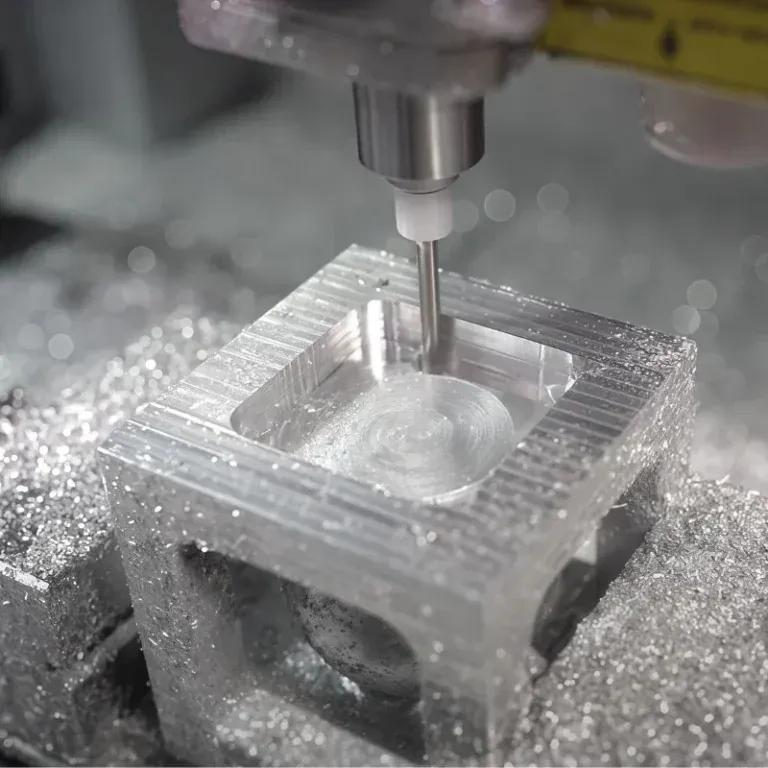
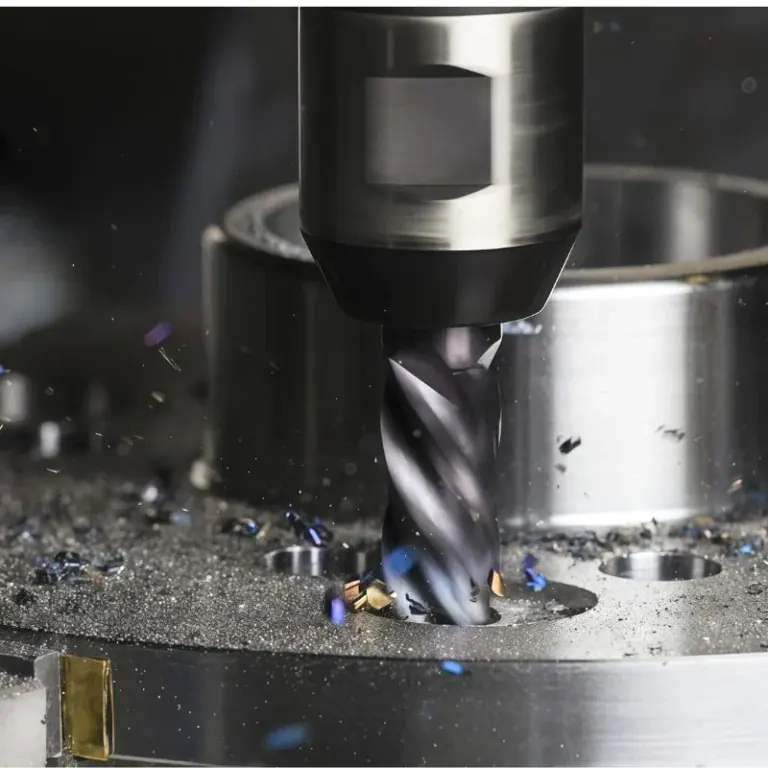
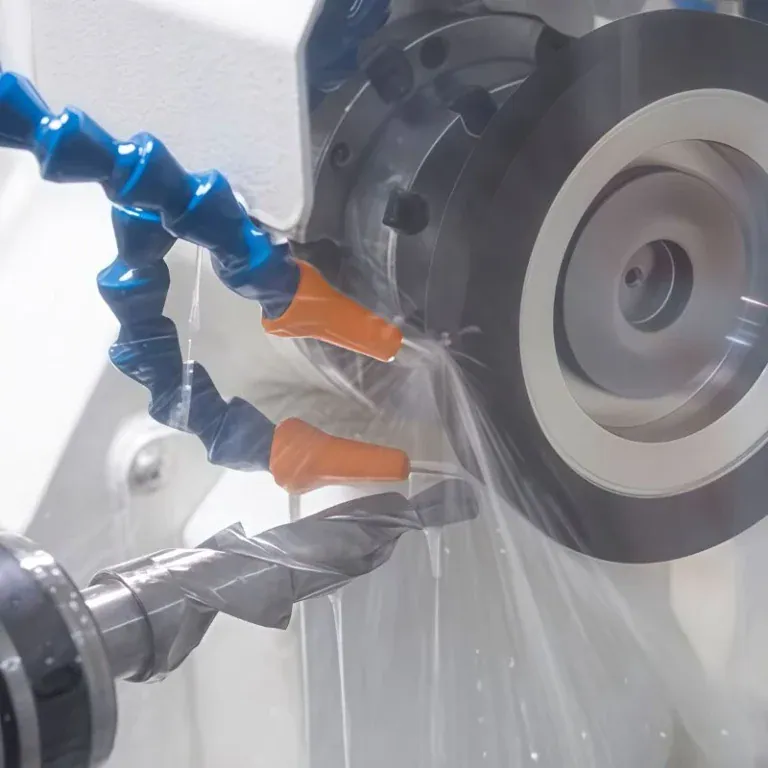
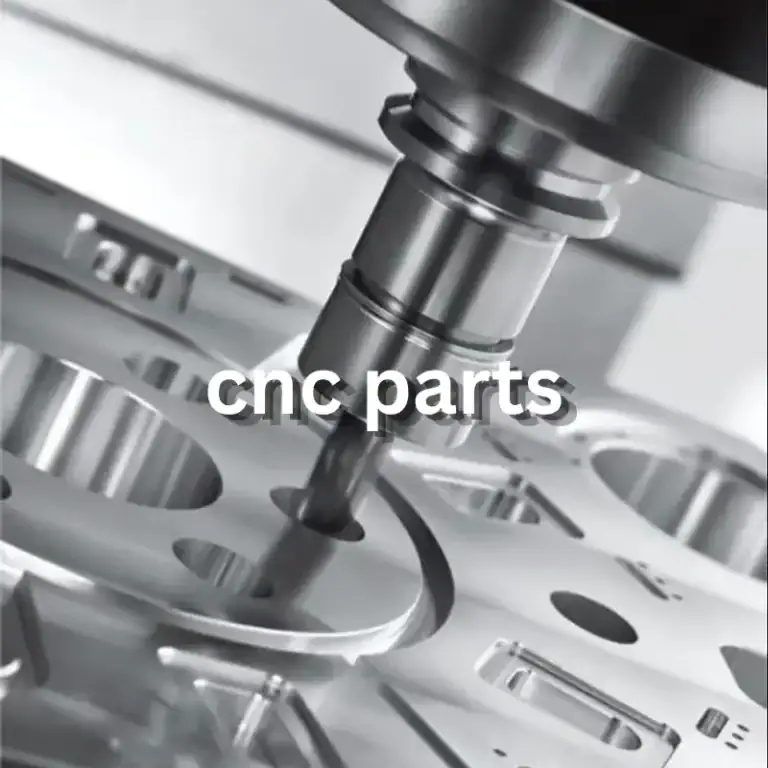
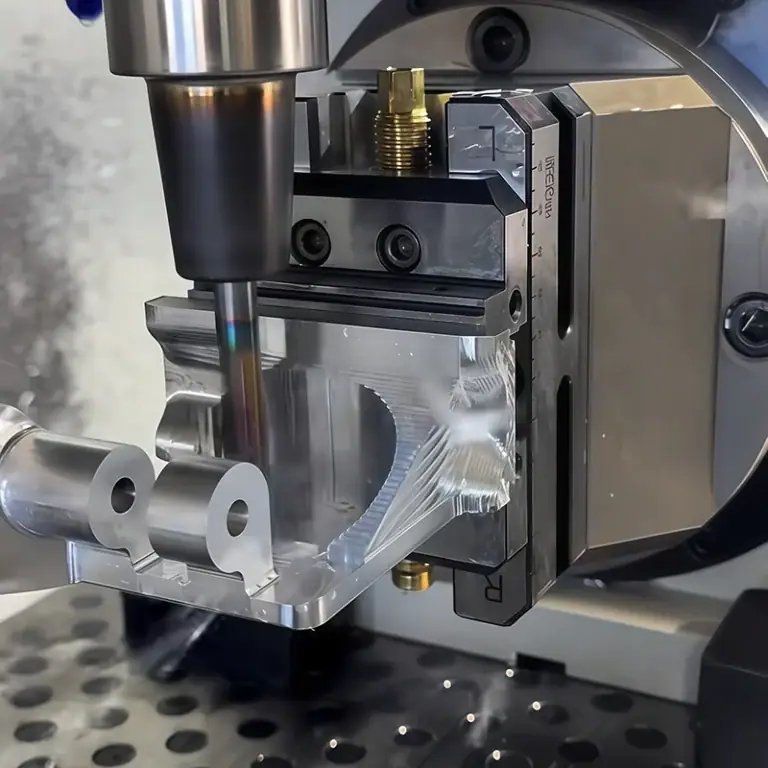
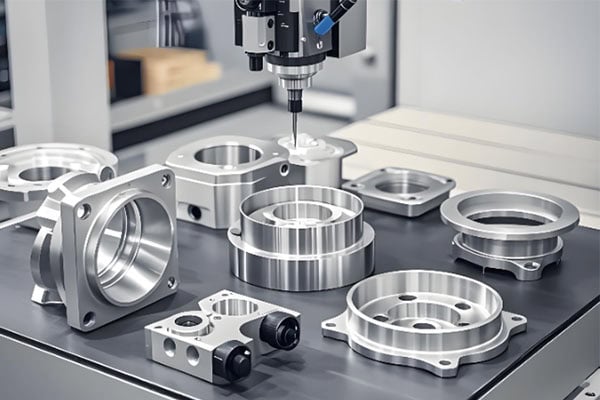
CNC milling is suitable for ATV brackets, mounting bases, connectors, housings, and other structural components. Computer-controlled cutting tools can accurately machine flat surfaces, holes, slots, curved surfaces, and complex contours.
For lightweight components with complex geometries, manufacturers can optimize material removal in non-critical areas while retaining sufficient material around key load-bearing sections. This approach can help reduce component weight while maintaining structural performance.
3-Axis, 4-Axis, and 5-Axis Machining
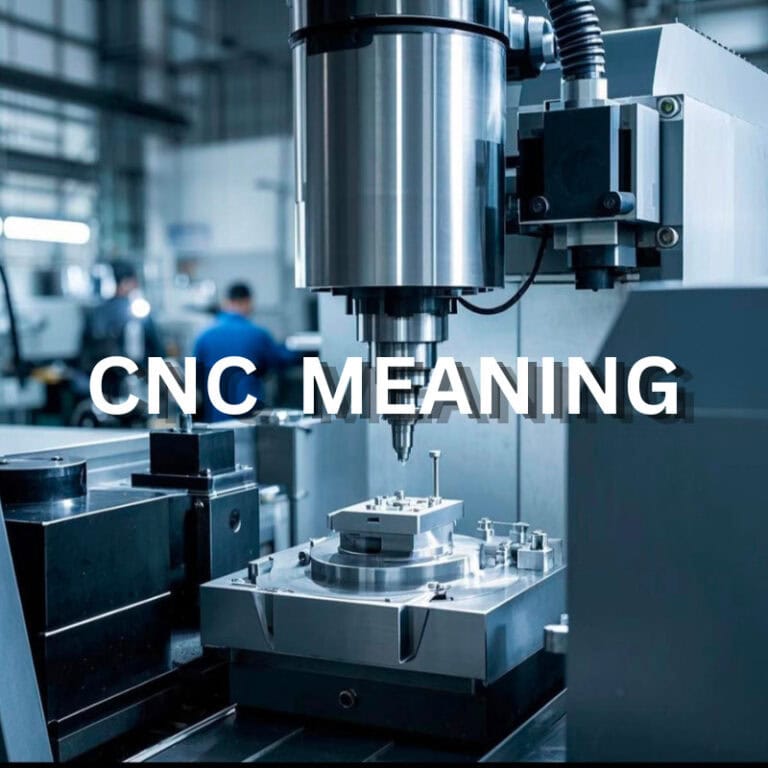
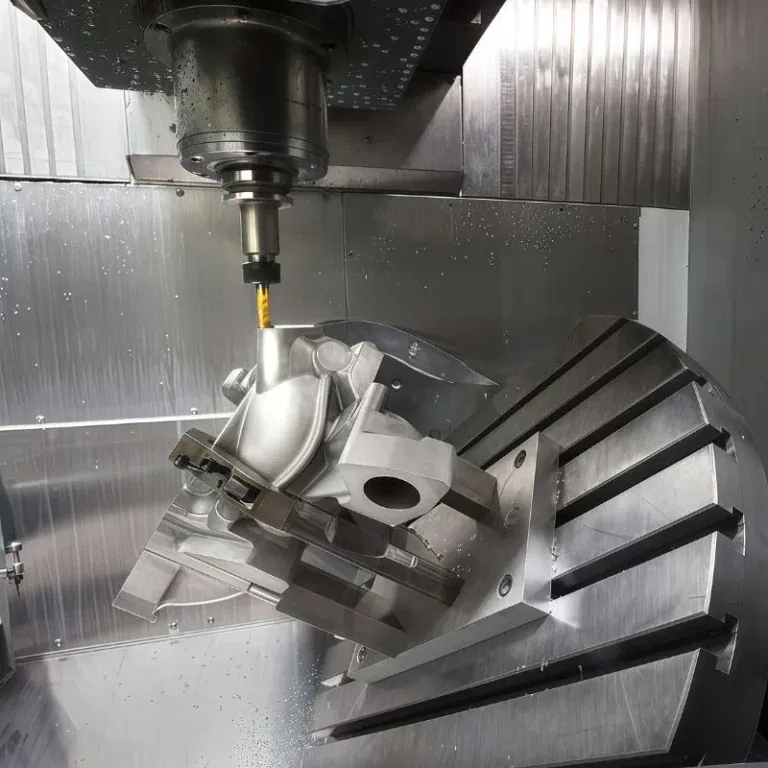
ATV components can have significantly different geometries and machining requirements. Simple brackets can often be manufactured using 3-axis CNC machining, while components with multiple machining directions, angled holes, and complex curved surfaces may benefit from 4-axis or 5-axis machining.
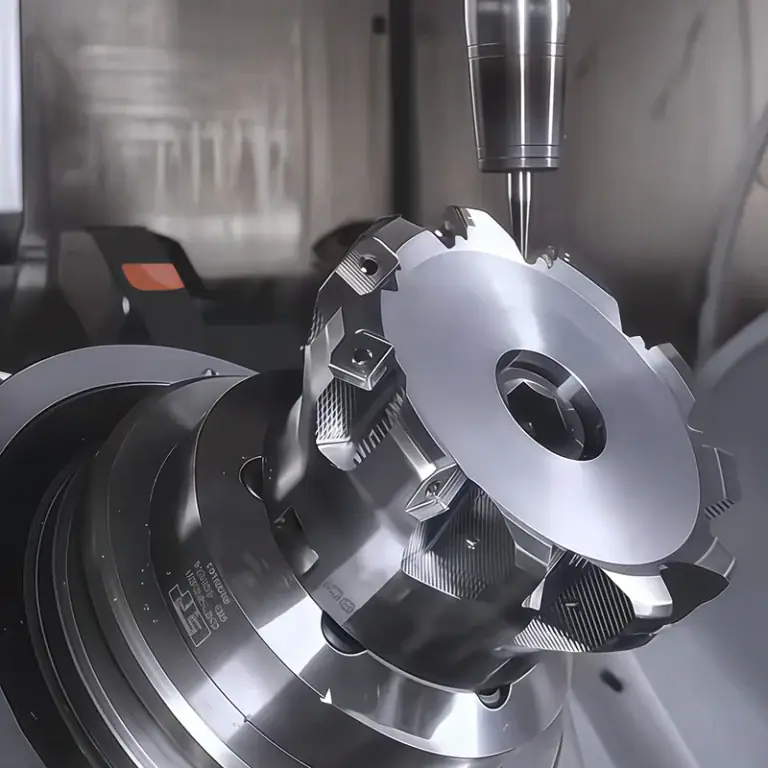
5-axis CNC machining allows the cutting tool to approach the workpiece from multiple directions and can reduce the number of repeated setups. This is particularly useful for complex suspension brackets, steering connectors, and lightweight structural components used in high-performance ATVs.
CNC Turning
Some ATV components include bushings, shafts, cylindrical mounting parts, and other rotational structures that are suitable for CNC turning.
For components requiring accurate fits, manufacturers need to precisely control outside diameters, internal bores, end faces, and threaded features. This ensures stable assembly with bearings, shafts, and other vehicle components.
How to Choose Between 6061 and 7075 Aluminum?
Not every ATV structural component requires a high-strength aluminum alloy. Material selection should be based on the component’s load conditions, operating environment, machining requirements, and production cost.
6061 aluminum provides good machinability and corrosion resistance and is suitable for general brackets, mounting bases, housings, and connectors. 7075 aluminum offers a higher strength-to-weight ratio and is more suitable for suspension connectors, high-load brackets, and high-performance ATV components where both strength and lightweight construction are important.
Choosing the appropriate material can help avoid unnecessary over-engineering while meeting mechanical performance requirements and controlling material and machining costs.
How to Maintain Machining Accuracy for ATV Aluminum Parts?
ATV structural components are often assembled with the frame, suspension, engine, braking system, and steering system. Therefore, the accuracy of critical mounting holes and dimensional features is essential.
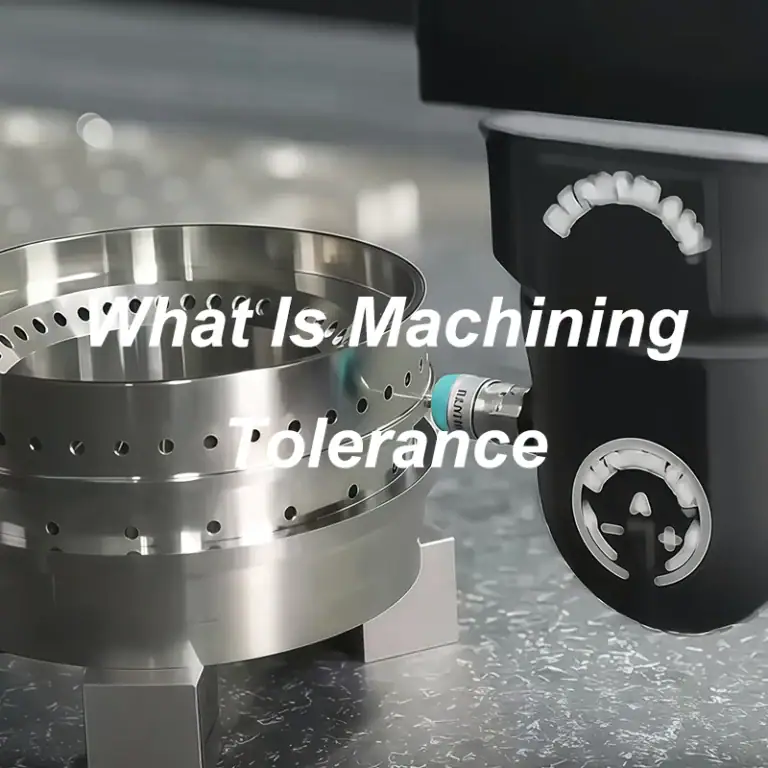
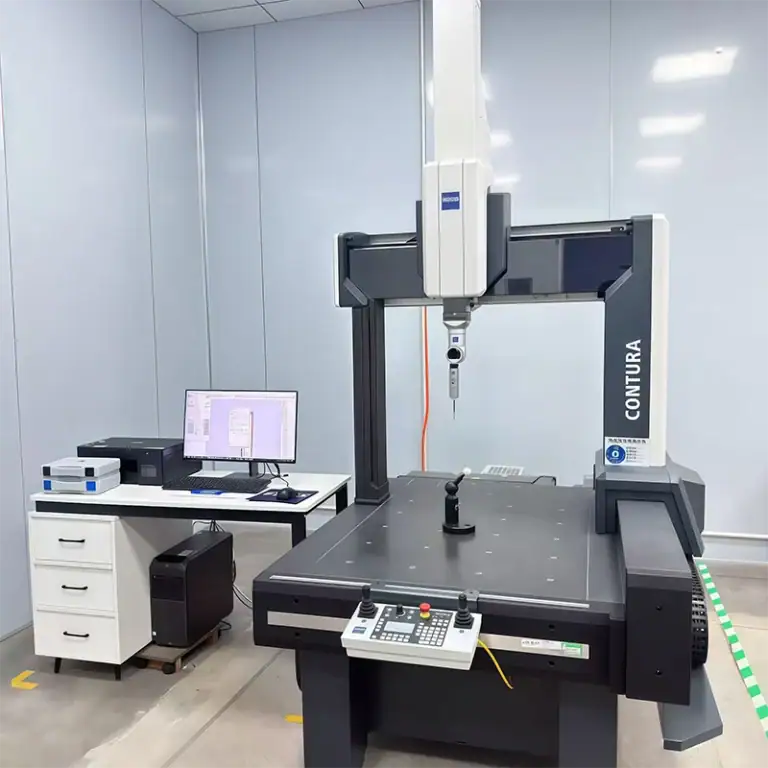
During CNC machining, key dimensions such as hole diameter, hole spacing, flatness, concentricity, and critical mating dimensions should be controlled according to engineering drawings. For complex components, an appropriate workholding strategy is also important to minimize positioning errors caused by repeated setups.
Key Factors Affecting Machining Quality
- CNC machine accuracy
- Tool wear
- Cutting speed and feed rate
- Workholding method
- Aluminum alloy condition
- Part design
- Thermal deformation during machining
- Final dimensional inspection method
Surface Finishing for ATV Aluminum Parts
ATVs are frequently used outdoors, and their components may be exposed to rain, mud, moisture, and other environmental conditions. Therefore, surface finishing is also an important part of aluminum component manufacturing.
CNC-machined aluminum parts can undergo anodizing, sandblasting, coating, or other surface treatments according to their intended application. Anodizing can improve surface corrosion resistance while providing different color and appearance options, making it suitable for ATV aftermarket parts and exterior structural components.
For precision components that require tight assembly tolerances, manufacturers should also consider the dimensional impact of surface treatment on critical mating features.
From ATV Prototypes to Volume Production
ATV product development typically involves structural design, prototype manufacturing, assembly validation, and performance testing. CNC rapid prototyping allows engineering teams to quickly obtain physical components for verifying mounting dimensions, structural design, and the fit between different parts.
After prototype testing is completed, the project can move into low-volume production and larger-scale manufacturing. For ATV brands and component suppliers, this production approach can reduce early-stage development risks while making it easier to modify component designs based on test results.
TiRapid ATV Aluminum Precision Machining Solutions
TiRapid provides CNC milling, CNC turning, multi-axis machining, rapid prototyping, and volume production services for ATVs, UTVs, motorcycles, and other powersports equipment.
For different ATV aluminum structural parts, manufacturers can develop customized machining solutions based on material, component geometry, dimensional requirements, surface finishing, and production volume. From suspension brackets and engine mounts to frame connectors and lightweight aftermarket components, professional CNC machining can help manufacturers achieve stable dimensions and reliable structural performance.
With appropriate material selection, machining processes, and quality control, ATV aluminum structural components can achieve a better balance between lightweight design, strength, precision, and manufacturing cost. This provides reliable support for the performance, durability, and overall quality of modern ATV equipment.