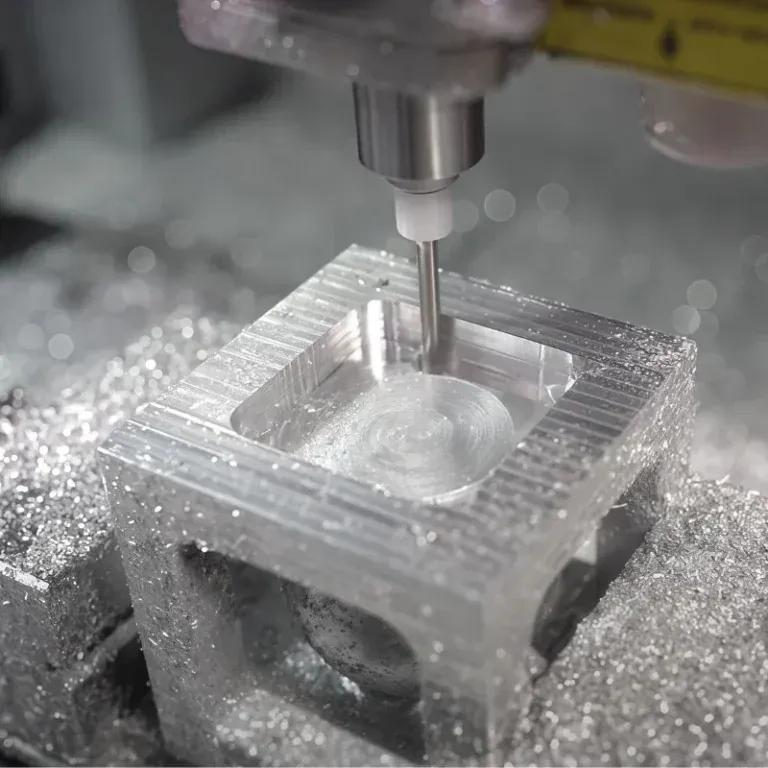
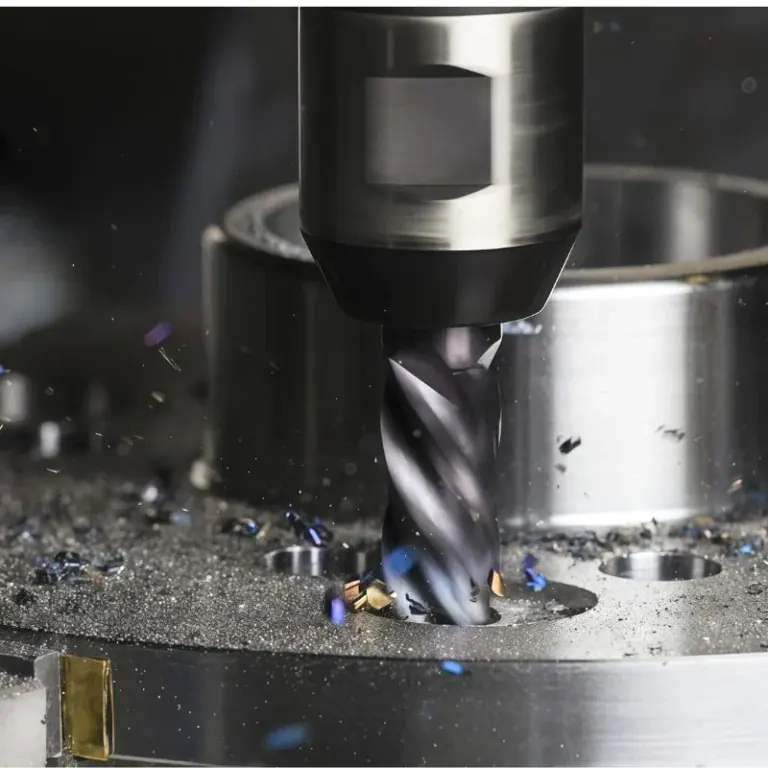
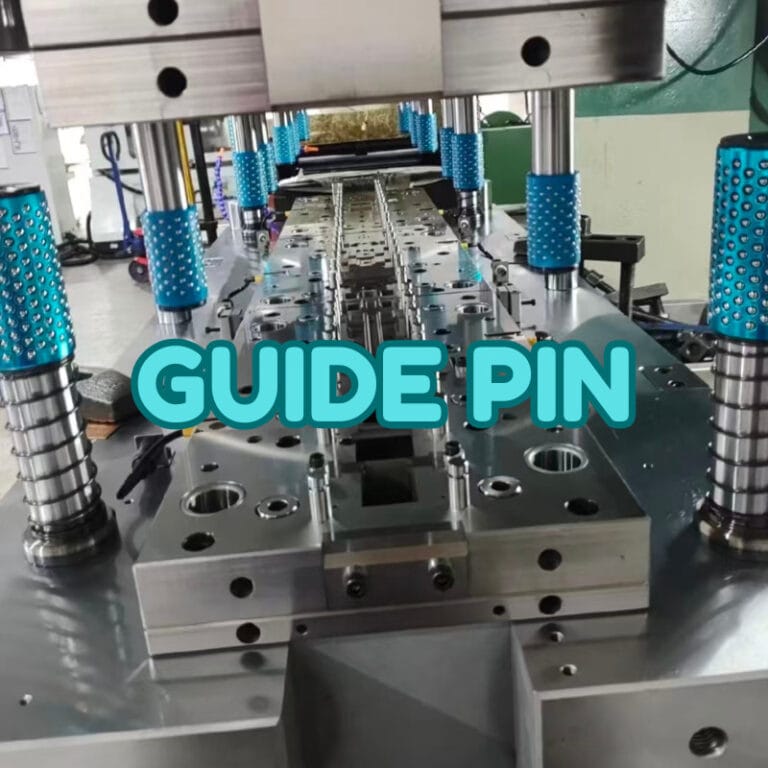
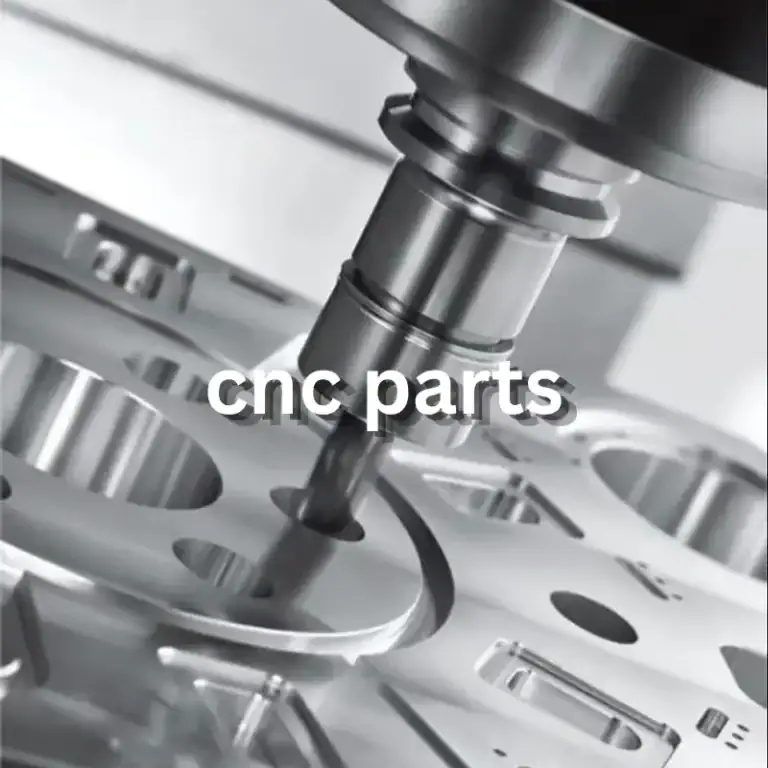
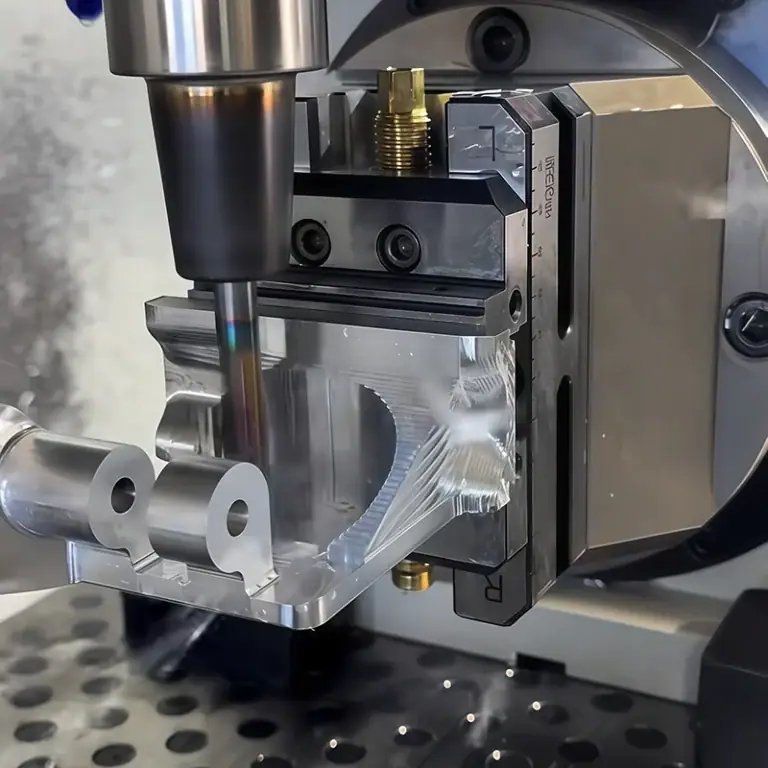
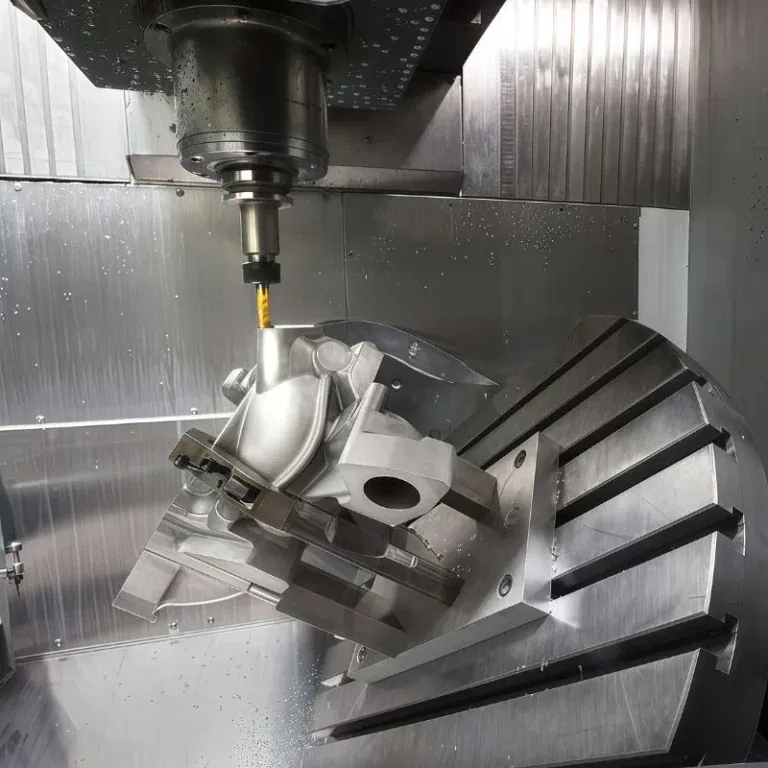
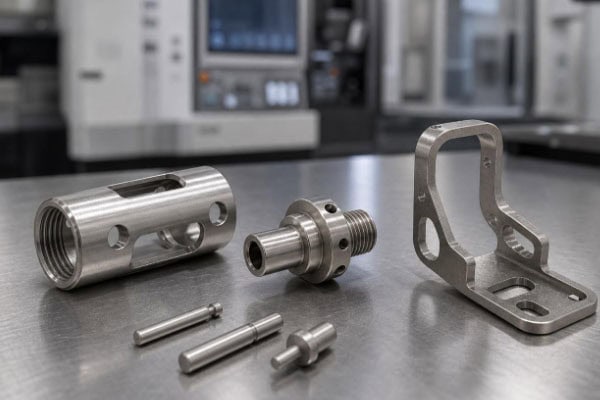
Minimally invasive devices typically feature small dimensions, fine structures, high assembly precision requirements, and specialized operating environments. Common parts include endoscope structural components, miniature joints, jaws, sleeves, connectors, guide components, mounting bases, internal handle components, and various slender shaft parts. Although these components are not large in size, deviations between hole positions, grooves, threads, mating surfaces, and moving areas can affect the final assembly performance. CNC machining is suitable for the customized production of such minimally invasive device components. Milling, turning, 5-axis machining, micro-machining, and other processes can be performed according to 3D drawings or 2D engineering drawings, combined with deburring, surface treatment, and dimensional inspection to maintain relatively stable machining quality from prototyping to small-batch production.
Why Are Minimally Invasive Device Parts Suitable for Custom CNC Machining?
The structures of minimally invasive devices generally need to perform movement, positioning, or connection within a limited space. Parts need to meet not only external shape requirements but also ensure smooth movement, stable positioning, and dimensional consistency after assembly.
Common Minimally Invasive Device Parts
CNC machining can be used for various structural components of minimally invasive devices, especially precision parts made of metals and engineering plastics.
Common products include:
- Endoscope housings, sleeves, connecting rings, and mounting structures
- Minimally invasive surgical instrument jaws, hinge components, pins, and small connectors
- Guide sleeves, positioning components, slender shafts, and miniature threaded parts
- Brackets, mounting bases, and internal handle structures in medical equipment
These parts often contain small holes, deep grooves, fine threads, thin walls, and complex curved surfaces. Competitors in minimally invasive surgical part machining also work with small moving structures such as articulating jaws, hinge pins, and clevis brackets.
Higher Machining Requirements for Miniature Structures
When ordinary mechanical parts have minor dimensional variations, there is usually some adjustment space during assembly. The dimensions of small components in minimally invasive devices are relatively limited, so changes in hole diameter, shaft diameter, and mating clearance can have a greater impact. For example, a miniature hinge consists of a pin, hole position, and moving component. If the hole position is offset or the pin dimensions are not consistently controlled, the assembled component may become too tight, loose, or difficult to move smoothly. Therefore, the machining process needs to control not only individual dimensions but also the positional relationships between critical holes.
Machining Challenges Need to Be Controlled from the Drawing Stage
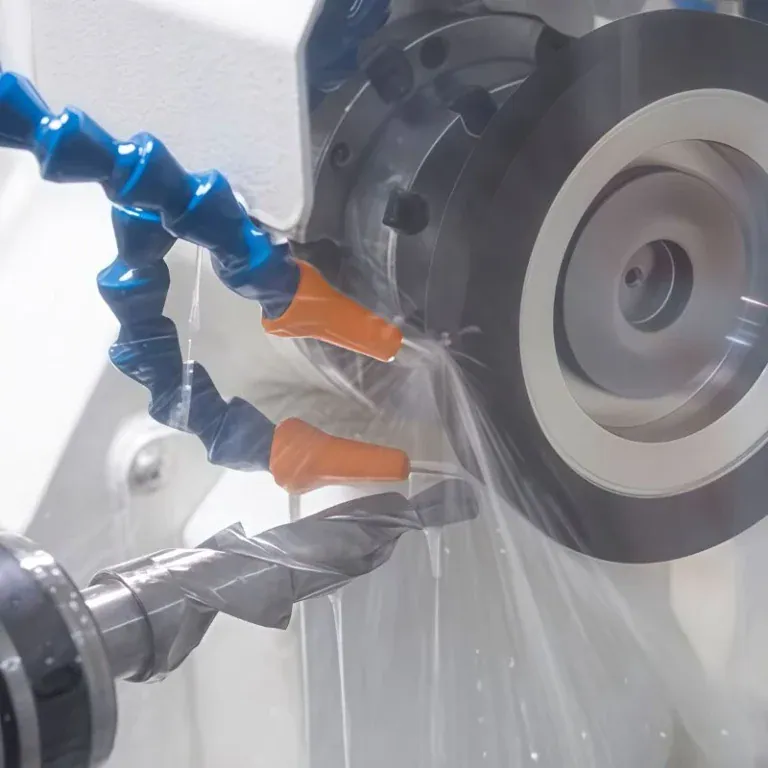
Custom machining of minimally invasive device parts does not mean directly starting production after receiving a drawing. Engineers need to review the part structure first, identify critical dimensions, and then determine whether milling, turning, or multi-axis machining is appropriate. For slender parts, deep-hole parts, and components with complex curved surfaces, selecting a suitable machining method can reduce repeated clamping and help control dimensional variations. TiRapid currently provides 3-axis, 5-axis, turning, and micro-machining CNC capabilities and can develop machining solutions according to the part structure.
Material and Process Selection for CNC Machining Minimally Invasive Devices
Materials directly affect machining difficulty, component weight, corrosion resistance, and subsequent operating conditions. Common materials for minimally invasive devices include stainless steel, titanium alloys, and certain high-performance engineering plastics.
How to Select Common Materials
| Material | Common Characteristics | Suitable Parts |
| 316L Stainless Steel | Corrosion resistant, good strength | Surgical instrument structural parts, connectors |
| Titanium Alloy | High strength, relatively light weight | Precision structural parts, medical equipment components |
| Aluminum Alloy | Lightweight, easy to machine | Housings, support components, internal equipment structures |
| PEEK | High-temperature resistance, chemical resistance | Insulating components, structural parts, special medical components |
| POM | Good machinability, dimensional stability | Small sliding components, positioning parts, non-metallic structural components |
Actual material selection needs to be determined according to the part application, operating environment, cleaning method, strength requirements, and customer drawings. Common materials in the medical CNC machining field also include Ti-6Al-4V, 316L, and PEEK.
Select Appropriate CNC Processes for Complex Parts
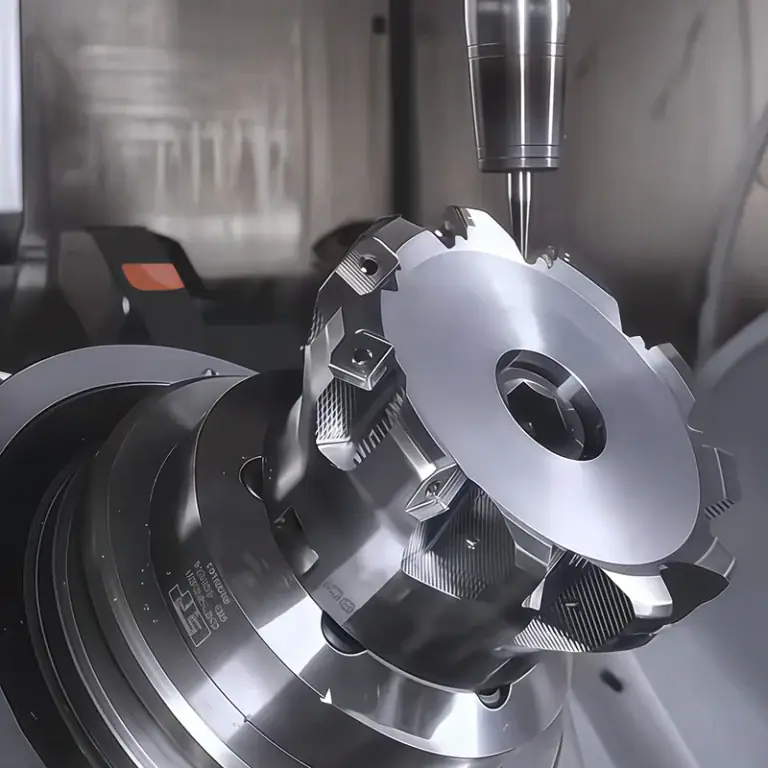
For parts with simple external shapes, 3-axis CNC milling can be sufficient. Parts with multiple machining surfaces can use 4-axis or 5-axis machining to reduce the number of clamping operations. For example, a connector for a minimally invasive device may contain side holes, inclined surfaces, and curved structures at the same time. If conventional equipment is used for repeated clamping, repositioning can increase errors. 5-axis machining can complete more features in a single setup, thereby improving the relative positional stability between components. Cylindrical parts, shafts, sleeves, and small threaded parts can be processed using CNC turning. For parts with small diameters, special attention also needs to be paid to tool condition, cutting vibration, and machining temperature.
Detail Processing
Minimally invasive device components often require burr, sharp-edge, and machining-mark removal. Small holes, intersecting holes, and internal grooves can be particularly difficult to clean if obvious burrs remain, which may affect assembly or subsequent cleaning. Therefore, deburring, chamfering, polishing, sandblasting, anodizing, passivation, and other treatments can be performed according to drawing requirements after machining. For different parts, post-processing methods need to be confirmed in advance to prevent surface treatment from changing critical dimensions.
TiRapid Minimally Invasive Device Custom Machining Process
The customized production of minimally invasive device parts needs to begin with drawing confirmation and then proceed to machining, inspection, and delivery. A clear process can reduce rework and allow customers to confirm the design more quickly during the prototyping stage.
Drawing and DFM Inspection
Customers can provide STEP, STP, 3D CAD, or 2D engineering drawings. The TiRapid engineering team can check machining feasibility according to the part structure and provide DFM recommendations regarding hole positions, wall thickness, tool access space, machining methods, and critical dimensions.
Prototype Machining and Dimensional Confirmation
For newly developed minimally invasive devices, prototype or small-batch production is recommended first. Prototypes can be used to confirm part dimensions, assembly relationships, and actual performance. If the assembly clearance needs to be adjusted, the drawings can be modified before small-batch production. This can reduce the cost and time losses caused by later batch modifications.
Batch Production and Quality Inspection
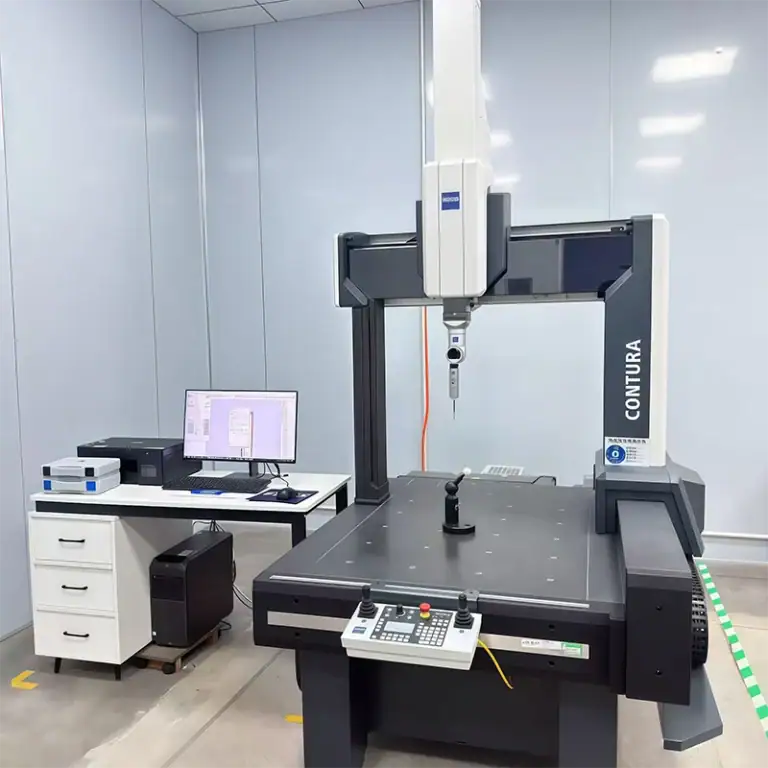
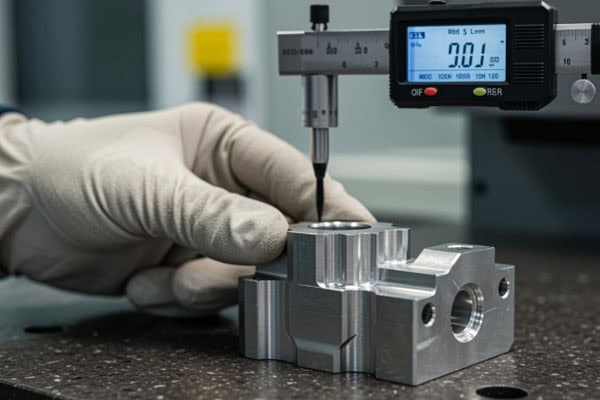
After prototype confirmation, small-batch or batch production can be arranged according to the order quantity. Critical dimensions can be inspected using calipers, micrometers, pin gauges, plug gauges, CMM, and other equipment. For hole positions, shaft diameters, flatness, and positional relationships in minimally invasive devices, key inspections should be performed according to customer drawing requirements.
| Machining Stage | Main Work | Results Customers Can Obtain |
| Drawing Evaluation | Check structure and machining feasibility | DFM Recommendations |
| Prototype Stage | CNC Precision Machining | Prototype Confirmation |
| Dimensional Inspection | Critical Dimension Inspection | Inspection Data |
| Surface Treatment | Deburring and Specified Treatments | Finished Parts |
| Small-Batch Production | Repeated Machining and Quality Control | Stable Batches |
| Packaging and Delivery | Classification, Protection, Packaging | Complete Delivery |
How to Control Machining Quality for Minimally Invasive Devices
The quality of minimally invasive device parts is not reflected only in dimensional accuracy. Surface condition, burrs, materials, machining consistency, and packaging protection also require attention. For parts with small holes, fine grooves, threads, and moving connection structures, sufficient inspection needs to be performed after machining to prevent residual burrs from affecting assembly and use. Materials should also be selected according to the equipment application and drawing requirements, while machining conditions should remain stable during batch production. Proper cleaning, surface treatment, and individual packaging after machining can help reduce the risk of impact, scratches, and contamination during transportation.
Focus on Inspection of Critical Dimensions
If only one sample in a batch meets the requirements, this does not mean that the entire batch is stable. During batch machining, critical dimensions need to be inspected through sampling or 100% inspection according to customer requirements. For mating holes, shaft components, threads, and positioning structures, additional inspection points can be added during production to identify tool wear or changes in machining parameters in time.
Control Surface Quality and Cleanliness
Minimally invasive device parts often contain small holes, grooves, and internal structures, and surface residues can increase the difficulty of subsequent cleaning. Therefore, parts should be properly deburred, cleaned, and protected after machining. If customers have specific requirements for surface roughness, passivation, or other treatments, these requirements should be clearly specified during order confirmation and inspected accordingly after machining.
Apply the Same Standards to Small-Batch and Batch Production
Minimally invasive devices generally go through design verification, prototype confirmation, small-batch testing, and subsequent production. Consistent dimensional standards need to be maintained at every stage. TiRapid supports single-piece prototypes, small-batch production, and large-scale manufacturing, and provides CNC machining, sheet metal fabrication, 3D printing, and other manufacturing services.
Frequently Asked Questions
Q: Can I provide only 3D drawings if I do not have a complete machining process?
Yes. 3D drawings can be used as the basis for preliminary quotation and process evaluation. If critical dimensions, materials, surface treatments, or special tolerances are involved, it is recommended to provide 2D engineering drawings as well to facilitate accurate confirmation of requirements.
Q: Can minimally invasive device parts be machined if the required quantity is relatively small?
Yes. CNC machining is suitable for prototypes, small-batch production, and subsequent batch manufacturing. A small number of prototypes can be produced first, followed by design adjustments based on assembly results.
Q: Can both titanium alloys and 316L stainless steel be machined?
The feasibility can be evaluated according to the part structure and drawing requirements. Titanium alloys and 316L are both common machining materials for precision medical components, but their machining parameters and tool selection requirements are different.
Q: How can the dimensions of small holes, fine grooves, and miniature structures be ensured?
Control needs to be implemented through tool selection, clamping methods, machining parameters, and inspection procedures, with particular attention given to critical dimensions. For complex parts, DFM can also be used before machining to identify structures that may be unfavorable for production.
Choosing TiRapid for Custom CNC Machining of Minimally Invasive Devices
Minimally invasive device parts typically feature fine dimensions, complex structures, and high assembly requirements. Stable machining quality requires continuous control from drawing evaluation, material selection, and machining processes to dimensional inspection. CNC machining can use milling, turning, 5-axis machining, and other methods according to the structural characteristics of different parts, combined with deburring, surface treatment, and quality inspection to meet the customized requirements of minimally invasive devices during prototype development, small-batch production, and batch manufacturing. TiRapid provides precision CNC machining, sheet metal fabrication, and 3D printing capabilities. Based on customer-provided 3D models, 2D engineering drawings, or samples, TiRapid can evaluate machining requirements and provide a free DFM report to help confirm whether the structure is suitable for production. Whether the project involves sleeves, connectors, mounting components, slender shafts, or customized parts with complex curved surfaces and fine holes and grooves, a machining solution can be developed according to the specific material, dimensions, tolerances, and quantity.
If you are developing a minimally invasive device or looking for a reliable precision parts machining supplier, you can send your part drawings, material requirements, and purchasing quantities to projects@tirapid.com. TiRapid will provide machining recommendations and quotations based on actual requirements and support continuous services from single-piece prototypes and small-batch production to scaled manufacturing. Phone: +86 760 8999 8536.