Motorcycle components need to operate reliably under vibration, impact, high temperatures, dust, moisture, and complex road conditions. This creates demanding requirements for component strength, dimensional accuracy, weight, and corrosion resistance. Aluminum alloys are widely used in motorcycle components because of their low weight, high strength-to-weight ratio, good machinability, and corrosion resistance. With CNC aluminum machining, manufacturers can produce high-precision and complex motorcycle components according to detailed engineering drawings. This provides motorcycle manufacturers, aftermarket brands, and racing teams with reliable custom machining solutions.
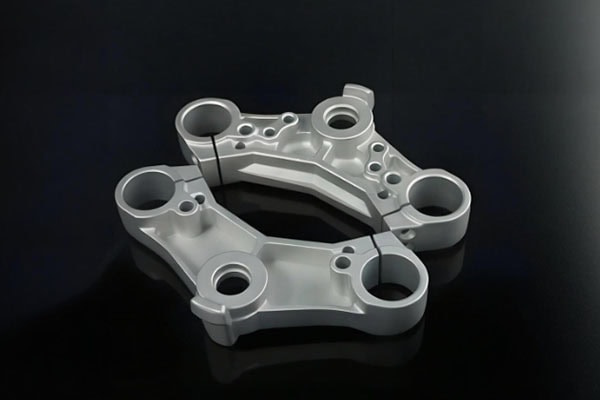
Why Are Aluminum Alloys Suitable for Motorcycle Parts?
Lightweight design has become an important trend in motorcycle manufacturing. Reducing component weight can help lower overall vehicle weight while improving handling, acceleration response, and energy efficiency.
Aluminum alloys offer an excellent balance between strength and weight and are highly suitable for CNC milling and CNC turning. For structurally complex motorcycle components, multi-axis machining can also be used to produce curved surfaces, angled holes, deep grooves, and complex contours.
Common Motorcycle Aluminum Parts
| Part Type | Common Aluminum Alloy | Key Machining Requirements | Typical Applications |
| Engine Brackets | 6061, 7075 | Dimensional accuracy, structural strength | Motorcycles, Racing |
| Brake Caliper Brackets | 7075 | Hole positioning, high strength | High-Performance Motorcycles |
| Footpeg Brackets | 6061, 7075 | Lightweight design, wear resistance | Street Bikes, Off-Road Bikes |
| Wheel Components | 6061, 7075 | Concentricity, surface quality | Motorcycles, Racing |
| Handlebar Mounts | 6061 | Hole accuracy, appearance | Street Motorcycles |
| Suspension Links | 7075 | Strength, dimensional stability | Off-Road Bikes, Racing |
| Aluminum Housings | 6061 | Thin-wall machining, surface finish | Electric Motorcycles |
CNC Machining Processes for Motorcycle Aluminum Parts
CNC Milling
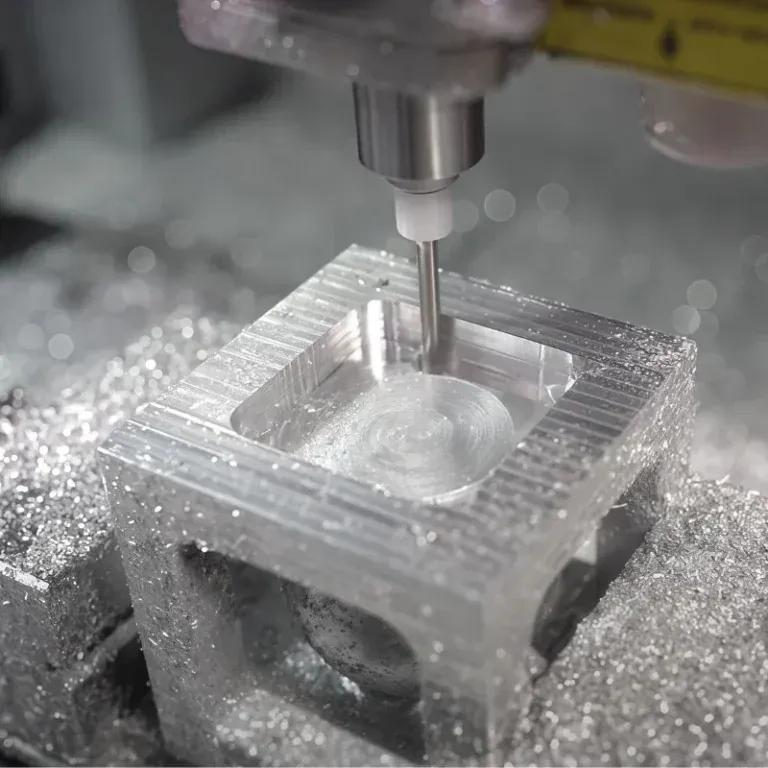
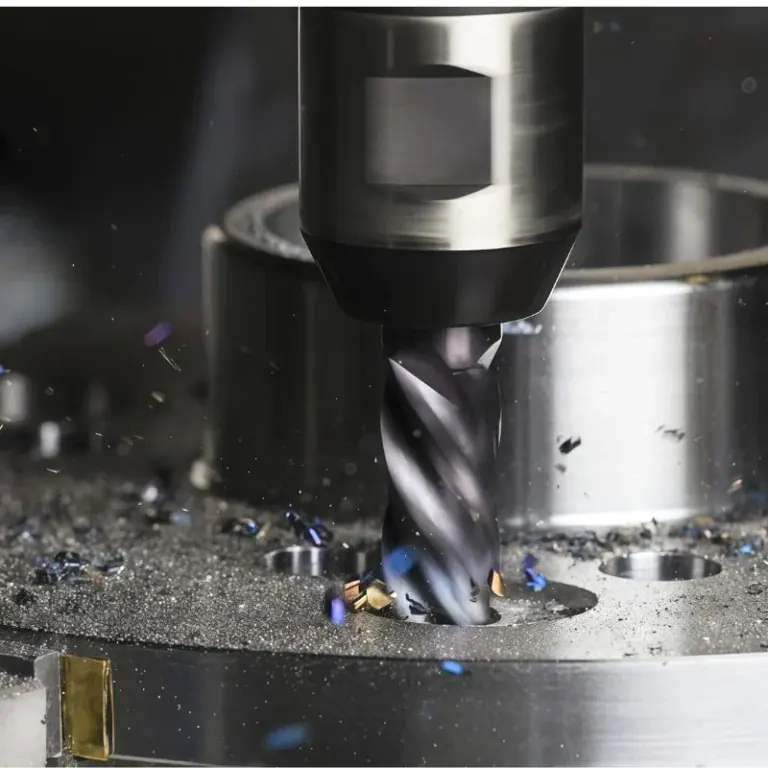
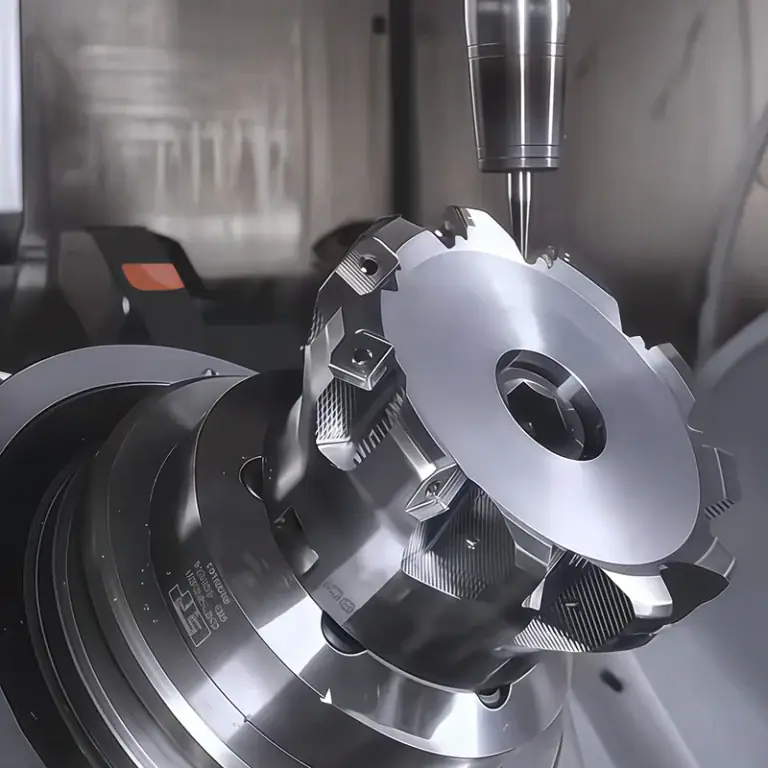
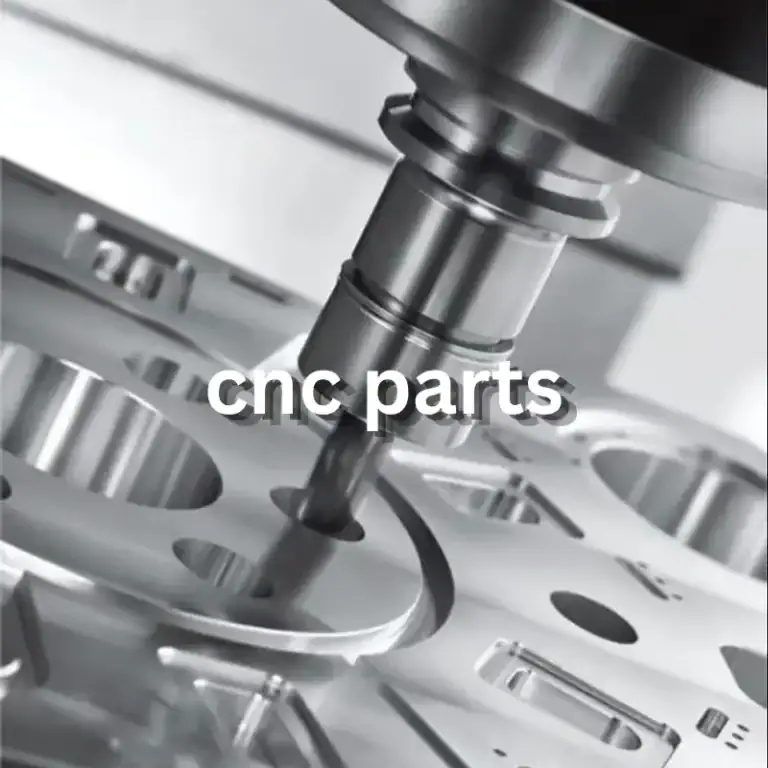
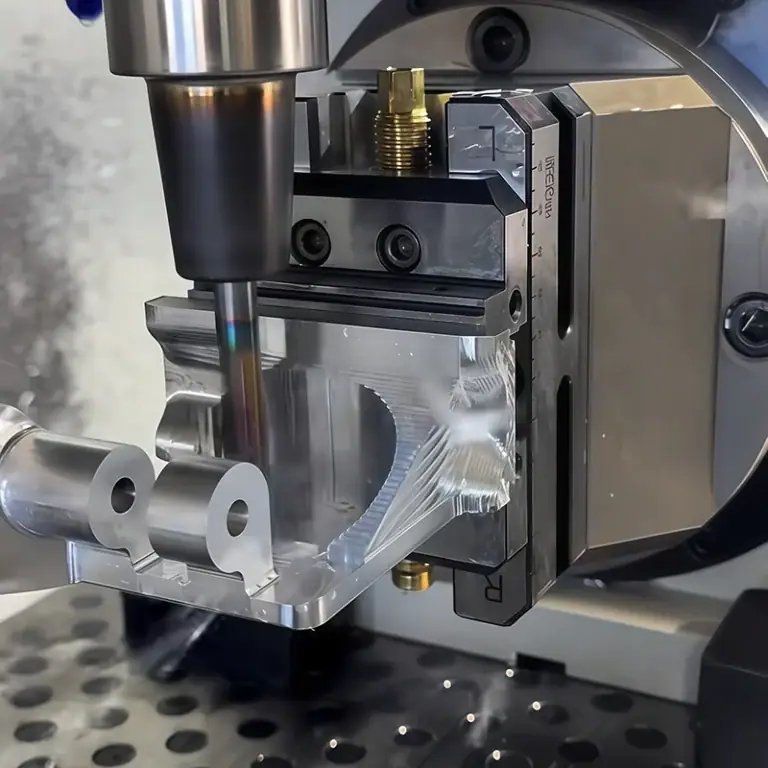
CNC milling is one of the most widely used processes for manufacturing motorcycle aluminum parts. It is suitable for brackets, mounting bases, housings, connectors, and complex structural components. Computer-controlled cutting tools can accurately machine flat surfaces, holes, slots, curved surfaces, and complex contours.
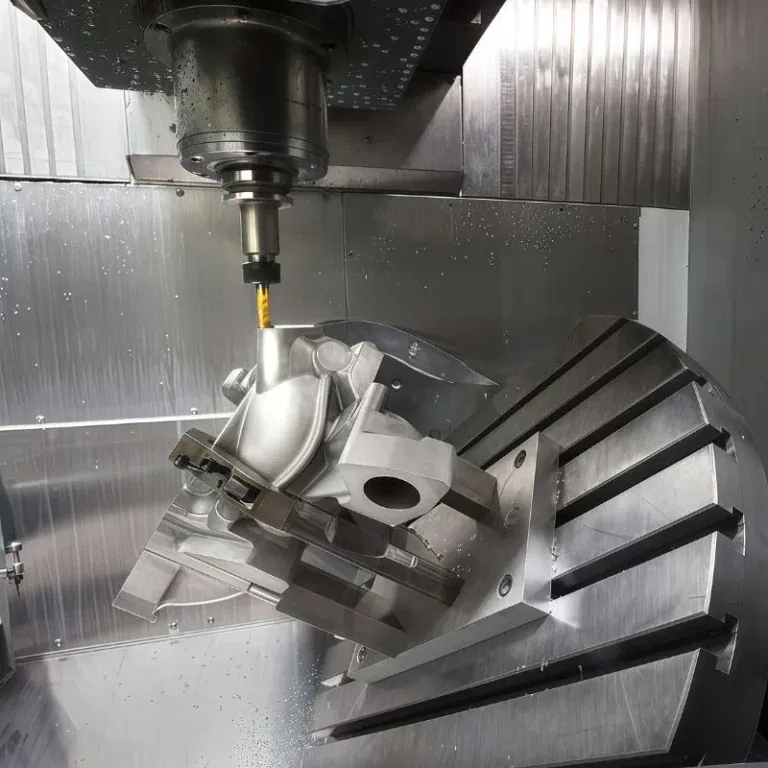
For components requiring machining from multiple directions, 4-axis or 5-axis CNC machining can reduce the number of setups and minimize positioning errors while improving machining consistency.
CNC Turning
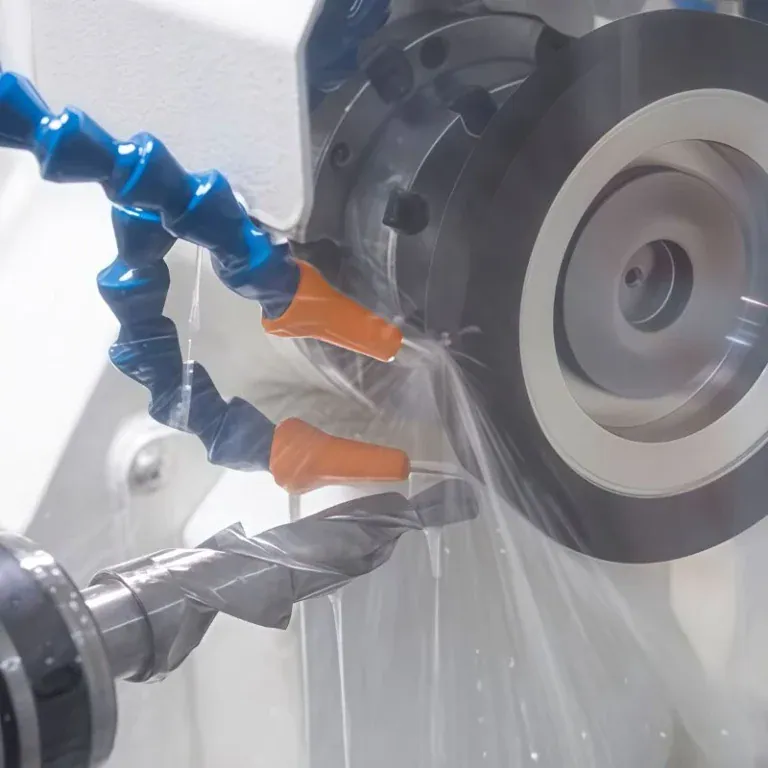
Bushings, sleeves, shafts, threaded components, and other cylindrical parts are commonly manufactured through CNC turning. Precise control of outside diameters, internal bores, end faces, and threads helps meet the dimensional and rotational requirements of motorcycle components.For more complex components, turning and milling processes can be combined according to the part geometry. This can reduce production steps and repeated positioning operations.
5-Axis CNC Machining
High-performance motorcycle components often feature complex curved surfaces and lightweight structures. 5-axis CNC machining allows cutting tools to approach a workpiece from multiple directions, making it suitable for complex brackets, suspension components, engine-related parts, and racing or aftermarket components.With optimized tool paths, manufacturers can reduce difficult-to-machine areas and improve the consistency of complex curved surfaces.
How to Choose Aluminum Alloys for Motorcycle Parts?
Different aluminum alloys offer different levels of strength, machinability, corrosion resistance, and dimensional stability. Therefore, material selection should be based on the actual operating conditions and functional requirements of each motorcycle component.
6061 aluminum alloy provides good machinability, strength, and corrosion resistance. It is suitable for brackets, housings, mounting bases, and general structural components. For motorcycle parts requiring higher strength and lightweight performance, 7075 aluminum alloy can be considered.In practical projects, material selection should consider load requirements, operating environment, machining requirements, and production budget rather than simply choosing the highest-strength alloy.
Precision Control for Motorcycle Aluminum Parts
Motorcycle components often need to be assembled with bearings, shafts, bolts, braking systems, suspension components, and other parts. Excessive deviations in hole diameter, shaft diameter, or mounting positions can affect component fit and overall vehicle performance.
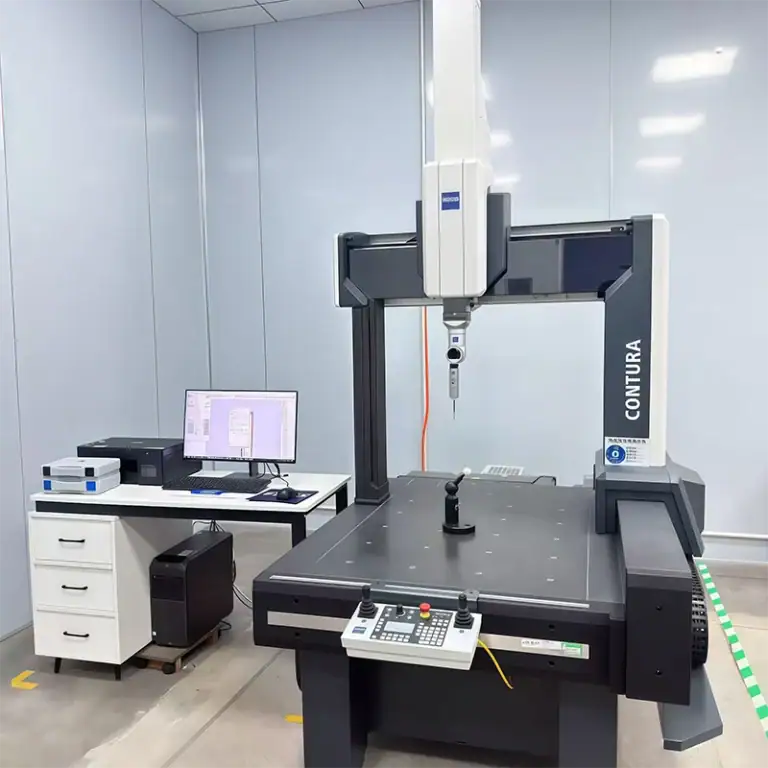
During CNC machining, manufacturers need to control critical dimensions, hole positions, concentricity, flatness, and surface roughness. For high-precision components, first-article inspection, dimensional measurement, and final quality inspection can help ensure that finished parts meet engineering drawing requirements.
Key Factors Affecting Machining Accuracy
- CNC machine accuracy
- Tool condition
- Cutting parameters
- Workholding method
- Part design
- Internal material stress
- Machining environment
- Inspection methods
Surface Finishing for Motorcycle Aluminum Parts
In addition to dimensional accuracy, motorcycle components often require good appearance and corrosion resistance. After CNC machining, aluminum parts can undergo anodizing, sandblasting, powder coating, plating, or other surface treatments according to their application requirements.
For example, anodizing can improve the surface corrosion resistance of aluminum parts while providing different color options. This makes it suitable for motorcycle appearance components, aftermarket parts, and customized accessories.
For high-performance motorcycles, surface finishing is not only related to appearance. Manufacturers also need to consider long-term resistance to rain, mud, moisture, and other environmental conditions.
From Motorcycle Prototypes to Volume Production
Motorcycle product development typically involves design, prototype manufacturing, assembly testing, and structural optimization. CNC prototyping allows engineering teams to quickly transform digital models into physical components for dimensional and functional validation.
After prototype testing, the project can move into low-volume production and eventually larger-scale manufacturing. For motorcycle brands, component suppliers, and aftermarket manufacturers, this prototype-to-production approach can reduce development risks and improve product launch efficiency.
TiRapid Motorcycle Aluminum CNC Machining Solutions
TiRapid provides CNC milling, CNC turning, multi-axis machining, rapid prototyping, and volume production services for motorcycle manufacturers and powersports companies. By combining material selection, machining processes, DFM analysis, and quality control, manufacturers can develop efficient production solutions for different motorcycle aluminum components.
Whether you need 6061 aluminum motorcycle parts, 7075 high-strength CNC components, lightweight racing parts, or custom motorcycle aftermarket components, a well-designed CNC machining process can help balance precision, strength, weight, and production efficiency.
For motorcycle parts requiring high precision, complex geometries, and stable volume supply, choosing a professional aluminum CNC machining service can help improve component quality and contribute to the overall competitiveness of the motorcycle product.