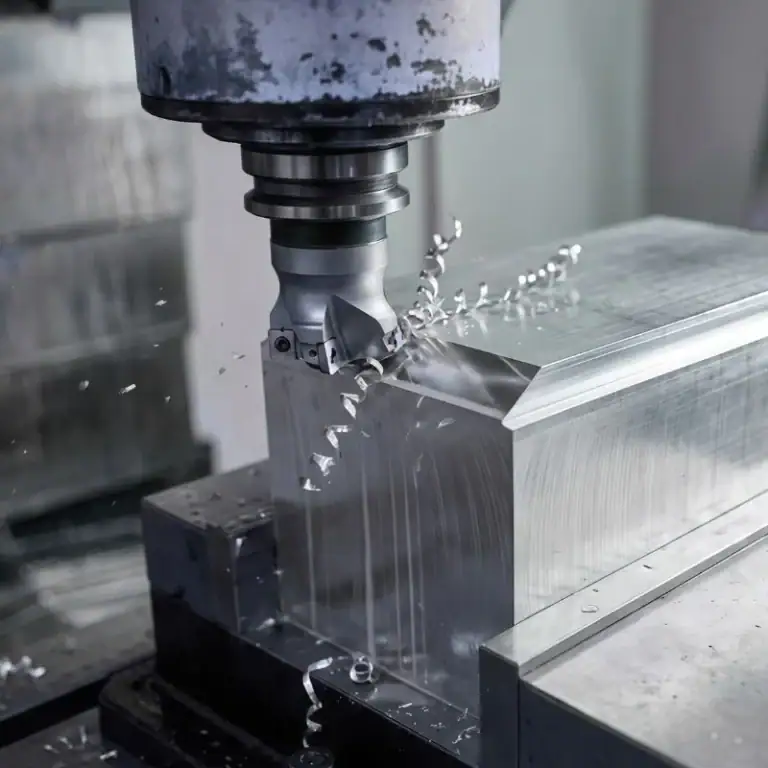
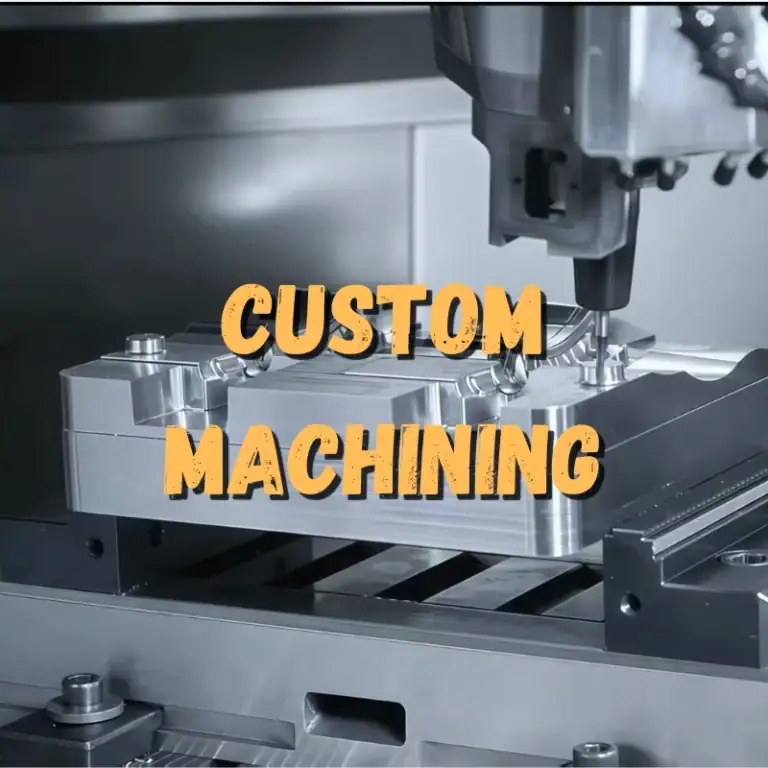
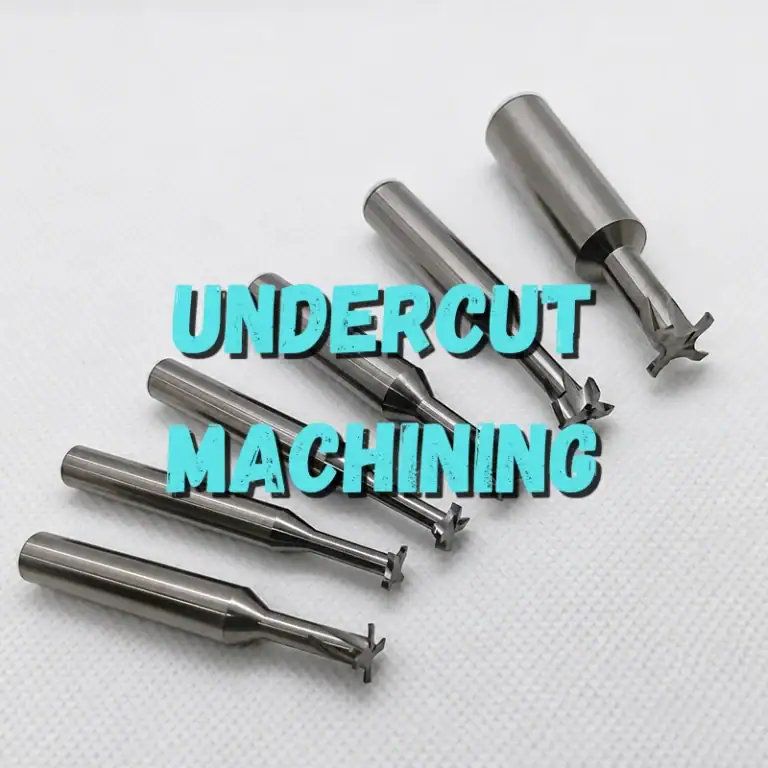
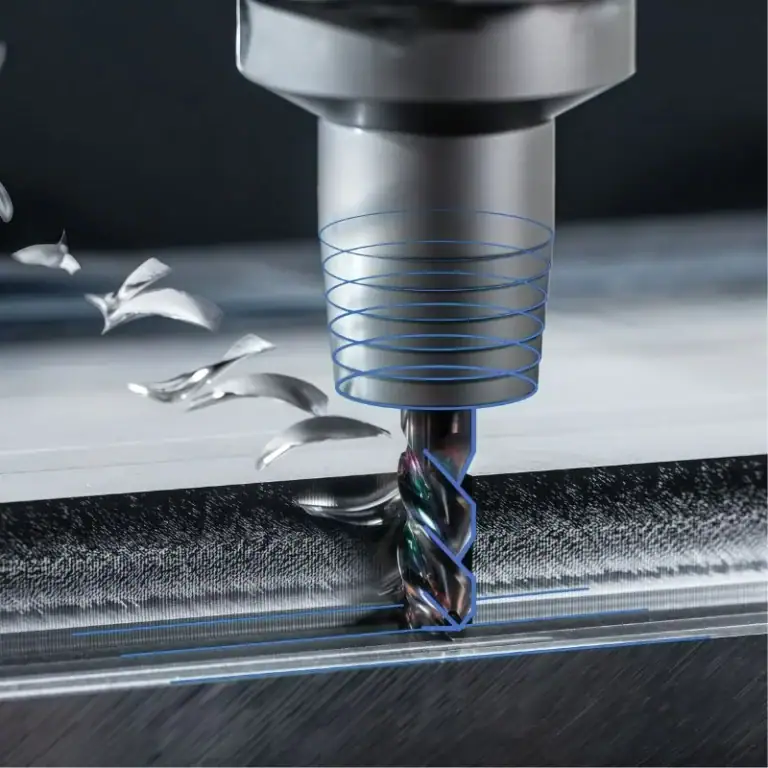
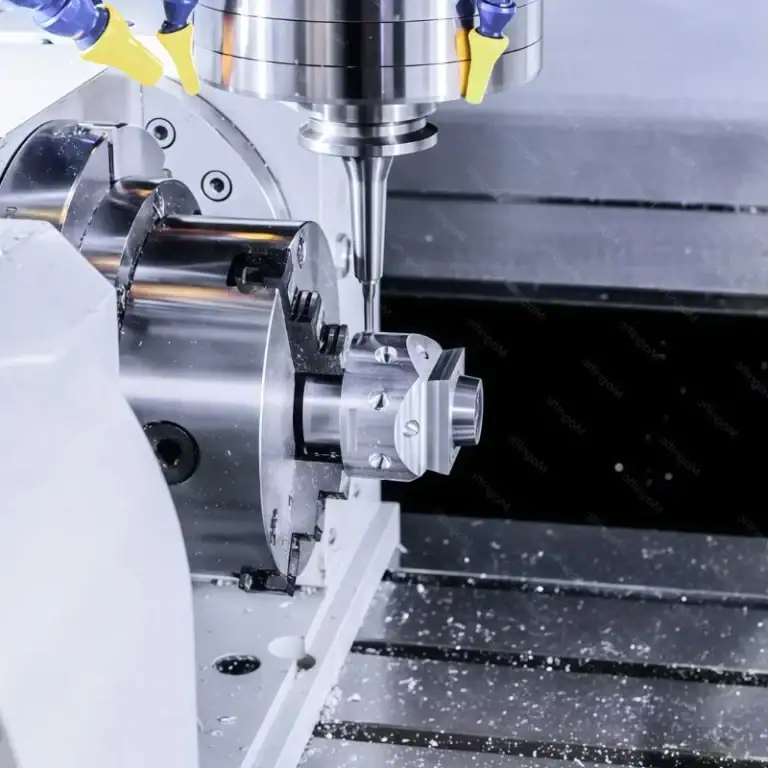
In high-precision part machining, surface quality, dimensional accuracy, and process stability are key indicators that customers focus on. Chatter in CNC milling is one of the most common issues, which can lead to surface vibration marks, accelerated tool wear, increased dimensional errors, and even reduced machine tool lifespan. This is especially evident in deep cavity, thin-wall, and high-hardness material machining. By optimizing equipment, tools, parameters, and process paths, vibration can be effectively reduced and machining quality improved.
Understanding the Causes of Chatter to Improve Machining Stability
Vibration issues are usually caused by a combination of factors, including machine tool performance, tool condition, material properties, and cutting parameters. Accurately identifying the source helps develop more targeted improvement measures.
Insufficient Machine Tool Rigidity Causing Machining Vibration
When the machine tool structure lacks rigidity, micro-deformation can occur under cutting forces, which further amplifies vibration effects.
- Structural deformation affects the stability of the machining path.
- Insufficient spindle and worktable rigidity reduces cutting accuracy.
- Vibration transmission is more likely under high-load conditions.
Using equipment with higher structural stability and rigidity helps reduce chatter risk at the source.
Excessive Tool Overhang Increases Vibration Risk
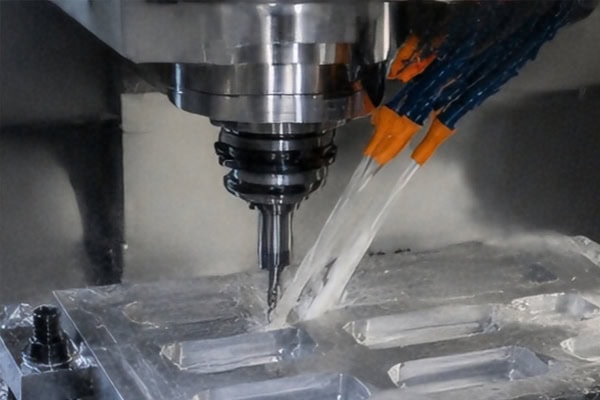
In deep cavity or complex structure machining, longer tool extension is often required. However, this significantly reduces overall rigidity, making the tool more prone to deflection under load, which affects cutting stability and amplifies vibration. This negatively impacts surface quality. In actual machining, tool length should be reasonably planned according to part depth, minimizing overhang as much as possible while ensuring accessibility, in order to improve overall machining stability.
Optimizing Tool Selection to Reduce Vibration
Tool performance directly determines cutting stability, and its structure and condition play a critical role in vibration control.
Selecting High-Rigidity Tool Structures
Different machining tasks require different tool types, which is especially important in high-precision milling.
- Increasing tool diameter improves bending resistance.
- Short-flute tools are more suitable for deep cavity machining.
- Selecting appropriate tools based on material properties reduces cutting resistance.
Higher-rigidity tools help maintain stable cutting conditions and improve machining quality.
Proper Control of Tool Wear Condition
Tool wear changes cutting force distribution, making the process more prone to instability.
- Regularly inspect cutting edges to avoid using failed tools.
- Replace heavily worn tools in time to maintain consistency.
- Prevent dimensional deviation and surface defects caused by tool degradation.
A standardized tool management system helps reduce machining fluctuations.
Adjusting Machining Parameters to Improve Cutting Conditions
Proper parameter settings effectively control cutting force variations and are an important means of suppressing vibration.
Optimizing Spindle Speed and Feed Rate
Spindle speed and feed rate should be matched according to material properties and tool specifications. Avoid excessively low speeds that cause discontinuous cutting, and prevent excessive feed rates that increase load. By dynamically adjusting parameter combinations, the cutting process can be kept within a stable range, improving both smoothness and efficiency.
Controlling Cutting Depth to Reduce Load
Excessive cutting depth can lead to sudden force increases, triggering vibration.
- Use step-down cutting to reduce single-pass load.
- Adjust cutting volume according to material hardness.
- Avoid sudden load changes during machining.
Reasonable cutting distribution improves machining reliability.
Improving Machining Processes to Reduce Chatter Impact
Process path design and machining sequence planning also affect vibration behavior.
Optimizing Tool Path Planning
The continuity of tool motion directly affects cutting stability. Reducing sudden stops and sharp direction changes helps minimize impact forces. By optimizing entry strategies and tool paths, the cutting process becomes smoother. CAM-based path optimization further enhances overall machining stability.
Reasonable Arrangement of Roughing and Finishing Processes
Different machining stages serve different purposes, and proper sequencing helps reduce vibration interference.
- Roughing quickly removes excess material.
- Finishing reduces cutting load to improve surface quality.
- Optimize machining order based on structural features to reduce deformation.
A scientific process arrangement improves overall machining consistency.
Enhancing Auxiliary Conditions to Improve Machining Quality
Although auxiliary systems do not directly participate in cutting, they significantly affect machining stability.
Improving Cooling and Chip Removal Conditions
Heat and chips generated during cutting, if not removed in time, increase system load.
- Keep the machining area clean to avoid secondary cutting.
- Use appropriate cooling methods to reduce tool temperature.
- Improve chip evacuation efficiency to maintain process continuity.
Good cooling and chip removal conditions help stabilize the cutting process.
Improving Workpiece Clamping Stability
Clamping methods directly affect the stability of the workpiece during machining.
- Improve positioning accuracy to reduce deviation.
- Enhance clamping rigidity to resist cutting forces.
- Design dedicated fixtures for thin-wall structures.
A stable clamping system effectively reduces vibration transmission.
Conclusion
Suppressing machining vibration relies more on the coordinated optimization of the overall process system rather than isolated adjustments. By continuously improving tool path design and parameter matching, the stability of the cutting process and consistency of finished parts can be significantly enhanced. With mature CNC milling capabilities and extensive process experience, TiRapid provides customized machining support for different materials and complex structures, helping customers achieve high-precision and high-efficiency manufacturing goals.