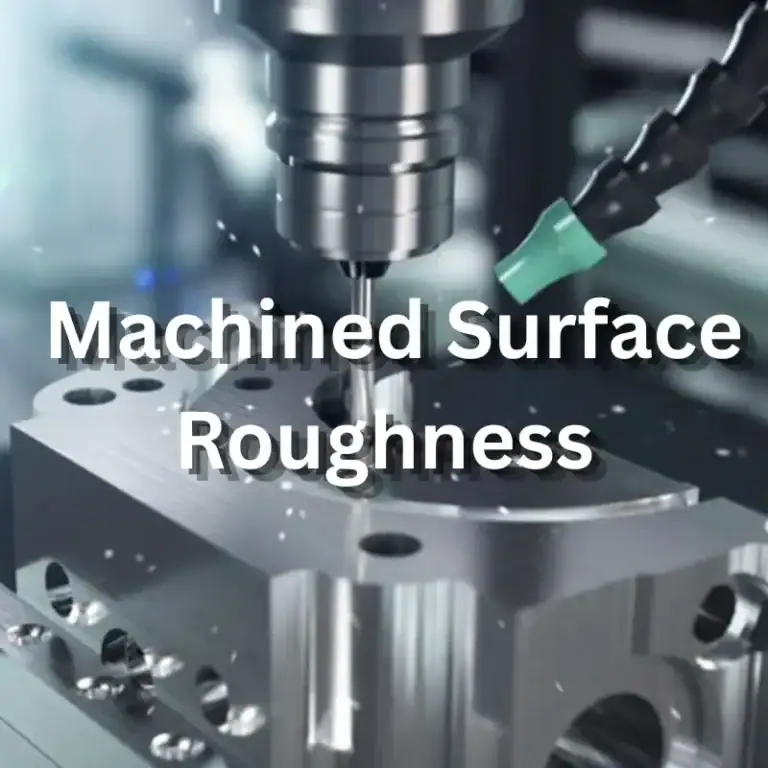
Automated assembly equipment consists of structural components such as frames, mounting plates, locating bases, connecting brackets, and transmission supports. These components must fit together accurately to ensure stable equipment operation. For multi-station layouts and custom-designed parts, CNC machining needs to meet requirements for dimensional accuracy, structural rigidity, material properties, and assembly compatibility. Proper machining processes and quality inspections help reduce installation deviations and improve component compatibility.
Machining Requirements for Automated Assembly Equipment Structural Components
Automated assembly equipment includes modules for feeding, positioning, clamping, assembly, and inspection. Each module has different requirements for the dimensions and performance of its structural components.
Common Types of Structural Components
Depending on the equipment structure and function, commonly machined components include:
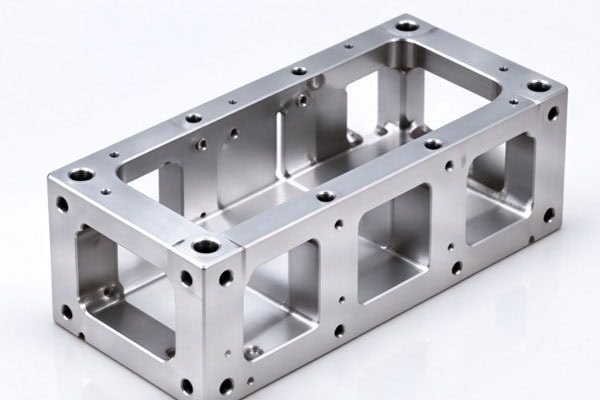
- Frames and base plates: Support equipment modules, with attention to dimensions, flatness, and rigidity.
- Mounting brackets and connecting bases: Secure motors, cylinders, and sensors, requiring accurate hole positioning.
- Positioning and clamping components: Include locating blocks, fixture bases, and stop blocks, which require accurate positioning.
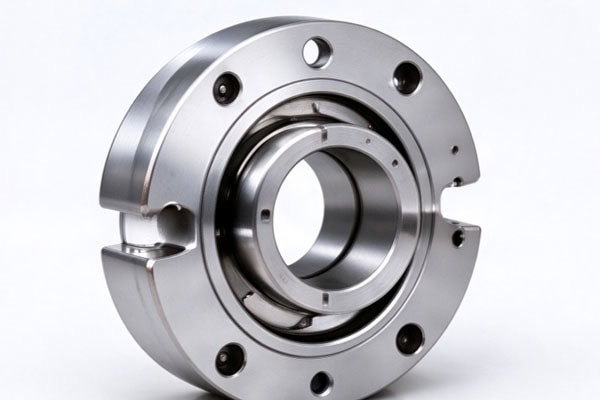
- Transmission support components: Include bearing housings and guide rail mounting bases, which must meet fit requirements.
Understanding each component’s function and installation position helps determine the appropriate machining plan.
Key Requirements for Structural Components
During operation, structural components are exposed to loads, vibration, and repeated movement. Their design and machining must therefore meet several requirements: dimensional accuracy through precise control of mounting holes, locating surfaces, and connection interfaces; structural rigidity through material and structural choices suited to the applied loads; proper fit to ensure smooth installation of guide rails, bearing housings, and other components; and convenient maintenance through adequate space for disassembly and replacement.
CNC Machining Solutions for Automated Assembly Equipment Structural Components
Different part geometries, materials, and accuracy requirements call for suitable machining processes, with attention to machining deformation and surface quality.
Selection of CNC Machining Processes
Depending on the component structure, manufacturers can use individual machining processes or combine multiple operations.
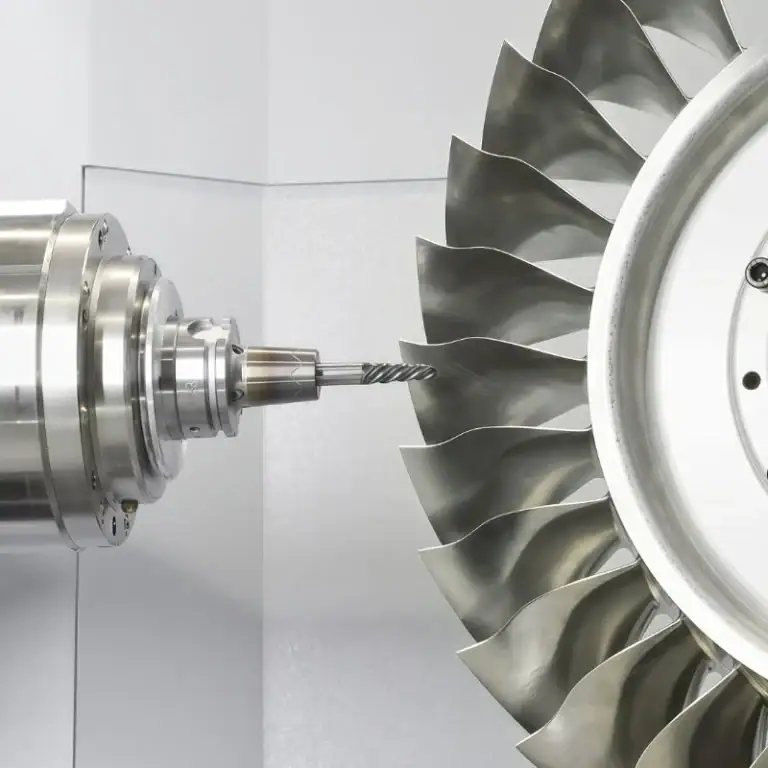
- CNC milling: Used for mounting plates, brackets, locating blocks, and complex profiles.
- CNC turning: Used for rotational components such as bushings and locating pins.
- Mill-turn machining: Suitable for complex rotational parts with flanges, side holes, or locating grooves. A combined turning and milling process can also be used.
- Drilling and tapping: Used to produce mounting holes and threaded interfaces while maintaining hole spacing and thread quality.
Proper planning of workholding references and machining sequences helps reduce errors caused by repeated repositioning.
Material Selection, Deformation Control, and Surface Treatment
Materials should be selected according to component loads, movement, and operating conditions. Common options include:
| Component Type | Common Materials | Key Considerations |
| Equipment mounting plates and brackets | Aluminum alloys, carbon steel | Weight, rigidity, load capacity |
| Locating blocks and fixture bases | Aluminum alloys, alloy steel | Dimensional stability, wear resistance |
| Bearing housings and transmission supports | Aluminum alloys, carbon steel, alloy steel | Fit accuracy, structural strength |
| Connecting pins and bushings | Stainless steel, alloy steel | Wear resistance, dimensional accuracy |
| Protective enclosures and auxiliary structures | Aluminum alloys, stainless steel, engineering plastics | Protection requirements, machinability |
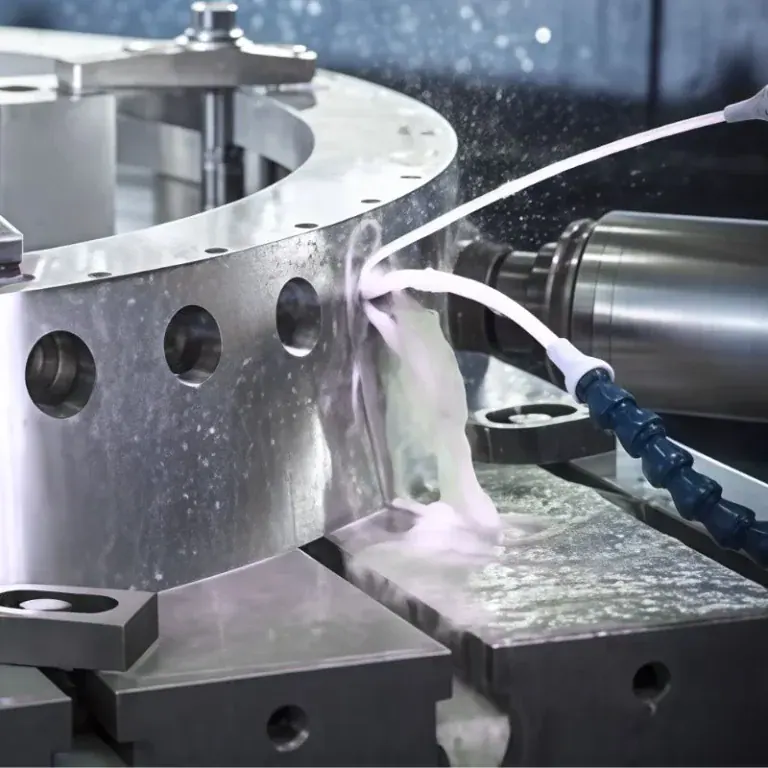
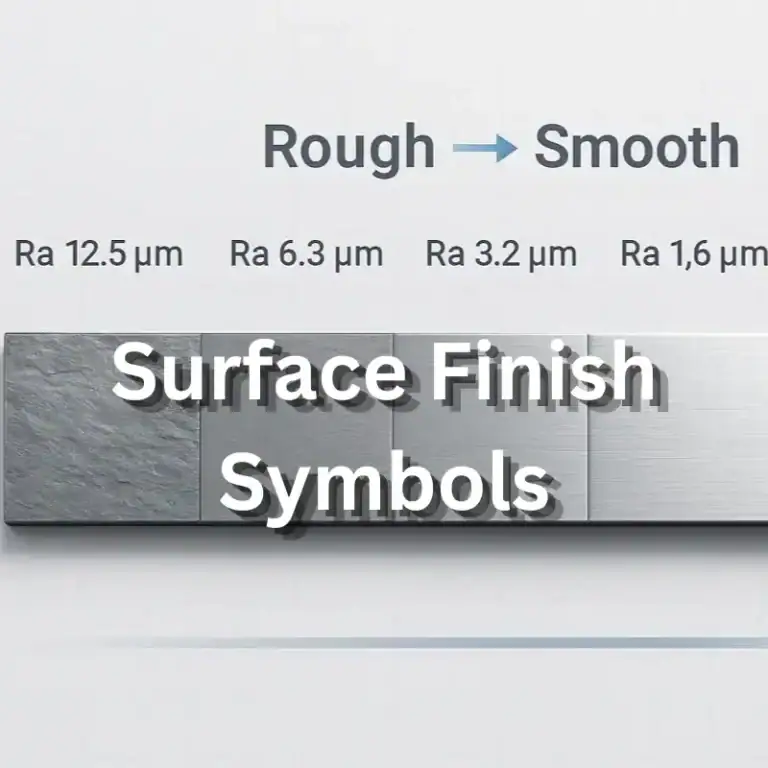
Large aluminum components may warp during extensive material removal as internal stresses are released. Symmetrical machining, staged roughing and finishing, and stress-relief treatment when necessary can help reduce this risk. Surface treatments should be selected according to the component’s function and operating environment. Aluminum components may receive suitable anodizing, while steel components may use black oxide, plating, or coating for protection. The effect of coating thickness on precision fits must also be considered.
Quality Control for Automated Assembly Equipment Structural Components
Machining quality affects equipment installation and module compatibility. Key dimensions and actual assembly results should be inspected according to drawing requirements.
Key Machining Quality Inspections
Inspection items should be selected according to each component’s function.
- Dimensional inspection: Check length, thickness, hole diameters, hole spacing, and slot dimensions.
- Geometric inspection: Focus on flatness, concentricity, and positional accuracy.
- Surface inspection: Check for burrs, scratches, and surface treatment defects.
- Assembly verification: Check mounting holes, locating surfaces, and mating interfaces.
For large aluminum mounting plates, flatness before and after machining should also be checked to prevent deformation from affecting subsequent installation.
Prototype Testing and Batch Delivery
For newly developed equipment components, prototypes can be produced to verify dimensions and installation relationships. Local design adjustments can then be made based on trial assembly results. During batch production, material specifications, machining references, and inspection requirements should remain consistent. Spare parts such as locating blocks and connecting components can also be planned in advance to reduce equipment maintenance delays.
How to Choose a CNC Machining Supplier for Automated Assembly Equipment Structural Components
When sourcing custom structural components, buyers should evaluate not only price but also the supplier’s process capabilities, quality control, and delivery coordination.
Evaluate Machining and Customization Capabilities
The supplier should be capable of processing different materials and complex component structures.
- Drawing interpretation: Understands critical dimensions, tolerances, and installation references.
- Process planning: Can arrange machining sequences and workholding methods according to component geometry.
- Deformation control: Can develop suitable machining plans for large aluminum components.
- Material processing: Can machine aluminum alloys, steel, stainless steel, and suitable engineering plastics according to project requirements.
Effective technical communication helps reduce machining deviations and assembly problems.
Clarify Quotation and Delivery Details
When requesting a quotation, provide complete drawings, material specifications, order quantities, tolerances, and surface treatment requirements. Confirm which machining operations are included in the quoted price. For orders involving multiple structural components, also clarify production schedules, inspection methods, and packaging requirements to ensure coordinated delivery.
CNC machining for automated assembly equipment structural components requires careful control of dimensions, materials, machining deformation, and surface quality according to each part’s function. Large mounting plates require particular attention to deformation control, while complex rotational components may need turning, milling, or combined machining processes. TiRapid provides custom CNC machining services based on customer drawings, material specifications, and order requirements, supporting both prototype development and batch production of automated assembly equipment structural components.