Communication terminal equipment is widely used in industrial communication, wireless networks, IoT systems, data transmission, and intelligent control systems. Its enclosure protects internal circuit boards, communication modules, and electronic components while supporting interface connections, heat dissipation, structural strength, and equipment assembly. Different products have different dimensions, installation methods, and operating environments, so standard enclosures may not always meet specific requirements.
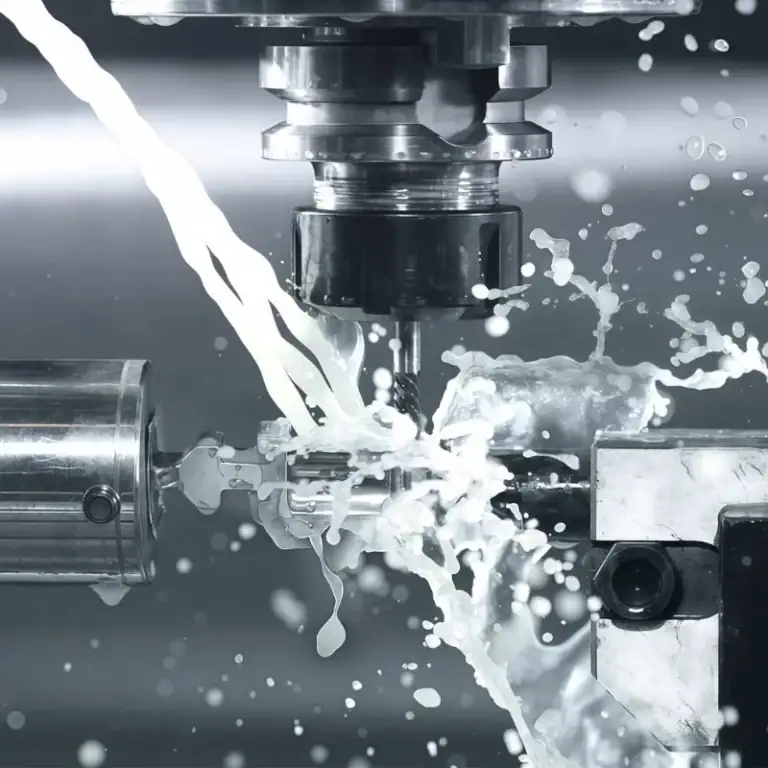
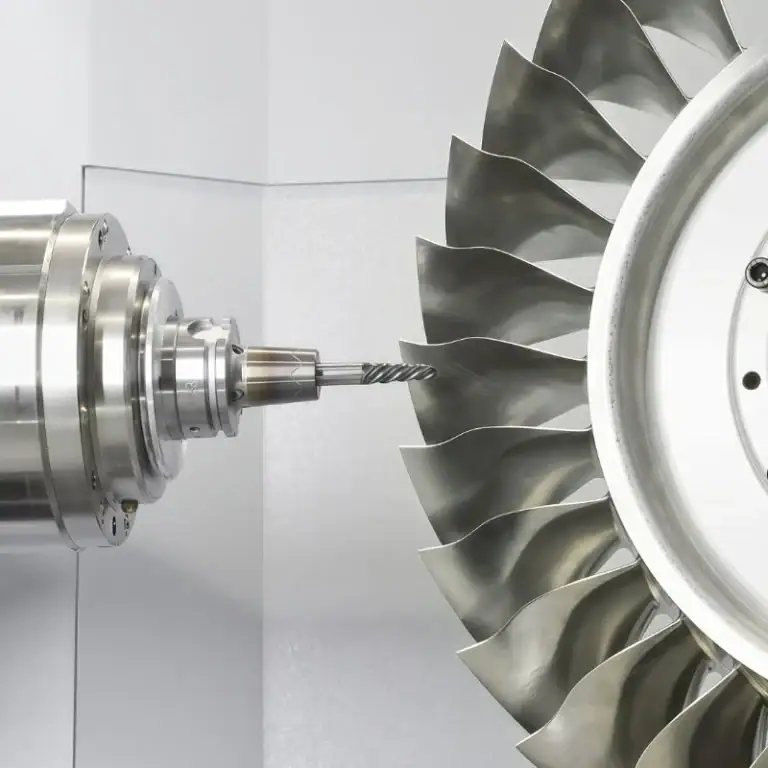
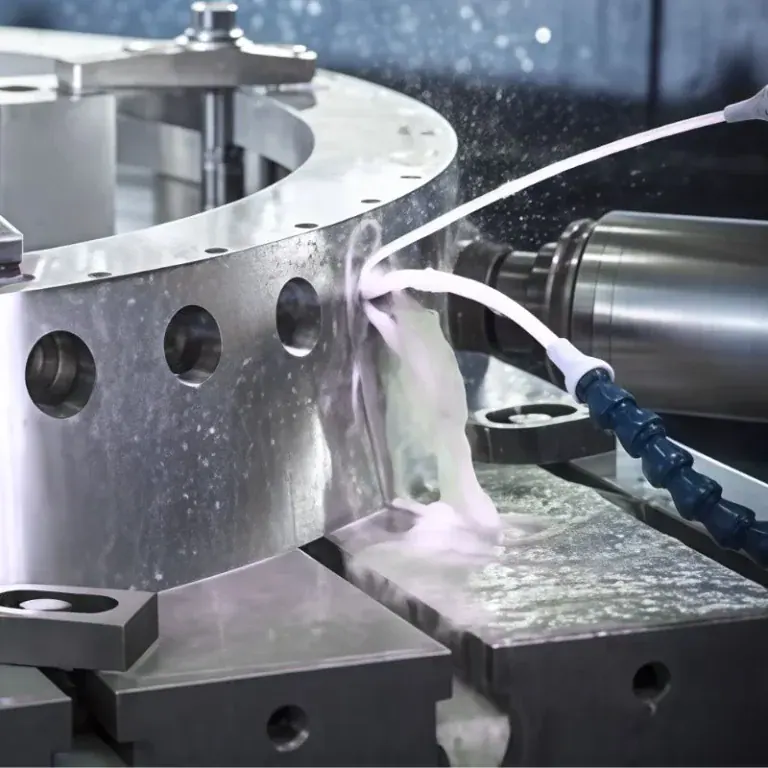
CNC machining can produce customized aluminum enclosures, metal panels, module housings, interface panels, and internal mounting structures according to engineering drawings and 3D models. Through milling, drilling, tapping, precision boring, and surface finishing, manufacturers can produce complex shapes and accurate interfaces for communication terminal equipment.
Key Advantages of CNC Machining for Communication Terminal Enclosures
Communication terminal enclosures typically include internal cavities, connection interfaces, cooling slots, mounting holes, and sealing structures. Machining accuracy affects the installation of internal components, external connections, and overall assembly quality. CNC machining uses programmed tool movements to manufacture different structures according to design requirements. It is suitable for customized production, product development, and batch manufacturing.
Precise Dimensional Control Improves Assembly Efficiency
Communication terminal enclosures must fit accurately with circuit boards, communication modules, display panels, and connectors. The positions of internal mounting posts, thread dimensions, enclosure thickness, and interface openings all affect assembly. Incorrect hole positions or cavity dimensions may prevent circuit boards from being installed correctly, make connector installation difficult, or create gaps between enclosure panels.
CNC machining controls enclosure length, width, internal depth, mounting hole spacing, and interface positions according to engineering drawings. For aluminum enclosures with multiple mounting posts, suitable machining references and operation sequences help reduce dimensional errors caused by repeated clamping. Precision milling also improves surface flatness, allowing upper and lower housings, covers, and internal support structures to fit together properly.
Customized Shapes Adapt to Different Communication Terminal Designs
Industrial gateways, wireless communication terminals, data transmission devices, and IoT controllers have different enclosure requirements. Some products need compact structures for installation inside control cabinets or limited spaces. Others require wall-mounting holes, DIN rail slots, or external brackets. Outdoor terminals may need thicker housings and specialized sealing structures.
CNC machining can manufacture irregular housings, stepped cavities, curved edges, positioning grooves, and customized interface panels according to customer CAD drawings, 3D models, and technical specifications. During product development, opening positions, internal space, and external dimensions can be adjusted based on prototype testing. This reduces the initial investment associated with mold development.
For communication terminal products with complex structures or frequently changing requirements, customized CNC machining offers greater manufacturing flexibility.
Material Selection and Surface Finishing Improve Enclosure Protection
The materials used for communication terminal enclosures should meet requirements for structural strength, weight, heat dissipation, and operating conditions. Different materials are suitable for different enclosure designs, while surface treatments affect corrosion resistance, appearance, and long-term performance.
- Aluminum alloy: Suitable for industrial gateways, wireless terminals, communication controllers, and portable communication devices. It offers relatively low weight, good machinability, and good thermal conductivity.
- Stainless steel: Suitable for equipment housings and mounting panels requiring higher mechanical strength and corrosion resistance. Appropriate cutting tools and machining parameters are important during production.
- Copper alloys: Can be used for selected conductive connection structures, grounding components, and specialized functional parts. Material grades should meet electrical and mechanical requirements.
- Engineering plastics: Suitable for insulation parts, internal supports, and selected non-load-bearing structures. Material selection should consider temperature resistance, flame-retardant requirements, and environmental conditions.
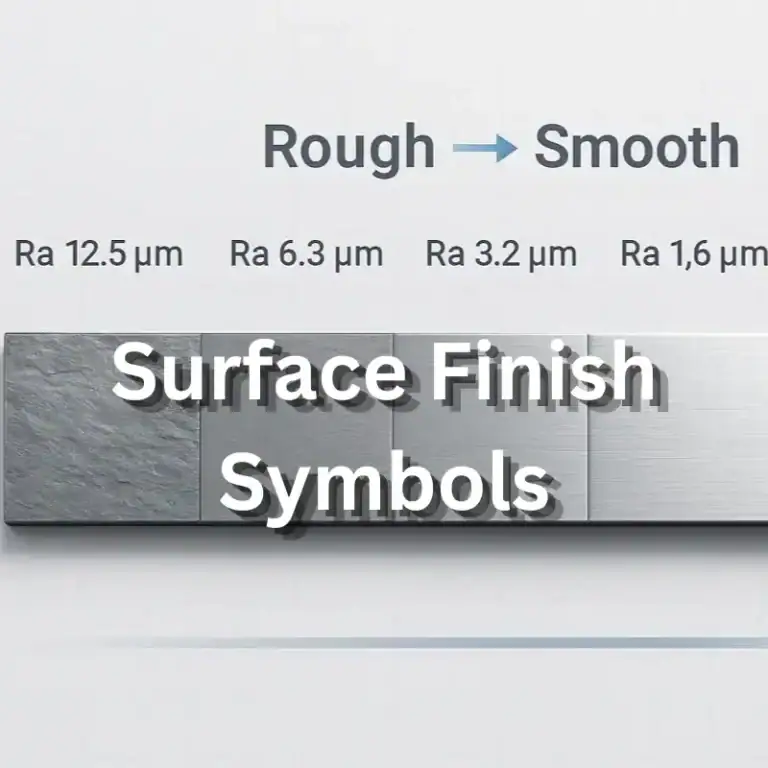
Aluminum enclosures can receive anodizing, sandblasting, or coating treatments according to product specifications. Stainless steel components may use suitable passivation or surface finishing processes. For areas requiring electrical contact, grounding, or electromagnetic shielding, the surface treatment requirements should be defined in advance to prevent coatings from affecting electrical connections.
CNC Machining Methods and Applications for Communication Terminal Enclosures
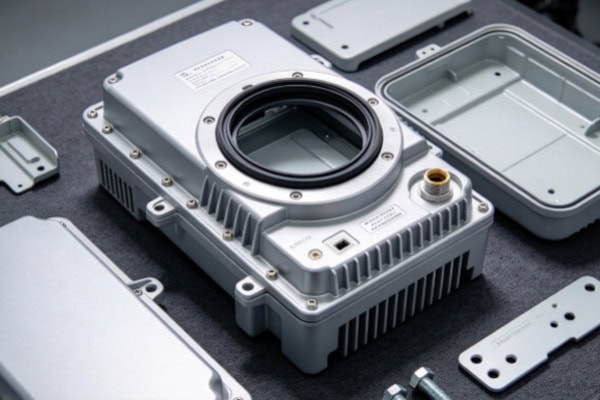
Communication terminal enclosures generally include external housings, internal cavities, interface panels, cooling structures, and mounting connections. Different manufacturing processes are selected according to component geometry, material thickness, and assembly requirements. Proper process planning helps reduce repeated positioning, improve production efficiency, and maintain accurate fits between the enclosure and internal electronic components.
CNC Machining Workflow for Communication Terminal Enclosures
Customized enclosure production starts with drawing verification. Manufacturers need to review critical dimensions, material specifications, installation methods, and surface requirements. For housings with thin walls, deep cavities, or dense openings, clamping methods and cutting sequences should be planned in advance to reduce deformation.
- Drawing and structural review: Check enclosure dimensions, wall thickness, internal cavities, threaded holes, interface openings, and sealing grooves. Confirm compatibility with circuit boards and connectors.
- Material preparation: Select suitable materials according to equipment weight, heat dissipation requirements, operating conditions, and cost targets. Check blank dimensions and machining allowances.
- CNC programming and fixture design: Plan tool paths, drilling positions, and machining references according to the enclosure structure to reduce errors caused by repeated positioning.
- External and internal structure machining: Use CNC milling to create external profiles, internal cavities, stepped surfaces, positioning grooves, and support structures.
- Hole and interface machining: Use drilling, tapping, boring, and finishing operations to produce threaded holes, connector openings, mounting holes, and other interface structures.
- Deburring and surface treatment: Remove burrs from holes, grooves, and edges. Apply anodizing, sandblasting, passivation, or coating according to technical specifications.
- Dimensional inspection and assembly verification: Inspect critical dimensions, hole positions, flatness, and surface quality. Perform trial assembly with circuit boards and connectors when necessary.
For thin-wall aluminum enclosures, clamping force and cutting heat must be controlled to prevent local deformation. For deep-cavity structures, tool length, feed parameters, and chip removal methods should be selected carefully to reduce tool vibration and surface defects.
Applications in Industrial Gateway and Wireless Terminal Enclosures
Industrial gateways generally contain processors, circuit boards, communication interfaces, and power modules. Their internal structures must provide sufficient installation space. Different gateway models may use wall-mounted, DIN rail-mounted, or panel-mounted designs, requiring corresponding mounting holes, slots, and connection structures.
CNC machining can produce aluminum industrial gateway housings, wireless terminal enclosures, and module mounting panels. For equipment with multiple network ports, antenna connectors, and power interfaces, opening dimensions and positions must be controlled accurately to ensure proper connector installation. Internal mounting posts, positioning grooves, and support surfaces must match circuit board dimensions to prevent interference during assembly.
Compact wireless terminal enclosures also need to balance internal space utilization and heat dissipation. Customized cavity depths, wall thicknesses, and internal support structures can accommodate different electronic module layouts.
Applications in Interface Panels, Cooling Structures, and Protective Enclosures
Communication terminal equipment often requires openings for Ethernet ports, USB interfaces, power connectors, antenna connectors, indicator lights, and control buttons. The dimensions and positions of these openings affect connector installation and cable routing. CNC machining can produce precision openings, counterbores, threaded holes, and panel profiles according to interface specifications.
For equipment requiring heat dissipation, manufacturers can machine cooling slots, ventilation holes, heat sink fins, and internal thermal contact surfaces. These structures should match the positions of internal heat sources. Cooling areas should not be blocked by mounting brackets or other components.
Some outdoor communication terminals also require sealing grooves, cover connection surfaces, and waterproof interface mounting positions to meet the protection requirements specified in the product design.
| Enclosure Component | Common Materials | Main Machining Processes | Key Quality Requirements | Typical Applications |
| Industrial gateway housing | Aluminum alloy | CNC milling, drilling, tapping | Cavity dimensions, mounting hole positions | Industrial data transmission |
| Wireless terminal housing | Aluminum alloy, stainless steel | Milling, drilling, surface finishing | External dimensions, interface fit | Wireless communication equipment |
| Communication interface panel | Aluminum alloy, stainless steel | Milling, drilling, counterboring | Opening positions, flatness | Network and power interfaces |
| Heat-dissipating enclosure | Aluminum alloy | Milling, slot machining, finishing | Cooling structure, wall thickness | Communication controllers and terminal modules |
| Equipment mounting base | Aluminum alloy, steel | Milling, drilling, tapping | Hole spacing, structural strength | Wall and cabinet installation |
| Protective enclosure cover | Aluminum alloy, stainless steel | Milling, sealing groove machining | Fit clearance, sealing surface | Outdoor communication terminals |
Functional and Performance Control for Communication Terminal Enclosures
Communication terminal enclosures must protect internal components while supporting heat dissipation, interface connections, equipment mounting, and environmental protection. Machining quality affects overall assembly efficiency and long-term equipment performance. Production standards should be established according to the equipment’s operating environment and structural design, including dimensional inspection, surface inspection, and assembly verification.
Dimensional Accuracy and Assembly Quality Inspection
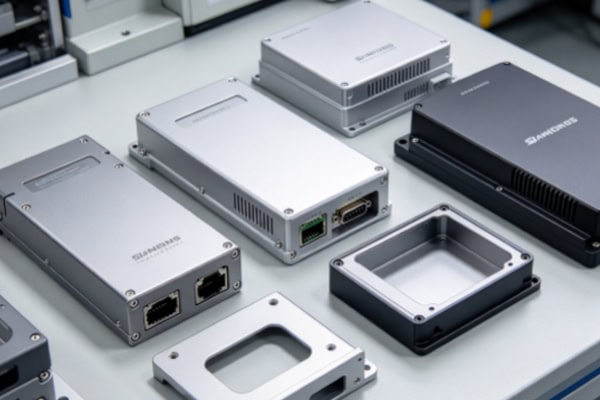
Communication terminal enclosures usually contain multiple mounting holes, threaded structures, positioning surfaces, and connector openings. Dimensional deviations may affect circuit board installation, interface connections, and the fit between upper and lower housings. Critical dimensions and tolerances should be defined before machining for areas that must fit with other components.
- External dimension inspection: Use calipers, micrometers, and other measuring tools to check enclosure length, width, height, and wall thickness against engineering drawings.
- Hole position and thread inspection: Check mounting hole spacing, hole diameters, thread specifications, and effective thread depth to ensure proper connector and fastener installation.
- Flatness and mating surface inspection: Inspect contact surfaces between upper and lower housings, cover mounting surfaces, and internal support surfaces to reduce assembly gaps and local warping.
- Surface quality inspection: Check machining marks, scratches, burrs, and surface treatment defects to ensure the enclosure meets appearance and functional requirements.
- Trial assembly and structural verification: Assemble circuit boards, connectors, covers, and fasteners to confirm sufficient internal space and prevent noticeable interference.
For batch production, manufacturers can retain material batch information, CNC program versions, and dimensional inspection records to support quality traceability. Coordinate measuring machines can also be used to inspect critical hole positions and geometric dimensions on complex enclosures.
Heat Dissipation, Protection, and Long-Term Performance Control
Communication terminal equipment generates heat during operation. Its enclosure must help release heat through thermal contact surfaces, cooling slots, or heat sink fins. The dimensions, positions, and surface conditions of these structures should meet product design requirements. For equipment with compact internal layouts, the enclosure must also avoid interference with circuit boards, cables, and connectors.
Outdoor communication terminals may be exposed to rain, dust, moisture, and temperature changes for extended periods. Sealing grooves, cover contact surfaces, and interface mounting positions must meet the protection level specified for the equipment. The width and depth of sealing grooves, as well as the flatness of contact surfaces, affect seal installation. Metal enclosures also require suitable corrosion protection according to their operating environments.
For communication terminals requiring electromagnetic shielding, the design should define conductive contact surfaces, cover connection positions, and grounding structures. CNC machining can maintain dimensional accuracy on these mating surfaces, but the final shielding performance still needs to be verified through complete equipment assembly and relevant testing.
CNC machining solutions for communication terminal enclosures support customized manufacturing for industrial gateways, wireless communication terminals, data transmission devices, and communication controllers. Through appropriate material selection, machining process planning, interface dimension control, and assembly inspection, manufacturers can improve compatibility between enclosures and internal electronic components while providing reliable structural protection and mounting support.
The actual machining solution should be determined according to product drawings, equipment dimensions, interface quantities, heat dissipation requirements, operating environments, and order quantities.