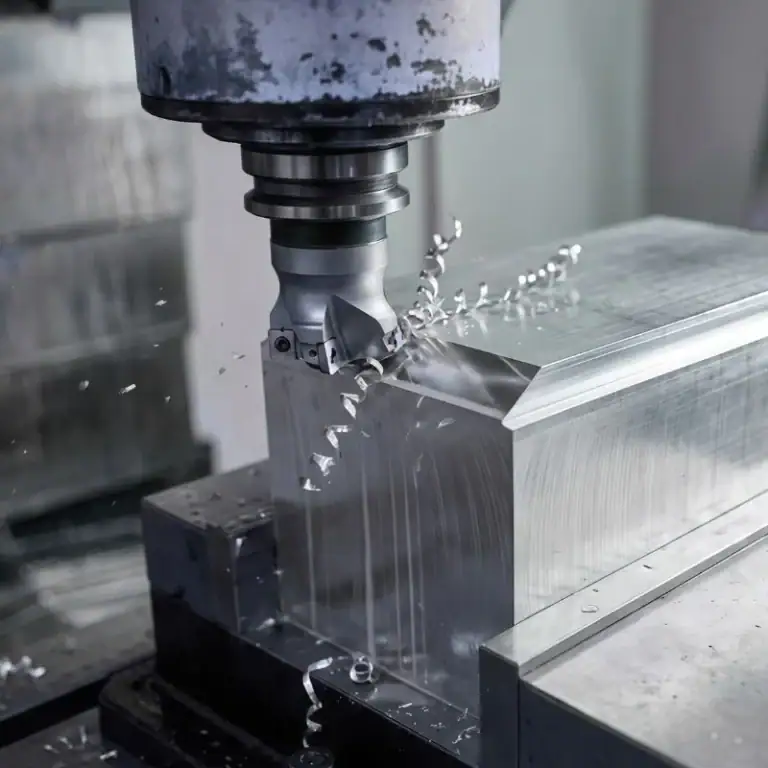
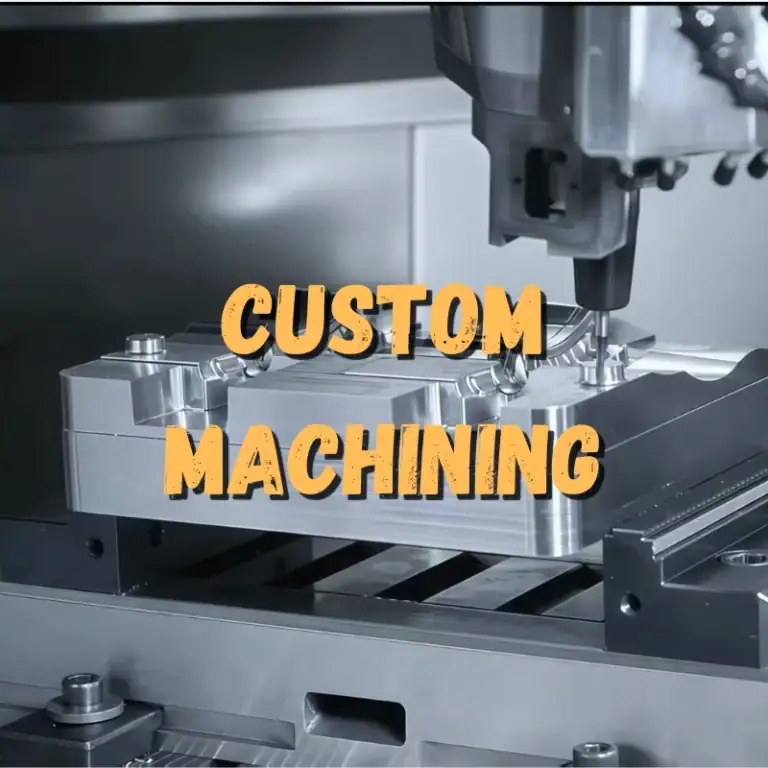
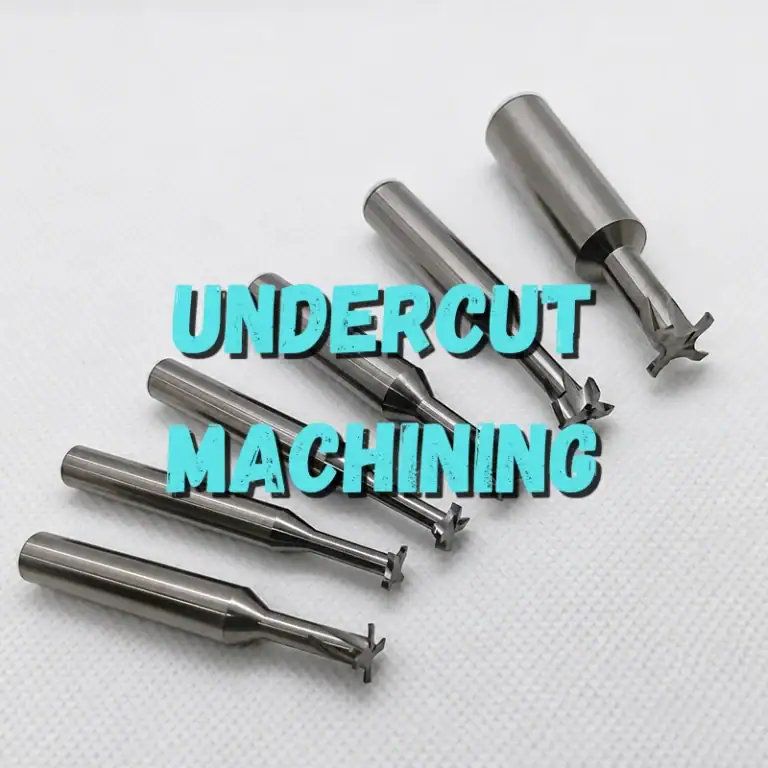
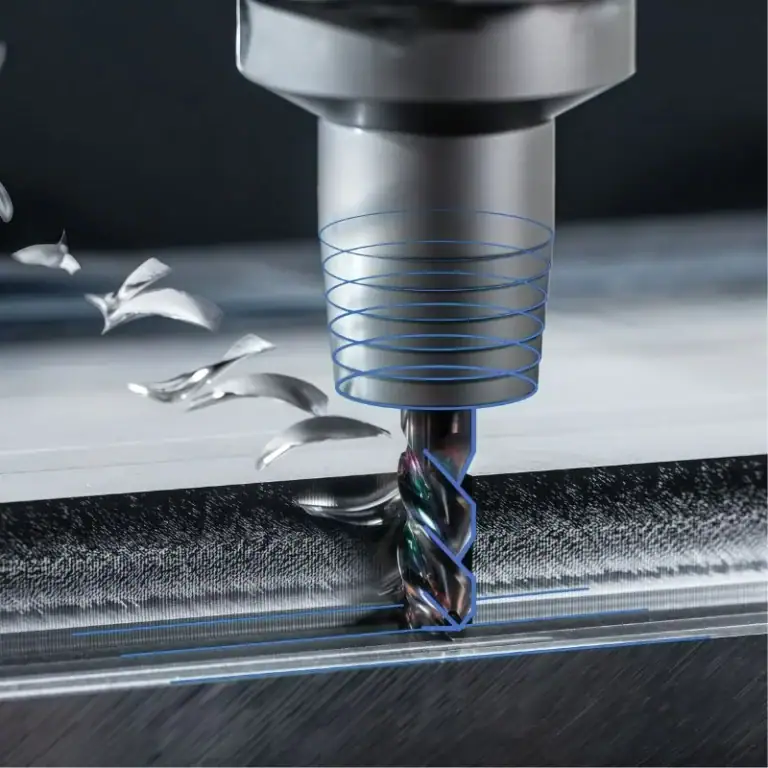
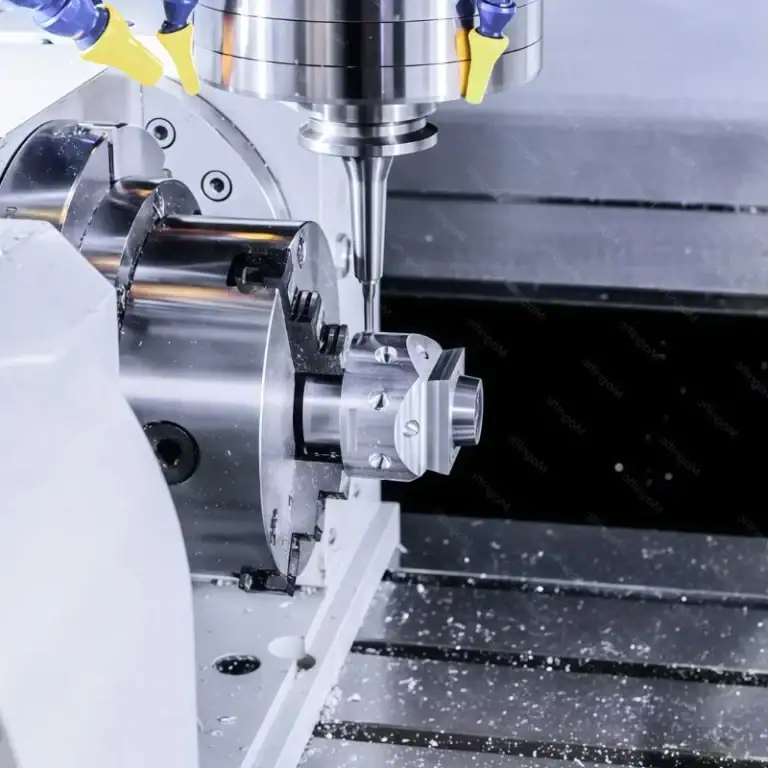
PVC is a relatively common plastic material in both industrial production and daily life, found in products such as water pipes, window frames, electrical conduit, and decorative panels. Compared to standard forming methods like extrusion and injection molding, CNC machining is better suited for producing PVC parts that require custom dimensions, complex geometries, small-batch production, or rapid prototyping. In sectors such as chemical equipment, electrical insulation, signage, architectural modeling, and industrial fixturing, PVC CNC machining has already developed relatively mature application patterns. However, PVC is not a universal plastic suitable for all operating conditions. Rigid PVC and PVC foam board differ markedly in density, strength, machinability, and application scenarios. Before finalizing a CNC machining plan, selection should take into account the part’s dimensions, service temperature, media environment, loading conditions, and appearance requirements.
PVC Material Types Suitable for CNC Machining
Before discussing PVC CNC-machined products, a distinction needs to be drawn between rigid PVC and PVC foam board. Although both belong to the PVC family, their practical machining applications differ. Rigid PVC is typically supplied in sheet or rod form for functional part manufacturing, while PVC foam board is more commonly used in signage production, display structures, and model making.
Rigid PVC (PVC-U)
Rigid PVC, also known as PVC-U or unplasticized polyvinyl chloride, is the more common PVC material in CNC machining. It offers good rigidity, dimensional stability, and chemical corrosion resistance, and can withstand a range of acids, alkalis, and salt solutions at room temperature, making it suitable for machining chemical equipment components and water treatment equipment parts. Rigid PVC generally does not produce pronounced long, stringy chips during cutting; with appropriate tooling and machining parameters, stable machining results can be achieved. For structural components such as flanges, partition plates, seal grooves, and mounting plates, milling, drilling, slotting, and profile cutting can be carried out directly according to engineering drawings.
PVC Foam Board
PVC foam board, also known as Forex or Sintra board, features low density, light weight, and easy machinability. Its density is typically significantly lower than that of rigid PVC, resulting in lower cutting resistance during machining, making it suitable for large-format display panels, three-dimensional lettering, backdrops, and architectural models. PVC foam board generally has good surface flatness, and different surface finishes can be selected according to requirements. Owing to its limited mechanical strength, it should not be used as a high-load structural component, but it offers substantial practical value in signage production and short-term display applications.
Machining Safety Considerations
PVC may undergo thermal decomposition under high-temperature conditions and release irritating hydrogen chloride gas. Therefore, controlling the temperature in the cutting zone and avoiding prolonged tool rubbing at a single location are essential during CNC machining of PVC. The following measures can be adopted during machining: select sharp tooling suited to plastic machining to reduce unnecessary frictional heating; set spindle speed and feed rate appropriately to avoid localized overheating caused by high RPM with low feed; use compressed air to evacuate chips promptly and help reduce the temperature in the machining zone; maintain good chip evacuation conditions to prevent chips from being repeatedly rubbed near the tool; if unusual pungent odors, smoke, or significant surface discoloration appear, stop the machine immediately and inspect the tool condition and machining parameters.
Chemical-Resistant Equipment and Fluid-Handling Components
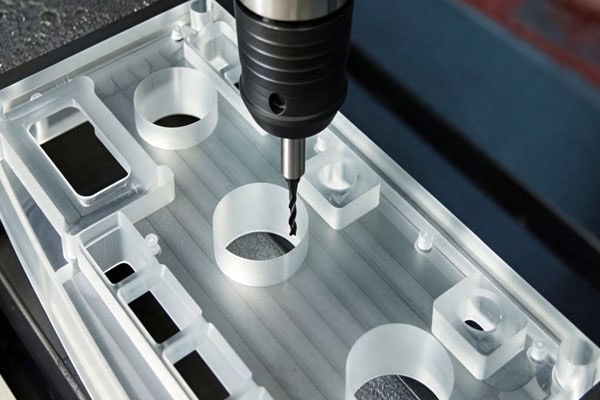
Chemical equipment represents one of the more important application areas for rigid PVC CNC machining. PVC-U’s good resistance to acids, alkalis, and salt corrosion makes it suitable for certain equipment components that come into contact with corrosive media.
Common products include:
- PVC flanges, blind flanges, and connection plates
- Valve bodies and auxiliary components
- Pump housings and pump body fittings
- Seal grooves and mounting base plates
- Non-load-bearing components in agitation equipment
- Non-standard connectors in chemical piping
Water treatment equipment also frequently uses PVC machined parts. Internal divider plates in filtration equipment, multi-port valve assemblies, chemical dosing unit mounting plates, and equipment support brackets may all be fabricated from PVC. Compared with certain metals, PVC offers better tolerance in humid and corrosive environments, along with light weight and ease of machining. PVC CNC machining also has clear advantages in non-standard piping modifications. Standard elbows, tees, and reducing connectors can usually be sourced off the shelf, but when equipment requires special dimensions, angles, or connection structures, fabricating new molds is uneconomical. For non-standard parts needed only in small quantities, CNC machining directly from PVC sheet or rod stock shortens the manufacturing lead time. It should be emphasized that whether PVC is suitable for a specific fluid-handling application requires verification based on the type of media, pressure, temperature, and service duration, and cannot be determined by material name alone.
Electrical Insulation and Protective Components
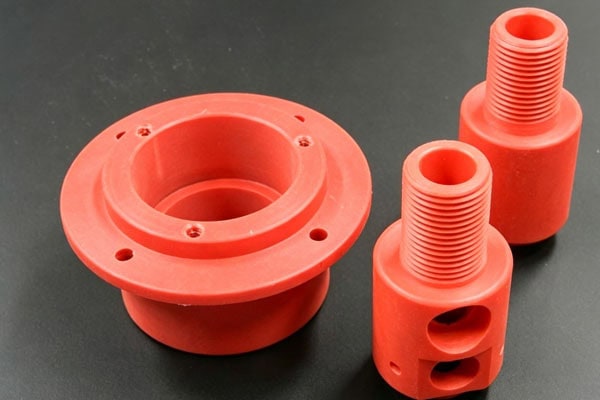
PVC possesses good electrical insulation properties, effectively blocking current conduction at room temperature and low temperatures, and can therefore serve as an insulating and protective material in certain low-temperature, low-load electrical equipment. Since the material itself is non-conductive with stable dielectric properties, PVC is often used for isolation layers, insulating support elements, and external protective enclosures in electrical structures, helping reduce the risk of electrical short circuits and leakage to a certain extent. PVC also offers a degree of moisture and chemical corrosion resistance, enabling it to maintain relatively stable insulation performance in humid or mildly corrosive environments. Consequently, in applications such as internal barrier plates within distribution cabinets, wiring protection assemblies, and electronic equipment enclosures, CNC-machined PVC parts can provide reliable basic insulation protection while also offering favorable machinability and cost advantages.
Common products include:
- Insulating barrier plates for distribution cabinets
- Terminal block bases
- Cable trunking covers
- Electrical mounting plates
- Protective covers for electronic equipment
- Sensor protective housings
- Circuit board shields
For low-volume electrical equipment or R&D prototypes, PVC CNC machining eliminates the need for mold development. Engineers can program directly from 3D models or 2D drawings to machine enclosures, panels, and mounting structures. If the product design changes subsequently, the machining program can simply be modified without incurring the cost of new tooling. However, PVC’s high-temperature resistance is limited. If the product is to be used in an environment with sustained elevated temperatures or must withstand high electrical thermal loads, the material selection should be re-evaluated. For high-temperature insulation requirements, epoxy glass-fiber laminates, high-performance engineering plastics, or ceramic materials are generally more suitable.
Signage, Display, and Exhibition Applications
PVC foam board is one of the more widely used CNC machining materials in the signage and display industry. Its light weight, relatively low cost, and ease of cutting make it suitable for producing large-format panels and three-dimensional structures.
Common products include:
- Corporate logos and three-dimensional lettering
- Retail display signage
- Exhibition backdrops
- In-store display fixtures
- Display stands and decorative structures
- Event venue sculptural panels
- Advertising models and decorative assemblies
PVC foam board offers low machining resistance, allowing CNC equipment to complete cutting, grooving, engraving, and irregular contour machining with high efficiency. For large-scale exhibition projects, the lightweight sheet material also reduces the difficulty of transport and on-site installation. After machining, post-processing such as spray painting, film lamination, and vinyl lettering can be applied as required by the design, giving the product different colors and visual effects. For short-term exhibitions and commercial displays, PVC foam board provides good cost control. However, the surface hardness of PVC foam board is typically lower than that of acrylic and some rigid engineering plastics, and scratches may appear over extended use. If the product requires long-term outdoor display or will be subject to frequent abrasion, additional surface protection measures should be implemented.
How to Choose Between PVC Foam Board and Acrylic
If the product requires light transmission, transparency, or a high-quality surface finish, acrylic is generally more appropriate. If the product is primarily intended for large backdrops, three-dimensional structures, and short-term displays, PVC foam board offers advantages in weight and machining cost. There is no absolute superiority of one material over the other; the actual choice should be determined by the product’s intended use, visual requirements, budget, and service life.
Architectural Decoration and Model Making
The architectural modeling industry makes relatively widespread use of PVC foam board. The material’s light weight, ease of cutting, and compatibility with post-processing methods such as adhesive bonding and spray painting make it suitable for producing model structures of various sizes.
Common PVC-machined products in architectural models include:
- Building exterior wall models
- Roof structures
- Door and window models
- Topographic contour layers
- Interior partition elements
- Presentation sand-table structures
For irregularly shaped structures and small-scale model components, CNC machining can carry out precise cutting according to the design file, ensuring good assembly relationships between different parts. In the architectural decoration sector, rigid PVC can also be used to produce certain non-standard decorative elements, such as trim moldings, wall panel joint strips, and auxiliary door and window decorative pieces. For products required in small quantities with specialized dimensions, CNC machining avoids the need to fabricate dedicated extrusion dies, thereby reducing low-volume manufacturing costs.
Industrial Jigs, Fixtures, and Light-Duty Functional Parts
PVC CNC machining is also suitable for certain industrial jigs, fixtures, and light-duty functional components. Jigs and fixtures often need to be structurally adjusted in response to the product being manufactured, particularly during R&D, low-volume production, and product changeover phases. CNC machining can rapidly produce positioning plates, support plates, and auxiliary tooling.
Common products include:
- Product positioning templates
- Inspection auxiliary fixtures
- Insulating backing plates for welding fixtures
- Spray-painting masking boards
- Assembly auxiliary plates
- Equipment mounting spacer plates
The relatively soft surface of PVC can reduce the risk of scratching the product surface in certain assembly scenarios. For positioning plates used at electronic product assembly stations, where the product housing needs to maintain good appearance quality, PVC may be more suitable as a contact material than some metals. For light-duty functional parts, rigid PVC can also be machined into spacer shims, guide strips, isolation elements, and non-high-load auxiliary components. However, if a part needs to withstand significant sustained friction, impact, or high temperatures, the material selection should be reconsidered. Engineering plastics such as POM, PA, and PEEK may offer better overall performance under those respective operating conditions.
Under what circumstances is PVC not suitable for use?
Although PVC offers advantages such as corrosion resistance, insulation, and ease of machining, its material properties have clear boundaries. The following service environments call for careful material selection.
High-temperature environments: PVC has a limited long-term service temperature and is unsuitable for high-temperature piping, components near engines, high-temperature equipment parts, and products requiring high-temperature sterilization. If the actual service temperature is consistently on the high side, engineering plastics with better heat resistance should be considered.
High-impact-load environments: PVC’s toughness is not outstanding; certain rigid PVC grades may crack when subjected to sudden impact or in the presence of significant notches. Gears, elastic snap-fit clips, and structural parts subjected to repeated impact should not be specified in PVC on cost grounds alone.
Food-contact and potable-water applications: Products requiring food-contact or potable-water certification must use materials that comply with the relevant standards. Standard PVC cannot be used directly in such equipment simply because the material name is the same; the specific material grade, certifications, and supplier compliance documentation should be confirmed.
High-frequency-contact and appearance-critical products: PVC’s surface hardness is relatively limited. If a panel or enclosure will be subject to frequent long-term contact and requires high scratch resistance, materials such as acrylic or PC may be considered, or a surface hardening treatment may be applied.
Frequently Asked Questions
Does PVC CNC machining release harmful gases?
Under normal cutting conditions, as long as the temperature in the machining zone is effectively controlled, significant thermal decomposition problems generally do not arise. The key factors to guard against are severe tool wear, high-speed low-feed rubbing, poor chip evacuation, and sustained heat buildup in the cutting zone. If an unusually pungent odor, smoke, or pronounced material discoloration occurs during machining, stop the operation immediately and check the tool sharpness, spindle speed, feed rate, and chip evacuation conditions. Good ventilation should also be maintained in the production area.
How to choose between PVC and acrylic for CNC-machined display signs?
If the product emphasizes transparency, light transmission, and a high-quality surface finish, acrylic is generally more suitable. If the product is primarily a large backdrop, three-dimensional structure, or short-term display, PVC foam board offers light weight, fast machining, and lower cost. For corporate logo signs, product nameplates, and other items intended for long-term use, rigid PVC can also be employed, with painting or film lamination to improve the appearance. The final choice should take into account the product design and intended service life.
What surface finish can be achieved on CNC-machined PVC parts?
After CNC machining, rigid PVC can achieve a relatively smooth machined surface finish suitable for structural and functional parts. If higher appearance quality is required, post-processing methods such as spray painting and film lamination can be applied. PVC foam board typically presents a matte surface and can be used directly for certain display products after machining. For structures requiring assembly, both types of PVC can be bonded using the appropriate adhesive process matched to the specific material grade and adhesive type; however, compatibility between the adhesive and the material should be confirmed before actual use.
Conclusion
The range of products that can be produced through PVC CNC machining is not limited to traditional pipes and sheet goods. Corrosion-resistant flanges in chemical equipment, connection assemblies in water treatment equipment, insulating barrier plates in distribution cabinets, protective components in electronic devices, three-dimensional lettering at exhibitions, structural elements in architectural models, and light-duty fixtures in industrial production can all be realized through PVC CNC machining based on specific requirements. Rigid PVC is better suited for functional and corrosion-resistant parts, while PVC foam board is more appropriate for signage, display, and model making. Only when material properties are aligned with actual operating conditions can the flexibility of CNC machining and the cost advantages of PVC materials be fully realized. For products involving special temperature, pressure, impact, or chemical media requirements, the specific PVC grade and processing parameters should be further verified before finalizing the manufacturing plan.