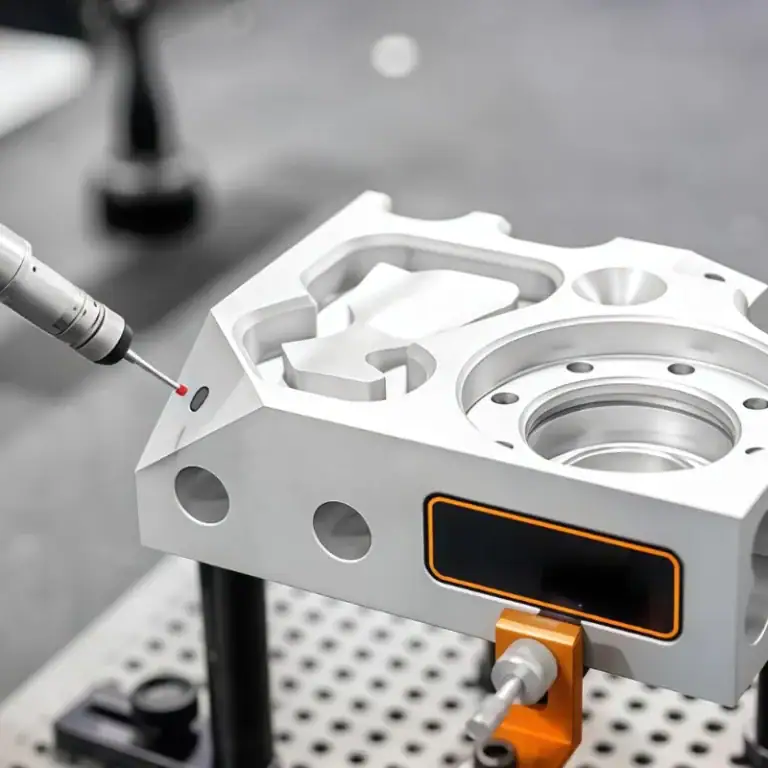
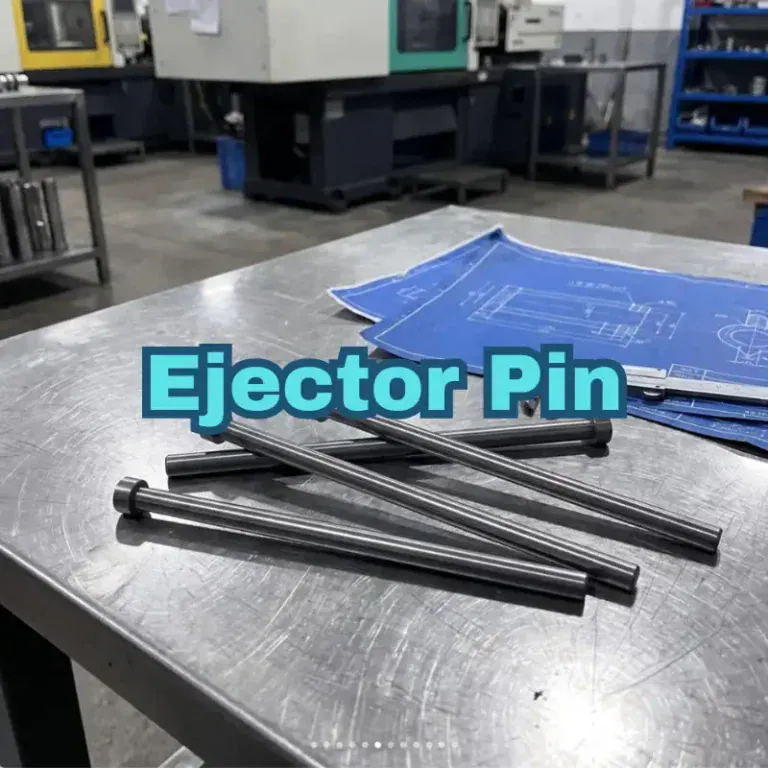
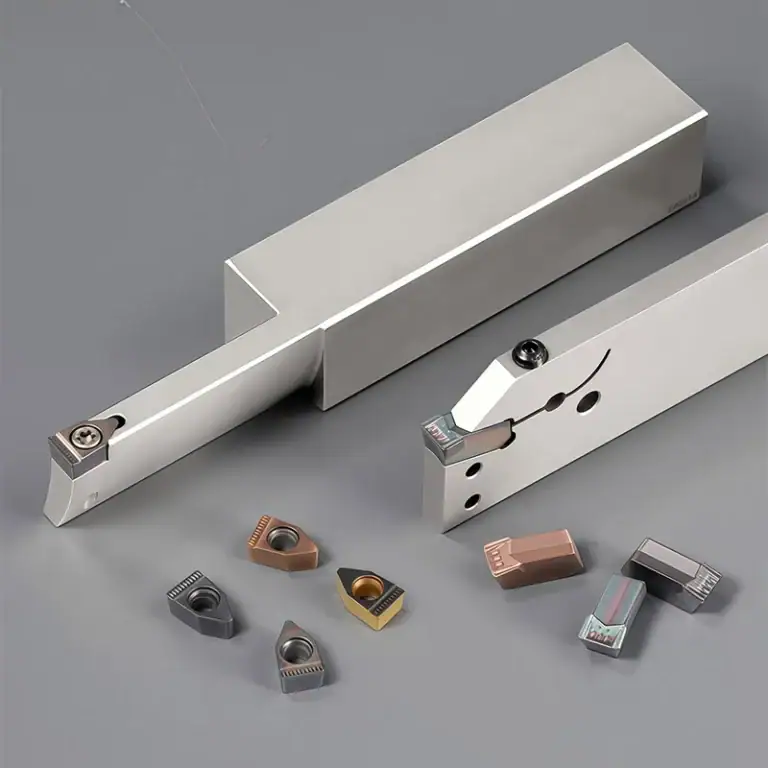
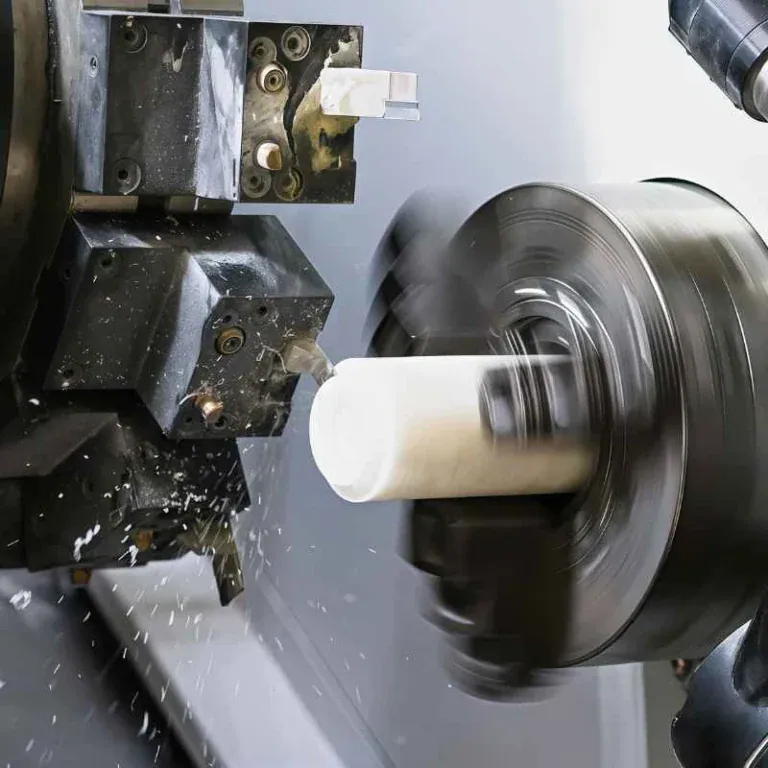
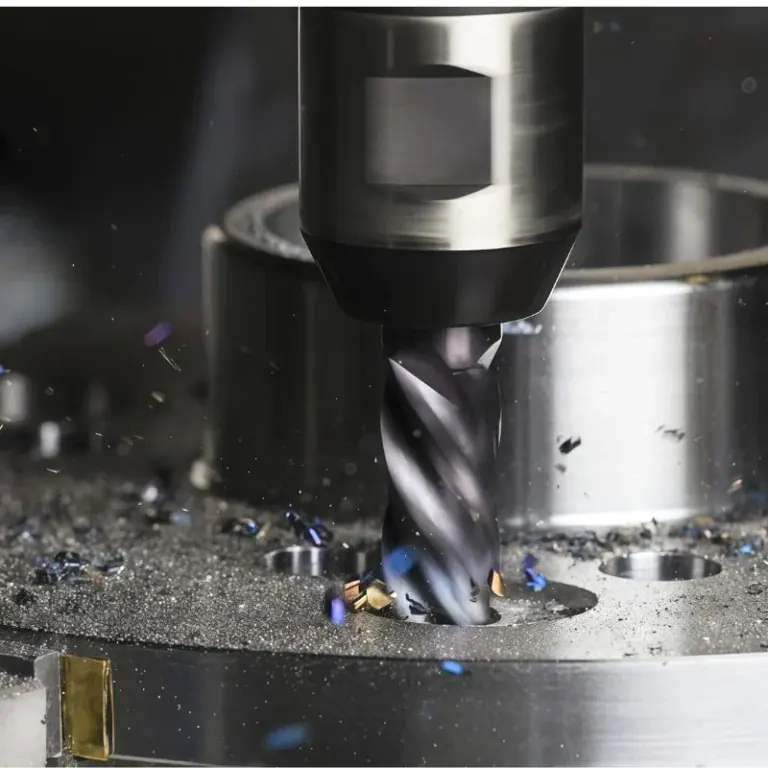
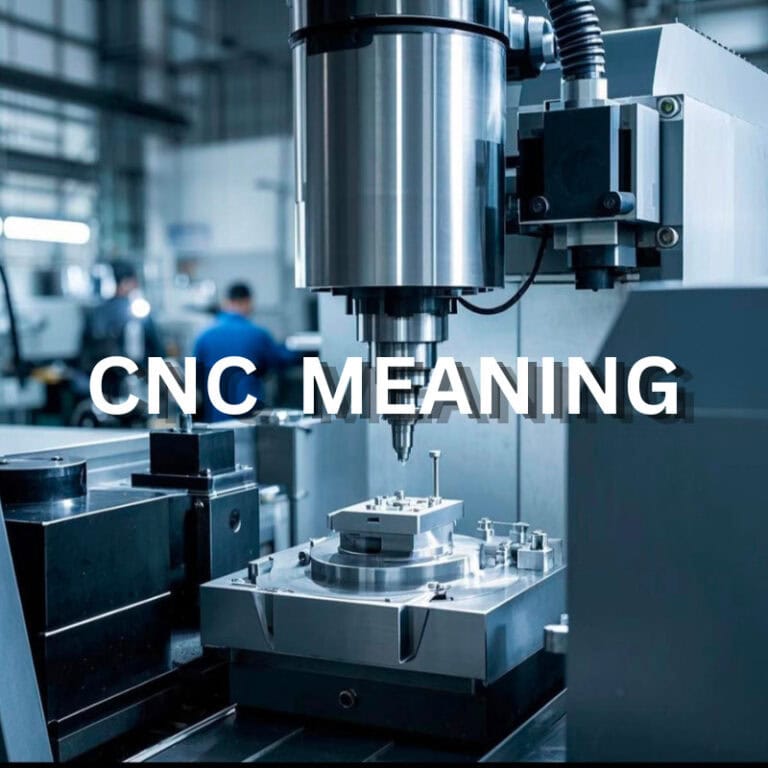
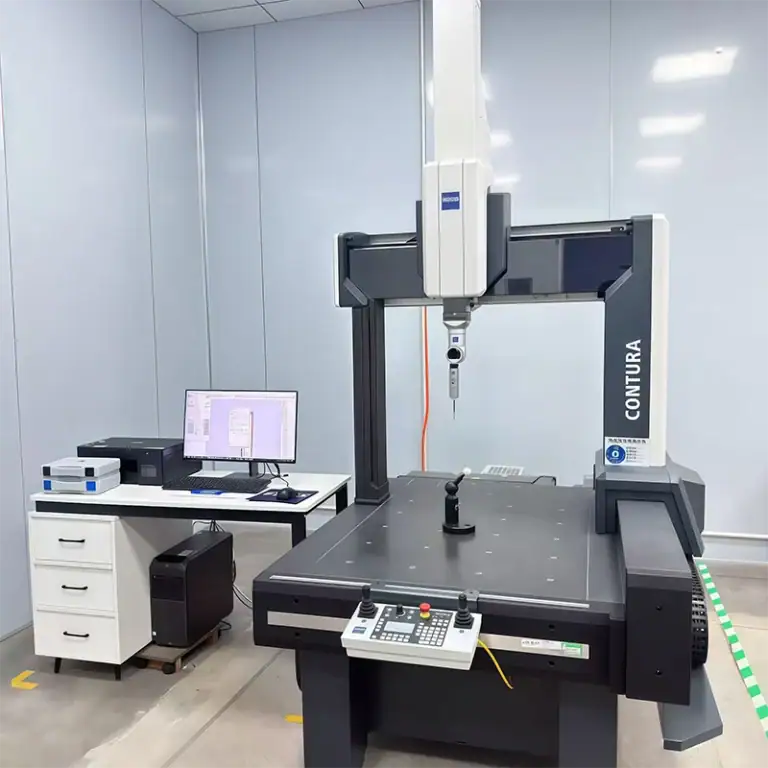
After industrial equipment has been used for several years, many companies face a similar situation: the equipment can still operate, but its production efficiency and processing capabilities can no longer meet current requirements. Replacing the entire machine is often too costly, while upgrading key components is usually a more practical solution. In many cases, the factors limiting equipment performance are not large structures, but the internal components that work continuously over time. From transmission parts and positioning structures to customized non-standard components, the manufacturing quality of these parts directly affects equipment performance. Through precision machining and component optimization, industrial equipment can achieve better performance while extending its service life.
Which Parts Need to Be Optimized During Industrial Equipment Upgrades?
Industrial equipment upgrades are not simply about replacing parts. The key is identifying the components that truly affect equipment operation. Some problems come from long-term wear, while others are caused by new production requirements that existing equipment cannot meet. Therefore, during upgrades, important components need to be redesigned or optimized according to actual equipment conditions.
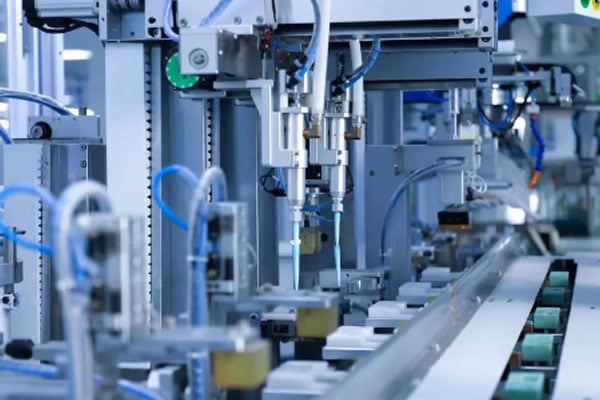
Transmission Components Affect Equipment Operating Efficiency
Industrial equipment relies on many transmission components to complete continuous operations, including shafts, gears, and sliding components. These parts are exposed to friction and loads over long periods, and insufficient machining quality can affect overall equipment performance.
- Shaft components require accurate fitting to prevent abnormal operation.
- Gear structures require proper machining to ensure smoother equipment movement.
- Guide rails and moving components require controlled machining quality to reduce problems during operation.
Although transmission components may appear ordinary, they perform essential tasks inside industrial equipment. By optimizing these parts through precision machining, equipment can maintain better operating conditions after upgrades.
Non-Standard Structural Parts Solve Equipment Modification Challenges
When upgrading older equipment, many companies find that existing components no longer meet new production requirements, or some original parts are no longer available. In these situations, redesigning and manufacturing non-standard structural parts becomes a common solution.
- Customized machining based on actual equipment dimensions.
- Adjusting component structures to meet new production needs.
- Solving installation and modification limitations of older equipment.
- Reducing the cost pressure of replacing the entire machine.
The biggest advantage of non-standard components is their flexibility. They are not simply copies of original parts but are optimized according to current equipment conditions, allowing existing machines to gain new capabilities.
Small Precision Components Also Affect Equipment Performance
During equipment upgrades, some small components are often overlooked, but they can still influence overall operation.
- Positioning components affect equipment movement accuracy.
- Connection components influence overall assembly performance.
- Fixing components affect structural stability.
Improving equipment performance does not only depend on large parts. Optimizing smaller details can also bring noticeable improvements.
What Are the Challenges of Machining Industrial Equipment Upgrade Components?
Component manufacturing for industrial equipment upgrades is more complicated than ordinary machining. Many parts need to be adjusted based on existing equipment structures while meeting new functional requirements and ensuring proper installation. Therefore, machining processes need to consider materials, structures, and actual operating environments.
Remanufacturing Parts for Older Equipment Is More Difficult
Many industrial machines have been used for a long time, and original drawings may be incomplete or replacement parts may no longer be available. When remanufacturing these components, detailed analysis based on the existing equipment is required.
- Accurately reproducing component dimensions and structures.
- Considering changes caused by long-term equipment operation.
- Adjusting machining solutions according to actual installation conditions.
This type of machining is not simple duplication. Manufacturers need to understand the role of the component inside the equipment in order to produce parts that truly work.
Different Materials Increase Machining Complexity
Industrial equipment components use various materials depending on application requirements, including aluminum alloys, stainless steel, copper alloys, and engineering plastics.
- Aluminum alloys are suitable for lightweight structural requirements.
- Stainless steel is suitable for components requiring strength and corrosion resistance.
- Copper alloys are used for certain specialized functional parts.
- Engineering plastics are suitable for insulation or special operating environments.
Different materials behave differently during machining, so processes must be adjusted according to material characteristics to ensure the final components perform properly.
Complex Structures Require Proper Machining Planning
As industrial equipment becomes more advanced, component designs are becoming more complicated, including irregular structures, multiple holes, and precision installation areas.
- Machining paths need to be planned in advance.
- Tools and equipment must be properly selected.
- Critical areas require special attention.
A well-planned machining process can reduce manufacturing issues and help equipment upgrade projects move forward more smoothly.
How Does Precision Machining Support Industrial Equipment Upgrades?
The main goal of industrial equipment upgrades is to make machines better suited for new production requirements. Precision machining is not simply about producing components; it focuses on creating parts that better match equipment needs through more suitable manufacturing methods, helping companies maximize equipment value.
Supporting Customized Equipment Modifications
Different companies use industrial equipment in different ways, and standard components often cannot fully meet actual requirements.
- Adjusting component designs according to equipment conditions.
- Manufacturing customized parts that meet site requirements.
- Solving special challenges during equipment modifications.
Precision machining provides more flexible manufacturing options, giving companies greater freedom during equipment upgrades.
Improving Equipment Performance After Upgrades
After component upgrades, equipment needs not only to fit correctly but also to meet actual production requirements.
- Improving the relationship between component fits.
- Enhancing smooth equipment operation.
- Reducing later adjustment work.
High-quality components help equipment perform better and allow companies to gain greater value from upgrade investments.
Accelerating Equipment Upgrade Projects
Many companies want to restore production quickly during equipment modifications, making machining efficiency very important.
- Quickly producing prototype components.
- Supporting design testing and adjustments.
- Meeting future batch production requirements.
Flexible precision machining capabilities can shorten upgrade cycles and improve project progress.
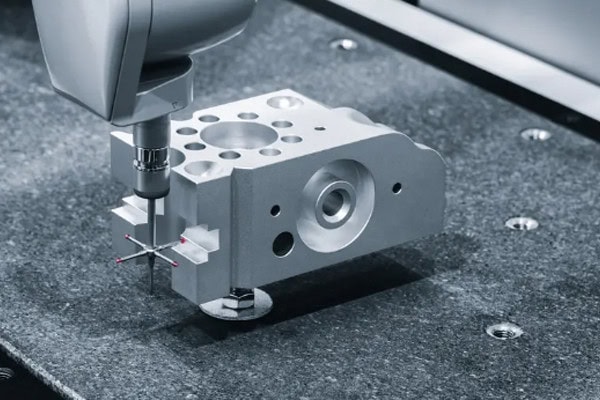
How Can Industrial Equipment Component Upgrades Improve Production Value?
The ultimate goal of equipment upgrades is to achieve better production results. Compared with replacing old equipment completely, optimizing key components allows existing machines to continue providing value while reducing additional investment pressure. A reasonable component upgrade plan can solve current problems and help equipment adapt to future production changes.
Extending Equipment Service Life
Industrial equipment usually represents a significant investment, and upgrading is often more economical than full replacement.
- Reducing the cost of replacing entire machines.
- Improving equipment asset utilization.
- Extending the useful operating period of equipment.
By optimizing key components, companies can maintain the value of their equipment for a longer time.
Meeting Changing Production Process Requirements
As products and manufacturing requirements change, existing equipment may need adjustments.
- Optimizing component structures for new processes.
- Supporting equipment function upgrades.
- Expanding equipment application possibilities.
Precision machining helps companies modify equipment according to actual needs and improve production flexibility.
Reducing Long-Term Maintenance Pressure
During long-term operation, component quality directly affects maintenance costs.
- Reducing frequent component replacement.
- Lowering the impact of equipment downtime.
- Improving production continuity.
Through high-quality component manufacturing, companies can reduce future maintenance pressure and improve overall production efficiency.
Industrial equipment upgrades rely on the support of critical components. Whether they are transmission parts, structural components, or customized non-standard parts, each requires manufacturing solutions based on actual equipment conditions. Through precision machining technology, companies can optimize equipment performance and increase equipment value. Tirapid specializes in precision machining services, providing customized industrial equipment component machining solutions to help companies achieve efficient and reliable equipment upgrades.