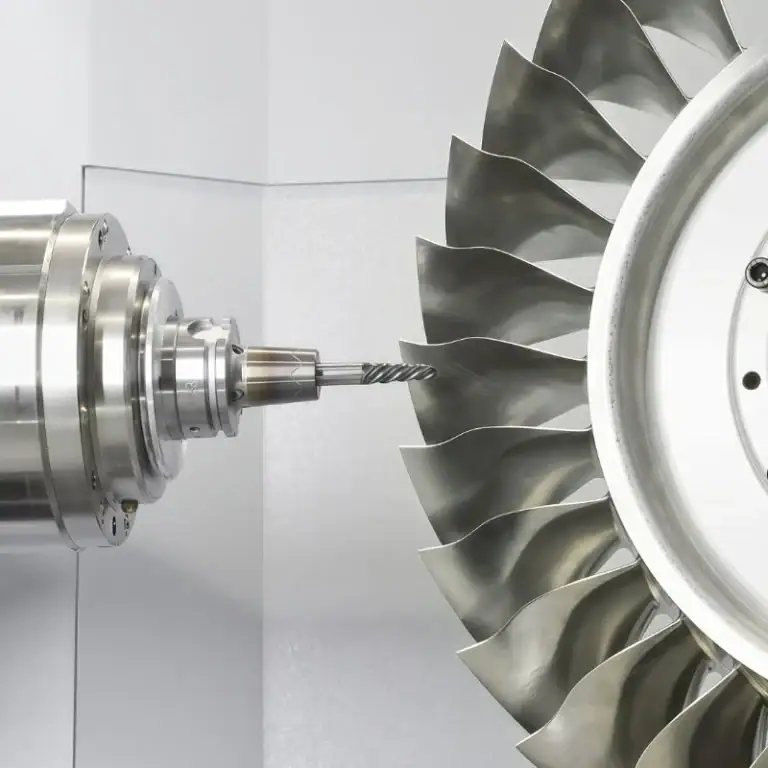
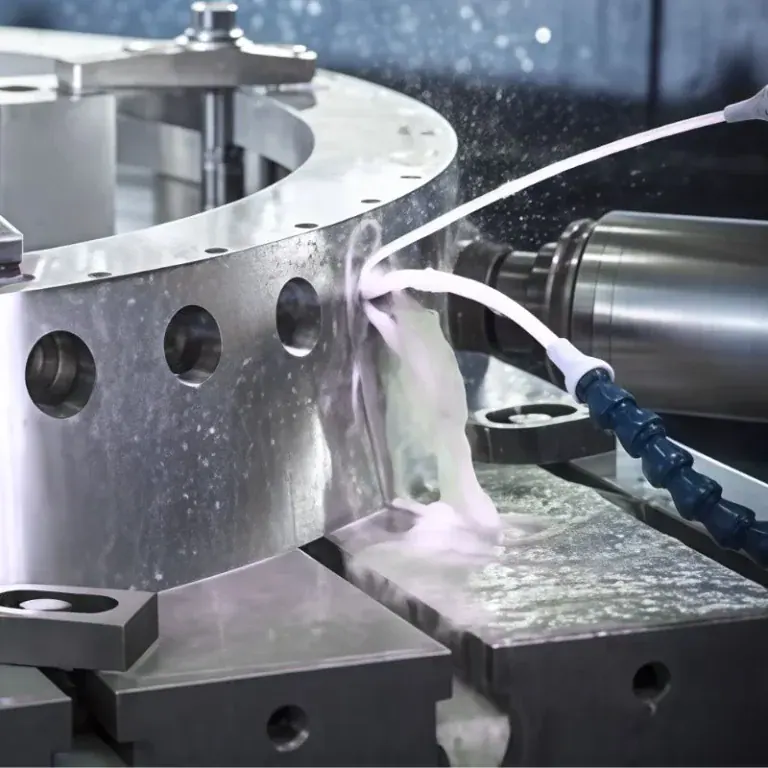
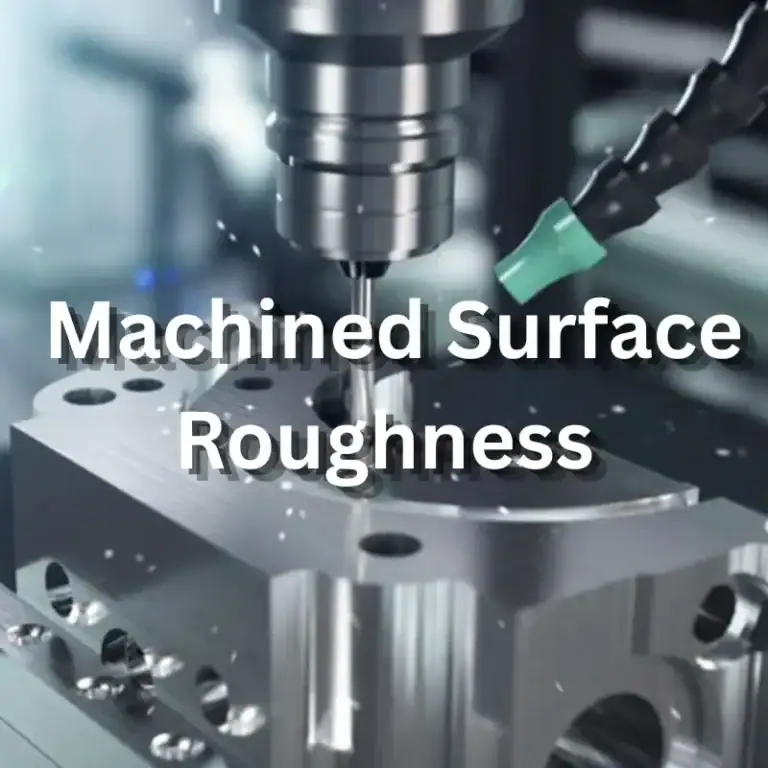
Wafer manufacturing equipment requires a high level of operational stability. Even a small dimensional error in a single component can affect wafer transfer, positioning, or processing. Vacuum chambers, precision brackets, wafer holding components, and equipment connectors may look like ordinary metal parts, but they often require strict dimensional tolerances, surface quality, and assembly accuracy. As semiconductor equipment becomes more complex, traditional machining methods can struggle to balance precision and production efficiency. CNC machining offers better control over complex structures and critical dimensions, helping equipment components achieve consistent and reliable assembly.
Which Precision Components in Wafer Manufacturing Equipment Require CNC Machining?
Wafer manufacturing equipment includes systems for transfer, positioning, vacuum control, and process handling. Components used in different systems have different structural and performance requirements. Some need stable geometric dimensions, while others must withstand cleanroom conditions or specific process environments. CNC machining can produce complex holes, precision grooves, and irregular contours, making it suitable for a wide range of semiconductor equipment components.

What CNC Machined Parts Are Commonly Used in Wafer Manufacturing Equipment?
Components inside semiconductor equipment often need to work together with high accuracy. Meeting the dimensions of an individual part is not enough; its mounting position and connection points must also match the overall assembly. Common CNC machined components include:
- Vacuum chamber components: Sealing surfaces, connection holes, and internal structures require high precision. Dimensional deviations may affect vacuum sealing performance.
- Wafer holding and positioning components: Contact positions and geometric accuracy must be controlled to reduce wafer movement during transfer.
- Equipment brackets and mounting bases: Hole spacing, flatness, and mounting dimensions need to remain consistent to prevent assembly interference.
- Precision connectors: CNC turning, milling, and drilling help maintain accurate connection positions.
Each component has its own machining challenges. Before production, it is important to consider the part’s function, assembly requirements, and operating environment before selecting a suitable machining process.
What Materials Are Commonly Used for Precision Semiconductor Equipment Machining?
Material selection directly affects machining difficulty, corrosion resistance, and component performance. Wafer manufacturing equipment has demanding cleanliness and stability requirements. Common materials include aluminum alloys, stainless steel, and selected engineering metals. Aluminum alloys are lightweight and suitable for equipment structures and support components. Stainless steel offers good strength and corrosion resistance, making it useful for parts exposed to mechanical loads or specific operating conditions. The final material choice should also account for contact media, temperature changes, surface treatments, and equipment requirements.
| Machining Material | Main Characteristics | Common Applications |
| Aluminum alloy | Lightweight and relatively easy to machine | Equipment brackets and chamber structures |
| Stainless steel | High strength and corrosion resistance | Connectors and mounting components |
| Engineering metals | A wide range of performance options | Specialized structural and functional parts |
Why Is Surface Quality Important for Wafer Manufacturing Equipment Components?
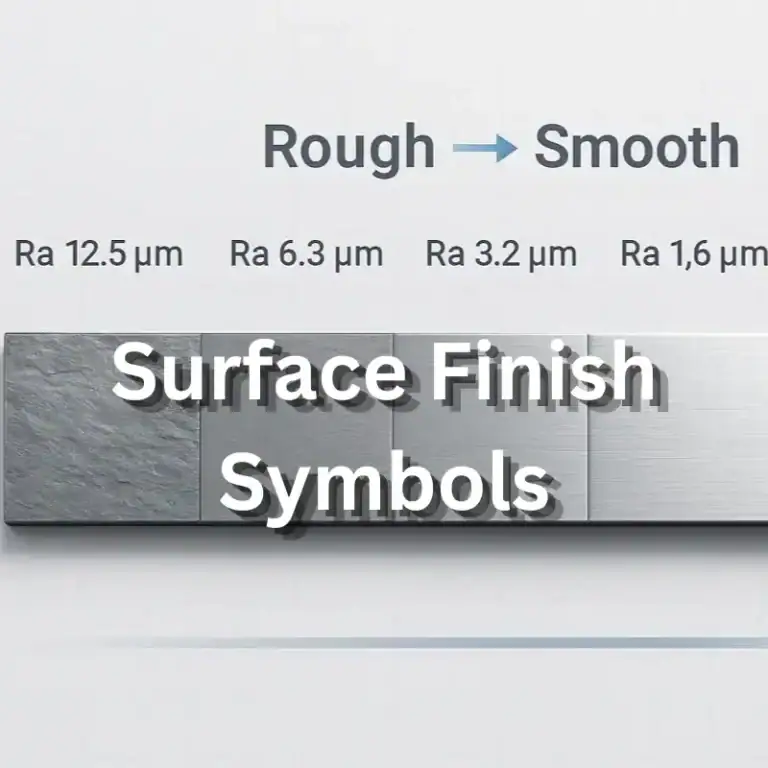
A smoother surface is not always better. The required finish depends on where the component is used. Vacuum sealing surfaces need controlled surface roughness, while connecting and sliding areas require suitable friction and fit characteristics. Some components may also need anodizing, passivation, or other surface treatments. Defining these requirements before machining helps prevent conflicts between the final dimensions and subsequent finishing processes.
How to Choose CNC Machining Processes for Precision Semiconductor Equipment Parts?
Wafer manufacturing equipment components often contain deep holes, thin walls, complex curved surfaces, and multiple mounting holes. Poor process planning can easily lead to machining deformation or hole position errors. Production should not focus on cutting speed alone. Material properties, workholding methods, and finishing operations also need careful consideration. A well-planned process helps maintain quality while keeping production time under control.
Which CNC Machining Methods Are Suitable for Wafer Equipment Components?
Different component structures require different machining methods. Flat surfaces and complex contours are generally produced through CNC milling, while shafts and cylindrical parts are more suitable for turning. Precision holes may require drilling and boring operations. For components with complex structures, multi-axis machining can reduce repeated setups and improve dimensional consistency between different features.
| CNC Machining Process | Suitable Part Structures | Main Purpose |
| CNC milling | Flat surfaces, grooves, irregular contours | Producing complex shapes |
| CNC turning | Shafts, sleeves, cylindrical parts | Controlling outer diameter and concentricity |
| CNC drilling and boring | Mounting holes, precision holes, connection holes | Controlling hole diameter and position |
| Multi-axis CNC machining | Complex structures with multiple angled features | Reducing errors caused by repeated setups |
How Can CNC Machining Reduce Dimensional Errors in Semiconductor Components?
Tool wear, cutting heat, and workholding pressure can all affect the final dimensions of precision components. Thin-wall aluminum parts and complex chamber structures are particularly vulnerable to slight deformation when machining forces are uneven. To achieve more consistent results, several production controls are worth considering:
- Plan the machining sequence: Complete the main structures before finishing critical dimensions to avoid damaging precision features too early.
- Control cutting parameters: Adjust feed rates and cutting depths according to material hardness and part geometry.
- Optimize workholding: Distribute clamping forces evenly to reduce the risk of thin-wall deformation.
- Monitor tool condition: Replace worn tools promptly to prevent gradual dimensional deviations.
For components with tight tolerances, a suitable stabilization process can be arranged after rough machining, followed by finishing and dimensional reinspection. Although this adds some production steps, it can reduce rework later.
What Should Be Inspected After Machining Precision Semiconductor Components?
Checking external dimensions with calipers alone is not enough. Wafer equipment components often have multiple mating features that require inspection. Key measurements may include hole diameter, hole spacing, flatness, perpendicularity, and concentricity. For vacuum chambers and sealing components, the condition of sealing surfaces also needs attention. For mounting brackets, hole positions and assembly dimensions must be verified. Defining inspection standards in advance helps prevent parts from passing machining only to be found unsuitable for installation.
How to Ensure Quality and Control Costs in Wafer Manufacturing Equipment Machining?
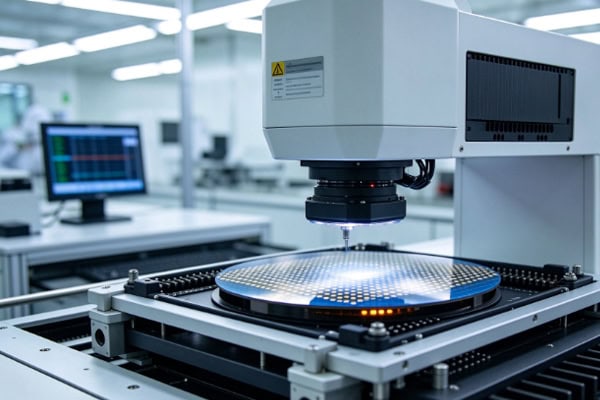
Semiconductor equipment components often come in various specifications, with fluctuating order quantities and demanding precision requirements. Machining costs are not determined by part size alone. Material prices, structural complexity, tolerance requirements, and inspection procedures all affect the final quotation. Equipment manufacturers need components that meet drawing specifications while maintaining reliable lead times and consistent quality across production batches.
What Factors Affect CNC Machining Costs for Wafer Manufacturing Equipment?
Parts with deep cavities, irregular curved surfaces, or complex hole patterns usually require more machining operations. Tight dimensional tolerances and surface roughness requirements may also increase finishing and inspection time. Material type, order quantity, and additional surface treatments can further affect the total cost. Providing complete drawings and technical specifications when requesting a quote helps reduce repeated clarification and makes it easier to determine a suitable machining plan and cost.
How to Inspect the Machining Quality of Semiconductor Equipment Components?
Quality inspection should match the actual function of each component. Not every part needs exactly the same inspection standards. Common inspection items include:
- Dimensional accuracy: Measure key dimensions such as length, thickness, hole diameter, and hole spacing.
- Geometric tolerances: Check flatness, perpendicularity, concentricity, and positional relationships.
- Surface condition: Inspect for burrs, scratches, machining marks, and surface treatment defects.
- Assembly compatibility: Verify connection positions and mating dimensions to reduce the risk of installation interference.
For components with special cleanliness or vacuum requirements, cleaning, packaging, and relevant inspection standards should also be defined in advance. This helps ensure that machined parts meet actual equipment requirements, not just dimensional specifications.
What Information Is Needed for Custom Wafer Manufacturing Equipment Components?
When requesting a quotation, prepare 2D engineering drawings or 3D models with clearly marked material grades, critical dimensions, tolerance ranges, surface roughness, and finishing requirements. If a component needs to fit into existing equipment, provide the relevant dimensions of its mating parts as well. Complete drawing information makes it easier to select machining equipment, cutting tools, and inspection methods while reducing delays and extra costs caused by design changes during production.
Precision components play an important role in the stability of wafer manufacturing equipment. A single hole position, sealing surface, or mounting dimension can affect overall equipment performance. The right CNC machining process helps maintain dimensional consistency, reduce rework, and ensure complex parts are ready for assembly. TIRAPID provides custom CNC machining services for semiconductor equipment components based on engineering drawings and technical requirements. Contact the team to discuss machining needs and request a quotation.