Communication antennas are essential components of wireless communication systems. They are widely used in 5G base stations, microwave communication, satellite communication, indoor distribution systems, and wireless network equipment. Stable antenna performance depends not only on the design of radiating elements and feed structures but also on the precision of their mechanical components.
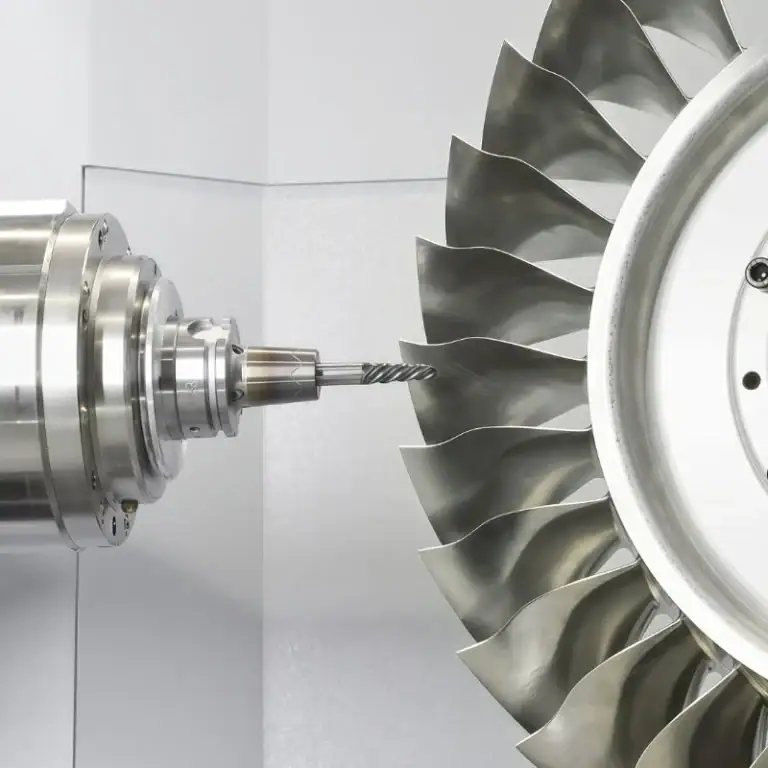
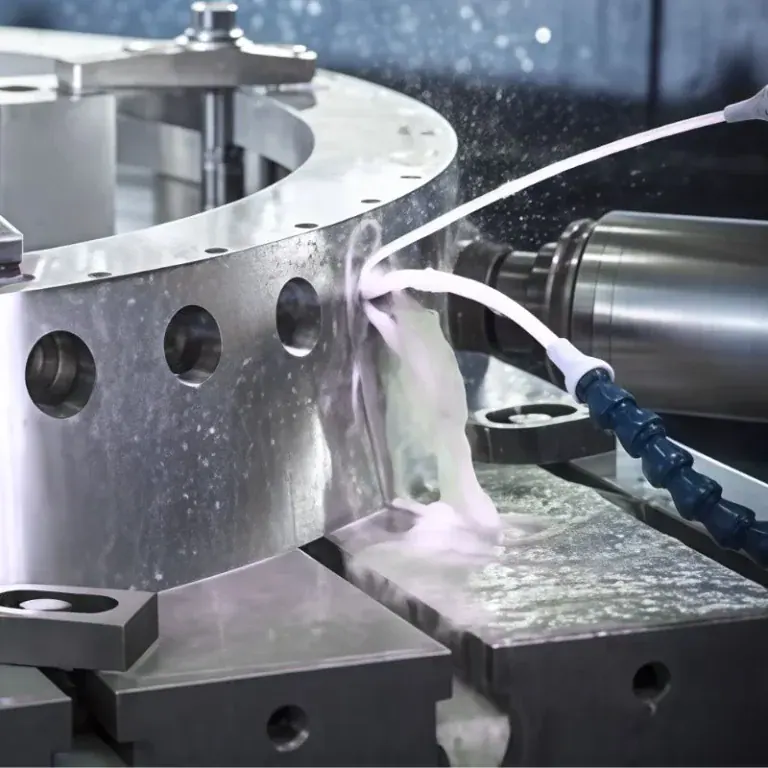
Common antenna parts include RF connectors, antenna element brackets, feed components, reflector mounting parts, antenna housings, and mounting bases. These components must meet strict requirements for dimensional accuracy, structural strength, and environmental durability. CNC machining provides customized manufacturing support through milling, turning, drilling, tapping, precision boring, and other machining processes.
Key Advantages of CNC Machining for Communication Antenna Parts
Communication antenna components often feature precision mounting holes, connection interfaces, thin-wall structures, and complex profiles. Dimensional deviations may affect assembly positions, structural stability, and the design performance of RF systems. CNC machining uses programmed tool movements to manufacture complex structures according to engineering drawings. It also supports different metal materials and production quantities.
Precision Machining Improves Antenna Assembly Accuracy
Antenna element brackets, feed connectors, and RF interfaces must fit accurately with other structural components. Mounting hole positions, surface flatness, bore diameters, and component concentricity all affect assembly quality. Incorrect interface dimensions may cause installation misalignment, unstable connections, or difficulties during equipment adjustment.
CNC machining controls hole positions, external dimensions, and mating structures according to engineering drawings. For antenna mounting bases with multiple holes, appropriate machining references and operation sequences help maintain accurate hole spacing. Precision turning can control the external diameter, internal bore, and end-face dimensions of cylindrical RF connectors.
Measuring critical dimensions after machining helps improve assembly consistency and reduces the risk of fitting problems.
Complex Structural Machining Supports Different Antenna Designs
Different communication applications require different antenna structures. Base station antennas may use elongated mounting brackets and multiple fixing holes. Microwave antennas often contain precision connection interfaces and feed structures, while satellite communication antennas may require support components with specific curved surfaces and mounting angles. Standard components cannot always meet these design requirements.
CNC machining can manufacture irregular brackets, connection flanges, locating blocks, and customized housings according to 2D engineering drawings and 3D models. During prototype development, CNC programs can be adjusted to modify hole positions, slots, and profiles. For repeat orders, validated machining programs and fixtures help maintain dimensional consistency.
This manufacturing method is suitable for antenna development, equipment upgrades, and customized non-standard components.
Material Selection and Surface Treatment Meet Communication Equipment Requirements
Communication antenna components may be installed at outdoor base stations, rooftop platforms, communication towers, and industrial sites. They may be exposed to temperature changes, moisture, wind loads, and environmental corrosion over extended periods. Material selection should account for component function, weight, structural strength, and installation conditions.
- Aluminum alloy: Suitable for antenna housings, mounting bases, reflector brackets, and lightweight connectors. It offers relatively low weight and good machinability.
- Stainless steel: Suitable for fastening connectors, outdoor mounting parts, and mechanical structures requiring higher corrosion resistance.
- Copper and copper alloys: Can be used for certain RF connectors, conductive structures, and feed components. The material grade should meet electrical and mechanical requirements.
- Engineering plastics: Suitable for selected insulating supports, protective structures, and auxiliary non-load-bearing components. Material selection should consider temperature, insulation, and environmental requirements.
After selecting the material, manufacturers should consider anodizing, passivation, electroplating, or other suitable surface treatments. For RF contact surfaces and conductive interfaces, the finishing process must meet the specified electrical contact requirements without affecting dimensional fit.
CNC Machining Methods and Applications for Communication Antenna Parts
Communication antennas contain mechanical support structures, RF connection structures, and mounting components. Each type of part has different machining requirements. Manufacturing processes should be selected according to component geometry, material properties, installation requirements, and accuracy standards. Properly arranged milling, turning, drilling, and finishing operations support customized production for different communication antenna systems.

CNC Machining Workflow for Communication Antenna Parts
A standardized machining workflow helps reduce dimensional deviations, assembly interference, and surface defects. Before production, components with precision interfaces, multiple holes, and complex profiles should be reviewed to confirm drawing requirements and critical inspection locations.
- Drawing and technical requirement review: Check dimensions, tolerances, hole positions, thread specifications, material grades, and surface treatment requirements. Confirm assembly references and critical mating features.
- Material and blank preparation: Select suitable materials according to component geometry, load requirements, and operating conditions. Confirm blank dimensions and machining allowances.
- Machining program and fixture design: Plan tool paths, clamping methods, and machining sequences to reduce dimensional errors caused by repeated positioning.
- CNC cutting operations: Perform milling, turning, drilling, boring, tapping, and profile finishing according to the component structure.
- Deburring and surface treatment: Remove burrs around holes, slots, and edges. Apply anodizing, passivation, or other treatments according to technical requirements.
- Quality inspection and delivery: Measure critical dimensions and inspect surface conditions and interfaces. Complete packaging and delivery after confirming compliance with engineering drawings.
For precision RF connectors, manufacturers should pay particular attention to internal bores, external diameters, end faces, and thread quality. For thin antenna brackets and housings, clamping pressure and cutting deformation must also be controlled to prevent warping after machining.
Machining Applications for RF Connectors and Feed Structures
RF connectors connect antenna feeders, RF modules, and related communication equipment. Feed structures transfer RF signals to antenna radiating elements. These components may contain precision internal bores, threaded interfaces, conductive contact surfaces, and locating shoulders, requiring strict dimensional and surface quality control.
CNC turning is suitable for cylindrical connector housings, adapter sleeves, and precision interface components. It can control external diameters, internal bores, end faces, and thread structures. CNC milling is suitable for non-cylindrical connector components with flats, mounting slots, and fixing holes.
After machining, critical dimensions, contact surface conditions, and connection quality should be inspected according to product specifications. RF performance must also be confirmed through appropriate electrical testing and system validation. Meeting mechanical dimensional requirements alone does not automatically guarantee that RF performance specifications are satisfied.
Machining Applications for Antenna Brackets, Reflector Mounts, and Outdoor Structures
Base station and microwave antennas are commonly installed on towers, walls, or equipment platforms using mounting bases, support brackets, and connection fasteners. These components must withstand equipment weight, installation loads, and environmental forces. Reflector mounting parts must also maintain their specified positions to preserve the intended antenna assembly configuration.
CNC machining can produce antenna mounting bases, adjustable-angle brackets, connection flanges, and reflector fixing components in different sizes. For brackets with elongated slots and multiple hole patterns, manufacturers should control hole relationships and mounting surface dimensions. For load-bearing connectors, material selection and structural thickness should match the design requirements.
Outdoor components should also consider corrosion protection, drainage space, and convenient fastener maintenance.
| Antenna Component Type | Common Materials | Main Machining Processes | Key Quality Requirements | Typical Applications |
| RF connectors | Copper alloys, stainless steel | CNC turning, internal boring, tapping | Interface dimensions, surface quality | RF signal connections |
| Feed components | Copper alloys, aluminum alloys | Turning, milling, drilling | Fit accuracy, electrical contact requirements | Antenna feed structures |
| Antenna element brackets | Aluminum alloys, stainless steel | CNC milling, drilling, tapping | Hole-position accuracy, structural stability | Base station antennas |
| Reflector mounting parts | Aluminum alloys, stainless steel | Milling, drilling, slot machining | Mounting position, connection strength | Directional antennas |
| Antenna mounting bases | Aluminum alloys, alloy steel | Milling, boring, drilling | Flatness, load capacity | Tower and platform installations |
| Antenna protective housings | Aluminum alloys | CNC milling, drilling, finishing | Dimensional fit, structural integrity | Communication equipment protection |
Functional and Performance Control for Communication Antenna Parts
Communication antenna components must provide mechanical connections and structural support while meeting the environmental requirements of long-term equipment operation. Machining accuracy, material condition, surface treatment, and assembly quality all affect component performance. Establishing suitable inspection standards for different parts helps improve product consistency and reduce installation and maintenance problems.
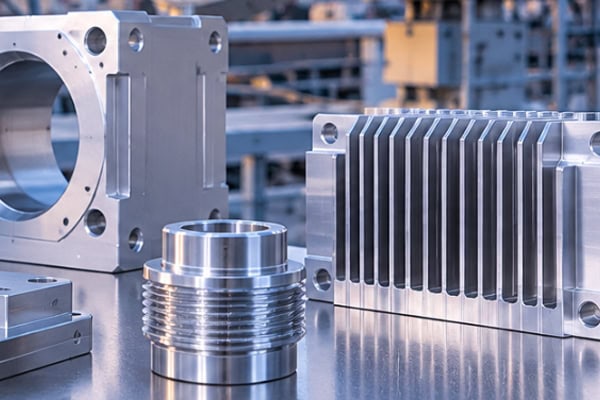
Critical Dimensions, Connection Interfaces, and Machining Quality Inspection
RF connectors, antenna brackets, and mounting bases have different inspection requirements. Connectors require accurate internal and external diameters and thread dimensions. Brackets must maintain correct hole positions and mounting surface accuracy, while housings must meet structural dimensions and assembly requirements.
- After machining, inspection items should be established according to the engineering drawings.
- Dimensional accuracy inspection: Use calipers, micrometers, bore gauges, and dedicated inspection tools to measure critical bore diameters, external diameters, thicknesses, and lengths.
- Geometric accuracy inspection: Check flatness, concentricity, perpendicularity, and hole-position relationships. Coordinate measuring machines may be used when necessary.
- Thread and interface inspection: Use thread gauges and dedicated gauges to verify thread specifications, fit conditions, and connection dimensions.
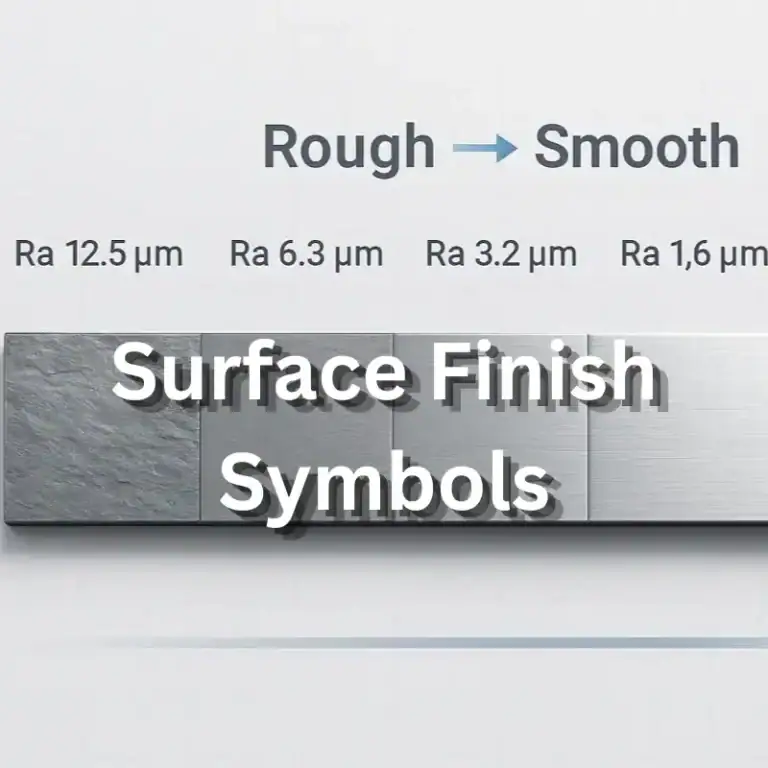
- Surface quality inspection: Check for burrs, scratches, visible tool marks, and surface treatment defects.
- Assembly compatibility verification: Perform trial assembly of critical components to confirm that mounting holes, connection surfaces, and fixing structures fit correctly.
RF components requiring conductive contact should also undergo contact performance and related electrical tests according to product specifications. For batch orders, manufacturers should retain material information, machining program versions, and inspection records to support quality traceability and repeat production.
Outdoor Durability, Structural Stability, and Long-Term Performance
Communication antennas are frequently installed outdoors, where components may experience wind loads, vibration, rain, moisture, and temperature fluctuations over extended periods. Mounting bases and brackets must maintain sufficient structural strength, connectors must retain reliable fastening conditions, and housings must provide the required protection according to equipment design.
Material selection and surface treatment should match the actual operating environment. Aluminum alloy components may receive anodizing or other specified treatments. Stainless steel connectors should use material grades suitable for their installation conditions. When different metals come into direct contact, manufacturers should also consider galvanic corrosion and apply suitable material combinations or isolation measures.
For large antenna brackets and mounting bases, structural thickness, connection positions, and load-bearing areas should be checked to prevent insufficient local stiffness. Precision RF connectors must maintain stable interface dimensions and surface conditions to reduce the impact of repeated installation and removal.
CNC machining solutions for communication antenna parts support customized manufacturing of RF connectors, feed components, antenna brackets, reflector mounting parts, and installation bases. Through appropriate material selection, machining process planning, critical dimensional control, and quality inspection, manufacturers can improve antenna assembly compatibility and mechanical reliability.
Actual machining solutions should be developed according to antenna structure, installation environment, component drawings, accuracy requirements, and order quantities, providing reliable precision parts for base stations, microwave systems, and other wireless communication equipment.