Many machines may look complex, but their actual performance often depends on small internal components. A slight deviation in a hole position or an unstable dimension can affect the assembly and operation of the entire system. Precision part machining is designed to meet these demanding manufacturing requirements by processing metals, plastics, and composite materials into components that meet strict design standards. From simple shaft parts to complex mechanical structures, every component relies on different machining technologies. Depending on the part structure, material, and application requirements, selecting the right process is essential for achieving high accuracy and long-term reliability.
What Basic Processes Are Included in Precision Part Machining?
The core of precision part machining is to use advanced equipment and professional processes to transform raw materials into finished components that meet engineering requirements. During actual production, factors such as part structure, material properties, and operating environment all influence the choice of machining method. Some parts require complex surface machining, while others focus more on dimensional consistency and long-term stability. Common basic machining processes mainly involve cutting technologies, where different equipment combinations are used to complete part manufacturing.
CNC Milling
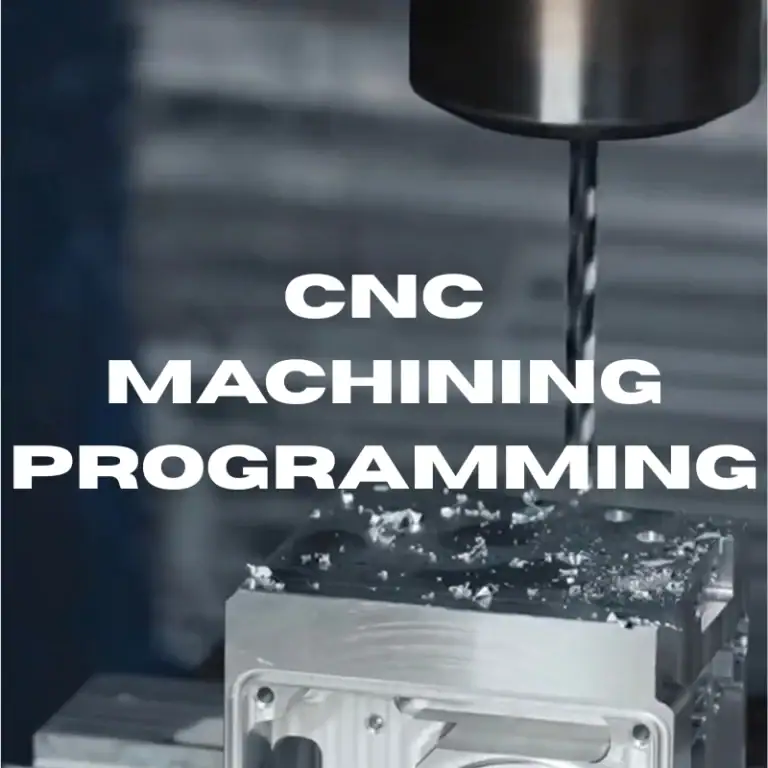
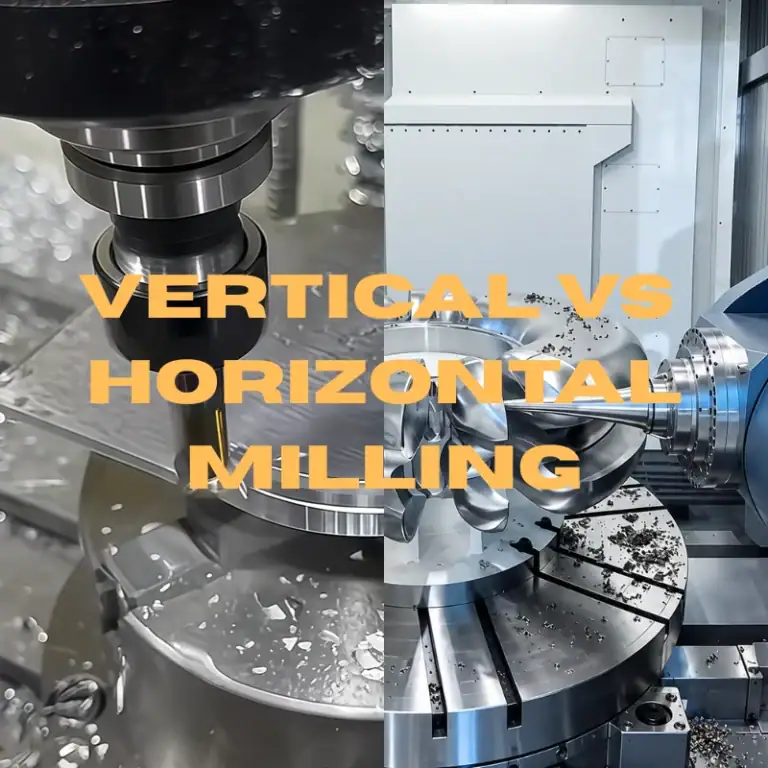
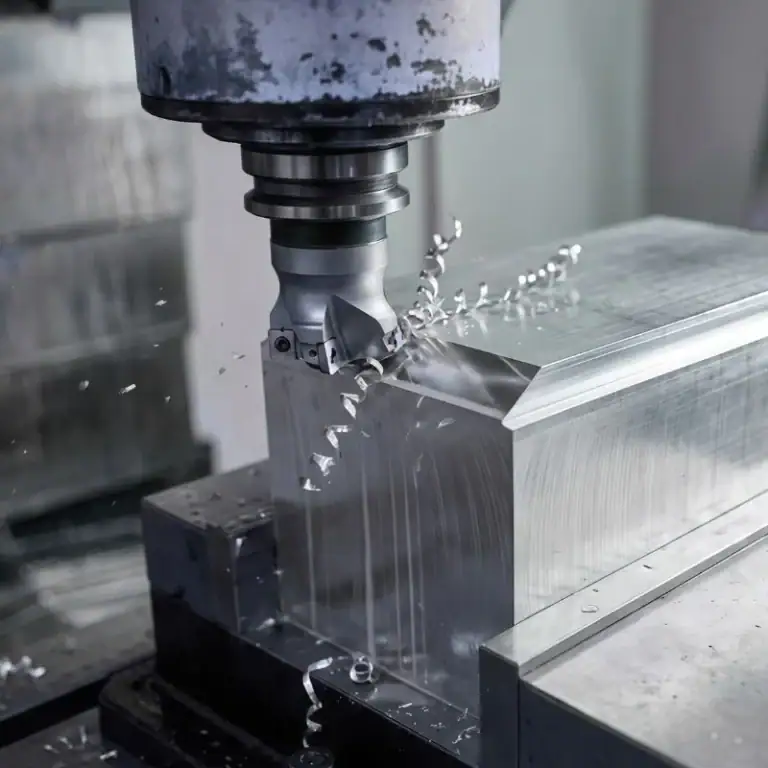
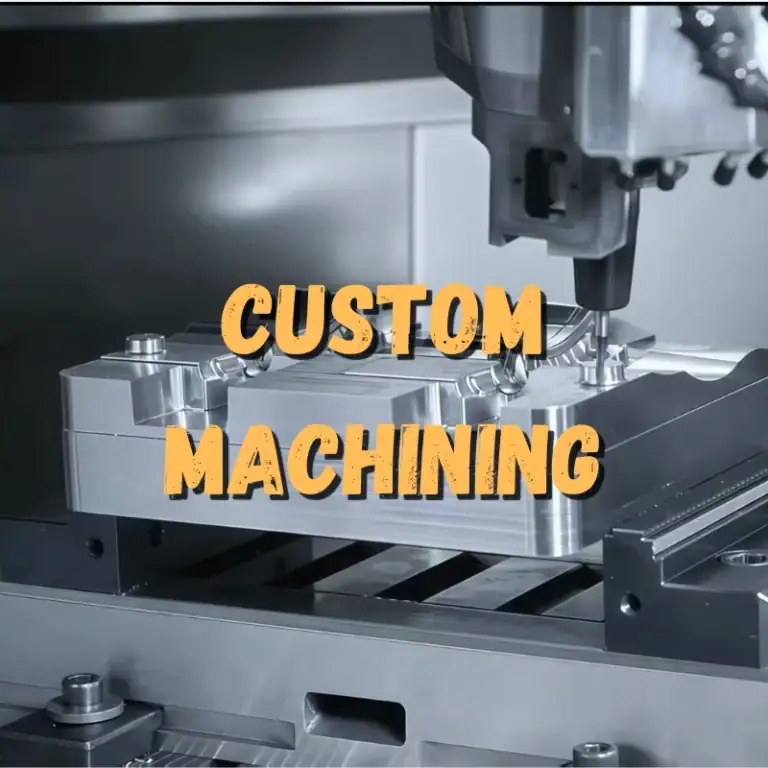
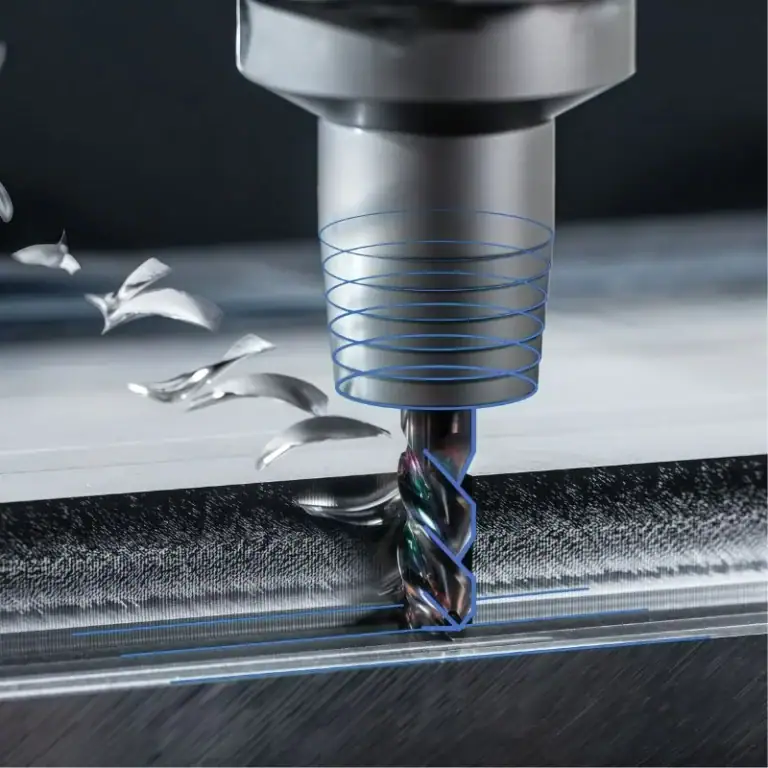
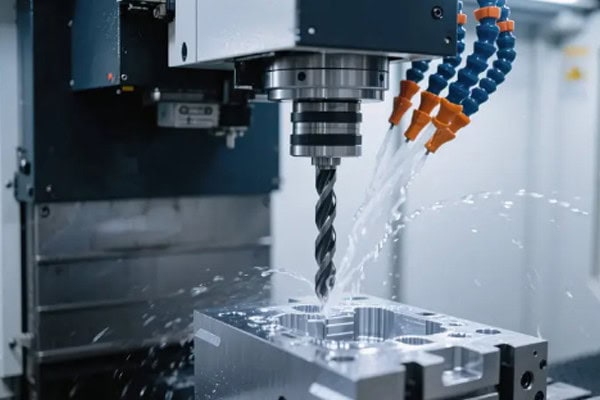
CNC milling is one of the most widely used processes in precision machining. It uses high-speed rotating cutting tools to machine workpieces according to programmed tool paths. Whether it is a structural component in industrial equipment or a mounting part in an automation system, many complex parts require milling to complete their shapes, holes, and detailed features. Compared with traditional machining methods, CNC milling relies on digital programming to control tool movement, reducing manual operation errors while improving process stability. In actual manufacturing, CNC milling usually offers the following advantages:
- Suitable for complex structure manufacturing, including flat surfaces, curved surfaces, slots, and irregular contours.
- Supports various materials, including aluminum alloys, stainless steel, copper alloys, and titanium alloys.
- Provides stable machining accuracy, meeting precision requirements for dimensions and positioning.
- Suitable for small-batch customized production, allowing machining programs to be adjusted according to design changes.
CNC milling helps companies transform complex designs into actual parts efficiently. In precision machining, factors such as tool selection, cutting parameters, and machining paths directly affect the final result. Proper optimization of these elements can reduce machining errors and improve overall part quality.
CNC Turning
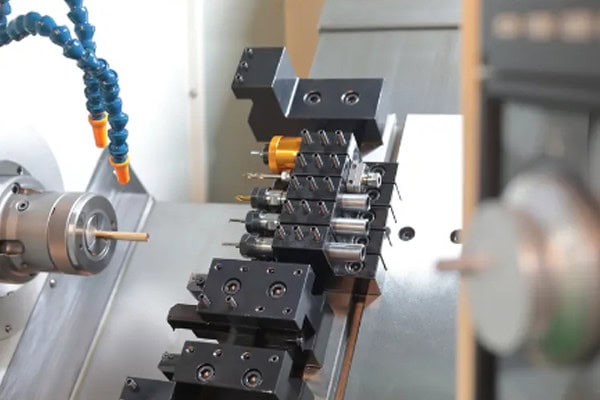
CNC turning is mainly used for manufacturing rotational precision parts, such as shafts, sleeves, connectors, and cylindrical components. Although these parts often have relatively simple shapes, they usually require high standards for roundness, concentricity, and dimensional stability. If slight deviations occur during machining, they may affect assembly performance and equipment operation. Therefore, turning processes need to focus not only on production efficiency but also on long-term reliability. Common advantages include:
- Suitable for rotary component machining.
- Improves dimensional repeatability.
- Ensures part fitting accuracy.
Stable CNC turning processes allow parts to maintain consistent performance and reduce additional adjustment work during assembly. For mechanical equipment transmission parts and connection structures, high-quality turning is an important foundation for reliable operation.
Five-Axis Machining
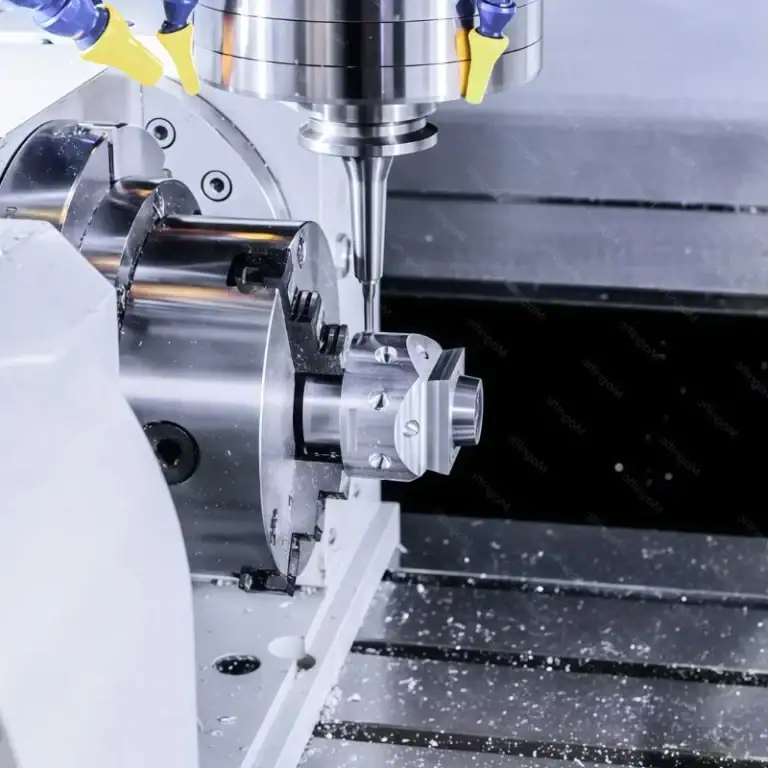
As industrial products continue to become more advanced, many precision parts now include multiple machining surfaces, angled structures, and complex curves. Traditional equipment may require multiple setups for these components, increasing processing time and positioning errors. Five-axis machining adds rotary movements, allowing cutting tools to approach the workpiece from more directions and complete more operations in a single setup. It is widely used for aerospace parts, medical components, and high-end equipment structures.
- Reduces repeated positioning errors.
- Improves complex structure machining capability.
- Enhances complex part manufacturing efficiency.
Although five-axis machining requires higher equipment capability and technical experience, it provides significant advantages for manufacturing complex precision components.
What Special Processes Are Also Used in Precision Part Machining?
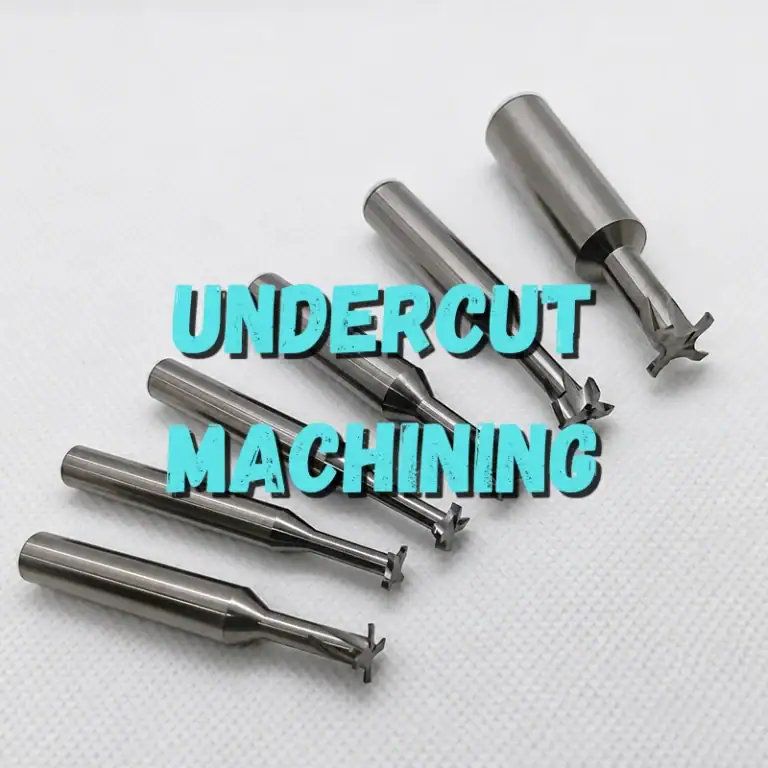
Besides common CNC milling and turning, some special materials and complex structures require additional machining technologies. For example, high-hardness materials, miniature structures, and special internal cavities may be difficult to process using standard cutting tools. These situations require specialized processes to improve dimensional accuracy and surface quality, allowing parts to meet higher performance requirements.
Grinding
Grinding is mainly used during the finishing stage of precision part machining. It removes a small amount of material through grinding wheels to improve dimensional accuracy and surface quality. Many heat-treated parts have high hardness levels, making it difficult for conventional cutting methods to achieve final requirements. Grinding provides further adjustment and refinement. Its main features include:
- Improves surface finish quality.
- Controls strict dimensional tolerances.
- Suitable for high-hardness material machining.
- Improves final part fitting performance.
Grinding can further enhance the final accuracy of parts, especially for components requiring strict surface roughness and flatness control. In many high-precision mechanical applications, grinding plays an important role in achieving stable performance.
Electrical Discharge Machining (EDM)
Electrical discharge machining uses electrical sparks to remove material and is mainly used for complex structures and difficult-to-machine materials. Mold components, small holes, deep grooves, and special internal cavities often require this process. Compared with traditional cutting methods, EDM generates less mechanical force, making it suitable for materials that are prone to deformation or have high hardness. Common applications include:
- Machining difficult materials.
- Producing small and complex structures.
- Reducing the impact of mechanical cutting forces.
EDM can solve manufacturing challenges that traditional machining methods cannot easily handle. In actual production, it is often combined with CNC machining to achieve both efficiency and structural accuracy.
Laser Machining
Laser machining uses high-energy laser beams for cutting, drilling, and localized processing. It is increasingly applied in miniature part and fine structure manufacturing. Since it does not require direct contact with traditional cutting tools, it is suitable for special materials and small components. Its main advantages include:
- Suitable for micro-hole and fine structure machining.
- Reduces the influence of mechanical contact.
- Supports special component manufacturing needs.
Laser machining provides more options for precision manufacturing, especially in electronics, medical products, and high-precision equipment applications.
What Additional Processes Are Required After Precision Part Machining?
Precision part manufacturing does not end after the main machining steps are completed. Additional processes also affect final product performance. Surface treatment, deburring, and quality inspection directly influence part appearance, assembly performance, and long-term operating stability. For high-demand industries, controlling these details is equally important.
Surface Treatment
Surface treatment is used to improve corrosion resistance, wear resistance, and surface performance. Different materials and operating environments require different treatment methods. For example, aluminum alloy parts often use anodizing, while other metal components may require different protective treatments.
- Anodizing improves aluminum alloy performance.
- Electroplating enhances surface protection.
- Polishing improves surface quality.
Proper surface treatment not only improves the appearance of parts but also enhances stability during actual operation. For industrial equipment components exposed to harsh environments, surface performance directly affects service life. Choosing the right treatment method can further improve product reliability.
Deburring and Precision Finishing
Although machining burrs are usually small, they can affect part installation and equipment operation. High-precision components often require additional finishing processes. Deburring is a detailed step, but it plays an important role in precision manufacturing.
- Improves assembly accuracy.
- Reduces edge defects.
- Enhances overall product quality.
- Lowers potential usage risks.
Precision finishing helps parts achieve better performance and reduces problems during assembly. For automation equipment and medical devices, small details can have a significant impact on final performance.
Precision Inspection
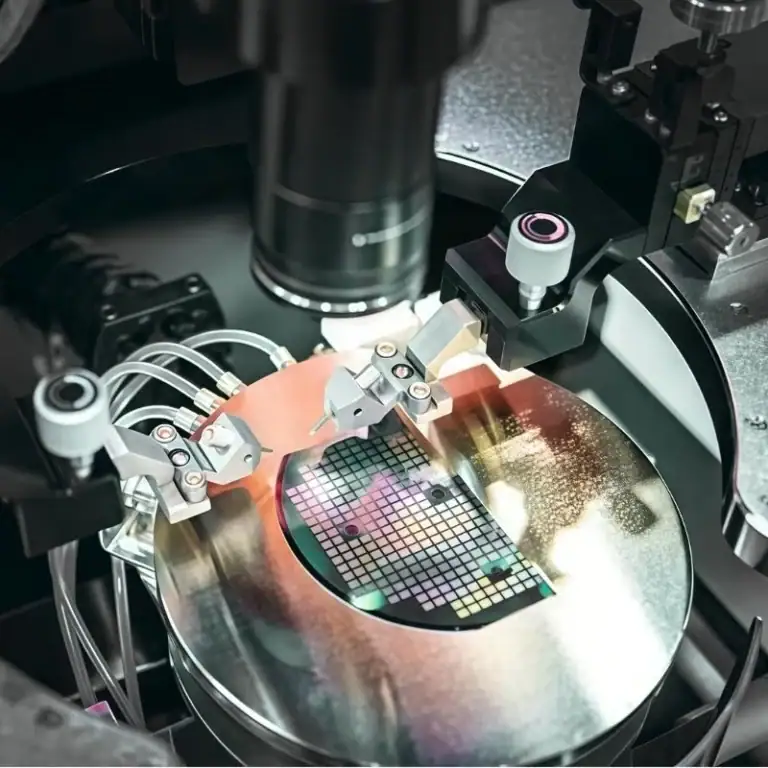
Inspection is an essential step in ensuring machining quality. Professional equipment is used to verify dimensions, geometric tolerances, and surface conditions. Especially in batch production, inspection helps identify machining deviations and maintain consistent quality.
- Checks critical dimensional data.
- Confirms machining accuracy.
- Ensures batch consistency.
A complete inspection process makes manufacturing more stable and helps reduce quality risks. Through strict data control, every batch of parts can maintain the same standards and improve delivery reliability.
What Industries Use Precision Parts?
Although precision parts may be small in size, they are widely used across many industries. From industrial equipment to advanced manufacturing fields, many critical functions depend on high-precision components. Different industries have different performance requirements, which also influence machining priorities.
Industrial Equipment Industry
Industrial equipment often operates continuously and requires high standards for part strength, accuracy, and reliability.
- Automation equipment components.
- Precision mechanical structures.
- Equipment connection parts.
Medical and Electronics Industries
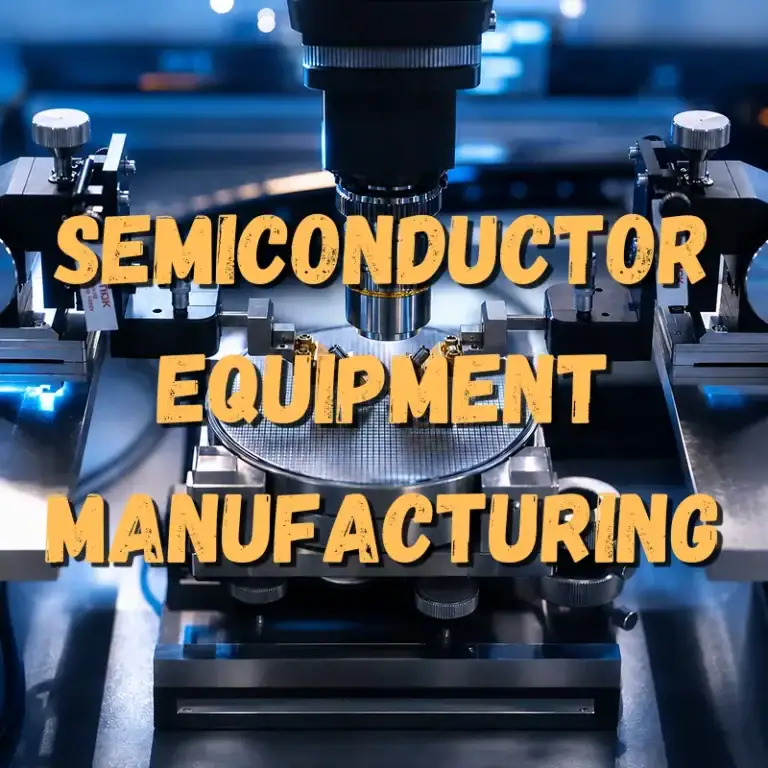
Medical devices and electronic products usually require small-sized, high-precision components, where machining details are especially important.
- Medical device components.
- Precision electronic structures.
- Miniature functional parts.
Aerospace and High-End Manufacturing
Aerospace and advanced manufacturing industries require extremely reliable components that must meet requirements for lightweight design, strength, and precision.
- Aerospace structural parts.
- High-performance connectors.
- Complex mechanical components.
Precision part machining has become an important foundation of modern manufacturing. Different industries rely on stable machining processes to ensure product performance. From material selection and process planning to machining and quality inspection, every step affects the final result. Tirapid specializes in precision machining services, providing high-precision part machining solutions to help companies achieve reliable and high-quality customized manufacturing.