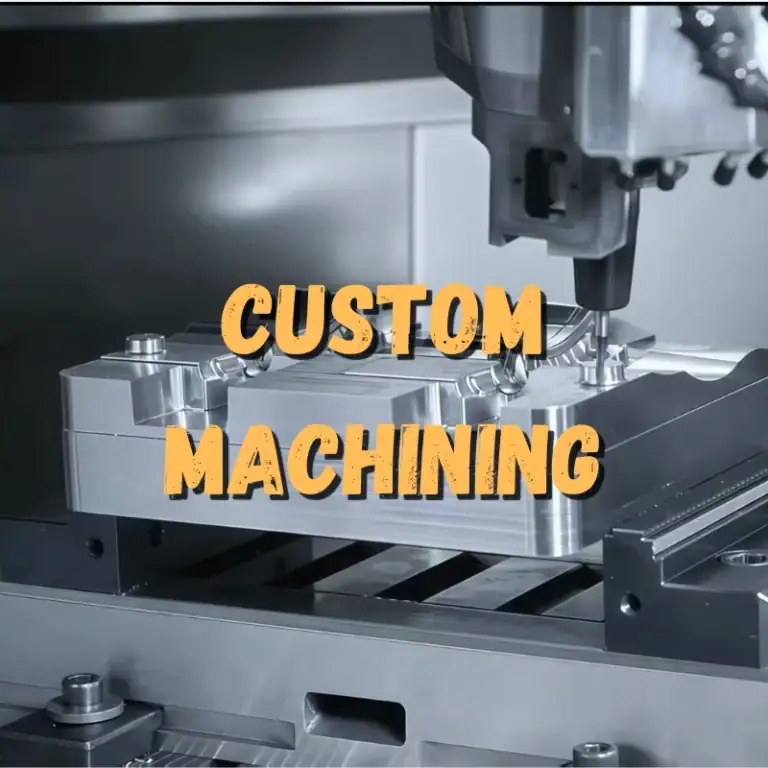
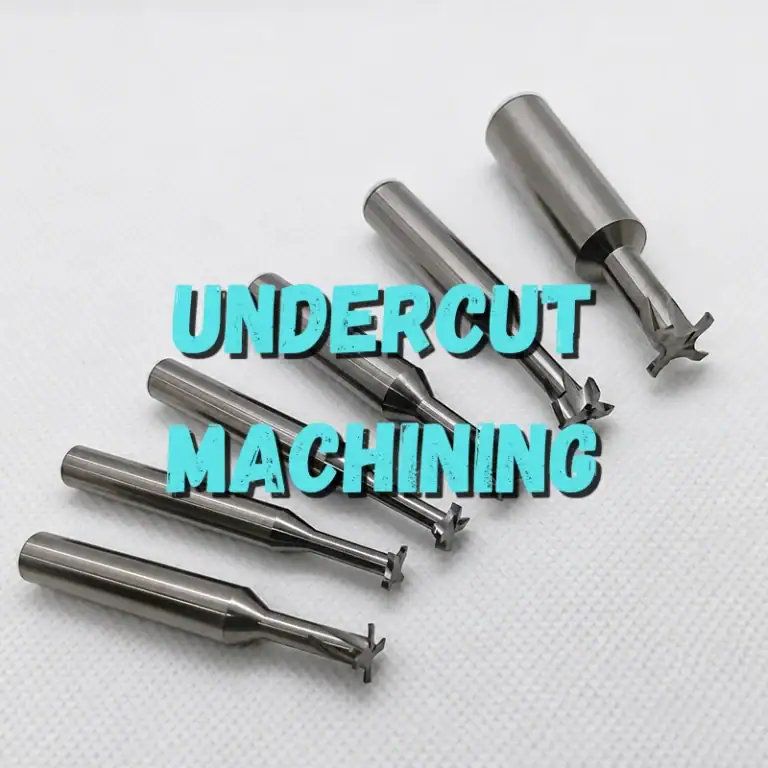
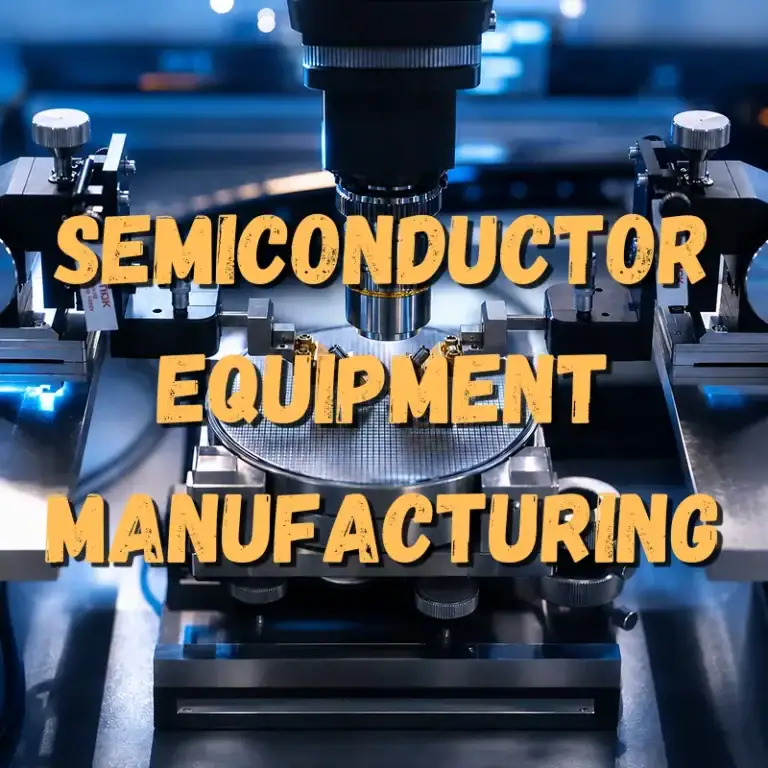
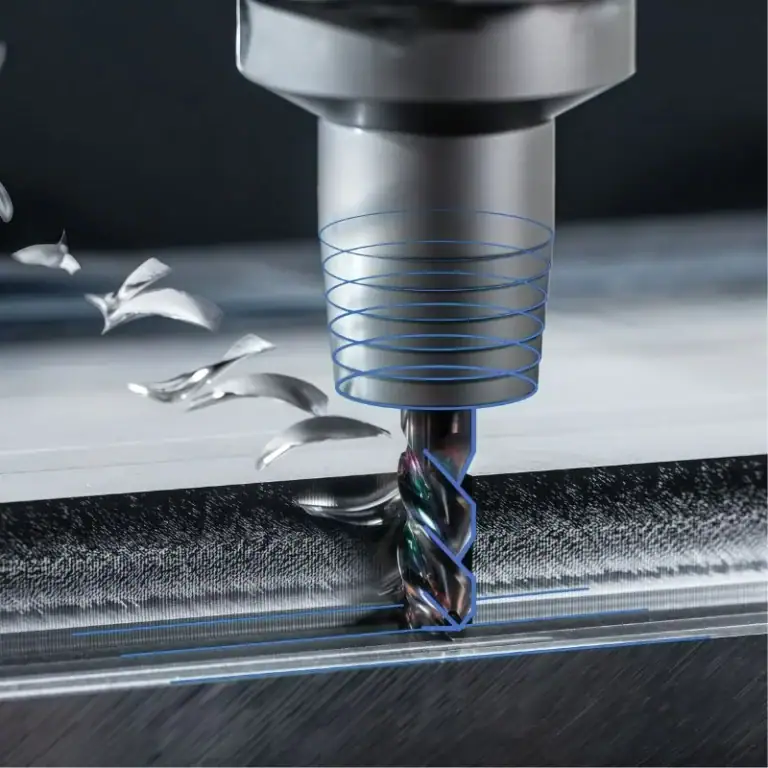
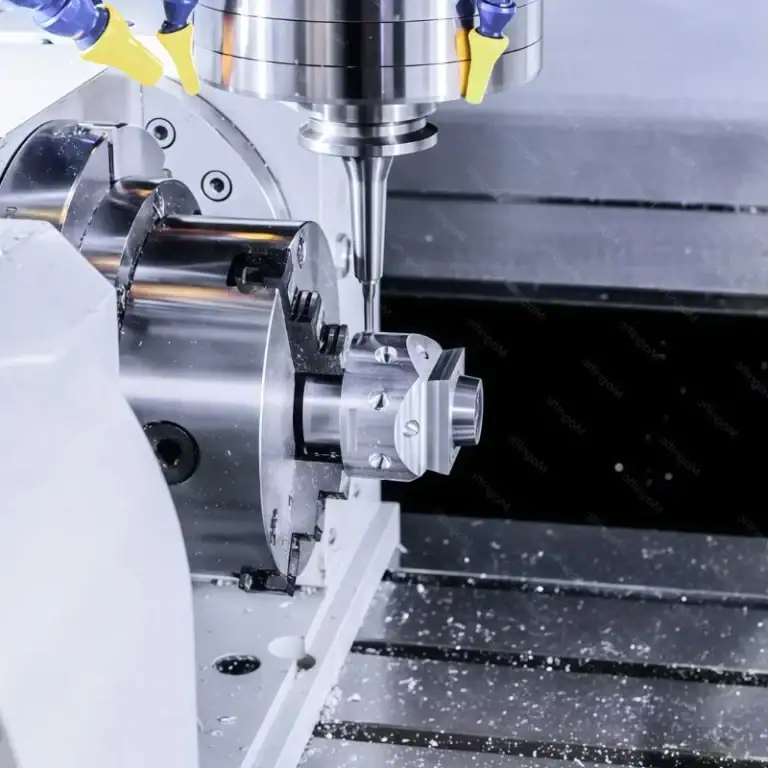
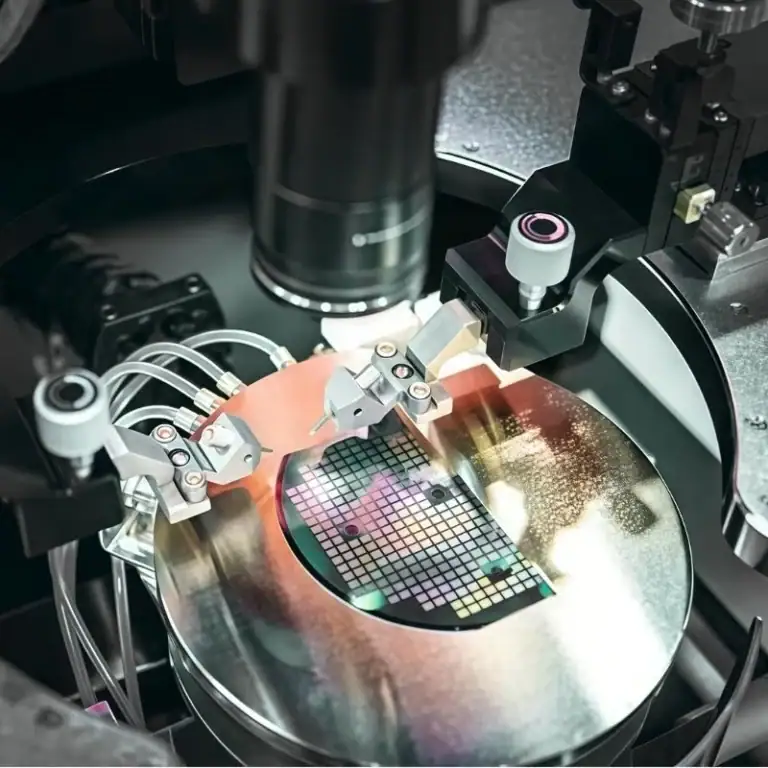
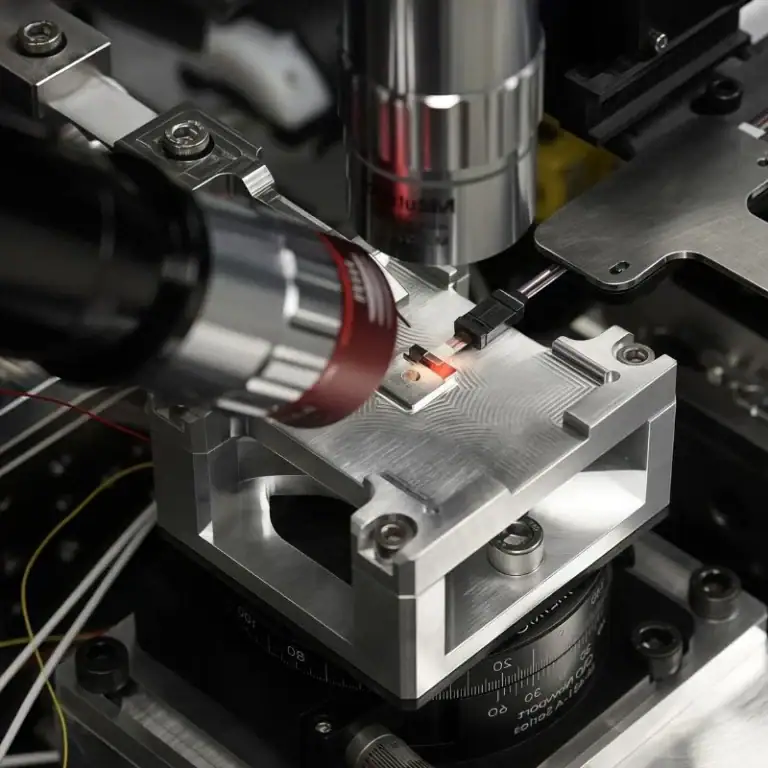
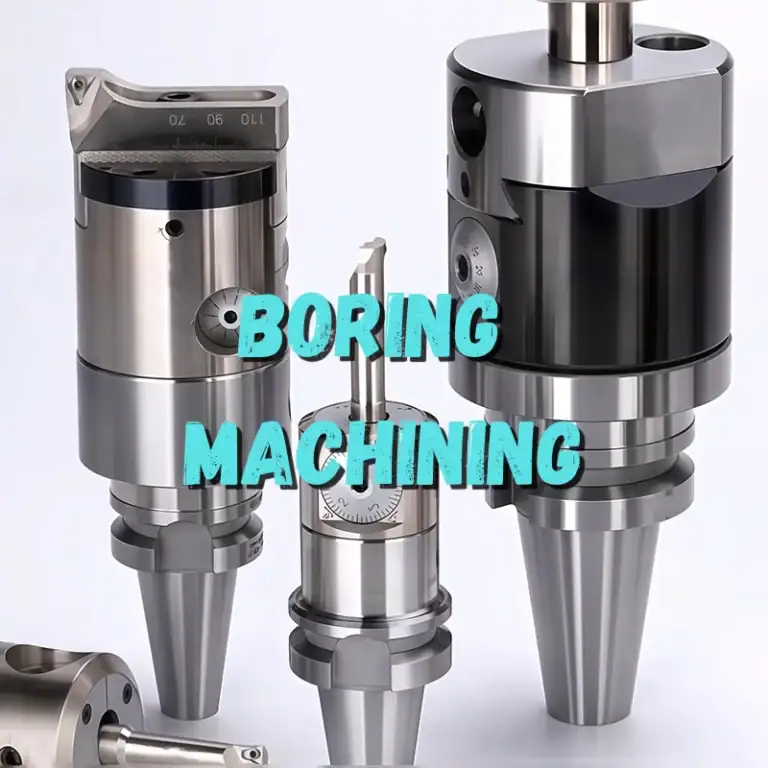
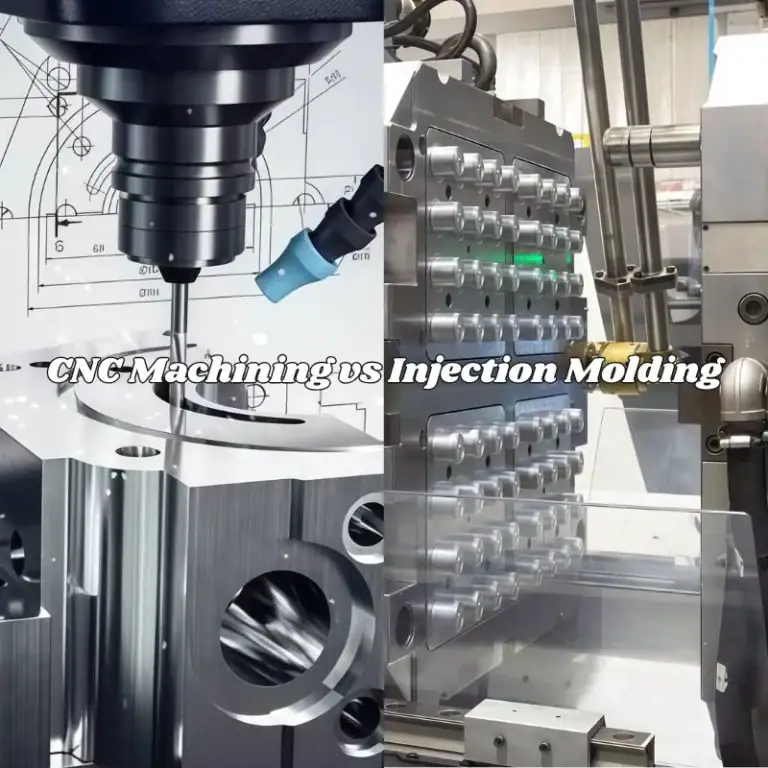
How can a small component only a few centimeters in size affect the performance of an entire semiconductor system? In traditional machining, small errors may not cause obvious problems, but in semiconductor manufacturing, even a few microns of deviation can impact equipment stability and product quality. Semiconductor parts may not always be large, but they require extremely high standards in precision, cleanliness, and reliability. From material selection and machining processes to final inspection, every step needs strict control. Today, CNC machining has become an important manufacturing method for semiconductor components thanks to its high accuracy, consistency, and flexible production capabilities.
Why Do Semiconductor Parts Require Higher Machining Standards?
Semiconductor equipment usually operates in highly precise and complex environments. Internal components must not only perform basic functions such as positioning, supporting, and transferring, but also maintain stable performance over long-term operation. Compared with standard industrial parts, semiconductor components are much more sensitive to machining details. Dimensional errors, surface quality, and material properties can all affect equipment performance. For this reason, semiconductor parts manufacturing requires advanced equipment and professional machining processes.
Strict Dimensional Accuracy Requirements
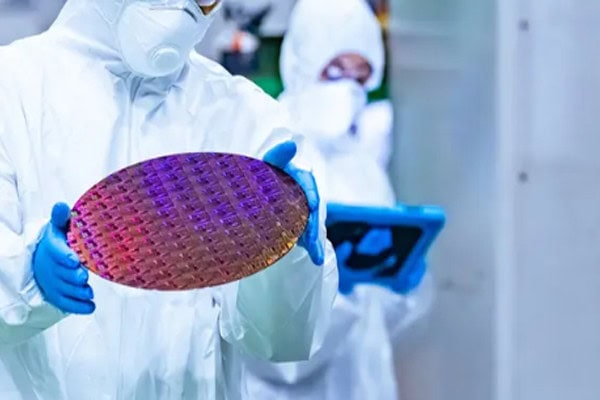
Semiconductor equipment contains many precision components, including vacuum chamber parts, positioning structures, and wafer support components. These parts often require extremely accurate assembly relationships. Even small dimensional deviations can affect equipment operation. As a result, dimensional accuracy is one of the most important factors customers consider when selecting a machining supplier.
- CNC machining must maintain stable positioning accuracy.
- Critical dimensions need to meet strict tolerance requirements.
- Hole positions, flatness, and positional accuracy require inspection and verification.
For semiconductor components, machining accuracy is not simply about achieving smaller numbers. It is about ensuring long-term equipment stability. By optimizing machining processes, tool paths, and cutting parameters, manufacturers can reduce errors and improve assembly performance.
High Requirements for Surface Quality and Cleanliness
Semiconductor manufacturing environments have strict contamination control requirements. Burrs, particles, or machining residues on part surfaces may affect equipment performance. Semiconductor parts require not only accurate dimensions but also excellent surface conditions and cleanliness.
- Reduce surface roughness to improve cleanliness.
- Minimize burr formation to prevent assembly issues.
- Perform cleaning processes after machining to reduce contamination risks.
- Select suitable surface treatments based on application requirements.
High-quality surface finishing improves part reliability, especially in applications such as vacuum equipment and etching systems, where surface conditions can directly influence operating performance.
Material Selection Must Match Application Conditions
Semiconductor equipment uses a wide variety of materials. Different components require different material properties depending on their working environment. Some parts require corrosion resistance, some require high-temperature stability, while others need excellent insulation performance.
| Material | Characteristics | Common Applications |
| Aluminum Alloy | Lightweight and easy to machine | Equipment structures, chamber components |
| Stainless Steel | Corrosion-resistant and strong | Vacuum components, fixing parts |
| Titanium Alloy | High strength and heat resistance | High-performance equipment parts |
| PEEK | Insulation and chemical resistance | Precision plastic components |
Different materials behave differently during CNC machining. The machining process must be adjusted according to hardness, thermal conductivity, and structural characteristics to achieve stable quality.
What Are the Advantages of CNC Machining for Semiconductor Parts?
As semiconductor equipment continues to advance, component structures are becoming more complex, creating higher demands for manufacturing methods. CNC machining uses computer-controlled processes to achieve high precision and repeatability while supporting rapid prototyping, small-batch production, and customized manufacturing.
High-Precision Machining for Complex Structures
Semiconductor components often include precision holes, complex cavities, and special mounting structures. Traditional machining methods may struggle to maintain consistent quality, while CNC machining allows cutting tools to move according to programmed paths with high accuracy.
- Capable of machining complex structures and irregular components.
- Reduces human operation errors and improves dimensional consistency.
- Meets high-precision manufacturing requirements.
The advantage of CNC machining is not only its accuracy but also its production stability. For semiconductor applications, producing one qualified part is not enough. Maintaining consistent quality across continuous production is the real challenge.
Wide Material Compatibility
The semiconductor industry uses many advanced materials, and each material requires different machining approaches. CNC machining can adjust cutting tools, speeds, and processes according to material characteristics, making it suitable for complex component manufacturing.
- Processes metals such as aluminum alloy, stainless steel, and titanium alloy.
- Supports engineering plastics including PEEK and PTFE.
- Meets different performance requirements for semiconductor components.
A properly designed CNC machining solution helps reduce material waste while improving part performance and reliability.
Suitable for Rapid Prototyping and Low-Volume Production
During semiconductor equipment development, engineers often need to quickly validate new designs. Traditional mold manufacturing requires longer lead times and higher modification costs.
- No need for expensive molds, reducing development costs.
- Supports rapid prototype production.
- Allows easy design modifications based on testing results.
CNC machining enables engineering teams to quickly obtain real-material prototypes for assembly testing and performance verification, accelerating product development.
Flexible Post-Processing and Quality Control
Semiconductor components often require additional surface treatments to meet requirements such as corrosion resistance and cleanliness.
- Supports polishing, anodizing, and other surface treatments.
- Allows precision inspection based on customer requirements.
- Helps maintain consistent quality between production batches.
A complete machining and inspection process allows CNC machining to do more than produce parts—it helps customers solve manufacturing challenges from design to production.
What Are the Challenges of CNC Machining Semiconductor Parts?
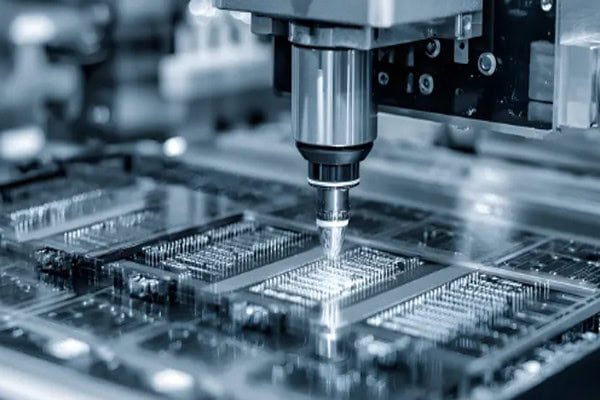
Although CNC machining offers many advantages, manufacturing semiconductor components still involves significant challenges. Due to special materials, complex structures, and strict accuracy requirements, experienced engineering teams are needed to optimize machining processes.
Difficulties in Machining Advanced Materials
Some semiconductor components use high-performance materials such as titanium alloys, PEEK, and corrosion-resistant materials. While these materials provide excellent performance, they can create challenges such as tool wear and deformation during machining.
- Titanium alloys require careful control of cutting temperature.
- Engineering plastics require prevention of deformation.
- Advanced materials require suitable cutting tools.
Developing machining strategies for different materials helps reduce risks and improves final part performance.
Complex Structures Increase Manufacturing Difficulty
Semiconductor components often include deep holes, thin walls, and multi-surface structures, which require careful process planning.
- Deep-hole structures require optimized tool paths.
- Thin-wall parts require controlled machining pressure.
- Multi-surface machining requires reducing repositioning errors.
Early manufacturing analysis helps improve efficiency and reduce quality issues during production.
Maintaining Consistency in Batch Production
Semiconductor customers often require long-term and stable part supply. Successful prototype production is only the beginning—the real challenge is maintaining quality during mass production.
- Establish standardized production processes.
- Record key machining parameters.
- Regularly check equipment accuracy.
Stable production management ensures consistent quality between different batches and helps customers reduce supply risks.
How to Choose the Right Semiconductor Parts Machining Supplier?
Semiconductor parts manufacturing requires more than advanced CNC equipment. Suppliers also need strong capabilities in material understanding, process optimization, and quality management. A reliable supplier should not only manufacture according to drawings but also provide engineering support to improve overall manufacturing efficiency.
Consider CNC Machining Experience
Experienced machining companies are better prepared to handle complex semiconductor manufacturing challenges, including material selection, machining parameter adjustment, and structural optimization.
- Understand different material machining characteristics.
- Provide professional manufacturing recommendations.
- Have experience producing complex components.
Rich machining experience helps customers reduce trial-and-error time and improve project efficiency.
Evaluate Quality Inspection Capabilities
Semiconductor components require strict quality control. A complete inspection system ensures that parts meet design specifications.
- Equipped with measurement equipment such as CMM systems.
- Inspect critical dimensions and surface quality.
- Maintain traceable production data.
Strict quality control improves product reliability and provides customers with more stable machining results.
Check Design Optimization Capability
Many machining problems can be solved during the design stage. Professional suppliers can provide DFM analysis to optimize part designs before production.
- Provide manufacturing feasibility suggestions.
- Optimize structures to reduce machining difficulty.
- Shorten product development cycles.
Working closely from design to production makes semiconductor parts manufacturing more efficient while reducing manufacturing costs.
Semiconductor parts machining requires higher standards than traditional machining, including precision, cleanliness, material performance, and long-term reliability. Through advanced CNC machining technology, experienced manufacturing processes, and strict inspection procedures, high-quality semiconductor components can be produced to meet demanding industry requirements. Tirapid specializes in CNC machining services, providing high-precision and reliable custom machining solutions for the semiconductor industry.