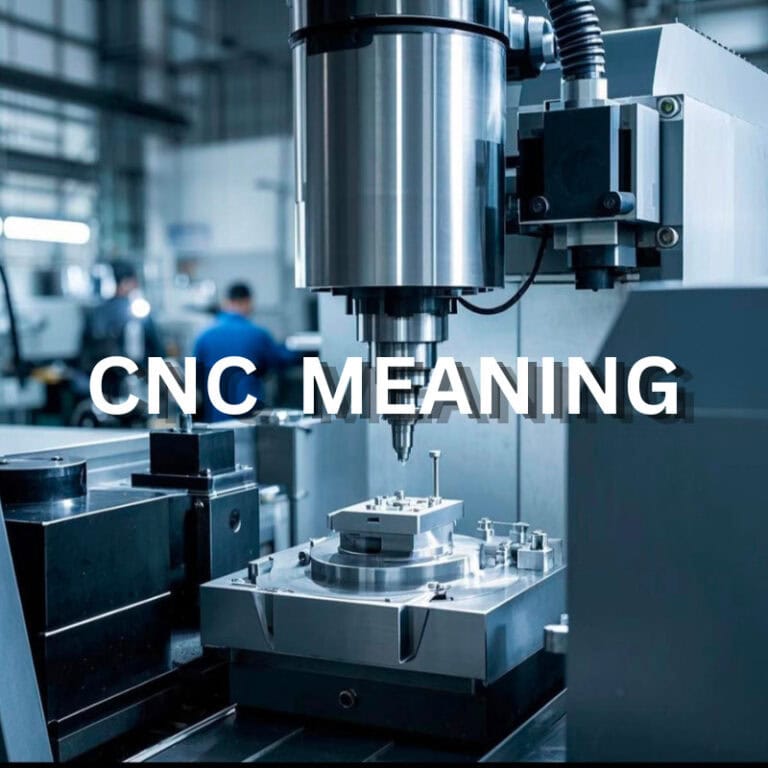
With the continuous expansion of 5G network construction, communication base stations have increasingly higher requirements for the precision, stability, and service life of components. A 5G base station contains many precision structural parts, such as heat dissipation components, antenna brackets, RF module housings, and connection parts. These components need to provide high dimensional accuracy, excellent thermal management capabilities, and reliable mechanical performance. CNC machining technology has become an important manufacturing method for 5G communication equipment due to its high precision, automated control, and ability to process various materials.
The 5G communication base station components CNC machining solution uses advanced CNC equipment, professional machining processes, and strict quality inspection procedures to provide reliable component manufacturing support for communication equipment companies. This solution can meet complex structural design requirements, improve component consistency, shorten production cycles, and provide stable support for the rapid deployment of communication networks.
Advantages and Manufacturing Value of CNC Machining for 5G Communication Base Station Components
5G base station equipment often operates outdoors for long periods and must withstand temperature fluctuations, humidity, and heat generated during continuous operation. Therefore, components must not only achieve precise assembly but also maintain strong durability. CNC machining can accurately control tool paths according to 3D models, enabling integrated manufacturing of complex structures and ensuring that communication components meet strict design requirements.
CNC Machining Improves the Precision and Stability of 5G Communication Components
Communication equipment components usually require strict dimensional tolerance control. Parts such as RF module mounting structures, antenna connection components, and precision positioning parts must maintain high compatibility. CNC machining uses computer-controlled programs to manage the manufacturing process, reducing errors caused by manual operations and ensuring consistent quality across production batches.
| Machining Project | CNC Machining Features | Benefits for 5G Equipment |
| Precision housing machining | Accurate dimensions and excellent surface finish | Improves module protection capability |
| Heat dissipation structure machining | Supports complex cooling fin designs | Enhances equipment thermal performance |
| Bracket and connector machining | Stable strength and low installation errors | Ensures reliable equipment installation |
| Customized structural parts | Supports rapid design modifications | Meets different base station requirements |
CNC machining can also process various materials commonly used in communication equipment, including aluminum alloys, stainless steel, and copper alloys. By selecting suitable machining methods according to application environments, manufacturers can improve the overall performance of components.
CNC Machining Process for 5G Communication Base Station Components
The manufacturing of 5G communication components requires integration of product design, material selection, machining parameter adjustment, and quality inspection to ensure that finished parts meet equipment assembly requirements.
The main machining process includes:
- Drawing and Model Evaluation: Based on customer-provided CAD drawings and 3D models, engineers confirm component dimensions, tolerance requirements, and structural characteristics to develop an optimized machining plan.
- Material Preparation and Process Planning: Suitable materials such as aluminum alloys or stainless steel are selected according to component functions, while cutting speed, feed rate, and tooling methods are planned.
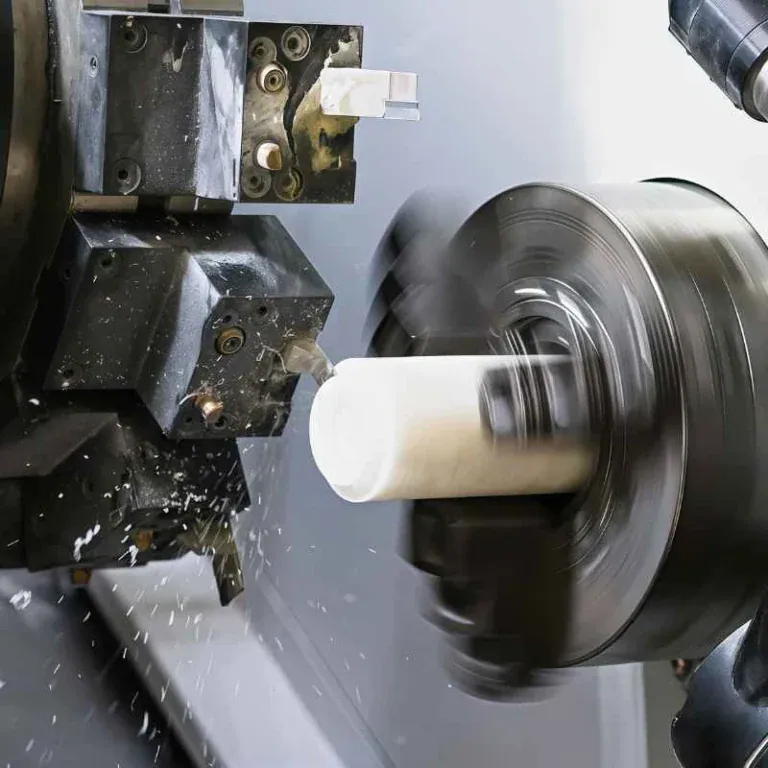
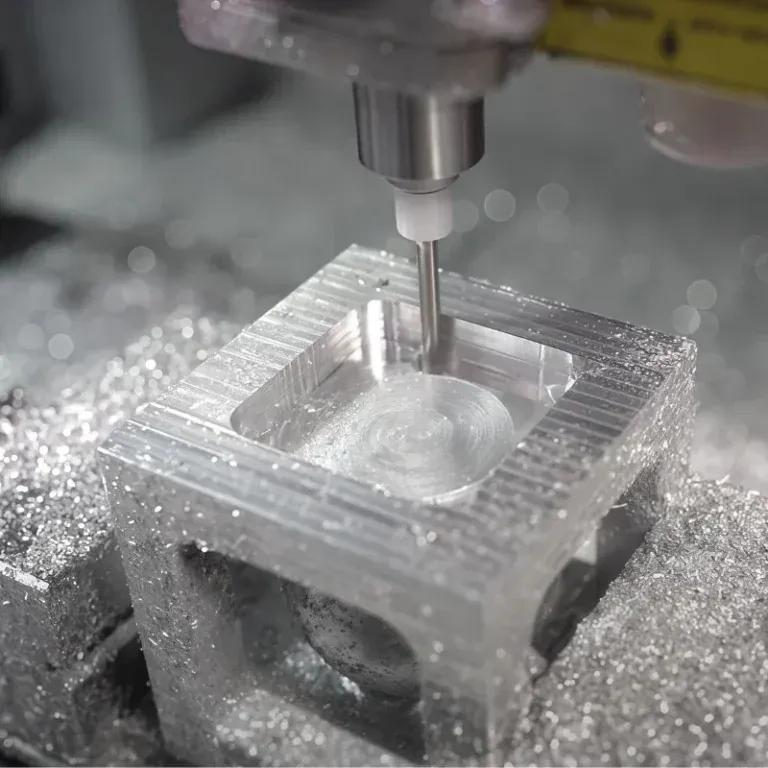
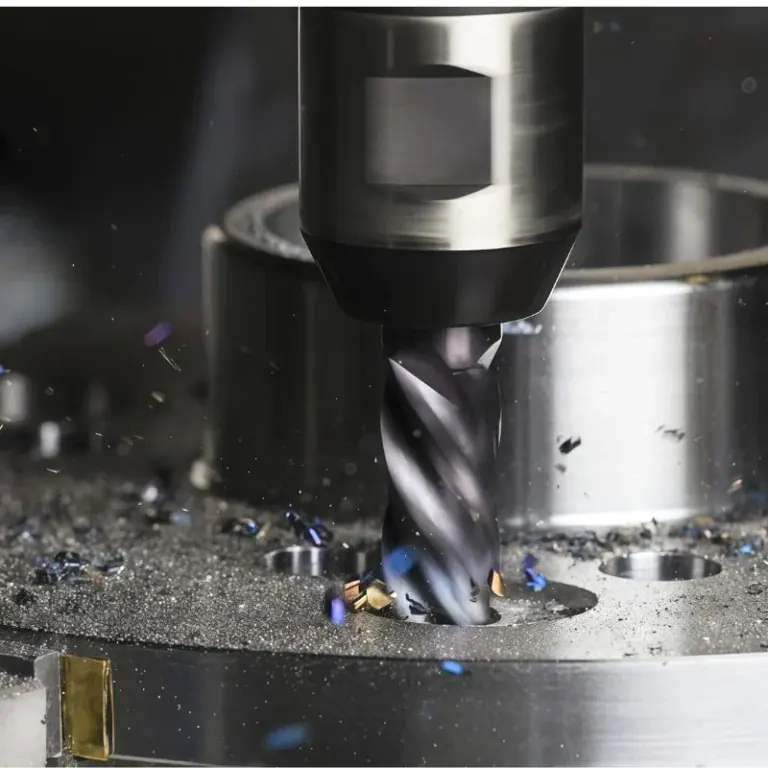
- CNC Machining Production: CNC machining centers perform milling, drilling, tapping, and finishing operations to manufacture complex communication components.
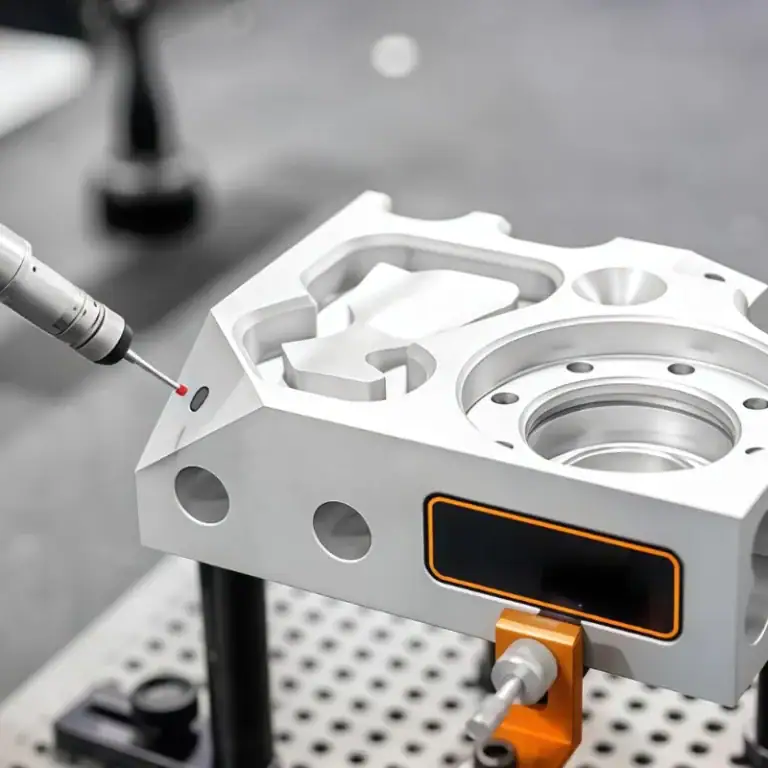
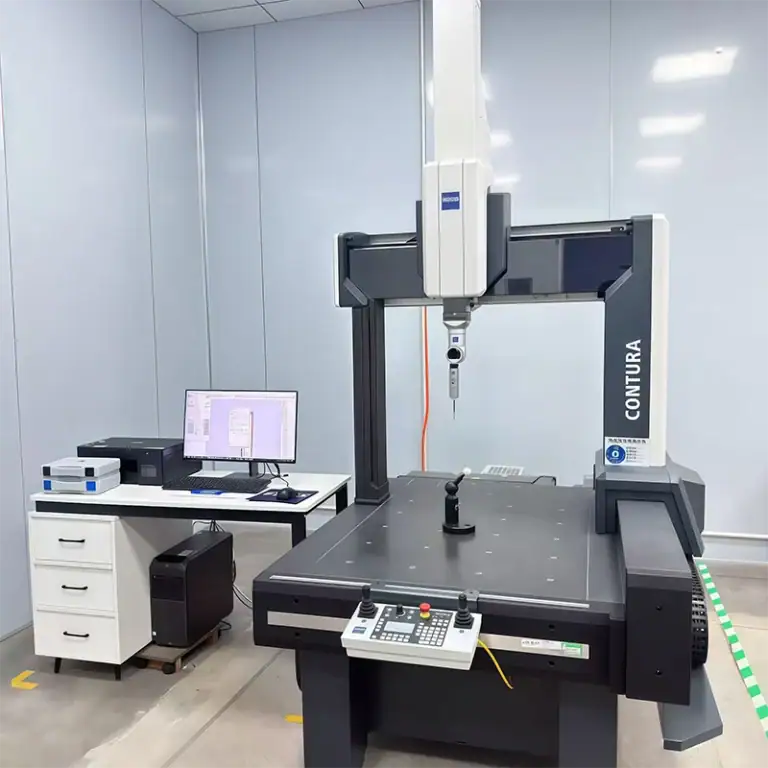
- Quality Inspection Control: Coordinate measuring machines and surface inspection equipment are used to verify dimensional accuracy and ensure components meet communication equipment assembly standards.
A standardized machining process reduces production errors, improves batch consistency, and provides communication companies with more reliable component supply.
Application Scenarios and Performance Features of 5G Communication Base Station CNC Components
5G communication base stations have complex structures, and different components perform different functions. CNC machining solutions can cover various metal parts used in base station systems, from internal functional components to external mounting structures, providing high-quality manufacturing capabilities.
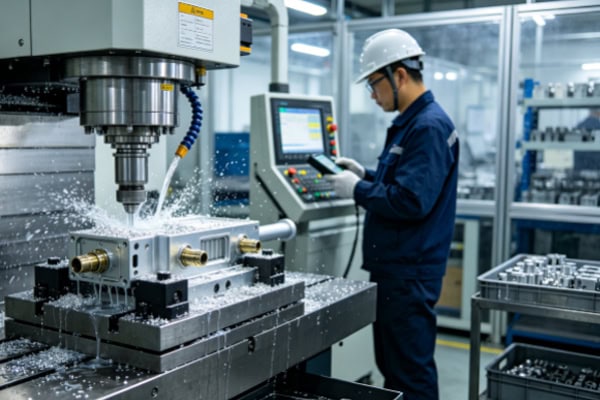
Application Scenarios of CNC Machined Components in 5G Communication Equipment
5G network equipment requires components with different functional characteristics. CNC machining can provide flexible manufacturing solutions based on different application requirements.
Common application scenarios include:
- Base Station Antenna Systems: Antenna support brackets, connection bases, and fixing components require accurate positioning. CNC machining ensures hole accuracy and structural strength, improving antenna operation stability.
- RF Module Equipment: RF unit housings and internal support structures require strong protection and efficient heat dissipation. Precision machining can meet complex structural requirements.
- Outdoor Communication Cabinets: Internal cabinet components need to withstand environmental impacts for long-term operation. CNC machining can produce high-strength connectors to improve equipment reliability.
- Smart Communication Terminals: Miniaturized communication devices require strict dimensional control. CNC machining can manufacture compact precision structures.
Different communication applications have different requirements for materials, dimensions, and machining accuracy. Through customized CNC machining solutions, companies can achieve faster product development and efficient mass production.
Performance Characteristics of CNC Machined 5G Base Station Components
5G communication equipment needs to operate continuously and reliably. Therefore, the performance of components directly affects the service life and stability of the entire system. Metal parts manufactured through CNC machining usually provide excellent mechanical strength and dimensional stability.
Key performance characteristics include:
- High Precision Control: CNC systems accurately execute machining programs to ensure component dimensions meet design specifications.
- Excellent Heat Dissipation Capability: Materials such as aluminum alloys can be precisely machined into efficient cooling structures to reduce equipment operating temperatures.
- Reliable Structural Strength: CNC machining maintains the original material properties and is suitable for components exposed to long-term loads.
- Superior Surface Quality: Surface treatments such as anodizing, sandblasting, and electroplating can improve corrosion resistance.
- Strong Batch Consistency: Automated production methods are suitable for large-scale manufacturing of communication equipment components.
Stable performance makes CNC machining an important manufacturing technology for 5G communication infrastructure, helping equipment manufacturers improve product competitiveness.
Future Development Trends of 5G Communication Base Station Components CNC Machining Solutions
As 5G technology expands into smart cities, industrial Internet applications, and intelligent manufacturing fields, communication equipment requires more advanced component designs. Future base stations will continue developing toward miniaturization, higher integration, and improved heat management efficiency. CNC machining technology will also continue to evolve.
Intelligent CNC Machining Promotes Communication Component Manufacturing Upgrades
The development of smart manufacturing allows CNC machining to integrate automatic programming, intelligent inspection, and digital production management systems, improving machining efficiency and product quality.
Future communication component manufacturing will focus on:
- Improved Automated Production Capability: Robot loading systems and automatic tool-changing technology can enhance continuous production efficiency and reduce manual intervention.
- Real-Time Machining Data Monitoring: Intelligent systems can record machining conditions and detect equipment abnormalities quickly, improving production stability.
- Rapid Customized Manufacturing: According to communication equipment upgrade requirements, manufacturers can achieve faster production of small-batch and multi-model components.
Intelligent machining methods help communication companies shorten product development cycles and respond faster to market demands.
Customized CNC Solutions Meet Innovative 5G Equipment Requirements
Different communication equipment manufacturers have unique structural designs, making standardized components unable to satisfy every application requirement. Customized CNC machining can be adjusted according to equipment structure, installation environment, and performance requirements.
Customized services usually include:
- Providing machining recommendations based on product designs and optimizing component structures;
- Selecting suitable materials according to operating environments to improve durability;
- Adjusting machining processes according to production quantities to reduce manufacturing costs;
- Conducting complete quality inspections based on customer standards to ensure component reliability.
Through professional CNC machining solutions, communication companies can obtain more flexible and efficient component manufacturing support, providing a strong foundation for future 5G network development.