With the rapid development of intelligent manufacturing technology, industrial robots have been widely used in automotive manufacturing, electronic production, mechanical assembly, medical equipment, and automated production lines. During long-term operation, industrial robots require a large number of high-precision structural components, transmission parts, connection components, and functional modules to ensure stable performance. These parts must not only meet strict dimensional requirements but also provide excellent strength, wear resistance, and long-term operational reliability.
The industrial robot precision CNC parts machining solution uses advanced CNC machining equipment, professional process planning, and strict quality management systems to provide highly reliable component manufacturing services for robot manufacturers. CNC machining can produce complex curved surfaces, precision holes, and multi-axis structural parts, improving component matching accuracy, reducing assembly errors, and helping robotic systems achieve higher efficiency and longer service life.
Advantages and Manufacturing Characteristics of Precision CNC Machining for Industrial Robot Parts
Industrial robots contain many precision mechanical structures, including robotic arm components, joint parts, reducer connectors, end-effector components, and mounting brackets. These components need to withstand continuous movement, repeated positioning, and heavy loads during operation. Therefore, machining accuracy directly affects the overall performance of industrial robots. Precision CNC machining uses digital program control to manufacture complex parts with stable accuracy and meet the high consistency requirements of the robotics industry.
CNC Machining Improves the Accuracy and Reliability of Industrial Robot Components
Industrial robots require precise fitting between different components. Even minor dimensional deviations may affect motion accuracy and operational stability. CNC machining uses automated control systems to execute machining instructions based on 3D models, ensuring stable dimensions while reducing uncertainties caused by manual processing.
| Machining Component Type | CNC Machining Advantages | Application Benefits |
| Robotic arm structural parts | High-strength processing and precise dimensions | Improves robot motion stability |
| Joint connection components | Accurate hole positioning control | Reduces assembly errors |
| End-effector components | Supports complex structure manufacturing | Enhances gripping accuracy |
| Robot base components | High rigidity machining capability | Improves equipment stability |
CNC machining can also combine the characteristics of materials such as aluminum alloys, stainless steel, and alloy steel to create suitable manufacturing processes, achieving a balance between strength, weight reduction, and durability.
Industrial Robot CNC Parts Machining Process
The production of industrial robot components requires a complete machining process based on product design requirements. From drawing confirmation to final inspection, every stage affects the final quality of the parts.
The machining process generally includes:
- Product Design Confirmation: Based on customer-provided CAD drawings or 3D models, engineers determine component dimensions, tolerance requirements, and structural features to provide accurate machining references.
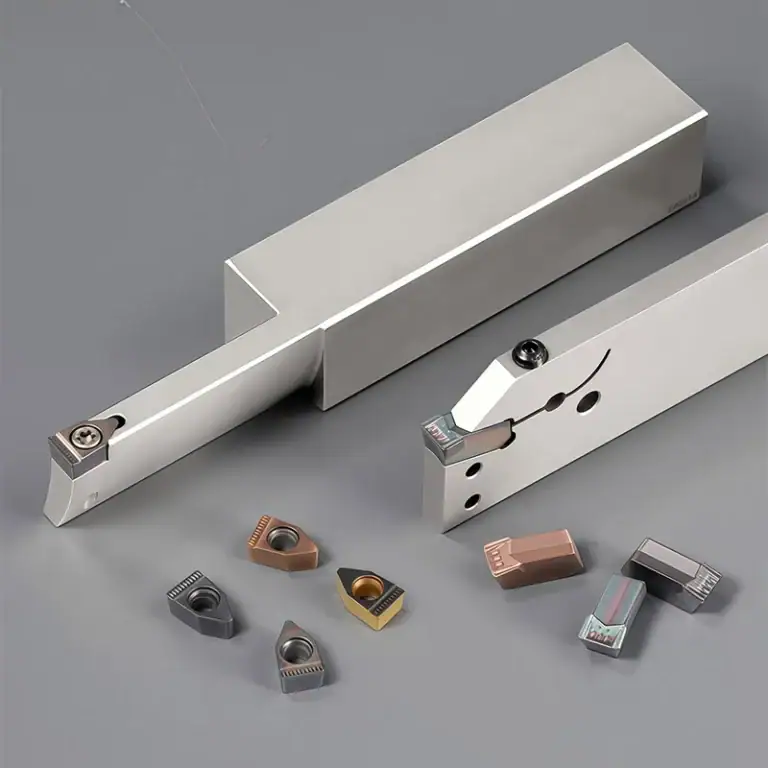
- Machining Process Development: According to material properties, structural complexity, and operating conditions, suitable cutting tools, machining parameters, and processing methods are selected.
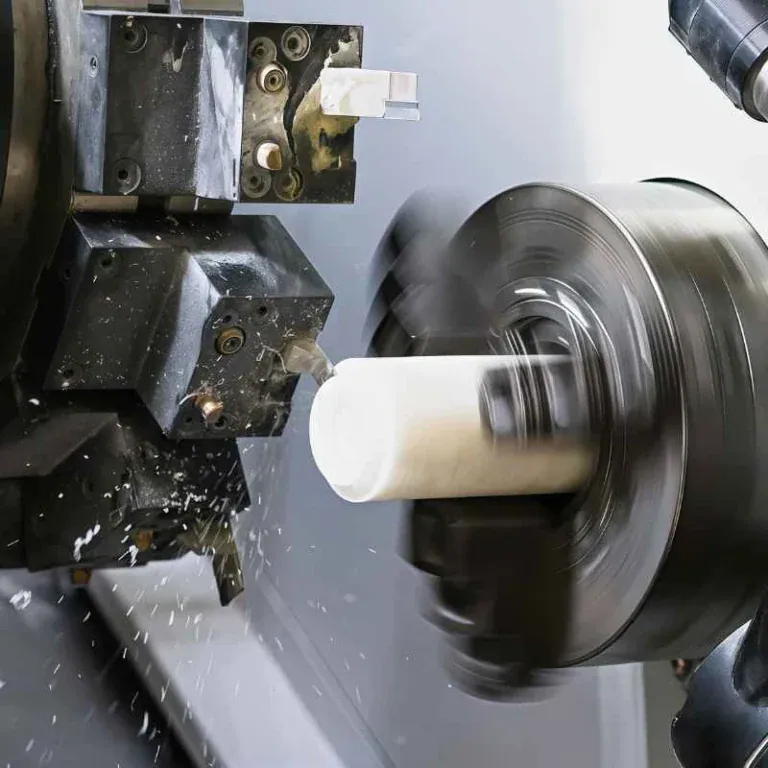
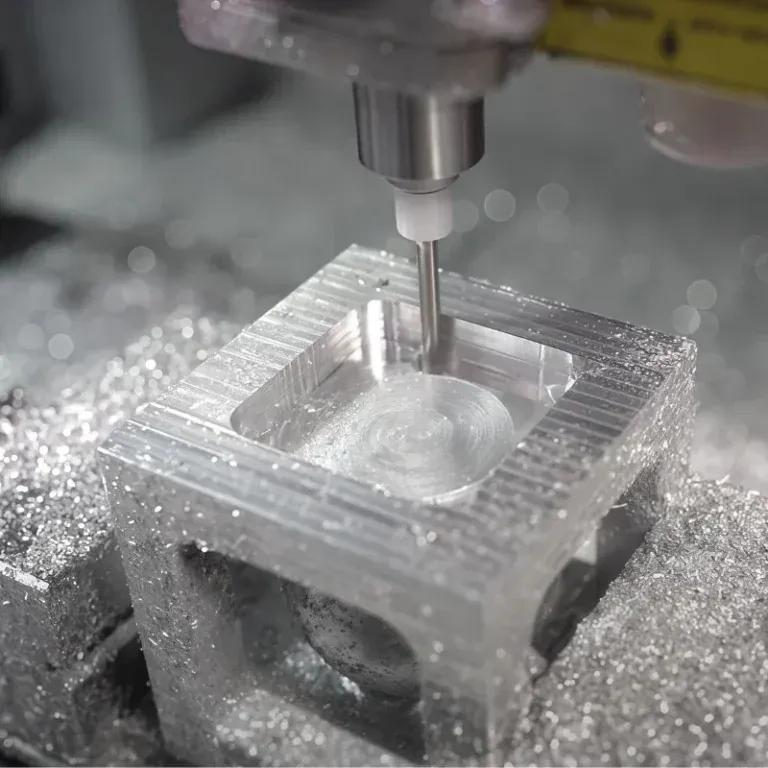
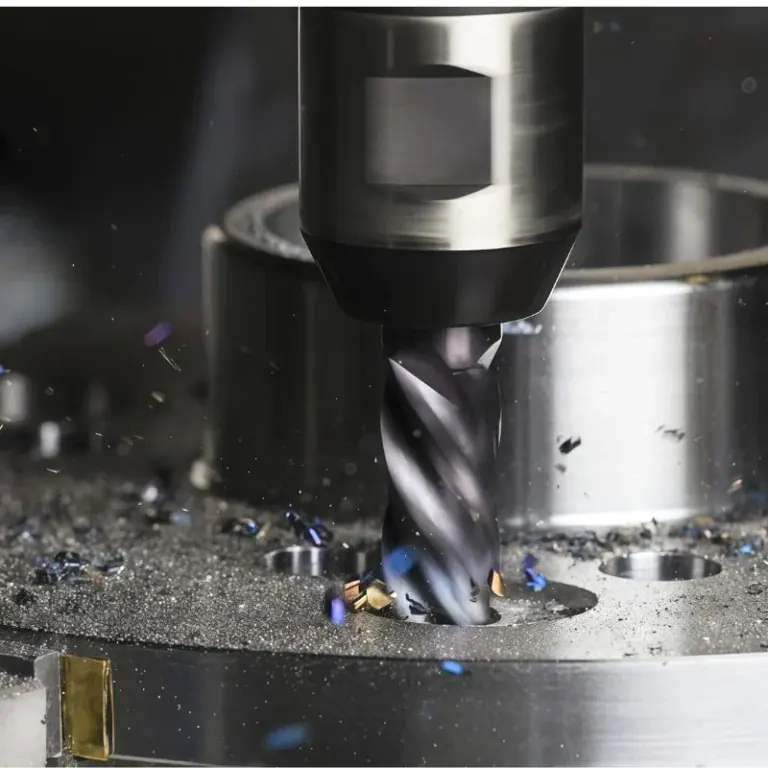
- Precision CNC Machining: CNC milling, turning, and multi-axis machining technologies are used to manufacture components with complex structures and high precision.
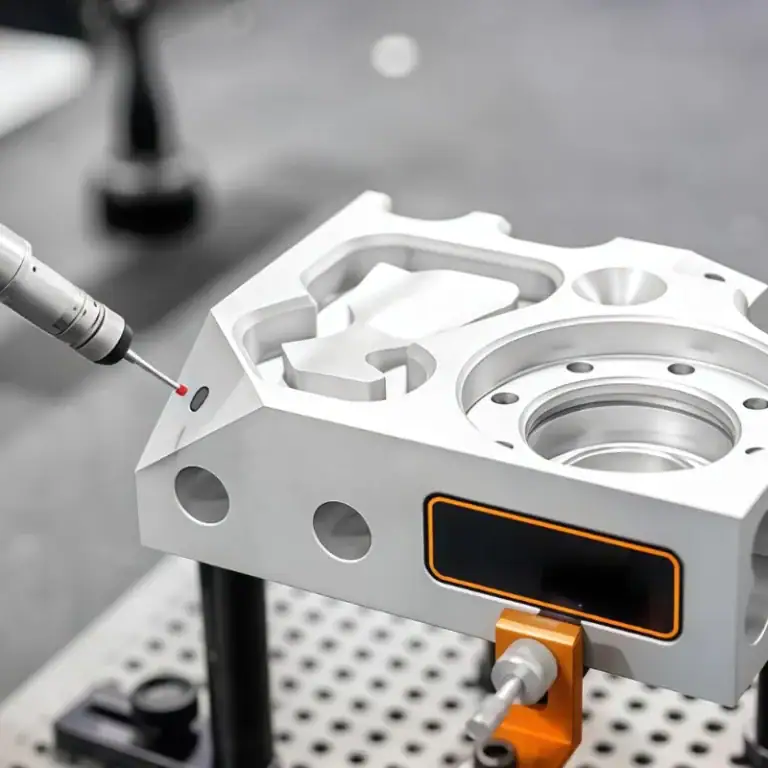
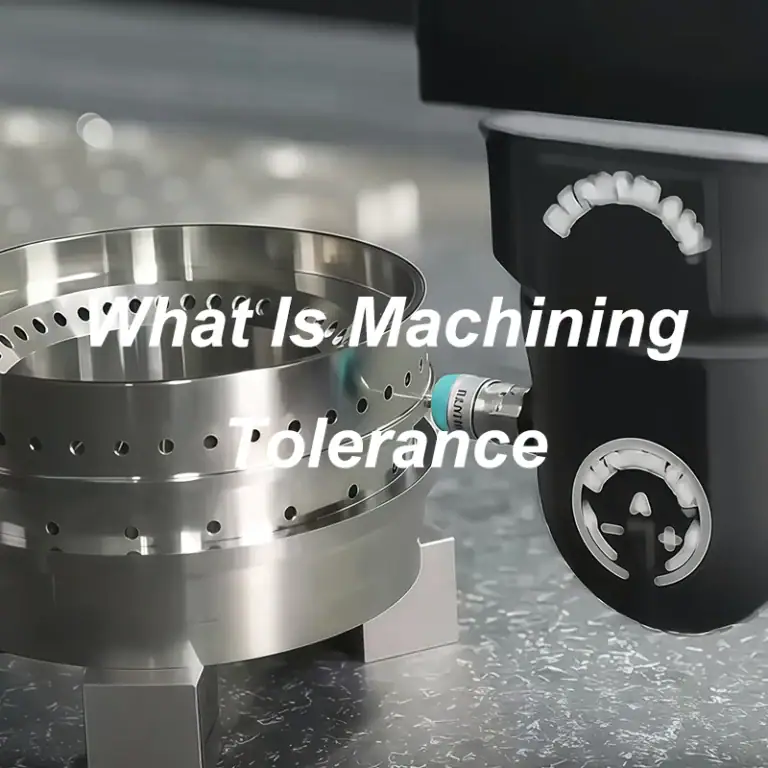
- Quality Inspection Control: Coordinate measuring machines and optical inspection equipment are used to verify dimensional accuracy and surface quality.
A standardized machining process ensures consistency in mass production of industrial robot components while improving manufacturing efficiency and providing reliable supply support for robot manufacturers.
Application Scenarios, Functions, and Performance of CNC Machined Industrial Robot Parts
As industrial robots continue expanding into different industries, various applications require different structural designs and performance characteristics. Precision CNC machining can provide customized manufacturing services based on specific operating environments, meeting the requirements of robots working under high-speed movement, heavy loads, and complex conditions.
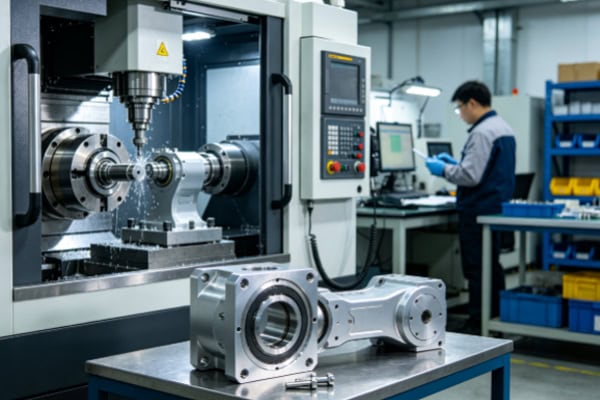
Application Scenarios of CNC Machined Components in Industrial Robots
Industrial robots rely on multiple precision components to complete movement, rotation, positioning, and task execution. CNC machining can cover key structural components within robotic systems and provide a reliable mechanical foundation for automation equipment.
Common application scenarios include:
- Automotive Manufacturing Robots: Welding, painting, and assembly robots require high-strength structural components. CNC machining can manufacture durable mechanical parts to support continuous production.
- Electronic Manufacturing Robots: Electronic production requires extremely accurate positioning. Precision-machined components can improve equipment movement accuracy.
- Logistics Handling Robots: Material handling equipment operates under continuous loads and requires strong connection parts and support structures to ensure safe operation.
- Medical Automation Robots: Medical equipment requires high precision and clean manufacturing conditions. CNC machining can produce complex precision structures that meet strict requirements.
Different application environments have different requirements for materials, machining accuracy, and surface treatments. Professional machining solutions can provide more suitable components according to specific robot requirements.
Functional Performance of Industrial Robot Precision CNC Parts
During operation, industrial robots require components that maintain stable movement while withstanding long-term mechanical forces. High-quality CNC machined parts can improve overall robot performance and allow equipment to operate accurately and efficiently.
Key functional characteristics include:
- Improved Motion Accuracy: Precision machining ensures consistent component dimensions, allowing smoother robotic joint movement.
- Enhanced Structural Stability: High-strength materials and accurate processing enable components to withstand long-term operating pressure.
- Optimized Equipment Weight: CNC machining supports lightweight structural designs, helping improve robot efficiency.
- Better Assembly Performance: Precise dimensional control reduces fitting gaps and improves overall equipment performance.
- Support for Complex Designs: Multi-axis machining technology enables production of complex structures that are difficult to manufacture using traditional methods.
Through precision manufacturing technology, industrial robots can maintain stable performance in high-speed and high-frequency working environments, meeting the requirements of modern automated production.
Future Development Trends of Industrial Robot Precision CNC Machining Solutions
With the continuous improvement of industrial automation, robotic equipment is developing toward higher precision, faster operation, and greater intelligence. Future robot component manufacturing must not only meet traditional mechanical requirements but also adapt to more complex designs and rapid product updates. CNC machining technology will continue combining with smart manufacturing systems to provide more flexible manufacturing support for the robotics industry.
Intelligent CNC Machining Improves Industrial Robot Component Production Efficiency
The development of smart manufacturing technology is driving CNC machining toward automation and digital transformation. Through intelligent equipment management, automated inspection, and data analysis, manufacturers can further improve production efficiency and component quality.
Key features of intelligent machining include:
- Automated Production Management: Automated loading and unloading systems reduce manual operations and improve continuous machining capability.
- Real-Time Quality Monitoring: Inspection systems can quickly detect machining deviations and improve product consistency.
- Digital Process Optimization: Production parameters can be adjusted based on machining data to increase efficiency.
- Fast Production Response: Supports small-batch and multi-model component manufacturing for robot manufacturers.
Intelligent CNC production methods help companies shorten development cycles and accelerate the upgrading of robotic products.
Customized CNC Machining Meets Innovative Robot Manufacturing Requirements
Industrial robot designs continue evolving, and standardized components cannot satisfy all equipment requirements. Customized CNC machining solutions can be adjusted according to robot types, working environments, and performance requirements, providing more accurate manufacturing services.
Customized machining services include:
- Optimizing machining solutions based on robot structural designs;
- Selecting suitable materials according to load requirements to improve service life;
- Controlling machining accuracy according to equipment installation requirements;
- Performing quality verification based on product testing standards.
Professional industrial robot precision CNC parts machining solutions help robot manufacturers improve product quality, reduce production risks, and provide reliable component support for the development of smart manufacturing industries.