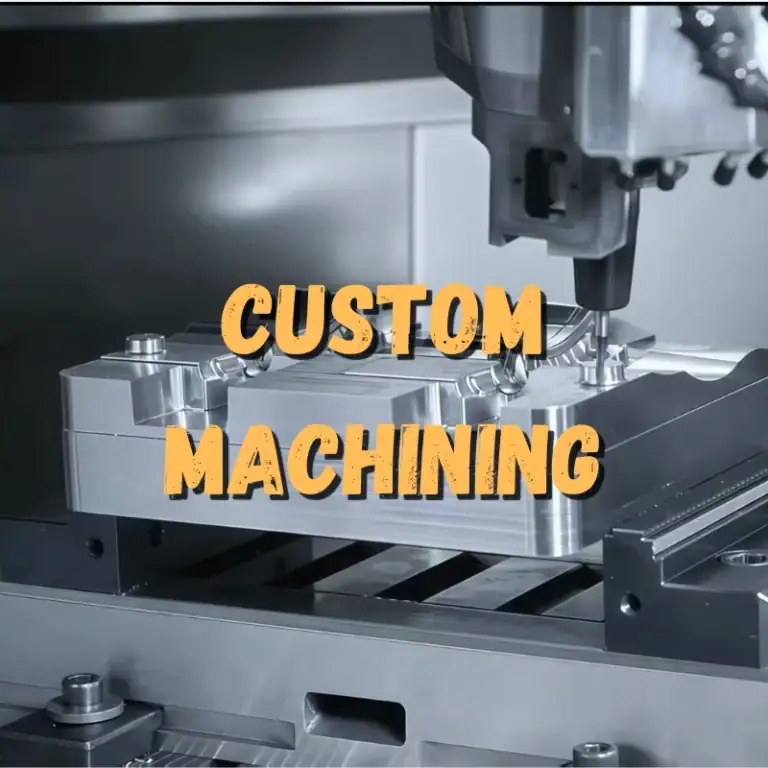
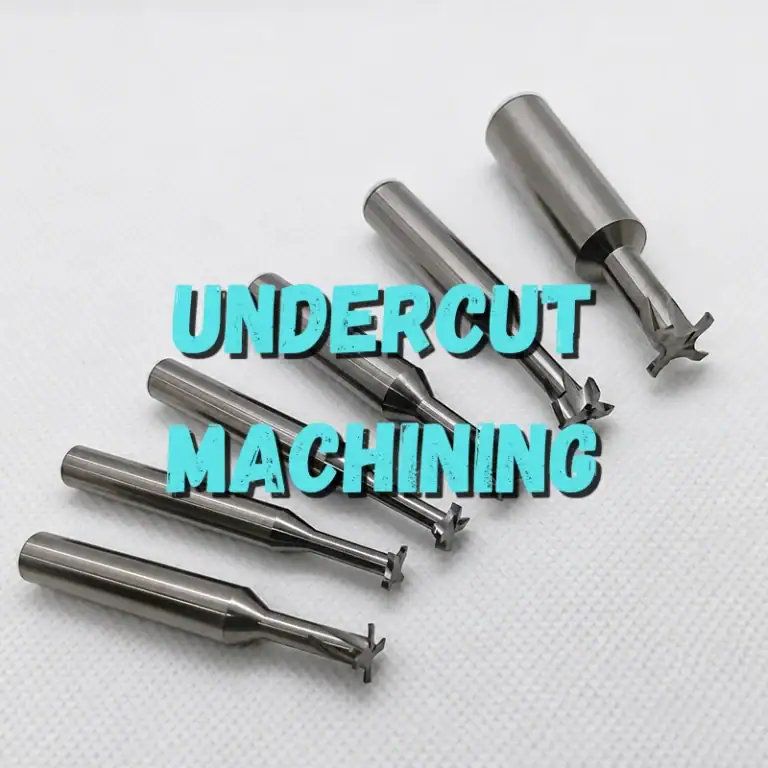
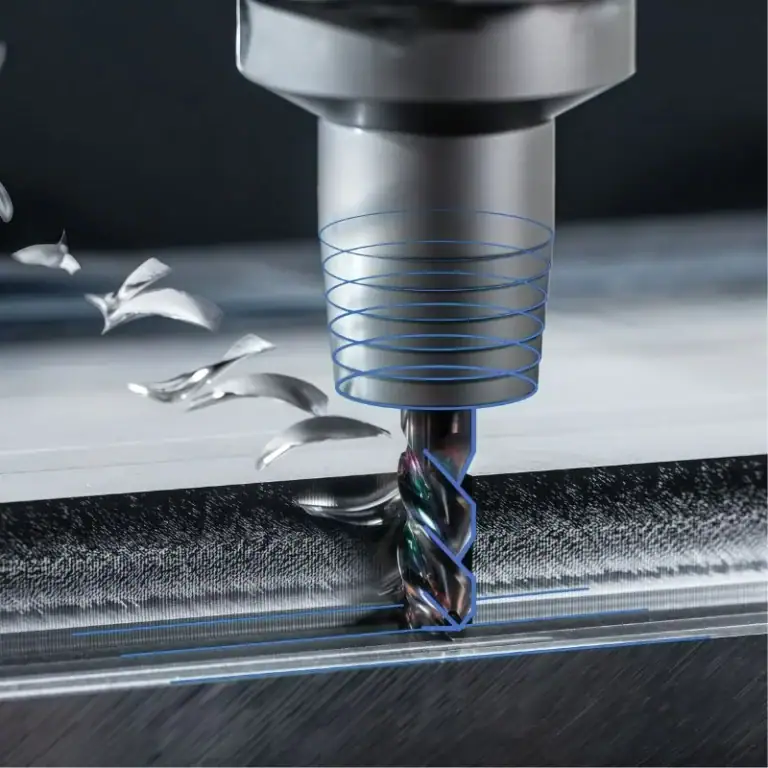
Aluminum alloy parts in PCB equipment are used in various positions, and different components have different requirements for dimensional accuracy and structural strength. For equipment R&D and procurement teams, part manufacturing requires comprehensive consideration of overall manufacturing conditions. Developing a machining solution according to the application of each part can reduce structural adjustments and assembly issues, making equipment development more efficient.
Which Aluminum Alloy Parts in PCB Equipment Are Suitable for CNC Machining?
PCB equipment contains a wide range of structural and functional components. Different parts perform different functions, so machining processes need to be planned according to their specific structures.
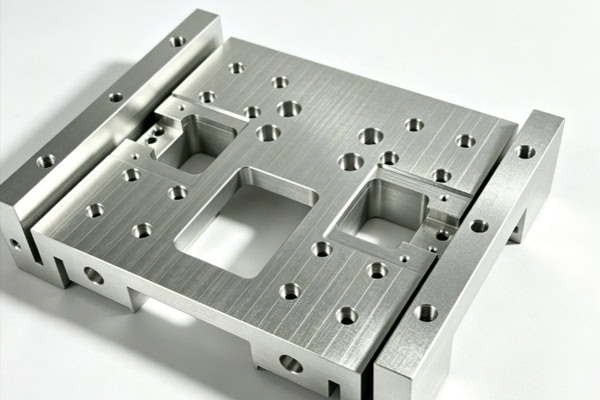
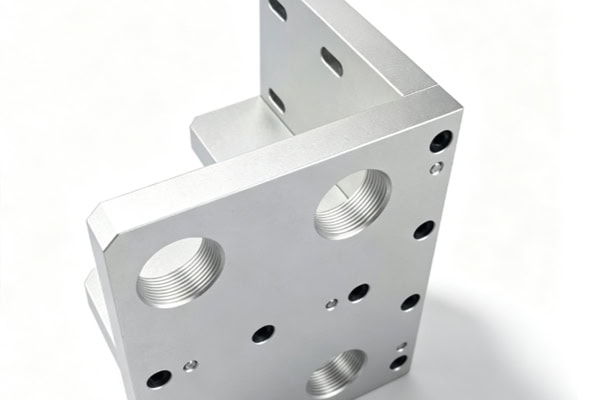
Mounting Plates and Equipment Structural Parts
Mounting plates and structural components mainly provide module fixation and support. The key machining requirements focus on flatness, hole positions, and overall dimensions.
- Equipment Mounting Plates: Threaded holes, locating holes, and mounting slots need to be accurately machined to ensure that other modules can be installed in the designed positions.
- Support Frames: Need to balance lightweight construction and structural rigidity to prevent noticeable deformation during equipment operation.
- Connection Plates: Hole spacing and connection surfaces need to remain consistent to reduce accumulated errors after multiple components are assembled.
Proper control of structural dimensions helps improve the assembly stability of PCB equipment.
PCB Fixtures and Positioning Components
PCB processing, inspection, and assembly operations are sensitive to positioning accuracy. Aluminum alloy fixture components need to be designed according to PCB dimensions and process requirements.
- Fixture Base Plates: Machined with locating holes, mounting holes, and clearance slots to provide a stable mounting foundation for PCBs or functional modules.
- Positioning Bases: Focus on controlling the dimensional and positional relationships of locating surfaces.
- Guide Structures: Clearance needs to be controlled according to the direction of movement to reduce jamming during operation.
Matching the positioning structure with the equipment’s motion requirements can improve workpiece repeat positioning consistency.
Common Parts and Machining Priorities
Aluminum alloy parts can vary significantly in structure. During procurement, machining priorities can be quickly identified according to the function of each component.
| Part Type | Common Aluminum Alloys | Main Machining Considerations |
| Mounting plates | 6061, 6082 | Flatness, hole positions, threads |
| Fixture base plates | 6061, 7075 | Positioning accuracy, hole spacing, flatness |
| Guide rail bases | 6061, 7075 | Fit dimensions, parallelism |
| Connection components | 6061, 7075 | Hole positions, perpendicularity, assembly accuracy |
| Heat dissipation structures | 6063, 6061 | Heat dissipation surfaces, groove width, surface quality |
| Precision support components | 7075, 6082 | Rigidity, dimensional accuracy, positional accuracy |
Selecting materials and machining standards according to the function of each part is more appropriate than choosing materials based solely on material cost.
How Can the Accuracy of Aluminum Alloy Parts for PCB Equipment Be Controlled?
PCB equipment parts often contain numerous holes, slots, and datum surfaces. Even small machining deviations can affect subsequent assembly, so accuracy needs to be controlled from the process planning stage.
Conduct DFM and Drawing Reviews Before Machining
Before machining, the part structure should be reviewed from a manufacturing perspective, with particular attention to thin walls, deep cavities, dense hole patterns, and special tolerances.
- Check Critical Dimensions: Distinguish between general dimensions and those directly affecting assembly.
- Confirm Machining Datums: Determine appropriate positioning surfaces according to the final assembly relationship of the part.
- Optimize Thin-Wall Structures: Prevent machining deformation caused by insufficient local rigidity.
- Check Tool Accessibility: Reduce machining difficulties caused by deep grooves, internal corners, and similar features.
Identifying manufacturing challenges in advance can reduce the possibility of rework and drawing modifications.
Select the Machining Method According to Part Structure
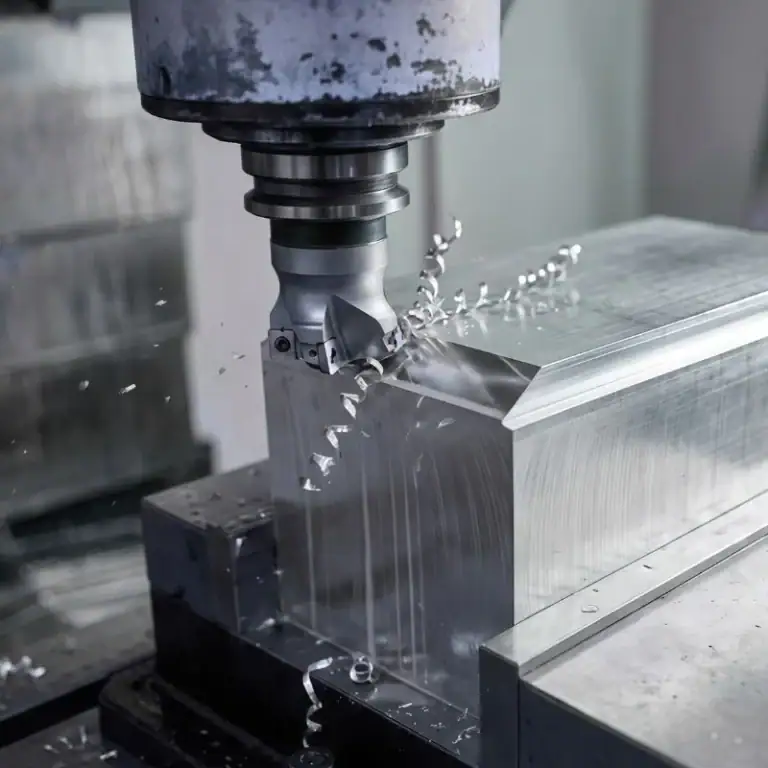
Aluminum alloys offer good machinability, but complex PCB equipment components still require suitable CNC machines and tooling based on their structures.
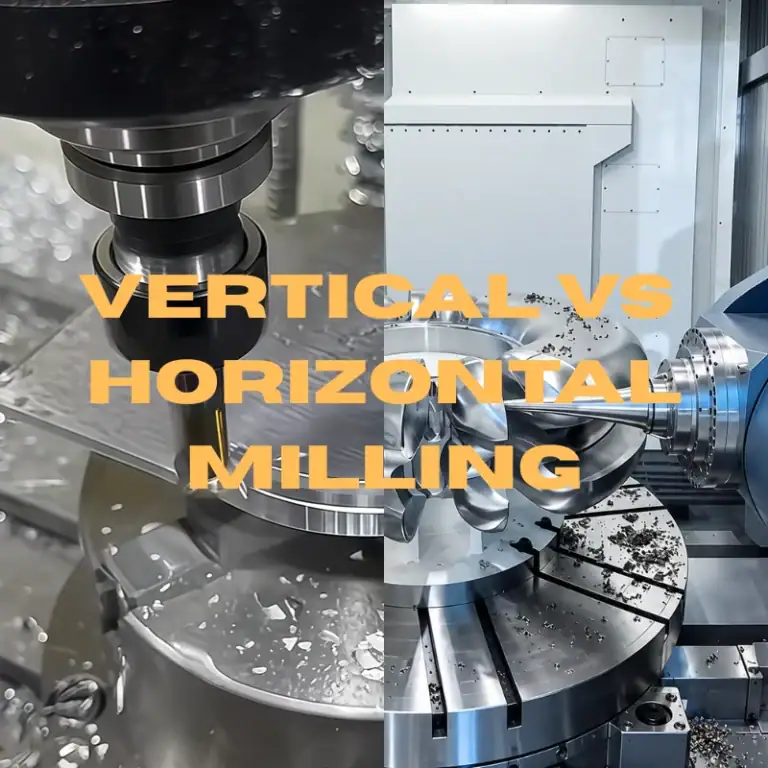
- 3-Axis CNC: Suitable for conventional mounting plates, base plates, and brackets.
- 4-Axis CNC: Suitable for parts with multi-directional holes or side features.
- 5-Axis CNC: Suitable for complex curved surfaces, multi-sided structures, and parts where repeated setups need to be minimized.
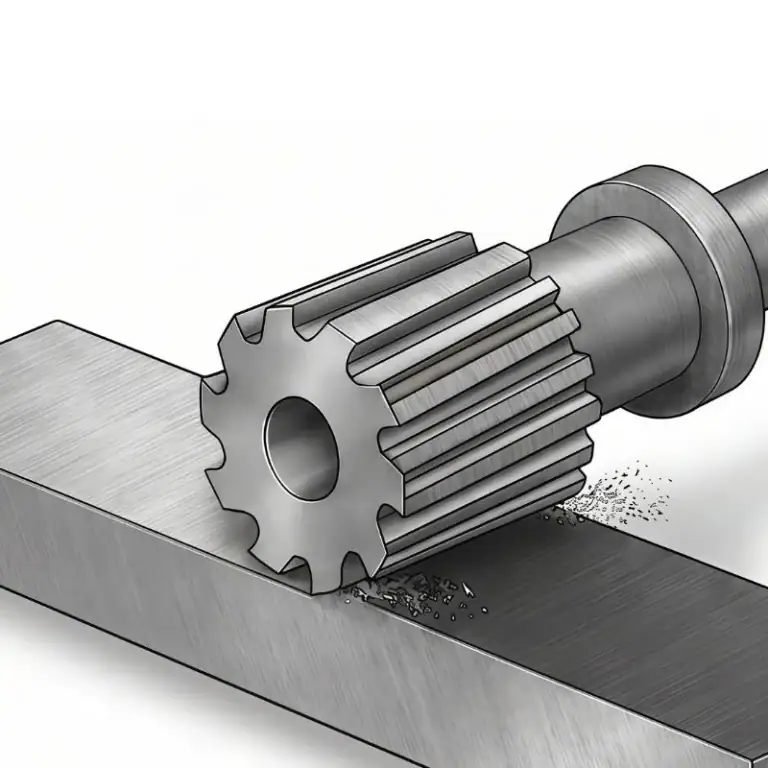
- Precision Milling: Suitable for machining grooves, holes, steps, and complex profiles.
Matching the machining equipment to the part structure makes it easier to balance accuracy, efficiency, and cost.
Inspect Critical Dimensions After Machining
After machining, dimensions and geometric accuracy should be checked according to the drawings. Hole diameters and spacing should be verified to ensure accurate installation of PCB fixtures and equipment modules. Flatness and parallelism should be checked to confirm the condition of mounting datums and guide surfaces. Position accuracy and perpendicularity should be verified to confirm the relationship between hole patterns and connection structures. CMM inspection is suitable for precision aluminum alloy parts with complex structures and strict dimensional requirements.
How Should Materials and Surface Treatments Be Selected for Aluminum Alloy Parts in PCB Equipment?
The aluminum alloy grade and post-processing method affect part strength, wear resistance, corrosion resistance, and appearance. Selection should be based on the actual application position.
Select Aluminum Alloys According to Load and Structure
Different aluminum alloys have different performance characteristics. Equipment parts should be matched to the required load and machining structure.
- 6061 Aluminum Alloy: Suitable for common structures such as mounting plates, brackets, and connectors.
- 6082 Aluminum Alloy: Suitable for equipment components requiring a certain level of strength and structural stability.
- 7075 Aluminum Alloy: Suitable for precision structural components requiring higher strength while maintaining low weight.
Matching material properties with the actual loading conditions helps balance structural reliability and equipment weight reduction.
Determine Surface Treatment According to the Operating Environment
In addition to dimensional accuracy, PCB equipment parts require suitable surface treatments based on operating conditions and appearance requirements.
- Anodizing: Can improve aluminum alloy surface hardness and corrosion resistance.
- Sandblasting: Can improve surface texture and appearance consistency.
- Precision-Finished Surfaces: Suitable for parts requiring specific flatness, surface roughness, or assembly contact surfaces.
- Customized Surface Treatments: Can be selected according to wear resistance, insulation, or appearance requirements.
Matching the surface treatment to the operating environment can improve the long-term surface performance of the parts.
What Capabilities Should You Look for in a PCB Equipment Aluminum Alloy Parts Supplier?
PCB equipment projects usually go through prototype verification, structural adjustments, and batch procurement. Suppliers need to provide consistent machining and engineering support throughout these stages.
Evaluate Precision Aluminum Alloy Machining Capabilities
When purchasing machining services, focus on whether the supplier can consistently handle complex aluminum alloy structures. Multi-axis CNC machining should cover parts with different levels of complexity, thin-wall machining should reduce deformation risks, precision hole and groove machining should meet the assembly requirements of fixtures, mounting plates, and connection components, and integrated surface treatment capabilities can reduce communication costs for post-processing.
Evaluate the Transition from Prototypes to Batch Production
During PCB equipment development, dimensions or structures often need to be adjusted based on trial assembly results, making the supplier’s engineering response capability an important consideration.
- DFM Review: Identify difficult-to-machine structures and potential manufacturing risks in advance.
- Rapid Prototyping: Facilitate assembly testing by R&D teams.
- Dimensional Inspection: Use inspection data to confirm that critical dimensions meet drawing requirements.
- Batch Production: Continue validated part solutions into subsequent orders in a stable manner.
Smooth coordination between prototypes, inspection, and mass production can reduce repeated communication after a project enters the batch production stage.
The manufacturing quality of aluminum alloy parts for PCB equipment can affect fixture positioning, module installation, equipment operation, and maintenance efficiency. In actual production, materials and processes should be determined according to part structure, operating loads, and drawing requirements. TiRapid provides integrated manufacturing services to support PCB equipment manufacturers with precision part machining.