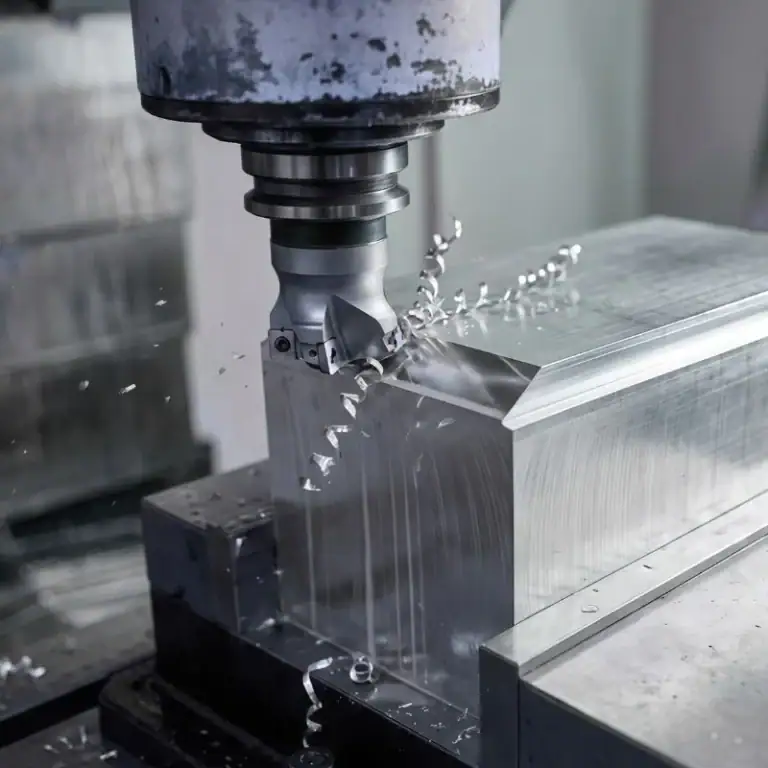
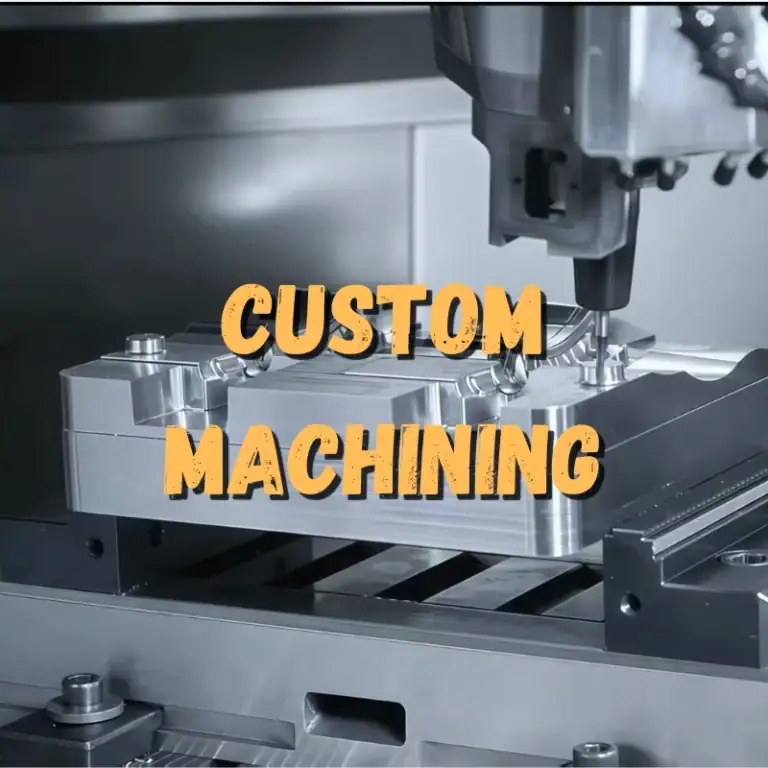
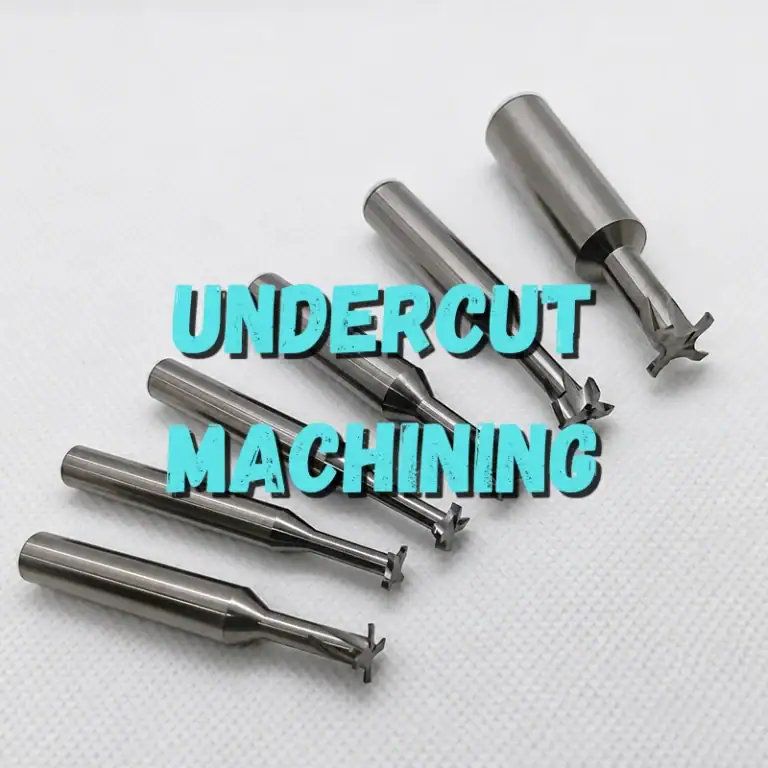
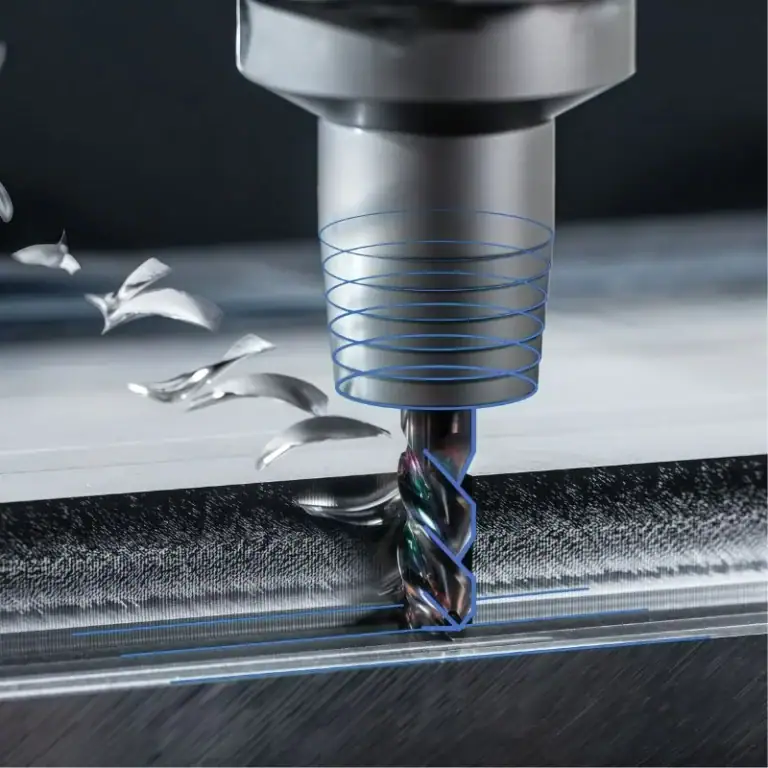
Industrial automation robots are widely used in electronics manufacturing, automotive production, mechanical processing, logistics sorting, packaging and palletizing, welding, assembly, and smart warehousing. During gripping, handling, positioning, and assembly operations, robots rely on a wide range of precision accessories for power transmission, structural connection, tool mounting, and motion positioning. Common components include robot connection flanges, end-effector components, gripper parts, mounting bases, adapter plates, locating blocks, transmission connectors, guide components, and customized mechanical interfaces. CNC precision machining can manufacture these parts according to engineering drawings and 3D models through milling, turning, drilling, tapping, boring, and chamfering. Combined with precision inspection and surface treatment, CNC machining provides stable dimensional accuracy and assembly performance for automation equipment.
Core Advantages of CNC Machining for Industrial Automation Robot Accessories
Industrial automation robot accessories often feature compact dimensions, complex structures, precise interfaces, and a high degree of customization. Many accessories need to connect directly with robot bodies, motors, reducers, grippers, sensors, or automated tooling. Even small deviations in hole positions or mounting dimensions can affect equipment operation. CNC machining uses digitally controlled tool paths to process different component structures and achieve complex profiles and interface features while maintaining consistent dimensional accuracy.
Precision Interface Machining Improves Robot Assembly Accuracy
Robot accessories often need to connect directly with other mechanical modules. For example, a connection flange needs to match the robot wrist interface, an adapter plate may need to align with mounting holes on both the robot and end tool, while a gripper mounting component needs to connect accurately with cylinders, motors, or other actuators. CNC machining can precisely produce mounting holes, locating holes, threaded holes, counterbores, and mating surfaces to establish stable mechanical connections.
For automation accessories that require frequent installation and removal, consistent hole positioning and locating accuracy are particularly important. Using standardized machining references and accurate positioning can reduce assembly deviations and make tool replacement and equipment maintenance more convenient.
Multiple Materials Meet Different Automation Equipment Requirements
Material selection for robot accessories depends on load, movement speed, wear resistance, weight, and working environment. Aluminum alloys are suitable for robot adapter plates, gripper bodies, mounting bases, and lightweight connection components because they can reduce the weight of moving parts. Steel and alloy steel are suitable for connection components, shafts, and transmission structures exposed to higher mechanical loads. Stainless steel is suitable for humid, corrosive, or demanding production environments.
Copper alloys can also be selected for certain components requiring good electrical conductivity or wear resistance. CNC machines can adjust cutting tools, spindle speed, feed rate, and cutting depth according to material hardness and component geometry, helping maintain stable machining quality for different materials.
Customized CNC Machining Supports Complex Robot Accessory Designs
Industrial automation equipment is often customized rather than completely standardized. Different robot models, end tools, and production line layouts may use different mounting interfaces, creating a need for customized components. CNC machining can generate manufacturing programs directly from CAD drawings or 3D models, making it suitable for single prototypes, small-batch customized components, and continuous production.
Complex components such as irregular connectors, multi-hole adapter plates, customized grippers, and curved mounting bases can be produced through multi-axis machining, precision milling, and appropriate workholding methods. For thin-wall components, staged material removal and controlled cutting loads can help reduce machining deformation.
Machining Methods and Application Scenarios for Industrial Automation Robot Accessories
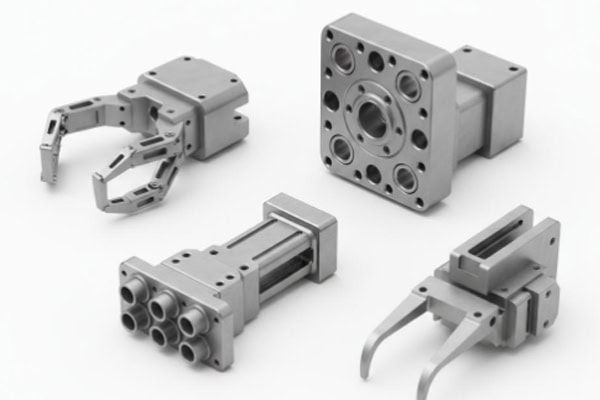
Robot accessory machining needs to be planned according to the actual assembly relationship of each component. Different parts have different dimensional, material, and functional requirements. Connection flanges emphasize hole positioning and locating accuracy, gripper components require stable movement and structural strength, while transmission shafts require control of shaft diameter, concentricity, and surface quality. A suitable manufacturing process allows CNC machining to meet the diverse requirements of automation equipment.
CNC Machining Process for Automation Robot Accessories
A well-defined machining process helps maintain stable dimensions and assembly performance, particularly for customized and batch orders. A typical production workflow includes the following steps:
- Technical data confirmation: Review CAD drawings, 3D models, material specifications, dimensional tolerances, thread standards, hole relationships, and surface treatment requirements.
- Component process planning: Determine machining references, workholding methods, and operation sequences according to the component structure to reduce positioning errors.
- Material and blank inspection: Verify the specifications, dimensions, and surface condition of aluminum alloy, steel, stainless steel, or other materials.
- CNC program development: Design tool paths according to the component geometry and select suitable spindle speed, feed rate, cutting depth, and cooling method.
- Critical interface machining: Focus on mounting holes, locating holes, shaft bores, threaded holes, connection surfaces, and tool mounting interfaces.
- First article inspection: Check hole diameter, hole spacing, flatness, positional accuracy, and key mating dimensions, then optimize machining parameters when required.
- Batch production: Monitor tool wear and machine operating conditions to minimize dimensional changes during continuous machining.
- Final inspection and surface treatment:Complete deburring, cleaning, and dimensional inspection, followed by anodizing, blasting, passivation, or other treatments according to application requirements.
This process allows robot accessories to have a traceable quality control path from raw material preparation to final inspection. Validated CNC programs can also be reused for repeat orders, improving production consistency.
Applications in Robot End Effectors and Gripper Components
End effectors are the mechanisms that directly interact with workpieces. Common examples include mechanical grippers, vacuum suction tools, welding tools, grinding tools, and specialized gripping mechanisms. Their supporting components often include gripper bodies, connection flanges, adapter plates, fingers, guide blocks, and locating components.
CNC machining can produce customized grippers according to workpiece geometry and gripping requirements. For gripper structures that open and close frequently, particular attention can be given to sliding surfaces, pin holes, and mounting holes. For vacuum gripping systems, CNC machining can create pneumatic connection interfaces and mounting structures. Accurate accessory dimensions help maintain stable tool positioning and improve the repeatability of automated gripping operations.
Applications in Automated Production Lines, Logistics, and Assembly Equipment
Automated production lines often require robots to work together with conveyors, inspection systems, fixtures, positioning mechanisms, and warehouse equipment. This creates demand for a large number of customized components. For example, robot adapter bases can connect different end tools, locating blocks can guide workpieces into accurate processing positions, guide components can maintain stable movement paths, and connection plates can secure different equipment modules.
In logistics sorting and smart warehousing, robots frequently perform gripping, handling, and placement operations, exposing accessories to repeated mechanical loads. In electronics assembly, components are often compact and require precise mounting interfaces and locating features. CNC machining can quickly manufacture customized components according to different equipment structures.
| Robot Accessory | Common Materials | CNC Machining Processes | Key Performance Requirements |
| Robot connection flange | Aluminum alloy, stainless steel | Milling, drilling, tapping | Hole positioning, flatness, locating accuracy |
| End-effector adapter plate | Aluminum alloy, steel | Precision milling, drilling | Hole spacing, interface compatibility, rigidity |
| Mechanical gripper body | Aluminum alloy, alloy steel | Milling, drilling, tapping | Dimensional stability, strength, motion fit |
| Gripper finger | Stainless steel, alloy steel | Milling, turning | Wear resistance, dimensional accuracy |
| Guide block | Aluminum alloy, stainless steel | Milling, drilling | Mating accuracy, surface quality |
| Robot mounting base | Aluminum alloy, steel | Milling, drilling, tapping | Load capacity, flatness |
| Transmission connector | Alloy steel, stainless steel | Turning, milling, boring | Concentricity, strength, durability |
| Automation locating block | Aluminum alloy, steel | Precision milling, drilling | Positioning accuracy, repeat-use stability |
Functional and Performance Control of Robot Accessories
Although automation robot accessories may be smaller than the main robot structure, their functions directly affect the connection and movement of equipment modules. A dimensionally stable adapter can support quick replacement of different tools, a precision gripper component can improve gripping positioning, and a reliable transmission connector can maintain stable power transfer. During CNC machining, critical dimensions need to be controlled according to the actual function of each accessory, while material properties, surface quality, and long-term durability also require attention.
Connection, Positioning, and Motion Transmission Functions
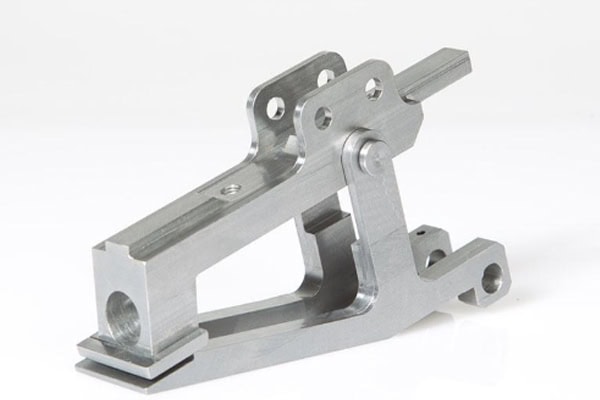
One of the primary functions of robot accessories is to establish reliable connections between mechanical modules. Flanges, adapter plates, and mounting bases maintain the positional relationship between robots and tools or other equipment, while locating pin holes and precision mounting holes establish accurate assembly references. Shafts, couplings, and transmission components also require accurate shaft diameters, keyways, and concentricity.
CNC machining can produce multiple interface features within a stable machining coordinate system, reducing accumulated errors between different operations. For components requiring motion interaction, precision finishing can control contact surfaces and mating clearances, helping robot actuators operate smoothly.
Control of Wear Resistance, Strength, and Long-Term Operating Performance
Robot accessories frequently experience continuous movement and repeated assembly, making them susceptible to friction, impact, and mechanical loads over time. Gripper fingers, guide components, and transmission connectors need appropriate materials based on their operating loads, combined with precision machining of critical dimensions. Aluminum alloy components can receive anodizing or similar surface treatments to improve surface durability, while steel and stainless steel components can use passivation, coating, or other processes according to the operating environment.
During batch production, tool wear may gradually affect hole diameter, groove width, flatness, and profile dimensions. Critical dimensions should therefore be controlled using established inspection standards. For robot accessories intended for long-term use, manufacturers can also record material batches, CNC programs, machining parameters, and final inspection data. This allows future repeat orders to use validated production processes.
CNC machining for industrial automation robot accessories is suitable for robot connection components, end effectors, grippers, adapter plates, mounting bases, locating components, guide parts, and transmission accessories. Precision milling, turning, drilling, boring, and tapping can meet automation equipment requirements for interface accuracy, structural strength, motion compatibility, and long-term durability. With flexible customization capabilities, CNC manufacturing can support robot prototyping, customized accessory production, small-batch orders, and continuous volume production, providing reliable machining support for automation equipment upgrades and component maintenance.