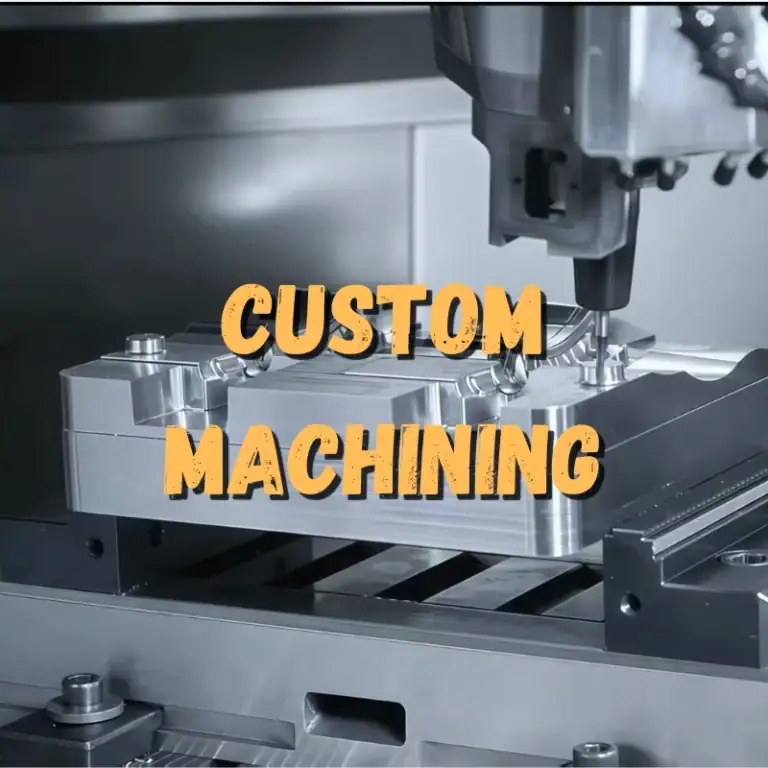
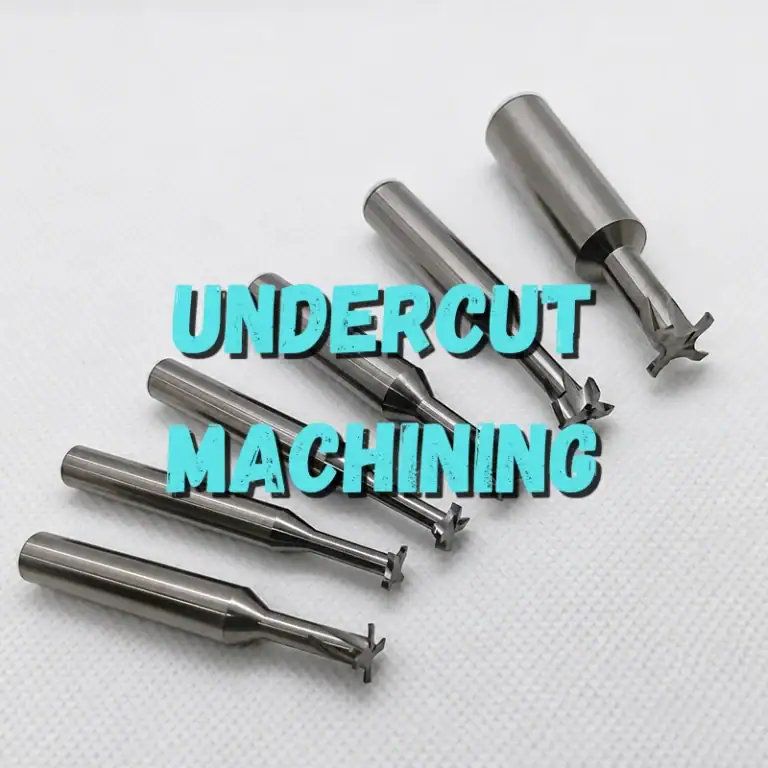
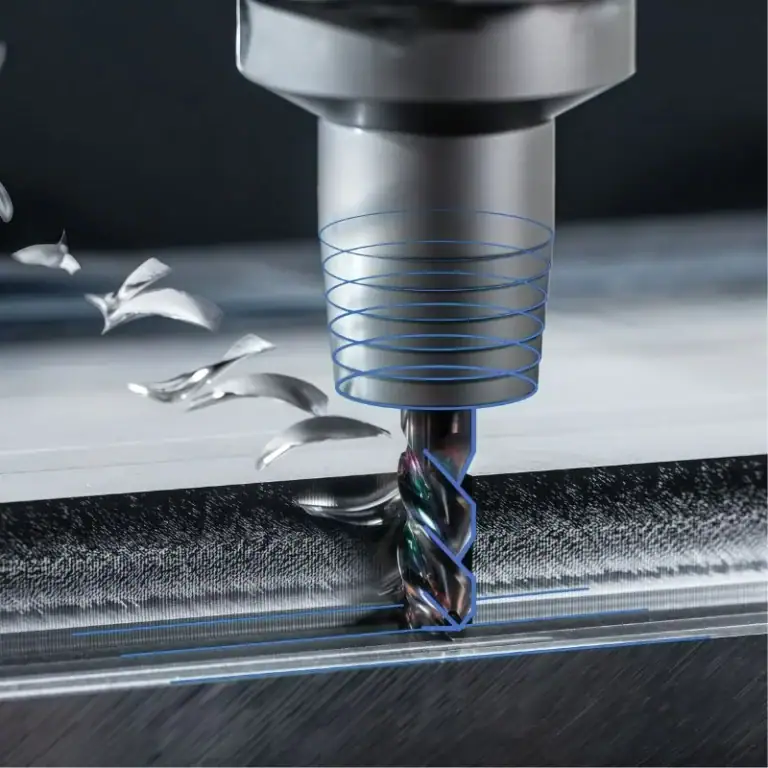
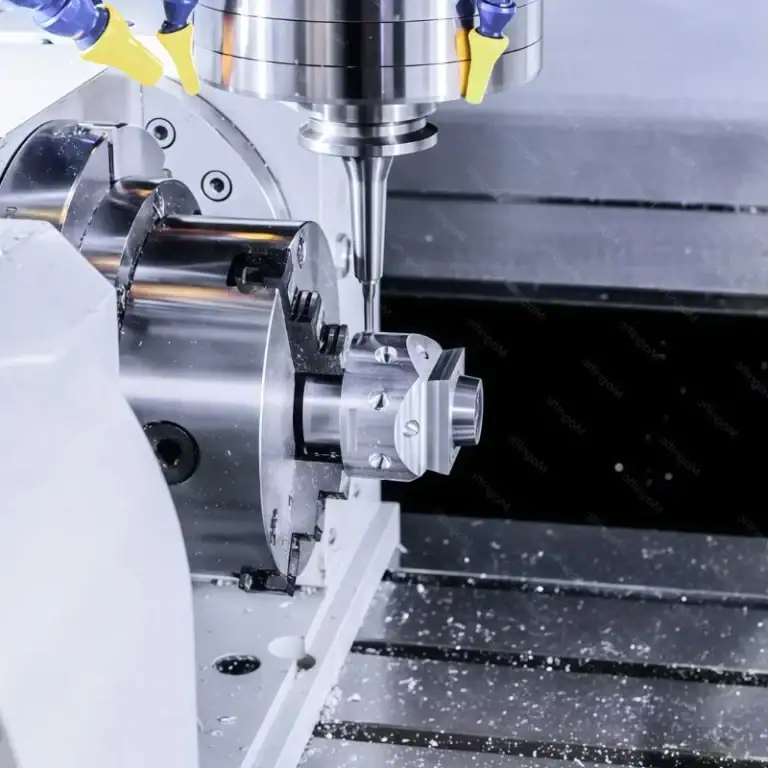
In the medical device industry, titanium alloy has always been an important material. It is widely used in orthopedic implants, surgical instruments, and precision components for advanced medical equipment due to its high strength, lightweight properties, corrosion resistance, and excellent biocompatibility. However, many customers discover that titanium alloy is not as easy to machine as expected when they start manufacturing parts. Its outstanding performance also brings challenges, including difficult cutting, rapid tool wear, and strict dimensional control requirements. Especially for medical-grade components, accuracy, safety, and surface quality must meet extremely high standards. Therefore, medical titanium alloy machining requires a carefully developed process, and precision machining technology plays a key role in ensuring reliable part quality.
Why Is Medical-Grade Titanium Alloy More Difficult to Machine?
Compared with common materials such as aluminum alloys and stainless steel, titanium alloy has unique material characteristics. In medical applications, parts must not only meet dimensional requirements but also provide long-term stability and safety. During the machining process, manufacturers need to fully understand titanium alloy properties and develop suitable methods to avoid quality issues.
Titanium Alloy Properties Affect Machining Performance
Titanium alloy offers excellent strength, lightweight performance, corrosion resistance, and biocompatibility. However, these advantages also make machining more challenging and require more precise process control.
- Titanium alloy has poor thermal conductivity, causing heat to concentrate around the cutting tool during machining.
- Its high strength increases cutting forces and tool stress.
- Work hardening can occur during machining, affecting cutting stability.
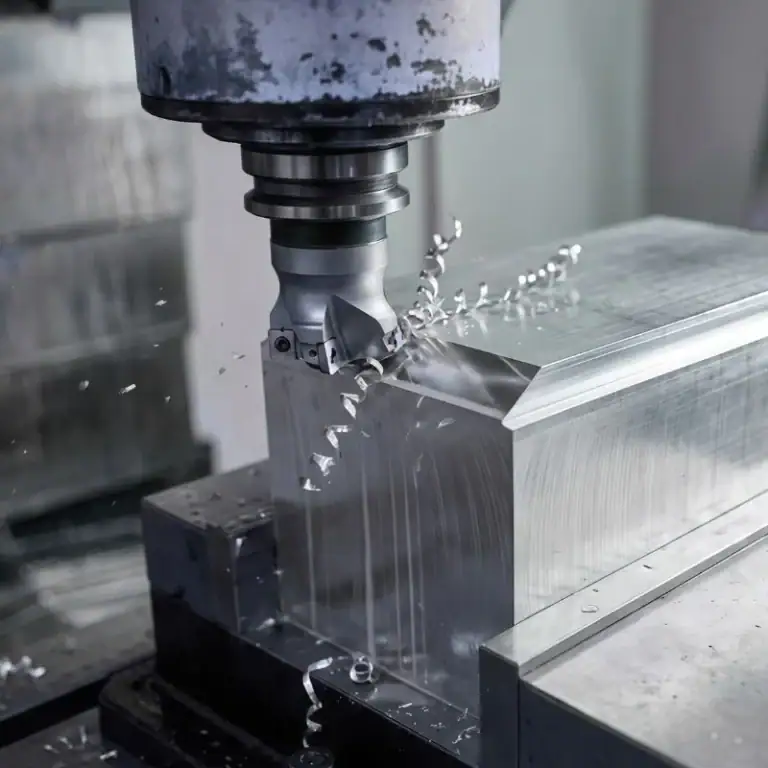
Because titanium alloy machining can easily lead to heat buildup and accelerated tool wear, precision machining requires careful control of cutting speed, feed rate, and cooling methods. Finding the right machining parameters helps reduce surface damage and improve overall machining stability.
Medical Parts Require Extremely High Dimensional Accuracy
Many titanium alloy components used in medical applications directly affect equipment performance and even patient safety. As a result, dimensional accuracy is one of the most important requirements. Even a small deviation may affect assembly or final performance.
- Hole positions, curved surfaces, and connection areas must maintain high accuracy.
- Dimensional errors need to be controlled within strict limits.
- Batch production requires consistent quality between individual parts.
For medical-grade components, precision machining is not only about achieving high accuracy but also maintaining stable quality across every production batch. High-precision equipment combined with strict inspection processes can effectively reduce dimensional variations.
Surface Quality Directly Affects Part Performance
In addition to dimensional accuracy, surface quality is another key factor for medical titanium alloy components. Surface roughness, machining marks, and defects can influence the reliability and performance of finished parts.
- Reduce scratches and defects generated during machining.
- Control surface roughness to improve part quality.
- Prevent surface damage from affecting future applications.
Therefore, medical-grade titanium alloy machining is not only about completing the machining process but also about achieving excellent surface results. High-quality surface finishing is an essential part of precision machining.
What Key Factors Should Be Considered in Medical Titanium Alloy Precision Machining?
Producing titanium alloy parts that meet medical requirements requires more than simply using high-precision equipment. The machining process must consider part structure, material characteristics, and application requirements. Many machining problems actually come from insufficient preparation before production.
Select Suitable Machining Equipment
Medical titanium alloy parts often have complex structures and strict accuracy requirements, making equipment selection extremely important. Stable machining equipment helps reduce errors and improves consistency during production.
- Use high-rigidity CNC machining equipment to improve stability.
- Select multi-axis machining equipment for complex geometries.
- Maintain high positioning accuracy and repeatability.
The right machining equipment creates a more stable environment for titanium alloy processing. Especially for complex medical components, it reduces positioning errors and improves overall precision machining efficiency.
Optimize Tool Selection and Machining Parameters
During titanium alloy machining, tool selection and parameter settings directly affect final results. Incorrect choices can lead to excessive tool wear, lower efficiency, and unstable machining performance.
- Choose wear-resistant cutting tools suitable for titanium alloys.
- Control cutting speed to avoid excessive heat generation.
- Adjust feed rate properly to improve cutting stability.
- Use appropriate cooling methods to reduce machining temperature.
Proper tool management and parameter optimization can extend tool life while reducing dimensional changes during machining. For medical components, stable machining performance is usually more important than simply increasing production speed.
Reduce Part Deformation During Machining
Some medical components have small sizes but complex structures, or they may include thin-wall designs. These parts can easily deform under cutting forces, making process planning especially important.
- Design suitable fixturing methods according to part structure.
- Optimize machining sequences to reduce internal stress.
- Perform multiple inspections on critical dimensions.
By controlling the machining process properly, manufacturers can reduce deformation risks and maintain better dimensional stability of titanium alloy parts. This is also a key step in achieving high-quality precision machining.
How Can Medical Titanium Alloy Machining Quality Be Ensured?
Medical manufacturing has extremely strict quality requirements, and completing machining does not mean production is finished. A complete inspection and quality management system is necessary to ensure that titanium alloy components meet real application requirements. Every stage, from material confirmation to final inspection, requires careful control.
Perform Material and Process Analysis Before Machining
Before production begins, manufacturers need to analyze the material characteristics and part structure. Identifying potential difficulties in advance can prevent unnecessary problems during machining.
- Confirm that titanium alloy materials meet application requirements.
- Analyze difficult-to-machine areas of the part design.
- Develop a suitable machining strategy.
The more preparation completed before machining, the more stable the production process becomes. For medical-grade components, proper planning helps reduce trial-and-error costs and improves precision machining efficiency.
Strengthen Quality Monitoring During Machining
For high-precision medical components, process inspection is extremely important. If dimensional problems are discovered only after machining is completed, additional costs and delays may occur.
- Use professional measuring equipment to check critical dimensions.
- Adjust machining parameters according to inspection results.
- Monitor machine and tool conditions.
Real-time inspection helps engineers identify abnormal situations quickly and keep the machining process under control, improving the qualification rate of medical titanium alloy parts.
Conduct Strict Final Inspection After Machining
Final inspection is an important step in confirming whether parts meet requirements. In the medical industry, product reliability is especially important, and every detail must be carefully verified.
- Check whether dimensions meet drawing requirements.
- Confirm whether surface quality meets standards.
- Verify whether overall part performance meets application needs.
A complete quality inspection system provides customers with greater confidence and ensures that precision machining produces medical components with better consistency and reliability.
What Advantages Does Precision Machining Bring to Medical Titanium Alloy Manufacturing?
As medical technology continues to develop, the demand for high-performance, lightweight, and highly accurate components continues to grow. Although titanium alloy is difficult to machine, advanced precision machining technology makes it possible to manufacture complex structures with high accuracy and stable quality.
Improve the Ability to Machine Complex Medical Parts
Medical components are becoming increasingly sophisticated, and many designs cannot be completed easily with traditional manufacturing methods. More flexible machining technologies are required.
- Capable of producing complex curved surfaces and special structures.
- Supports customized medical component production.
- Meets different application requirements.
Advanced precision machining technology helps overcome complex manufacturing challenges, providing more possibilities for medical component design and production.
Ensure Stability in Batch Production
Medical manufacturers care not only about the quality of individual parts but also about consistency during long-term production. Stable machining capability directly affects product reliability.
- Reduce dimensional differences between production batches.
- Improve production process stability.
- Reduce rework and material waste.
Reliable machining performance allows customers to receive consistent product supply, making it especially suitable for medical equipment projects with strict quality requirements.
Meet High-Precision Manufacturing Requirements
Medical applications continue to demand higher accuracy standards. Precision machining provides reliable manufacturing solutions for these advanced requirements.
- Improve dimensional control capability.
- Enhance part surface quality.
- Increase product reliability.
Through advanced equipment, professional machining processes, and strict inspection methods, precision machining helps the medical industry manufacture titanium alloy components that meet demanding quality standards.
Medical-grade titanium alloy machining requires strict control over material selection, equipment performance, machining processes, and quality inspection. Since titanium alloy is challenging to process, only professional experience combined with suitable manufacturing strategies can ensure stable accuracy and reliable part quality. Tirapid specializes in precision machining services, providing high-precision CNC titanium alloy machining solutions to help customers achieve reliable custom manufacturing.