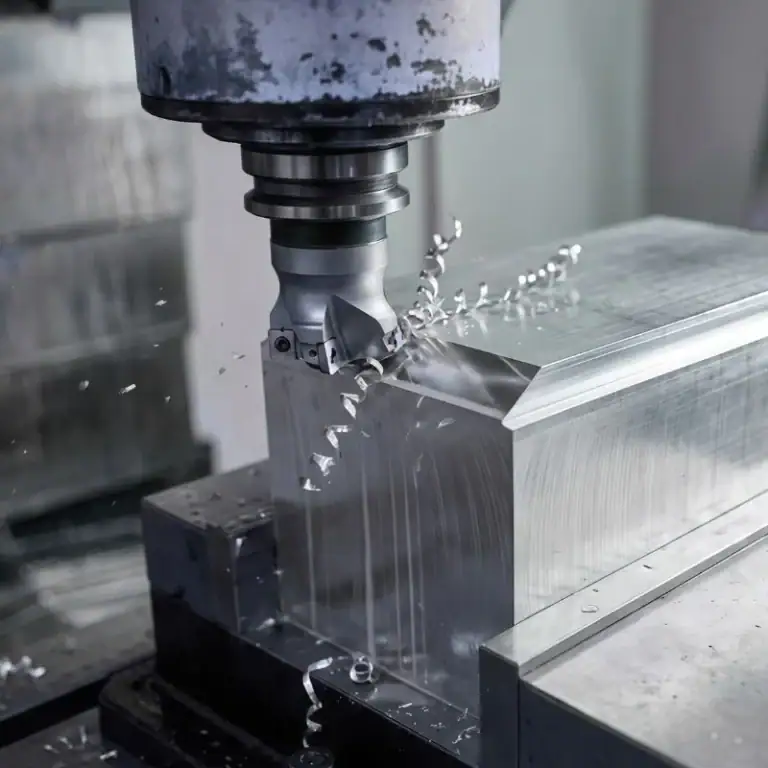
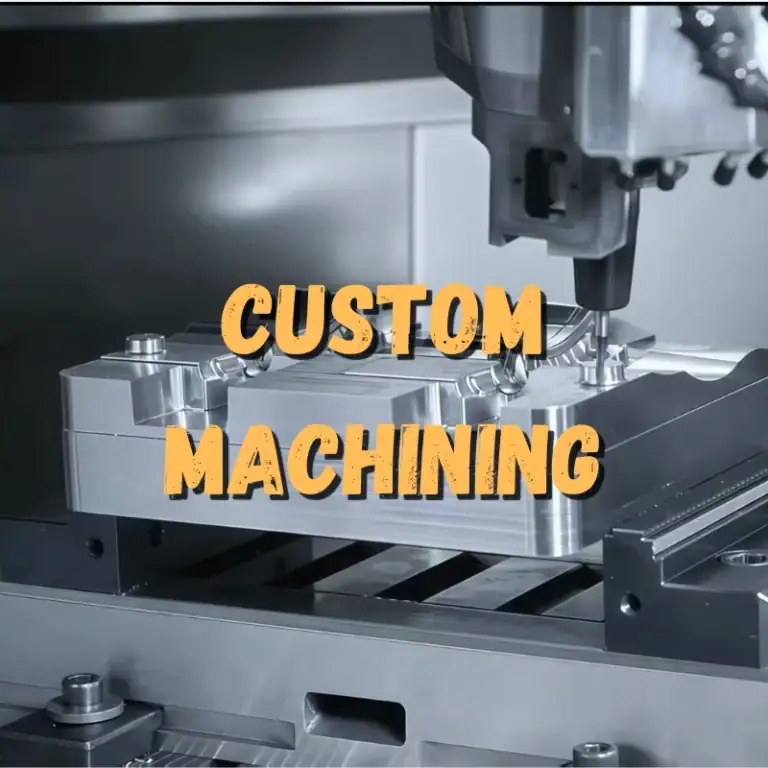
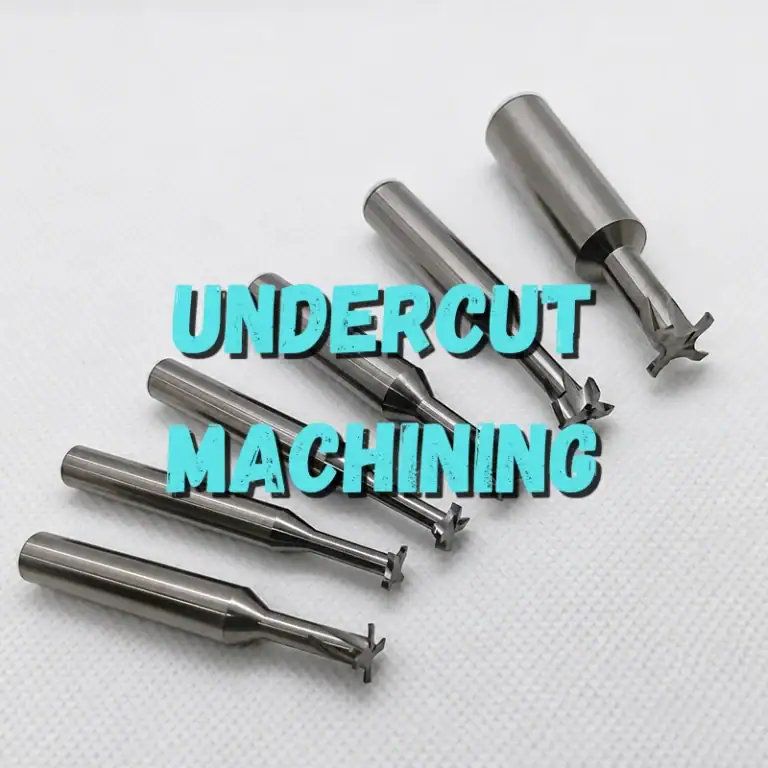
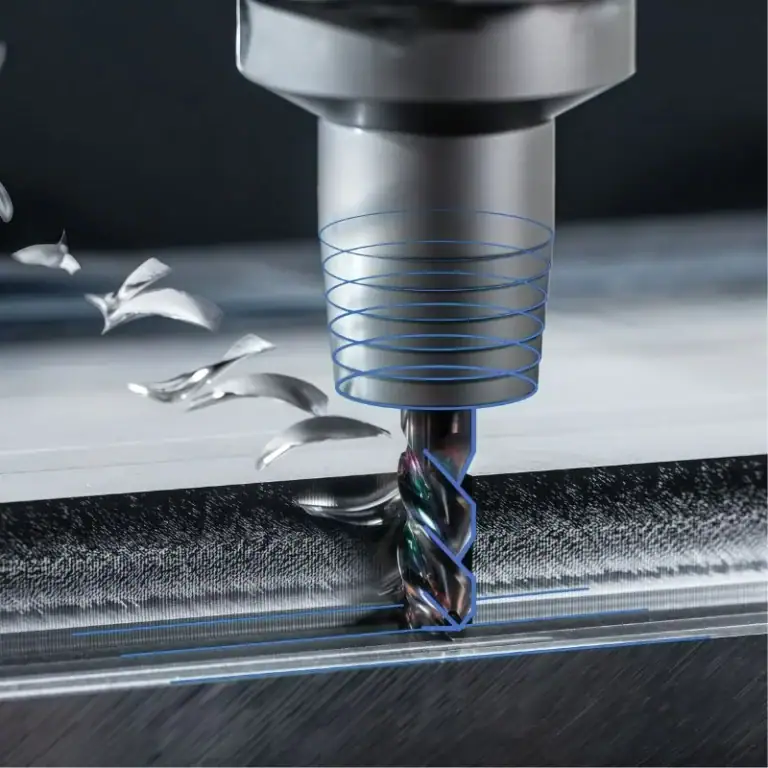
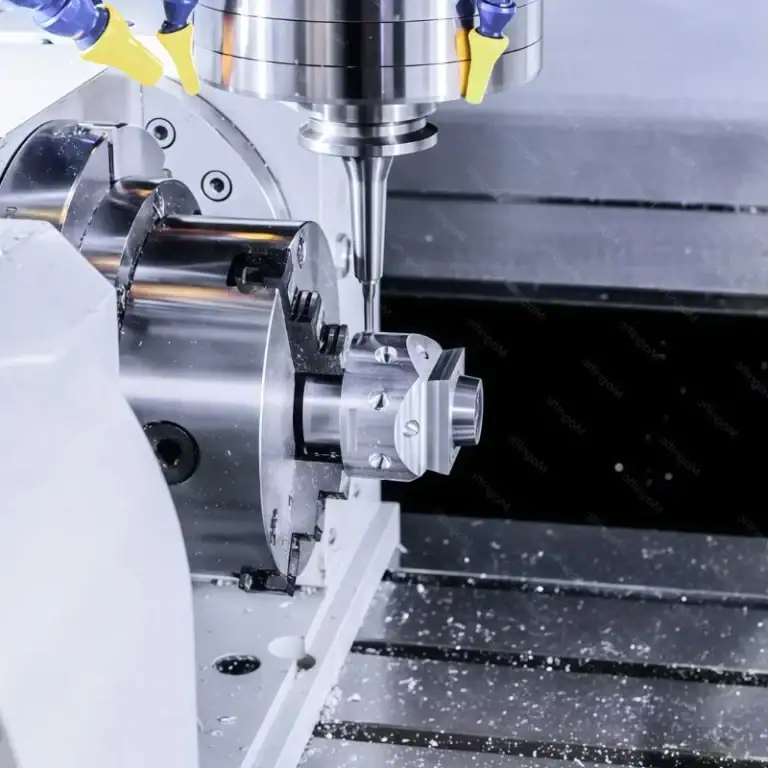
For many customers, machining reliability is often more important than low price alone. Whether a part can be manufactured consistently according to the drawing, whether dimensions remain stable, and whether deviations occur during batch production are all factors that directly affect project progress, rework costs, and delivery confidence. This is especially true for precision structural parts, assembly parts, and appearance parts, where excessive machining variation can easily affect subsequent testing and assembly. The reason CNC milling is so widely used lies in its ability to control risks in advance through programming, process planning, and inspection, making machining results more stable and predictable.
Reduce Machining Variation Through Early Process Design
To keep machining results stable over the long term, the first step is to minimize the sources of variation. The clearer the early process design, the easier it is to control the subsequent machining process, and the more consistent the part dimensions and surface condition will be.
Build a Solid Programming and Process Route Plan First
The reliability of CNC milling is often determined largely at the programming stage. Only by clearly defining datum surfaces, machining sequence, stock allowance, and toolpath planning in advance can dimensional drift or surface abnormalities be avoided later in the process. During programming, the positioning datum should be unified as much as possible to prevent cumulative errors caused by frequent datum changes between operations. At the same time, rough machining, semi-finishing, and finishing should be arranged reasonably according to the part structure to reduce cutting stress concentration and material deformation. For complex parts, different stages are usually handled separately, which not only reduces machining load but also helps final dimensions remain more stable. The clearer the process route, the easier it is to control the machining process, and the higher the overall reliability will naturally be.
Material Characteristics and Tool Selection Must Match
Different materials have very different cutting characteristics, and aluminum alloys, steel parts, stainless steel, and engineering plastics all require different tools and parameters. If the tool selection is not appropriate, problems such as burrs, chatter marks, tool breakage, or surface roughness not meeting requirements are likely to occur.
- Selecting the appropriate tool material and coating for different materials can improve tool wear resistance and enhance cutting stability.
- Adjusting cutting speed and feed rate according to material hardness, toughness, and thermal conductivity can reduce machining fluctuations caused by improper parameters.
- Optimizing chip removal and heat dissipation by combining coolant or dry machining methods helps reduce thermal deformation and extend tool life.
Proper matching of tool coatings, cutting parameters, and cooling methods can significantly improve the stability of CNC milling and reduce random errors during machining. The more accurately the material and tool are matched, the more consistent the machining results will be.
Clamping Method and Machine Condition Are Equally Critical
Many machining problems are not caused by the program itself, but by unstable clamping, reduced machine accuracy, or excessive vibration. For thin-walled parts, long parts, and high-precision components, the clamping method and equipment condition often directly determine the final machining quality.
- Select dedicated fixtures, vacuum adsorption, or zoned clamping methods according to the part shape to minimize displacement and deformation during machining.
- Use more uniform force distribution for thin-walled and easily deformable parts to avoid local damage or springback after machining.
- Regularly inspect the machine guideways, spindle, ball screws, and tool magazine to ensure the equipment remains in stable operating condition over time.
Only when clamping is reliable and the equipment remains stable can batch production maintain consistency more easily. The more detailed the front-end control, the smaller the machining variation, and the stronger the overall reliability.
Improve Consistency Through Machining Process Control
Once machining actually begins, every detail in the process may affect the final result, so continuous monitoring and timely correction are equally important. Only by controlling the machining process can parts maintain stable performance across different batches and shifts.
First Article Inspection Is the First Step to Stability
Before formal batch production, first article inspection is extremely important. By verifying key dimensions, hole relationships, assembly surfaces, and appearance conditions, programming deviations, tool offset errors, or clamping issues can be identified in time.
- Measure the key dimensions of the first article comprehensively to confirm whether they meet the drawing tolerance requirements.
- Check hole positions, flatness, perpendicularity, and assembly relationships to avoid systematic deviations in later batches.
- Use the first article results to correct the program, tool offsets, or process parameters in time, controlling problems before formal batch production begins.
What many customers worry about most is not whether a single part can be made, but whether the first part is fine while later parts start drifting. That is why first article inspection is a core step in ensuring machining reliability. The more accurate the first article is, the more secure the subsequent batch production will be.
Real-Time Monitoring of Process Conditions During Machining
CNC milling is not something that can be left completely unattended once the program starts. Tool wear, cutting heat accumulation, and differences between material batches can all affect the result. Experienced machining teams continuously observe cutting sound, surface condition, and dimensional changes during production, and adjust parameters or replace tools as soon as abnormalities are detected.
- Continuously monitor cutting sound, vibration, and chip evacuation to determine whether the tool is experiencing abnormal wear.
- Observe whether the part surface shows burrs, scratches, chatter marks, or burn marks to detect machining deviations early.
- Dynamically adjust feed rate, spindle speed, and cooling method according to actual machining conditions to prevent small issues from becoming batch risks.
This allows problems to be controlled at an early stage and prevents entire batches from being scrapped. The more timely the process monitoring, the more stable the machining results, and the more reliable the products delivered to customers.
Batch Production Must Establish Standardized Processes
If every machining job depends on personal experience, batch consistency will be difficult to guarantee. Reliable CNC milling usually standardizes programs, tools, inspection criteria, and operating procedures so that different batches and shifts can follow the same standards.
- Standardize machining programs, tool lists, and process parameters to reduce execution differences between operators.
- Unify inspection standards and measurement methods to ensure that products from different batches are judged according to the same requirements.
- Establish a stable operating workflow so that repeat orders, reorders, and duplicate production can quickly return to the same machining state.
This not only reduces human variation but also allows customers to obtain more stable results when placing repeat orders later. The higher the level of standardization, the stronger the reliability of batch production.
Correct Deviations in Time Through Inspection and Feedback
Machining reliability is not only reflected in whether a part can be made, but also in whether it can be made accurately, consistently, and over time. Therefore, a complete inspection and feedback mechanism is an important part of ensuring long-term CNC milling stability.
In-Process Inspection Can Detect Problems Early
Adding necessary inspection steps during machining helps operators detect deviations earlier instead of discovering problems only after the entire batch is completed. For high-precision parts, in-process inspection is often more valuable than final inspection because it keeps risks within the smallest possible range.
- Perform staged sampling inspections on key dimensions to determine whether machining is deviating from the target value in time.
- Focus on assembly-related dimensions such as hole spacing, flatness, and perpendicularity to avoid affecting subsequent assembly.
- Pay special attention to tool marks, burrs, and surface consistency on appearance parts to ensure stable finished quality.
Through in-process inspection, many potential problems can be exposed in advance, reducing rework and scrap. The more timely the inspection, the more controllable the production.
Data Feedback Helps Continuously Optimize the Process
Reliable machining is not achieved all at once; it is gradually optimized through continuous accumulation of experience and data. Every machining result, every tool change, and every parameter adjustment provides reference for future production.
- Record machining performance under different materials, tools, and parameters to build a traceable data foundation.
- Continuously adjust tool offsets and process parameters based on actual measurement results so that the machining state gradually becomes more stable.
- Summarize recurring problems to prevent similar deviations from happening again in later batches.
With data feedback, process optimization is no longer based on experience alone, but on real machining results. This not only improves stability but also continuously increases production efficiency.
Experience Accumulation Improves Long-Term Reliability
Many high-reliability machining capabilities are not achieved through a single equipment investment, but through long-term experience accumulation. Mature machining teams usually document common problems, typical parts, and special material handling methods to form a more stable process system.
- Common structural parts: establish mature machining templates to reduce repeated trial and error.
- Special materials: summarize dedicated parameters and tool solutions to improve first-pass success rates.
- High-difficulty parts: accumulate clamping and toolpath experience to reduce machining risks.
The richer the experience, the faster stable solutions can be found when dealing with complex parts. In the long run, this kind of experience accumulation is a core asset for improving machining reliability.
Delivery Capability That Gives Customers Greater Confidence
Once the machining process is stable enough, what is ultimately reflected is more reliable delivery performance, which is the most intuitive value customers can feel. Machining reliability not only affects the part itself, but also directly affects project progress and the customer cooperation experience.
Identify Risks in Advance to Reduce Rework and Modifications
What customers really care about is often not “can it be made,” but “will it be made incorrectly.” Conducting manufacturability evaluation before formal machining and identifying issues such as overly thin walls, hole interference, or inaccessible tool paths can significantly reduce the probability of rework. During the order acceptance stage, drawing reviews should be conducted first to identify risk points that may affect machining stability, while also evaluating tool accessibility, clamping feasibility, and whether the machining sequence is reasonable. High-risk structures should be optimized in advance so that design and manufacturing can be coordinated early. The earlier the risks are identified, the smoother the project progresses and the more secure the delivery becomes.
Stable Machining Reliability Directly Affects Lead Time
The more stable the machining process, the less rework is needed, and the more controllable the lead time becomes. Many project delays are not caused by slow equipment, but by mid-process modifications, repeated trial runs, and dimensional rework.
- A stable machining process reduces trial-and-error cycles, allowing prototypes to reach usable status faster.
- With less rework and repair, production rhythm is easier to maintain continuously, and lead times become easier to predict.
- For R&D projects, reliable machining results help customers complete testing and iteration more quickly.
A highly reliable CNC milling process helps customers obtain usable prototypes faster and is better suited for R&D projects that require rapid validation and rapid iteration. The more stable the lead time, the stronger the customer’s confidence in project progress.
Suitable for Stable Manufacturing of Many High-Requirement Parts
Whether it is small-batch prototyping, precision parts, or products that require both appearance and function, CNC milling can maintain high stability through process control.
- Suitable for structural parts, assembly parts, appearance parts, and functional verification parts.
- Can closely approximate mass production during the prototype stage, helping customers verify assembly and performance in advance.
- For later batch production, it can also maintain good repeatability and consistency, reducing transfer risks.
For customers, this means prototypes are closer to the final mass-production state, test results are more meaningful, and risks are lower when transitioning to batch production later. The broader the application range, the more obvious the delivery value of CNC milling becomes.
Conclusion
To truly improve machining reliability in CNC milling, the key is not only advanced equipment, but also the overall coordination of process planning, clamping, inspection, and experience. Only by controlling every step properly can parts achieve greater stability in precision, consistency, and delivery. If you are looking for a more reliable CNC milling service, TiRapid can provide more efficient and dependable manufacturing support for your project.