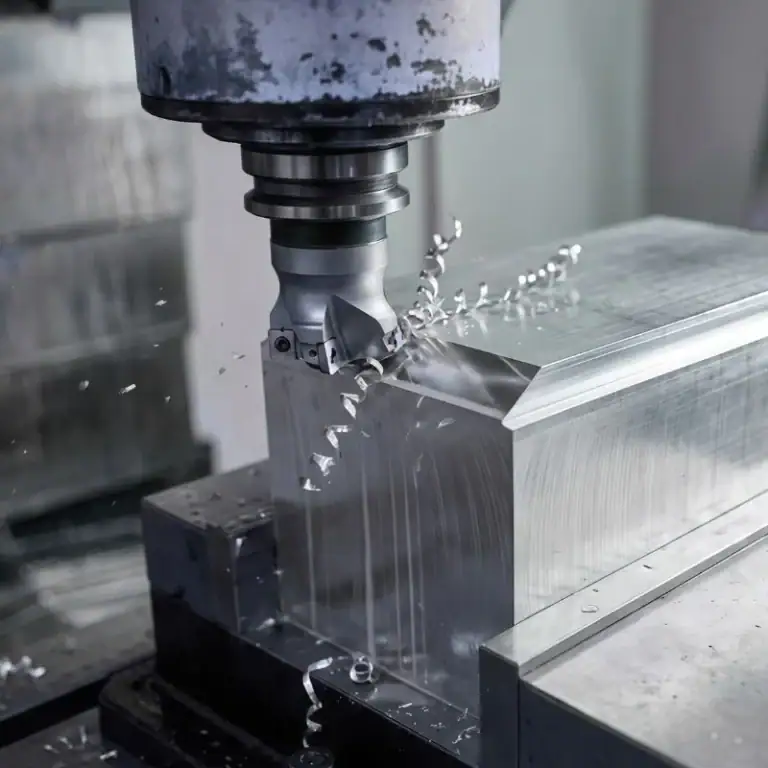
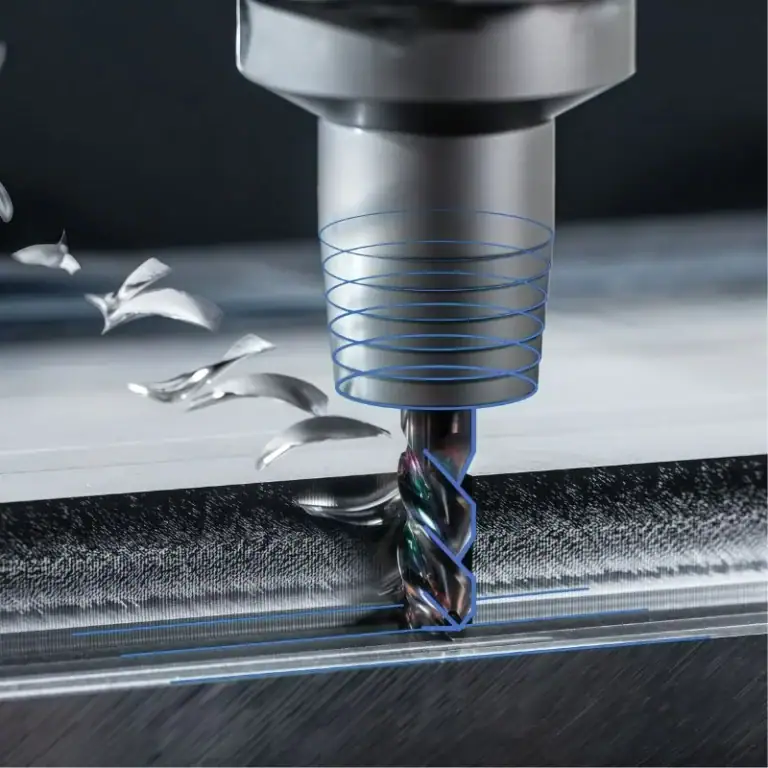
When selecting stainless steel materials for CNC machining, many customers face a common question: SUS316 and SUS304 look very similar, so why are there differences in price, machining difficulty, and application range? Choosing the wrong material may not only increase manufacturing costs but also cause problems such as corrosion, reduced performance, or shorter service life during operation. Especially in medical equipment, food machinery, chemical equipment, and high-end industrial components, material performance directly affects product reliability. SUS304 is widely used due to its balanced properties, while SUS316 is preferred for demanding environments because of its superior corrosion resistance. Understanding the differences between these two stainless steels helps companies select the right material and machining solution to improve part quality and reduce production risks.
What Are the Material Performance Differences Between SUS316 and 304?
In stainless steel component manufacturing, material properties are one of the most important factors affecting machining results and product lifespan. Although SUS316 and SUS304 are both austenitic stainless steels and have similar appearances, differences in chemical composition create variations in corrosion resistance, strength, and application environments. For precision machining projects, material selection affects not only the machining process but also the long-term reliability of the final component.

Characteristics of SUS304 Material
SUS304 is one of the most widely used stainless steel materials. It offers good corrosion resistance, formability, and overall machinability. In general industrial environments, SUS304 can meet the requirements of many applications while providing cost advantages.In practical precision machining projects, SUS304 is commonly selected for parts requiring moderate corrosion resistance and efficient batch production.
- Provides good oxidation resistance and is suitable for general industrial environments.
- Offers stable machinability for CNC turning, milling, and other machining processes.
- Has lower material costs, making it suitable for large-volume production.
With its balanced performance, SUS304 is widely used in mechanical components, food processing equipment, electronic housings, and general industrial parts.
Characteristics of SUS316Material
SUS316 is a stainless steel material developed by adding molybdenum to the SUS304 composition. This addition provides stronger corrosion resistance, especially in environments containing chlorides, marine conditions, and chemical substances.For high-reliability components, SUS316 may have higher material costs, but it provides longer service life and better performance in harsh environments.
- Provides stronger resistance to chloride corrosion.
- Suitable for medical, chemical, and marine equipment applications.
- Offers higher material stability for demanding environments.
Due to its enhanced performance, SUS316 requires more careful control of tools, cutting parameters, and machining processes during precision machining.
Differences Between SUS316 and 304 in Precision Machining
Many customers focus mainly on the performance differences between materials but overlook how these differences affect the actual machining process. In CNC machining, material hardness, toughness, and work-hardening characteristics directly influence machining efficiency, tool life, and final part accuracy. When developing machining strategies, manufacturers need to fully understand the processing differences between these two stainless steels.
Different Machining Difficulties
Because SUS316 contains molybdenum, it has higher toughness and corrosion resistance, but this also increases machining difficulty. Compared with SUS304, SUS316 generally requires more precise process control during CNC machining.
To maintain machining stability, the following factors need special attention:
- SUS316 has higher cutting resistance, requiring suitable tools and optimized cutting parameters to handle increased tool loads.
- SUS304 provides more stable machining performance and is easier to process efficiently in standard CNC turning and milling operations.
- SUS316 is more likely to experience work hardening, and improper machining methods may affect surface quality and dimensional accuracy.
Understanding material machining characteristics helps companies plan production processes in advance, improve precision machining efficiency, and reduce tool wear and manufacturing risks.
Different Tool Selection Requirements
Stainless steel materials generally have high toughness and relatively low thermal conductivity, which can generate significant heat during machining. If the wrong tools are selected, problems such as tool adhesion, accelerated wear, and poor surface quality may occur.
During actual machining, tools should be selected based on material characteristics:
- SUS316 usually requires more wear-resistant tools to handle higher machining loads.
- SUS304 can often be machined with standard stainless steel cutting tools under proper conditions.
- Both materials require sharp cutting edges to reduce friction and heat generation.
Proper tool selection improves machining efficiency while ensuring surface quality and dimensional stability.
Different Surface Quality Control Requirements
For high-precision components, surface quality affects assembly performance, appearance, and service life. Due to differences in material properties, SUS316 and SUS304 may produce different surface results after machining.
- SUS316 is more likely to experience work hardening and requires optimized machining parameters.
- SUS304 usually achieves more stable machining surfaces.
- High-quality components may require additional processes such as polishing or passivation.
By optimizing machining processes, manufacturers can achieve better results with different stainless steel materials and meet customer requirements for precision machining quality.
How Should You Choose Between SUS316 and 304?
Material selection is not simply about determining which material has better performance. The best choice depends on the actual application environment, machining requirements, and cost considerations. Different customers have different priorities. Some projects require maximum corrosion resistance, while others focus more on production efficiency and cost control.Before CNC machining begins, manufacturers should clearly understand the working conditions of the part and select the most suitable material solution.
Select Based on Operating Environment
The working environment is one of the most important factors when choosing stainless steel materials. Different conditions require different levels of corrosion resistance.
- SUS304 is suitable for general machinery and standard industrial environments.
- SUS316 is better for salt spray, humid, and chemical environments.
- Medical devices and high-performance equipment often prioritize SUS316.
Selecting the right material for the application environment reduces maintenance costs and improves long-term reliability.
Select Based on Machining Cost
Besides material performance, machining cost is also an important consideration. Although SUS316 provides better performance, it generally has higher material prices and greater machining difficulty.
- SUS304 has lower material costs and is suitable for mass production.
- SUS316 may require more machining time and higher tool consumption.
- A balance between product lifespan and long-term value should be considered.
Proper evaluation of cost and performance helps companies develop more economical and effective machining solutions.
Select Based on Part Accuracy Requirements
Different components have different requirements for precision and performance, requiring different material choices.
- High-reliability medical components often benefit from SUS316 advantages.
- Standard structural parts can usually meet requirements with SUS304.
- Complex components require early evaluation of machining difficulty.
Selecting materials based on part function improves the success rate of precision machining projects.
What Should Be Considered When Machining SUS316 and 304?
Whether choosing SUS316 or SUS304, proper process control is essential during machining. Although stainless steel provides excellent performance, machining can involve challenges such as heat accumulation, work hardening, and tool wear. Without effective control, these issues may affect dimensional accuracy and surface quality.
Control Cutting Parameters
Cutting parameters directly affect machining efficiency and part quality. Proper adjustment of cutting speed, feed rate, and depth of cut can reduce instability during machining.
- Adjust cutting speed according to material type.
- Avoid excessively low cutting speeds that may cause work hardening.
- Optimize machining parameters according to part structure.
Proper control of cutting conditions improves machining stability and ensures parts meet design requirements.
Improve Cooling and Chip Removal Management
Stainless steel machining generates significant cutting heat. Insufficient cooling and poor chip removal can negatively affect machining results.
- Use suitable cooling methods to reduce machining temperature.
- Remove chips promptly to prevent surface scratches.
- Maintain a stable machining environment to improve production efficiency.
Effective cooling and chip management improve CNC machining quality and reduce machining issues.
Although SUS316 and SUS304 are both commonly used stainless steel materials, they have clear differences in corrosion resistance, machining difficulty, and application environments. SUS304 is suitable for general industrial manufacturing with cost advantages, while SUS316 is better suited for high-demand applications such as medical, chemical, and corrosive environments. During precision machining, developing a proper process based on material characteristics is essential to achieve accurate dimensions, reliable performance, and efficient production. Tirapid specializes in precision machining services, providing SUS316, SUS304, and other stainless steel CNC machining solutions to help customers achieve high-precision and stable component manufacturing.