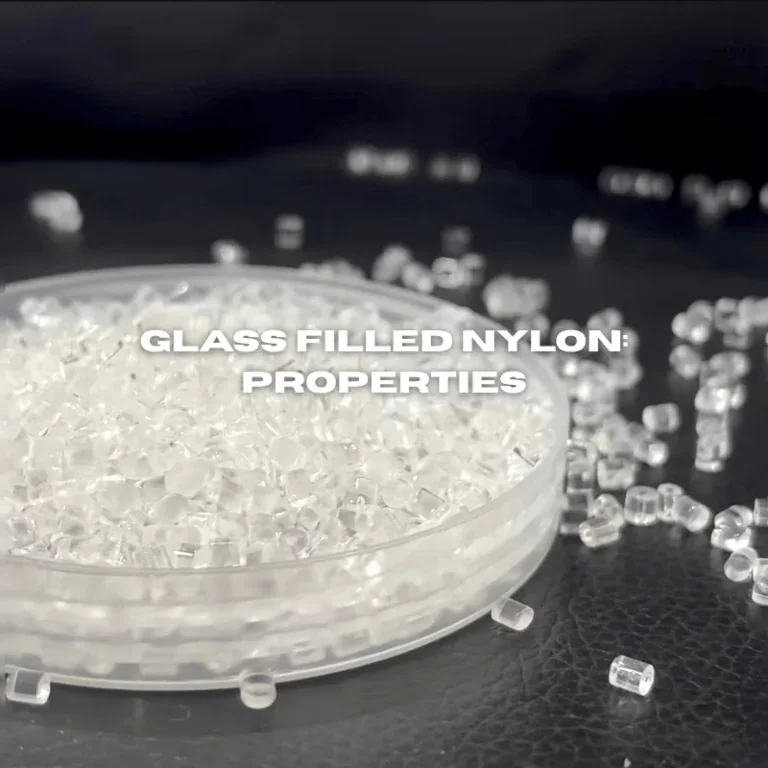
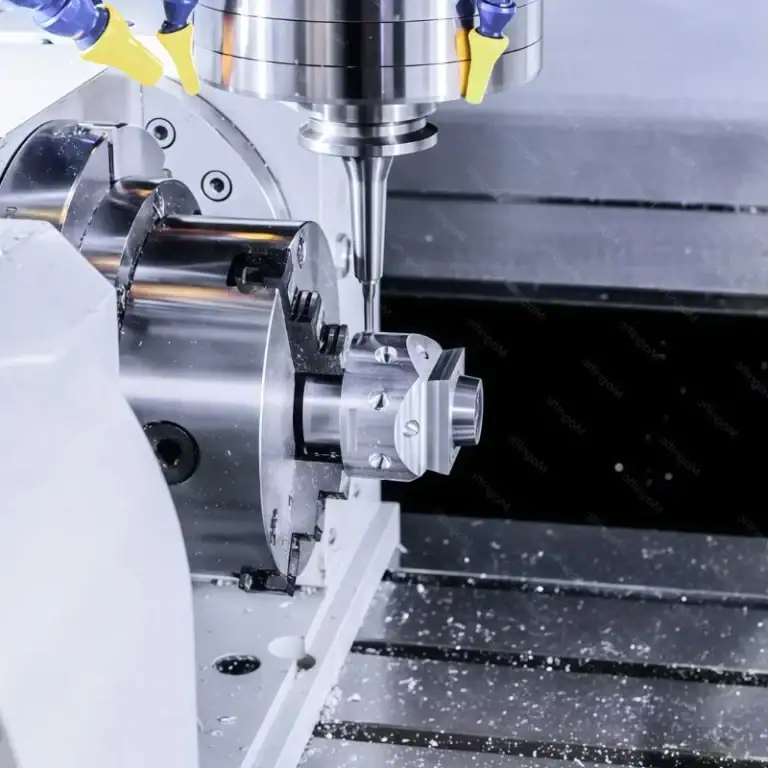
Glass filled nylon is a reinforced engineering plastic that combines the versatility of nylon with the strength and stiffness of glass fibers. Compared with unfilled nylon, it offers better resistance to deformation, improved load-bearing performance, and greater dimensional stability. These properties make it useful for automotive components, industrial equipment, and precision mechanical parts.
This guide explains glass filled nylon material properties, common grades, advantages, disadvantages, applications, and manufacturing methods. It also covers CNC machining challenges and practical material selection considerations, helping engineers determine whether glass reinforced nylon is suitable for their specific parts and operating conditions.
What Is Glass Filled Nylon?
Glass filled nylon is a thermoplastic composite made by adding glass fibers to a nylon resin. The reinforcement increases stiffness, strength, and resistance to deformation while maintaining many of nylon’s useful processing characteristics.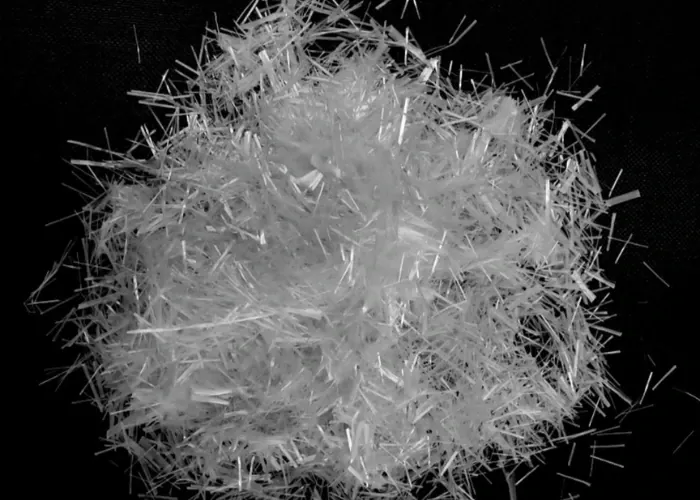
How Glass Fibers Reinforce Nylon
Glass filled nylon combines a polyamide matrix with reinforcing glass fibers. The nylon forms the continuous material surrounding the fibers, while the fibers help carry mechanical loads. This structure allows the composite to resist stretching and bending more effectively than unfilled nylon under comparable conditions.
The performance depends on fiber content, length, distribution, and orientation. During injection molding, fibers tend to align with the material flow, producing different mechanical properties in different directions. As a result, part geometry and manufacturing conditions can influence actual strength.
Glass reinforcement also changes processing behavior. It can reduce thermal expansion and molding shrinkage, but the harder fibers increase wear on cutting tools and manufacturing equipment. Engineers must therefore consider both mechanical performance and manufacturability when selecting a grade.
Glass Filled Nylon vs Unfilled Nylon
Unfilled nylon offers good toughness, flexibility, and impact performance. However, its relatively low stiffness and tendency to deform under sustained loads can limit its use in structural components. Adding glass fibers improves rigidity and creep resistance, making reinforced nylon more suitable for load-bearing parts.
Glass filled nylon also generally experiences less thermal expansion than unfilled nylon. This supports dimensional stability when operating temperatures change, although the nylon matrix still absorbs moisture and responds to environmental conditions.
The main trade-off is reduced ductility. Reinforced grades are often more brittle, more abrasive, and more expensive than unfilled nylon. For flexible clips or parts exposed to repeated impacts, unfilled nylon may remain the better choice.
What Are the Main Types of Glass Filled Nylon?
The main types of glass filled nylon include reinforced nylon 6 and nylon 66, with different glass fiber percentages available for specific applications. The base resin and reinforcement level determine stiffness, toughness, heat resistance, and manufacturing behavior.
Glass Filled Nylon 6 (PA6-GF)
Glass filled nylon 6, also called PA6-GF, uses nylon 6 as its base resin. It offers improved tensile strength, stiffness, and dimensional stability compared with unfilled PA6. Common applications include machinery housings, automotive parts, structural brackets, and industrial components.
PA6-based materials generally offer good toughness and practical processing characteristics. However, PA6 absorbs moisture, which can affect dimensions and mechanical properties. Glass reinforcement reduces the proportion of moisture-absorbing polymer but does not eliminate this behavior.
For CNC machining, PA6-GF can be suitable for custom mechanical parts when the correct stock grade is available. Cutting tools, workholding, and inspection conditions should be selected with the material’s abrasiveness and moisture sensitivity in mind.
Glass Filled Nylon 66 (PA66-GF)
Glass filled nylon 66, or PA66-GF, is commonly selected when greater thermal performance and structural rigidity are required. Compared with corresponding PA6-based grades, PA66 formulations often provide better heat resistance, although actual properties depend on the manufacturer and reinforcement level.
PA66-GF is used in automotive housings, electrical connectors, industrial brackets, and components exposed to mechanical loads. Its combination of stiffness, dimensional stability, and temperature performance makes it useful for demanding engineering applications.
However, PA66-GF is not automatically better than PA6-GF. Higher material cost, processing requirements, impact performance, and moisture behavior must be considered. Engineers should compare conditioned and dry-state material data before choosing between grades.
How 15%, 30%, and 40% Glass Fiber Content Affects Performance?
Glass fiber percentages usually describe the fiber content by weight. A 15% grade offers moderate reinforcement and can retain more flexibility than heavily filled alternatives. It is useful when a part requires improved stiffness without sacrificing too much toughness.
30% glass filled nylon, often identified as GF30, provides a practical balance of strength, rigidity, dimensional stability, and processability. It is widely used for structural components, equipment housings, brackets, and mechanically loaded parts.
Grades containing 40% glass fiber can provide greater stiffness, but increased reinforcement may reduce ductility, worsen surface appearance, and increase manufacturing difficulty. Higher fiber content should therefore be selected only when the additional performance justifies these trade-offs.
What Are the Key Properties of Glass Filled Nylon?
Glass filled nylon material properties depend on the nylon grade, glass fiber percentage, fiber orientation, and environmental conditions. The most important characteristics for engineering selection include strength, stiffness, heat resistance, moisture absorption, and long-term durability.
Tensile Strength, Stiffness, and Creep Resistance
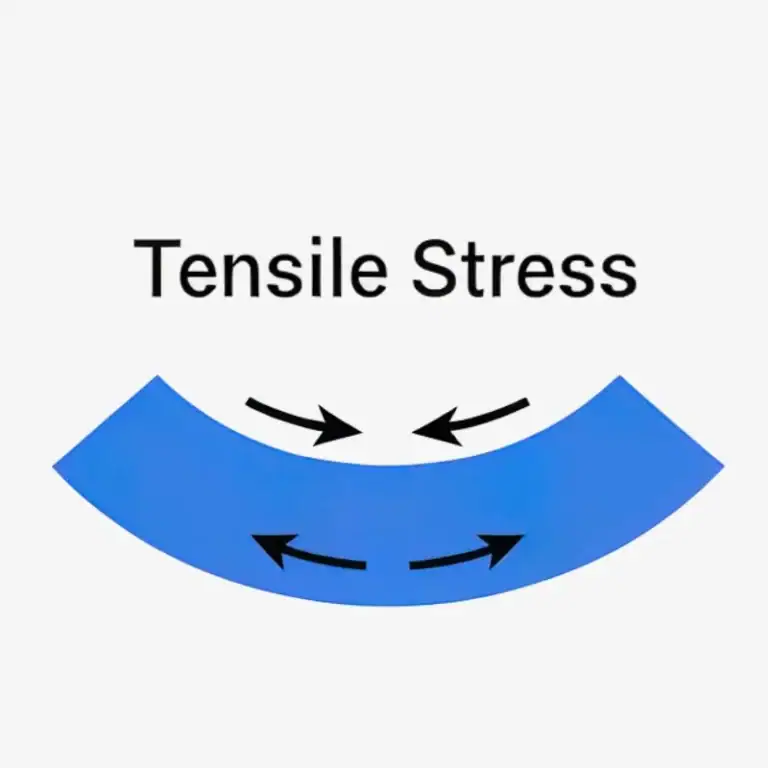
Glass reinforcement increases tensile and flexural modulus, helping nylon components resist deformation under mechanical loads. This makes the material suitable for brackets, supports, housings, and other parts that must maintain their shape during use.
The fibers also improve creep resistance. Under a sustained load, unfilled nylon may gradually deform over time, especially at elevated temperatures. Reinforced nylon generally reduces this deformation, although creep remains dependent on stress, temperature, humidity, and service duration.
Material strength should not be evaluated using a single published value. Fiber orientation and moisture conditioning can significantly influence test results. Engineers should compare supplier data under relevant conditions and verify critical applications through suitable testing.
Glass Filled Nylon Temperature Range and Heat Resistance
Glass filled nylon generally offers better heat resistance under load than unfilled nylon. The glass fibers improve stiffness at elevated temperatures and can increase heat deflection temperature, making certain reinforced grades useful near motors, equipment housings, and automotive systems.
However, heat deflection temperature is not the same as continuous operating temperature. A material may resist short-term deformation during standardized testing but lose mechanical performance under prolonged heat exposure, particularly when subjected to continuous stress.
The acceptable glass filled nylon temperature range depends on the exact resin, fiber content, additives, load, and required service life. Engineers should review the supplier’s continuous-use recommendations and thermal-aging data rather than relying on a universal temperature limit.
Moisture Absorption and Dimensional Stability
Nylon is hygroscopic, meaning it absorbs moisture from its surroundings. This can cause dimensional changes and alter stiffness, strength, and toughness. Although glass reinforcement generally reduces overall moisture-related expansion, the nylon matrix remains moisture-sensitive.
For precision components, moisture conditioning is particularly important. A machined part inspected immediately after processing may have different dimensions after reaching equilibrium in a humid environment. This can affect hole positions, fits, clearances, and assembly performance.
Material storage, conditioning, and inspection environments should therefore be controlled when tight tolerances are required. Designers should also consider expected service humidity and avoid relying only on dry-state dimensions when selecting material or specifying fits.
Impact Resistance, Wear Resistance, and Chemical Compatibility
Glass filled nylon provides useful mechanical durability, but greater stiffness often comes with lower elongation and higher notch sensitivity. Parts exposed to repeated impact or sharp stress concentrations may require additional design evaluation.
Wear performance depends on the contacting materials, surface pressure, speed, lubrication, and reinforcement grade. Exposed glass fibers can increase abrasion against mating surfaces, so reinforced nylon is not automatically the best option for sliding bearings or low-friction components.
Nylon generally resists many oils and industrial fluids, but chemical compatibility varies with concentration, temperature, exposure time, and resin formulation. Strong acids and certain chemicals can damage the polymer matrix, making application-specific compatibility testing important.
What Are the Advantages and Disadvantages of Glass Filled Nylon?
Glass filled nylon offers higher stiffness, improved load-bearing ability, and better dimensional stability than unfilled nylon. However, these benefits come with increased abrasiveness, reduced flexibility, moisture sensitivity, and potentially higher manufacturing costs.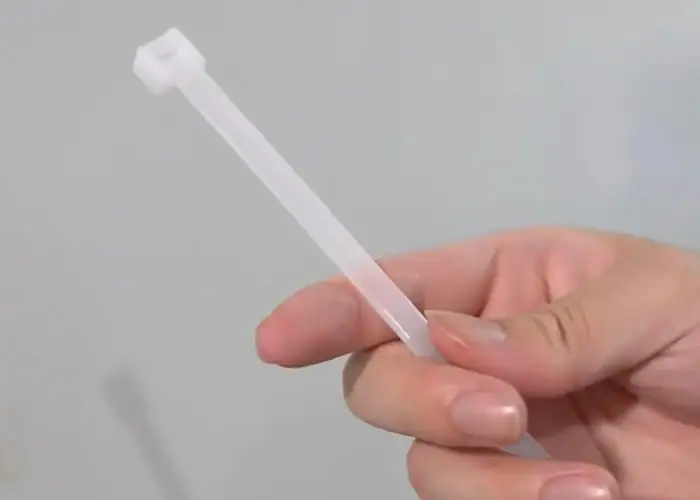
| Advantages | Disadvantages |
| Higher tensile strength and stiffness | Lower ductility and greater notch sensitivity |
| Better resistance to long-term deformation | Continued moisture absorption |
| Improved dimensional stability under temperature changes | Direction-dependent mechanical properties |
| Higher heat deflection temperature in many grades | Greater wear on cutting tools and molds |
| Lower weight than aluminum and steel | Higher density than unfilled nylon |
| Suitable for molded and machined components | Higher material and processing costs |
The material is most valuable when increased rigidity or dimensional stability solves a real design problem. For example, reinforcement may allow a plastic bracket to maintain its shape under sustained loading without requiring a metal replacement.
However, selecting the highest glass content is not always economical. Additional stiffness may provide little benefit to lightly loaded parts, while increased brittleness and manufacturing difficulty can create unnecessary costs.
The best choice depends on operating loads, temperature, humidity, mating surfaces, and the manufacturing process. Material performance should be evaluated against the functional requirements of the finished part rather than reinforcement percentage alone.
What Is Glass Filled Nylon Used For?
Glass filled nylon is widely used in automotive, industrial equipment, automation, robotics, and electrical applications. Its combination of stiffness, relatively low weight, and dimensional stability makes it suitable for structural and functional plastic components.
Automotive and Transportation Components
Automotive manufacturers use glass filled nylon for housings, brackets, connectors, covers, and selected under-the-hood components. Reinforced nylon can help reduce component weight while providing sufficient stiffness for mounting and structural support.
Heat resistance is particularly important in engine compartments and near electric drive systems. However, operating temperature, vibration, exposure to fluids, and long-term mechanical loading must be assessed before selecting a specific grade.
For parts exposed to sustained heat or chemical environments, engineers should verify the exact formulation rather than assuming all reinforced nylons provide the same performance. Proper material selection supports reliability throughout the component’s service life.
Industrial Equipment, Automation, and Robotics
Industrial machinery frequently uses glass filled nylon for brackets, covers, guides, structural supports, and equipment housings. The material provides useful rigidity without the weight associated with many metal alternatives.
In automation systems, dimensional stability helps maintain component alignment and reduce deformation under moderate loads. Reinforced nylon may also provide electrical insulation and corrosion resistance where metallic components are unnecessary.
However, parts exposed to heavy impacts, concentrated bolt loads, or continuous sliding contact require careful evaluation. Designers must consider fiber orientation, fatigue behavior, contact wear, and local stresses before replacing metal components.
Electrical and Electronic Components
Glass filled nylon is used for electrical housings, connector bodies, equipment supports, and other components requiring structural rigidity and electrical insulation. Its moldability also supports complex shapes and integrated mounting features.
Material selection becomes more demanding when components operate near heat sources or electrical contacts. Electrical tracking resistance, flammability rating, temperature performance, and dimensional tolerances may all be important.
Standard glass filled nylon should not automatically be considered flame-retardant or suitable for every electrical application. Engineers should specify a formulation with the required electrical and fire-safety characteristics for the intended operating environment.
How Is Glass Filled Nylon Manufactured?
Glass filled nylon can be processed through injection molding, CNC machining, and selected additive manufacturing methods. Each process offers different advantages in tooling cost, geometric flexibility, production volume, and achievable part quality.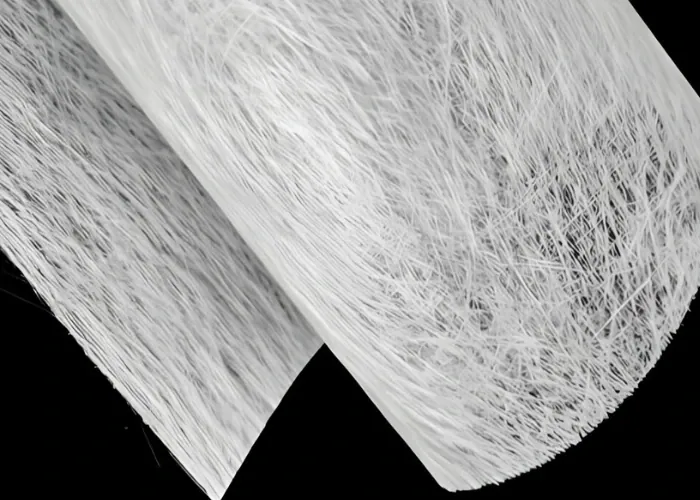
Injection Molding for High-Volume Production
Injection molding is widely used for producing glass filled nylon components in medium- and high-volume quantities. The process melts the reinforced resin and injects it into a mold cavity, allowing complex shapes and integrated features to be produced repeatedly.
Fiber orientation strongly influences molded-part performance. Material flow can create directional shrinkage, warpage, and differences in strength. Gate placement, wall thickness, and weld-line locations therefore require careful design.
Although injection molding involves initial tooling investment, the cost per part becomes attractive at sufficient production volumes. It is particularly suitable for repeatable components with established designs and stable demand.
CNC Machining for Precision Parts and Prototypes
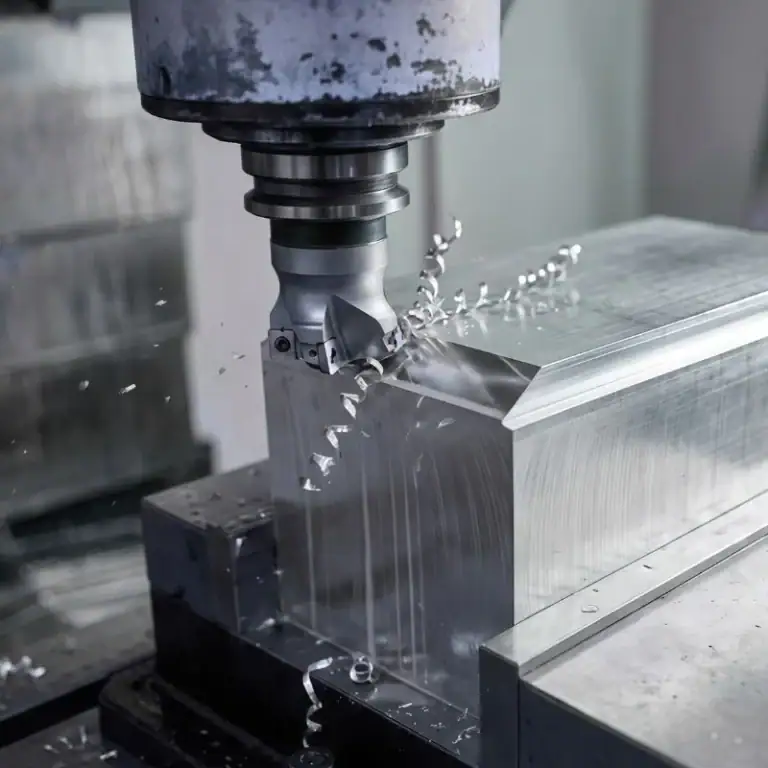
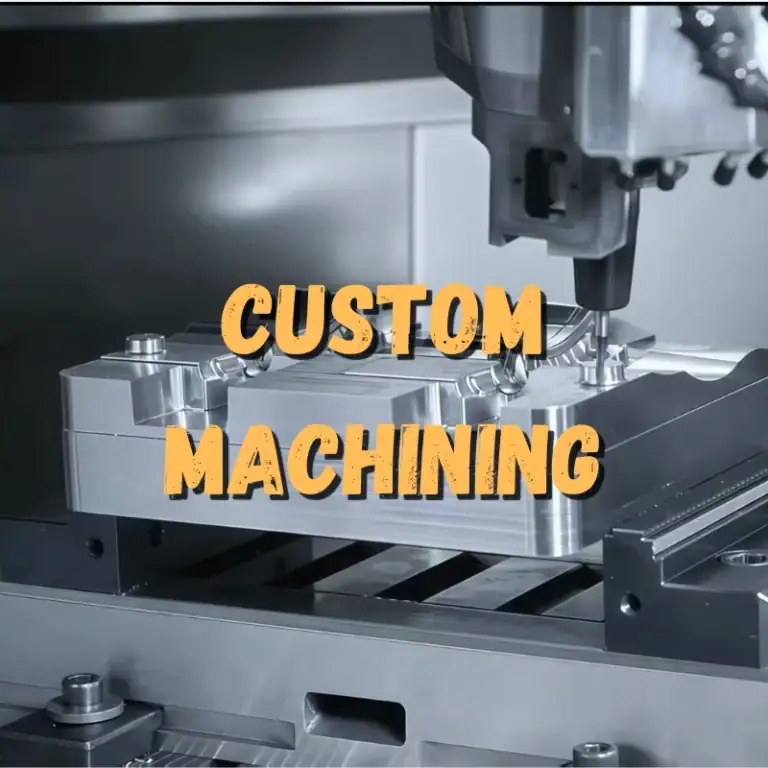
CNC machining removes material from glass filled nylon sheet, plate, or rod stock. It is useful for prototypes, functional testing, precision components, and low-volume production where dedicated injection molds are not economical.
Machining provides flexibility for modifying part geometry and creating features such as holes, pockets, threads, and mounting surfaces. However, the material’s glass fibers are abrasive and can accelerate tool wear compared with unfilled nylon.
Stock availability is another consideration. Not every glass content or resin formulation is available in machinable shapes. Material selection should therefore account for both the required properties and available stock dimensions.
3D Printing for Prototyping and Complex Geometries
Glass filled nylon can be used in certain 3D printing processes, including material extrusion with reinforced filament and powder-based methods using suitable filled-polyamide materials. These processes can create complex prototypes without conventional tooling.
The main advantage is geometric freedom. Designers can evaluate fit, assembly, and certain functional features before investing in machining or injection molding. However, printed parts may have direction-dependent properties and variable internal structure.
Printing performance should not be assumed equivalent to molded or machined stock. Layer adhesion, porosity, fiber orientation, and process conditions affect mechanical behavior, making testing essential for load-bearing applications.
What Are the Challenges of CNC Machining Glass Filled Nylon?
CNC machining glass filled nylon requires careful tool selection, controlled cutting conditions, and suitable workholding. The main challenges are abrasive fiber wear, heat-related deformation, surface quality, and moisture-dependent dimensional changes.
Abrasive Tool Wear and Cutting Tool Selection
Glass fibers are significantly harder than the nylon matrix. During machining, they contact the cutting edge and accelerate abrasive wear. Worn tools can increase cutting forces, produce rough surfaces, and reduce dimensional consistency.
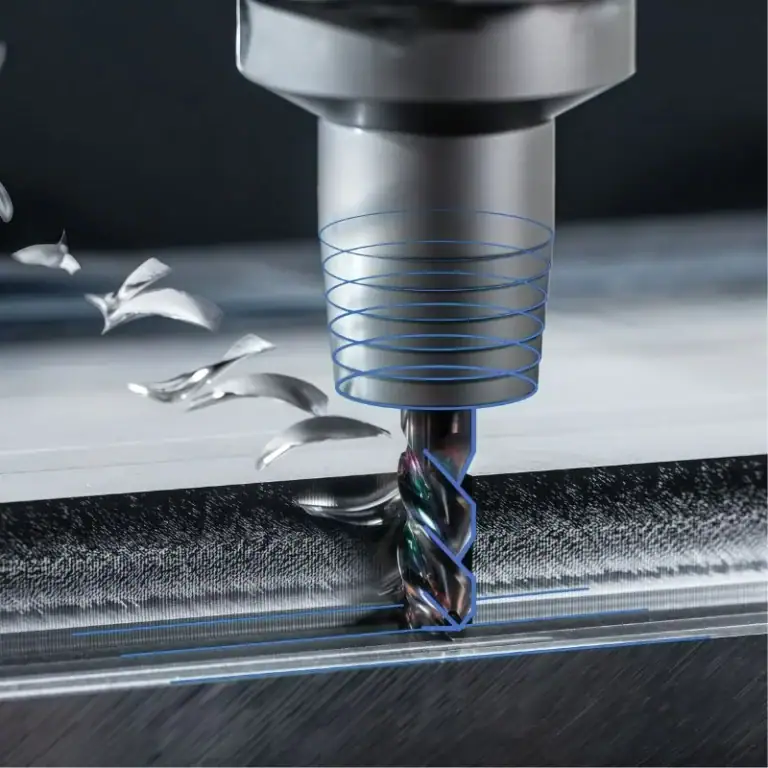
Sharp carbide tools are commonly used for machining reinforced plastics, while specialized tooling may be justified for longer production runs. Tool geometry should support clean cutting without excessive rubbing, tearing, or heat generation.
Tool condition should be checked regularly. Consistent wear monitoring helps prevent dimensional drift and unexpected tool failure, particularly when producing repeated batches of precision components.
Cutting Heat, Workholding, and Surface Finish
Excessive cutting heat can soften the nylon matrix, leading to surface smearing, burr formation, or dimensional errors. Suitable speeds, feeds, sharp tools, and effective chip removal help maintain stable cutting conditions.
Workholding also requires attention. Excessive clamping force may distort thin walls or flexible sections, while insufficient support can cause vibration. Soft jaws, supporting fixtures, and appropriate clamping pressure improve machining stability.
Surface finish can be affected by exposed fibers, tool wear, and cutting direction. Fine finishing passes may improve the result, but highly polished surfaces can be difficult to achieve with heavily reinforced grades.
Moisture Control, Dimensional Accuracy, and Tolerances
Moisture changes can affect the dimensions of glass filled nylon parts before and after machining. Tight tolerances become more difficult to maintain if stock material and finished components experience different humidity conditions.
For critical features, the material should be conditioned appropriately, and inspection should be performed under defined conditions. Machining allowances and inspection timing may need adjustment when the intended service environment differs from the workshop.
Thermal expansion, fiber orientation, and part geometry can introduce additional dimensional variation. A realistic tolerance strategy should reflect the actual material grade, component size, machining conditions, and operating environment.
How to Choose the Right Glass Filled Nylon for Your Project
Choosing the right glass filled nylon requires matching material properties with operating conditions, part geometry, and production requirements. The best grade provides sufficient performance without introducing unnecessary material cost or manufacturing complexity.
Select the Right Nylon Grade and Glass Fiber Content
Start by identifying the required stiffness, strength, temperature performance, and moisture resistance. PA6-GF may suit general structural applications, while PA66-GF is often considered when higher heat resistance is needed.
Next, evaluate glass content. Lower reinforcement levels may retain more toughness, while GF30 and higher-filled grades provide increased rigidity for load-bearing parts. The correct percentage depends on the stresses and deformation limits of the component.
Material selection should use grade-specific technical data. Two products labeled PA66-GF30 can still perform differently because of additives, fiber characteristics, processing history, and moisture conditioning.
Glass Filled Nylon vs Aluminum: Weight, Strength, and Cost
Glass filled nylon is substantially lighter than aluminum, making it attractive for components where weight reduction is important. It also offers corrosion resistance and electrical insulation, which may simplify certain product designs.
However, aluminum generally provides much higher absolute stiffness, better thermal conductivity, and more predictable dimensional behavior across changing humidity conditions. It is often preferable for highly loaded or precision structural components.
Cost comparisons depend on manufacturing volume and part design. Molded glass filled nylon may be economical for large quantities, while CNC-machined aluminum can remain competitive for prototypes and low-volume parts. The final decision should consider total manufacturing cost and functional performance.
Match Part Design and Production Volume to the Manufacturing Process
Part geometry affects both material selection and manufacturing efficiency. Thin walls, sharp internal corners, deep pockets, and concentrated mounting loads may introduce risks when using highly reinforced nylon.
For low-volume parts, CNC machining offers flexibility without dedicated tooling. Injection molding becomes more attractive when production quantities justify the mold investment and the design has been validated.
Engineers should evaluate the complete application rather than selecting material and manufacturing process independently. Early consideration of loading, tolerances, stock availability, production volume, and inspection requirements can prevent costly design changes.
FAQs
Is Glass-Filled Nylon Expensive?
Glass-filled nylon generally costs more than unfilled nylon due to the added reinforcement. However, it can be more cost-effective than metal for certain lightweight, high-volume components.
Is Glass-Filled Nylon or G10 Better?
Glass-filled nylon is better suited for molded parts and lightweight mechanical components, while G10 offers greater dimensional stability, rigidity, and electrical insulation in demanding applications.
What Is the Density of 30% Glass-Filled Nylon?
The density of 30% glass-filled nylon is typically around 1.35–1.40 g/cm³, depending on the base nylon resin and manufacturer.
How to Tell if Nylon Is Glass-Filled?
Glass-filled nylon often has a rougher, more matte appearance than unfilled nylon. For reliable identification, check the material specification or use laboratory testing
Conclusion
Glass filled nylon offers a practical combination of stiffness, strength, heat resistance, and dimensional stability for demanding engineering parts. However, moisture absorption, fiber orientation, impact behavior, and abrasive tool wear must be considered before choosing a grade. The best material selection balances mechanical performance with manufacturability, cost, and service conditions, while the manufacturing method should match the part’s geometry, tolerance requirements, and production volume.
At TiRapid, we provide precision CNC machining and manufacturing services for custom engineering components. Our team combines practical material selection, machining process planning, cutting parameter control, and dimensional inspection to support reliable glass filled nylon prototypes and production parts.