PPSU vs PP is a common material comparison for baby care products, medical devices, food-contact parts, and industrial plastic components. PP is lightweight and cost-effective, while PPSU offers higher heat resistance, impact strength, and long-term durability.
Choosing between PPSU and PP depends on your product’s temperature exposure, sterilization needs, safety requirements, service life, and budget. This guide compares their properties, machining behavior, applications, cost, and material selection tips for engineering projects.
What Is PPSU?
PPSU, or Polyphenylsulfone, is a high-performance engineering thermoplastic known for excellent heat resistance, impact strength, chemical resistance, and long-term dimensional stability. It is commonly used in medical devices, baby bottles, food-contact products, laboratory equipment, and industrial components that require repeated sterilization.
Compared with many standard plastics, PPSU maintains reliable performance under high temperature and repeated steam cleaning conditions. It is less likely to deform, crack, or become brittle during long-term use, which makes it suitable for products that must remain safe, durable, and stable after repeated cleaning cycles.
Because PPSU is a premium plastic, it usually costs more than PP and requires more controlled processing conditions. However, for applications involving high heat, frequent sterilization, impact loading, or long service life, PPSU often provides better value by reducing failure risk and replacement frequency.
What Is PP?
PP, or Polypropylene, is a widely used thermoplastic known for low material cost, lightweight performance, good chemical resistance, and easy processing. It is commonly used in packaging, containers, baby bottles, medical consumables, household products, automotive parts, and general industrial components.
Compared with PPSU, PP is more economical and suitable for large-volume production. It can meet many basic food-contact and consumer product requirements, especially when parts are used in moderate-temperature environments without repeated high-temperature sterilization or heavy mechanical stress.
However, PP does not match PPSU in heat resistance, impact durability, or long-term sterilization performance. If PP parts are repeatedly exposed to boiling water, steam, or high-temperature cleaning cycles, they may gradually deform, discolor, or lose mechanical stability depending on the application conditions.
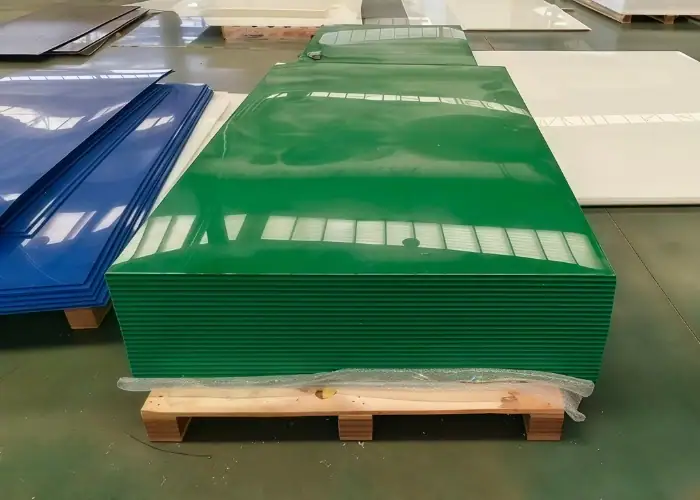
PPSU vs PP Quick Comparison
Before choosing between PPSU and PP, engineers should compare heat resistance, safety, chemical resistance, durability, machinability, appearance, and cost. These differences affect product lifespan, manufacturing method, user experience, and long-term reliability in medical, baby care, and industrial applications.
| Property | PPSU | PP |
| Full Name | Polyphenylsulfone | Polypropylene |
| Heat Resistance | Excellent | Moderate |
| Impact Resistance | Excellent | Good |
| Chemical Resistance | Excellent | Good |
| Steam Sterilization | Excellent | Limited |
| Dimensional Stability | Very Good | Moderate |
| Weight | Slightly heavier | Very lightweight |
| Transparency | Amber / translucent | Translucent / cloudy |
| CNC Machinability | Good | Moderate |
| Material Cost | Higher | Lower |
| Typical Use | Premium reusable parts | Cost-effective general parts |
Key Differences Between PPSU and PP
PPSU and PP are often compared because both materials can be used in food-contact, baby care, medical, and industrial products. However, they belong to different performance levels. PP is a practical general-purpose plastic, while PPSU is a higher-grade engineering plastic for more demanding environments.
The right choice depends on how the finished part will be used. If the product is designed for short-term use, low cost, and moderate temperature exposure, PP can be a reasonable option. If the part must survive repeated sterilization, impact, hot liquid contact, or long-term service, PPSU is usually more reliable.
For product designers and buyers, the decision is often a balance between cost and performance. PP helps reduce upfront material cost, while PPSU supports premium product positioning, longer service life, and stronger safety confidence in demanding medical, baby care, and industrial applications.
Heat Resistance
PPSU provides much higher heat resistance than PP, which is one of the biggest reasons it is selected for reusable baby bottles, medical components, and sterilizable parts. It can tolerate repeated boiling water and steam sterilization conditions while maintaining stable mechanical properties and shape.
PP performs well in many everyday applications, but it is less suitable for repeated high-temperature sterilization. Under continuous heat or frequent boiling conditions, PP may soften, warp, or gradually lose dimensional accuracy. This limitation matters when the product must maintain a precise shape after repeated cleaning cycles.
If the application involves hot liquids, repeated boiling, steam cleaning, or high-temperature medical sterilization, PPSU is usually the safer material choice. If the product only experiences moderate heat during normal use, PP may be enough and can help reduce manufacturing cost.
Impact Strength and Durability
PPSU offers excellent impact resistance and long-term toughness, even after repeated exposure to heat and cleaning chemicals. This makes it suitable for reusable products that may be dropped, handled frequently, or used in demanding environments where breakage could affect safety or product reliability.
PP also provides good toughness for general applications, but it may not maintain the same durability under repeated heat exposure or long-term sterilization cycles. In lower-cost products, PP can perform well when the design does not require premium impact strength or extended service life.
For parts expected to last longer under repeated use, PPSU has a clear advantage. For simple, lightweight, and cost-sensitive products that do not face harsh service conditions, PP remains a practical material with good overall value.
Chemical Resistance
Both PPSU and PP offer useful chemical resistance, but PPSU performs better in more demanding cleaning and sterilization environments. It resists many disinfectants, detergents, alcohols, and cleaning agents used in medical, laboratory, and food-contact applications.
PP also resists many weak acids, alkalis, oils, and common household chemicals, which makes it suitable for containers, packaging, and general industrial parts. However, when chemical exposure is combined with high temperature or repeated cleaning, PP may not provide the same long-term stability as PPSU.
For applications involving aggressive cleaning agents, repeated disinfection, or medical-grade hygiene requirements, PPSU is usually preferred. For general chemical resistance at lower cost and moderate temperature, PP may be a practical solution.
Safety and Food-Contact Use
PPSU and PP are both widely used in food-contact and baby care products when produced with suitable grades and proper regulatory compliance. Material safety depends not only on the resin type, but also on supplier certification, additives, colorants, processing conditions, and final product testing.
PPSU is often chosen for premium baby bottles and medical products because it provides strong safety confidence under repeated boiling and sterilization. It is also valued because it can maintain structure and performance during long-term use, reducing the need for frequent replacement.
PP is widely used for food containers, baby products, and packaging because it is lightweight, economical, and generally safe for many everyday applications. However, for high-temperature repeated-use products, engineers often evaluate whether PPSU offers better long-term safety and durability.
Appearance and Weight
PPSU usually has an amber or honey-colored translucent appearance, which is often associated with high-performance baby bottles and premium reusable products. Its appearance can remain stable during repeated use when the product is properly designed and manufactured.
PP is usually lighter and may appear translucent, cloudy, or semi-transparent depending on the grade and processing method. Its light weight makes it convenient for consumer products, packaging, containers, and simple parts where portability and cost control are important.
If the product needs a premium look, long-term clarity, and stronger heat resistance, PPSU may be more suitable. If the main requirements are low weight, simple appearance, and low cost, PP can be a more economical choice.
Dimensional Stability
PPSU generally provides better dimensional stability than PP, especially under heat and repeated sterilization. This makes it useful for parts that must maintain shape, fit, sealing performance, or assembly accuracy during long-term use in demanding environments.
PP can maintain acceptable dimensions in many normal-use applications, but it is more likely to deform under elevated temperatures or continuous mechanical stress. This can become a concern for parts with tight fits, sealing surfaces, threaded features, or repeated assembly requirements.
For precision components exposed to heat, steam, or repeated cleaning, PPSU usually provides more stable performance. For simple molded parts with flexible tolerance requirements, PP can meet basic functional needs at a lower material cost.
PPSU vs PP CNC Machining
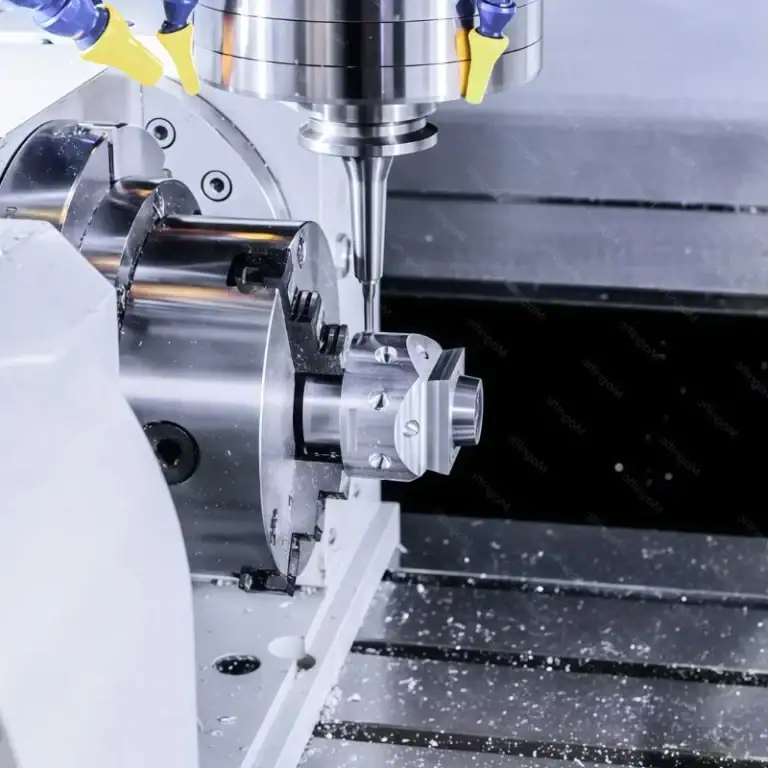
Both PPSU and PP can be machined, but they behave differently during CNC manufacturing. PPSU is stiffer and more dimensionally stable, while PP is softer and more flexible. These differences affect tolerance control, surface finish, burr formation, clamping strategy, and final part consistency.
For precision CNC plastic parts, material selection should consider both performance and machinability. A plastic that is low-cost in raw material form may become harder to machine accurately if it deflects, melts, or produces burrs during cutting. This is especially important for small features and tight-tolerance components.
In general, PPSU is more suitable for high-performance machined components requiring heat resistance and dimensional reliability. PP can be machined for simple parts, prototypes, and cost-sensitive components, but tolerance expectations should be realistic because of its lower stiffness and softer cutting behavior.
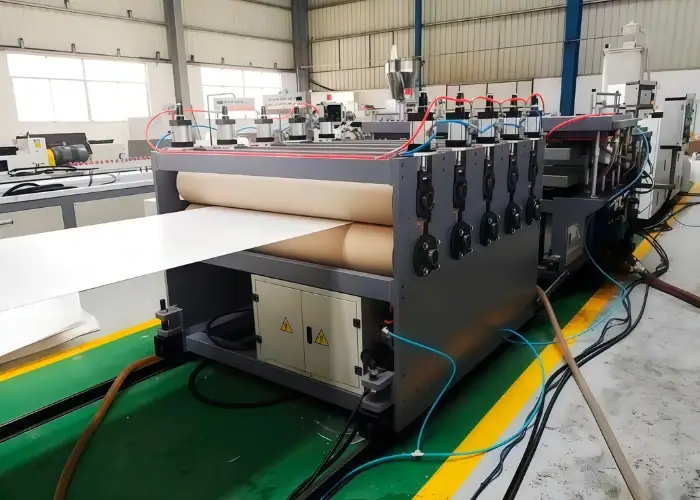
Machining PPSU Parts
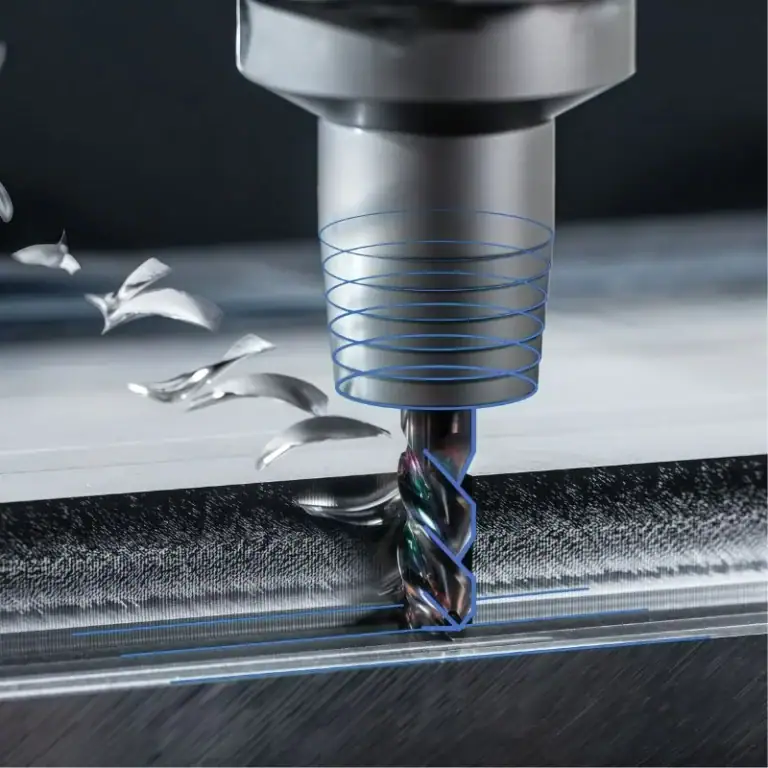
PPSU supports precision CNC machining for custom parts requiring heat resistance, chemical stability, and long-term durability. It can be milled, turned, drilled, and finished into medical components, laboratory fixtures, food-contact parts, and industrial assemblies with relatively stable dimensional control.
During machining, sharp tools, stable workholding, and balanced cutting parameters help maintain clean edges and smooth surfaces. Excessive heat or aggressive cutting conditions should be avoided because localized stress can affect surface quality and dimensional consistency, especially on thin-wall or detailed components.
Although PPSU costs more than PP, it can be more suitable when the finished part must perform reliably under demanding conditions. For high-value applications, better material stability can help reduce scrap risk, inspection issues, and long-term product failure.
Machining PP Parts
PP can be CNC machined, but its softness and flexibility may make tight tolerance control more difficult than with higher-performance engineering plastics. During cutting, PP may deflect under tool pressure, which can affect hole accuracy, edge quality, flatness, and surface consistency.
Heat control is also important when machining PP. If cutting parameters are too aggressive or tool edges are not sharp enough, the material may smear, burr, or deform locally. Proper feeds, speeds, chip evacuation, and fixture support help improve machining quality and reduce dimensional variation.
PP is usually more suitable for simple machined parts, low-cost prototypes, and components that do not require very tight tolerances. When the design allows flexible tolerance requirements, PP can be a practical and economical option for general plastic parts.
Surface Finish and Tolerance Control
PPSU generally provides better tolerance stability than PP because it is more rigid and resistant to heat-related deformation. This makes it easier to machine parts with precise holes, sealing faces, small features, and assembly surfaces that must remain stable during service.
PP can achieve functional machined surfaces, but it may require more careful process control to reduce burrs, fuzzing, and tool pressure deformation. For cosmetic parts or components with tight mating requirements, PP may not always provide the same consistency as PPSU.
For demanding CNC projects, the best material is not always the cheapest one. Engineers should consider tolerance requirements, part geometry, operating temperature, cleaning conditions, and inspection standards before deciding whether PPSU or PP is the better machining material.
Common Applications of PPSU and PP
PPSU and PP are both used in consumer, medical, food-contact, and industrial products, but they serve different product levels. PP is common in economical everyday products, while PPSU is selected for higher-performance applications that require repeated use, heat resistance, and stronger durability.
The difference is especially clear in baby bottles, medical components, and reusable equipment. PP can meet basic needs at a lower cost, but PPSU is often chosen for premium products that must withstand frequent sterilization, hot liquid exposure, and long service life.
Both materials can support useful plastic part designs, but the application environment must be clearly defined. Engineers should evaluate heat, cleaning method, safety requirements, expected lifespan, mechanical load, and product positioning before final material selection.
Baby Care and Food-Contact Products
PP is widely used for baby bottles, food containers, caps, closures, and packaging because it is lightweight, economical, and suitable for many everyday food-contact applications. It is a common choice for products that do not require premium heat resistance or long-term repeated sterilization.
PPSU is commonly used for premium baby bottles, feeding components, and reusable food-contact products because it can withstand repeated boiling and steam sterilization. Its durability and impact resistance help improve product lifespan and safety confidence during frequent daily use.
For short-term or cost-sensitive food-contact products, PP can be a good option. For premium reusable products that require stronger heat resistance and longer service life, PPSU usually provides better long-term performance.
Medical and Laboratory Applications
PPSU is widely used in medical and laboratory applications because it can tolerate repeated sterilization, disinfectants, and hot cleaning processes. It is suitable for surgical instrument handles, sterilization trays, dental equipment, fluid components, and reusable medical housings.
PP is also used in medical products, especially disposable or lower-cost components such as containers, caps, labware, syringes, and packaging. It provides good chemical resistance and economical processing, but it is not ideal when repeated high-temperature sterilization is required.
For reusable medical parts, PPSU is often preferred because of its long-term heat and chemical stability. For single-use or cost-sensitive medical consumables, PP remains one of the most widely used plastics.
Industrial and Custom Plastic Parts
PPSU is used in industrial components that require heat resistance, chemical durability, and dimensional stability. Examples include fluid-handling parts, insulation components, pump parts, food-processing equipment, and machined components exposed to hot water or cleaning agents.
PP is used for general industrial parts, tanks, covers, spacers, packaging components, and simple machined or molded parts. Its low cost and chemical resistance make it attractive for large-volume products where extreme heat or precision is not required.
For industrial projects, PPSU is better for demanding environments, while PP is better for cost control and general-purpose use. The final choice should be based on the part’s operating temperature, chemical exposure, tolerance requirements, and expected service life.
PPSU vs PP Cost Comparison
PP is significantly more cost-effective than PPSU, which makes it the preferred choice for many large-volume products and price-sensitive markets. Its low raw material cost and easy processing make it suitable for packaging, disposable items, simple containers, and general-purpose plastic parts.
PPSU has a higher material cost, but it can offer better long-term value when the product requires repeated sterilization, longer lifespan, impact resistance, and thermal stability. For premium baby bottles, medical devices, and reusable components, the higher upfront cost may be justified by re duced replacement frequency and better reliability.
A practical cost comparison should include raw material price, manufacturing method, tolerance requirements, service life, inspection standards, and failure risk. PP is usually better for low-cost applications, while PPSU is more suitable when performance, durability, and brand positioning matter more than initial material cost.
How to Choose Between PPSU and PP?
Choose PPSU when the product must resist high temperature, repeated steam sterilization, impact, harsh cleaning agents, or long-term repeated use. It is especially suitable for premium baby bottles, reusable medical components, laboratory equipment, food-contact parts, and high-performance industrial plastic parts.
Choose PP when the part needs low cost, light weight, chemical resistance, and easy processing in moderate-use environments. PP is a practical choice for disposable products, basic containers, packaging, general food-contact items, and simple plastic components that do not require high-temperature durability.
There is no single best material for every project. Engineers should evaluate product lifespan, safety requirements, temperature exposure, cleaning method, mechanical load, appearance, manufacturing process, and production volume before choosing PPSU or PP.
FAQs
When should I choose PPSU instead of PP?
Choose PPSU when the part must handle repeated boiling, steam sterilization, impact, or long-term use under demanding conditions. It is better for premium baby bottles, reusable medical parts, laboratory equipment, and industrial components exposed to heat or harsh cleaning.
Is PP a lower-cost alternative to PPSU?
Yes. PP is a lower-cost alternative when the product does not require high heat resistance, repeated sterilization, or long service life. It works well for disposable items, basic containers, packaging, and cost-sensitive food-contact parts used in moderate conditions.
Which material is better for CNC machined plastic parts?
PPSU is usually better for precision machined parts that require heat resistance, dimensional stability, and durability. PP can also be machined, but its softer structure may make tight tolerances and clean edge quality more difficult to control.
Which material lasts longer under heat and repeated cleaning?
PPSU usually lasts longer because it maintains strength, shape, and impact resistance under repeated hot water, steam, and cleaning cycles. PP is suitable for normal-use products, but it may deform or age faster under frequent high-temperature exposure.
Conclusion
PPSU and PP are both useful plastics, but they serve different performance levels. PPSU provides better heat resistance, impact strength, sterilization stability, and long-term durability, while PP offers lower cost, lighter weight, and practical performance for general-use plastic products.
At TiRapid, we provide precision CNC machining services for custom engineering plastic parts, including PPSU and PP components for medical, food-contact, industrial, and product development applications. Send us your drawings, 3D files, material requirements, and quantities, and our team can help review the best machining solution for your project.