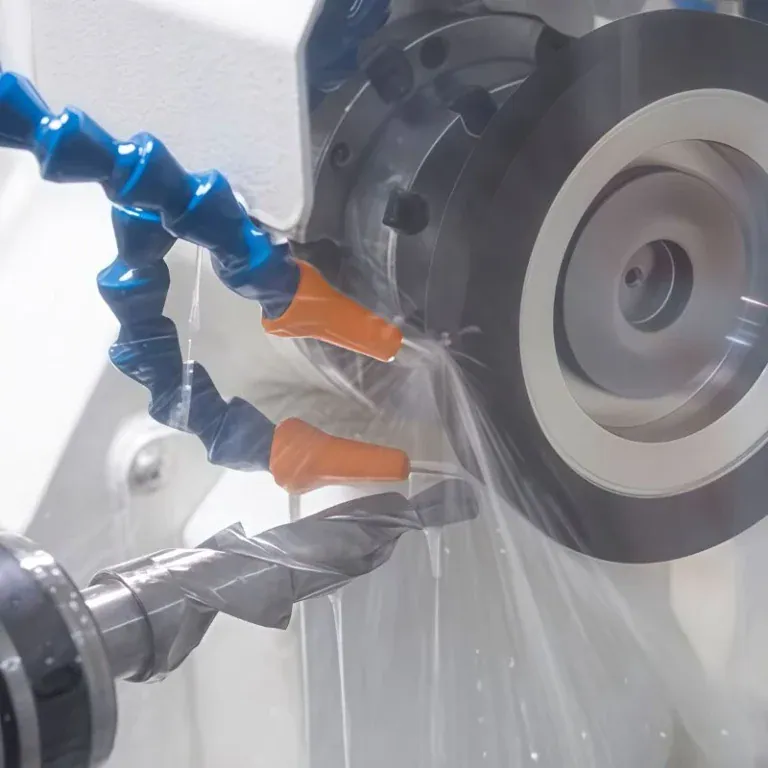
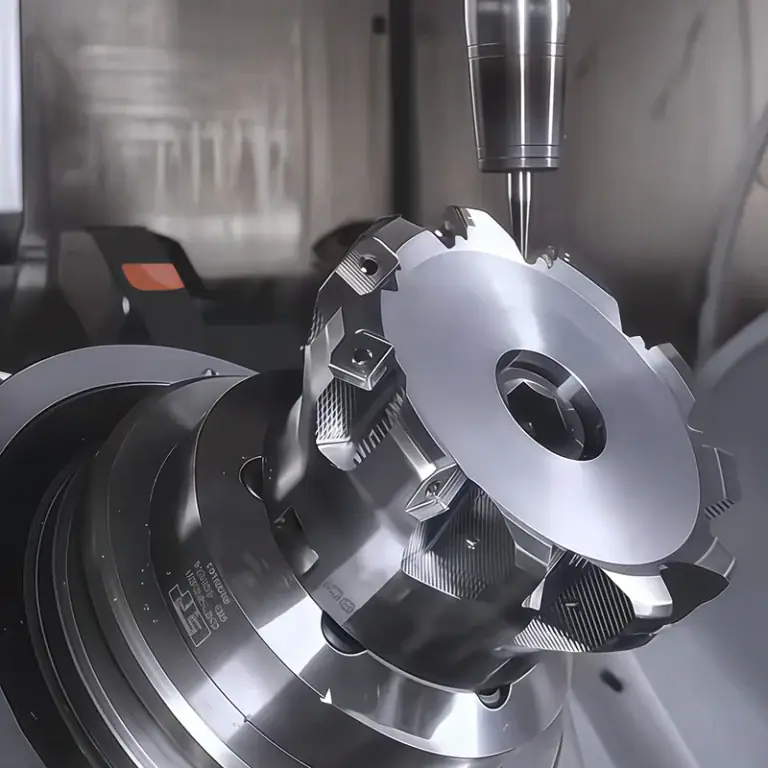
Vertical and horizontal milling use the same basic cutting principle, but spindle orientation changes how the tool reaches the workpiece, clears chips, and handles different part geometries.
This guide explains the key differences between vertical vs horizontal milling, where each process performs best, and how geometry, production volume, accuracy, and cost affect CNC milling selection.
What Is Vertical Milling?
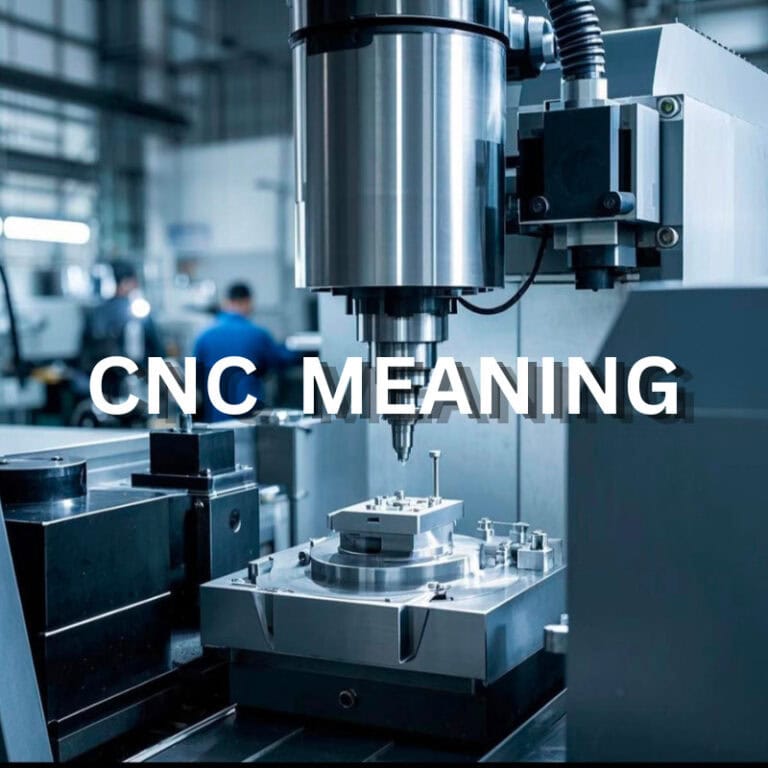
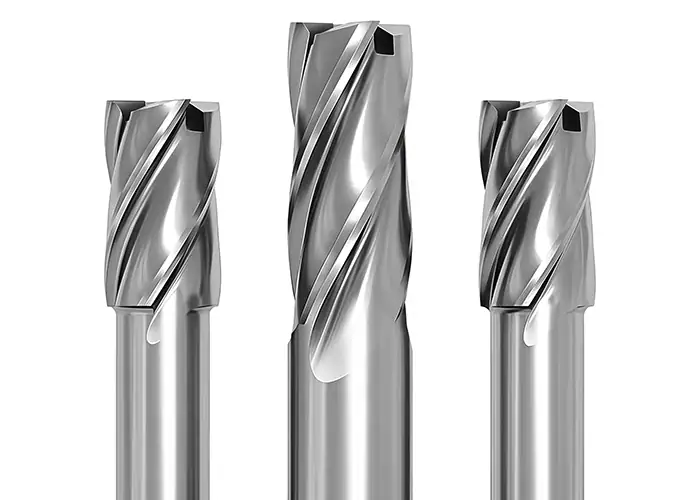
Vertical milling uses a vertically oriented spindle, with the cutting tool approaching the workpiece mainly from above. It is widely used for general CNC machining because it offers straightforward setup, good visibility, and flexible access to common part features.
Vertical machining centers, commonly called VMCs, are frequently used for prototypes, fixtures, brackets, plates, housings, mold components, and other prismatic parts. They are especially efficient when most critical features can be machined from the top or from a limited number of directions.
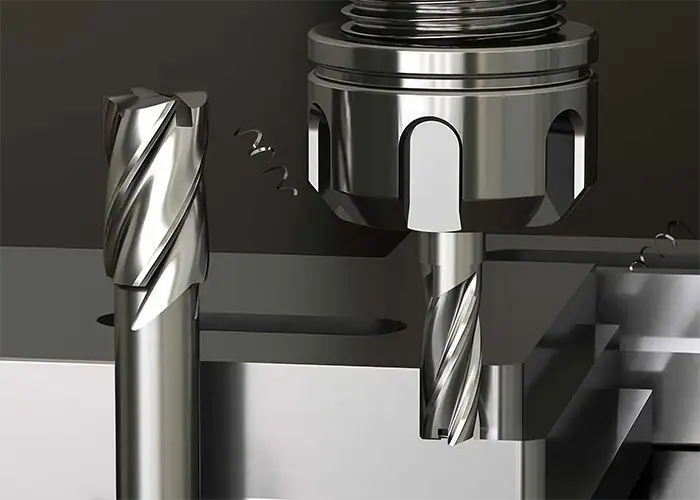
Vertical Milling Machine Structure
The defining feature of a vertical milling machine is its vertically mounted spindle. The workpiece is normally secured to a horizontal table using a vise, fixture, clamps, or dedicated workholding system.
Modern CNC vertical machining centers typically combine three linear axes with automatic tool changers, coolant systems, probing, and CNC control. Some machines also include fourth- or fifth-axis rotary units to improve access to side features and angled surfaces.
This arrangement makes VMCs highly adaptable. A shop can machine many different part designs without creating complex fixture systems for every job, which is valuable for prototype and low-volume production.
Common Vertical Milling Operations
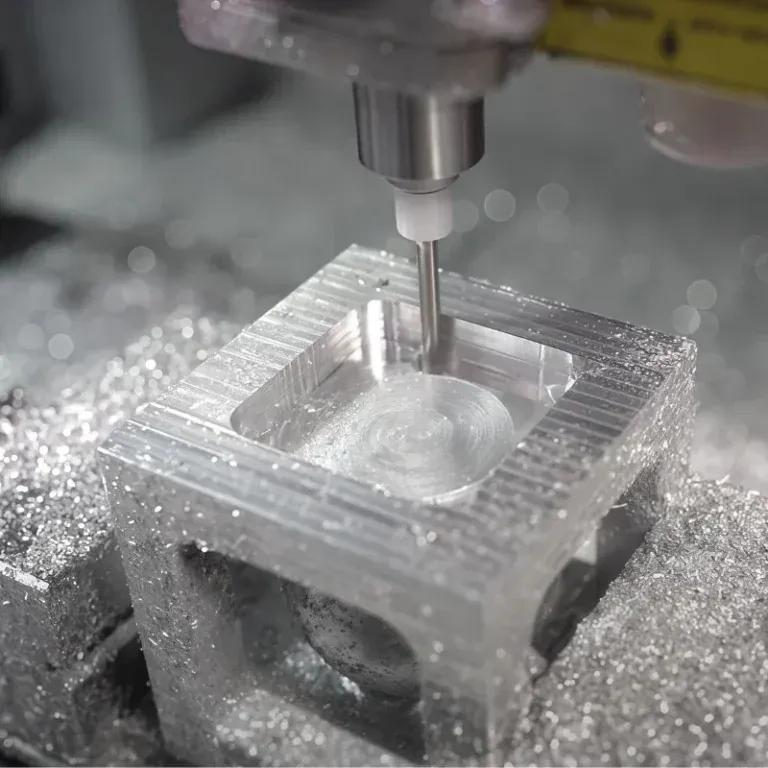
Vertical milling is well suited to facing, pocketing, contouring, drilling, boring, tapping, slotting, chamfering, and surface finishing.
Parts with broad flat surfaces, shallow pockets, top-facing holes, and external profiles are usually efficient to machine vertically. Examples include mounting plates, brackets, covers, fixture components, and simple housings.
The main limitation appears when important features are located on several sides of the component. Without rotary-axis capability, the part may need to be removed and repositioned, adding setup time and another opportunity for alignment error.
What Is Horizontal Milling?
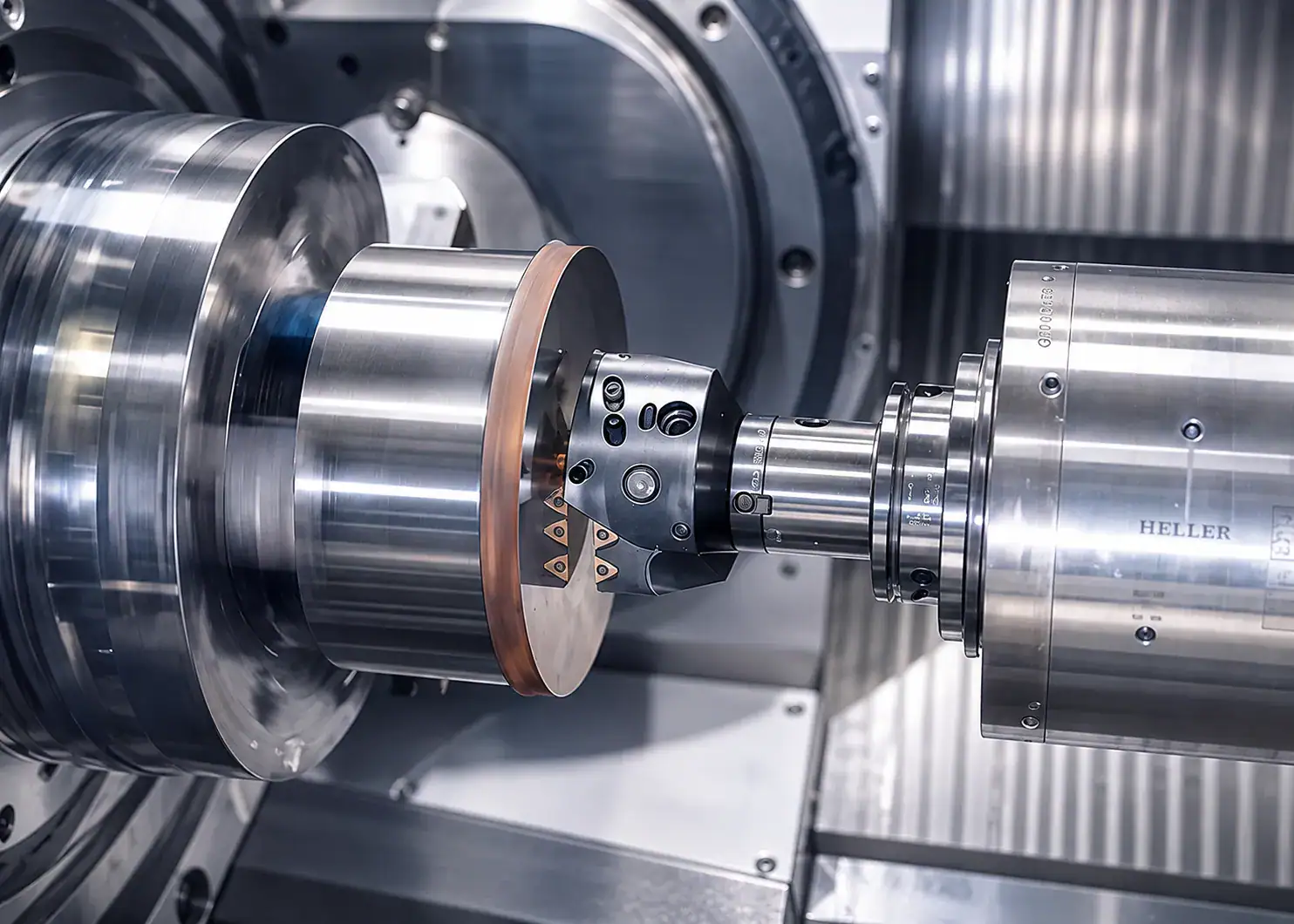
Horizontal milling uses a spindle positioned parallel to the machine table, allowing the cutting tool to approach the workpiece from the side. This configuration is particularly effective for multi-face machining, deep features, heavy material removal, and repeat production.
Horizontal machining centers, or HMCs, often use rotary tables, pallets, and tombstone fixtures. These systems allow several part faces, or several parts, to be machined with fewer manual setup changes.
Horizontal Milling Machine Structure
A horizontal milling machine places the spindle on a horizontal axis rather than directly above the workpiece.
The workpiece is often mounted on a rotary table or vertical tombstone fixture. By rotating the table, the machine can present different faces of the component to the spindle without completely removing the part from its fixture.
This configuration can reduce repeated clamping and help preserve relationships between features located on different surfaces.
Traditional horizontal mills may use arbor-mounted cutters, while modern HMCs use a broader range of CNC tooling, including end mills, drills, face mills, and specialized cutting tools.
Common Horizontal Milling Operations
Horizontal milling is commonly used for deep slots, side features, large cavities, heavy roughing, multi-face hole patterns, and components that require machining around several sides.
Valve bodies, gearbox housings, pump components, hydraulic manifolds, and large structural parts are typical examples.
Horizontal machines are also effective when high material removal rates are required. Their machine structure and chip flow can support demanding cutting conditions while reducing interruptions caused by chip buildup.
Vertical vs Horizontal Milling: Key Differences
The main difference between vertical and horizontal milling is spindle orientation, but that difference directly affects tool access, rigidity, chip evacuation, setup strategy, production efficiency, and cost.
| Factor | Vertical Milling | Horizontal Milling |
| Spindle orientation | Vertical | Horizontal |
| Main tool access | From above | From the side |
| Typical setup | Flat table, vise, fixture | Rotary table, pallet, tombstone |
| Chip evacuation | Chips may remain in pockets | Gravity helps chips fall away |
| Heavy roughing | Good | Often better suited |
| Multi-face machining | May require more setups | Often requires fewer setups |
| Prototype flexibility | High | Moderate |
| Repeat production | Good | Often highly efficient |
| Machine investment | Generally lower | Generally higher |
| Floor space | Usually smaller | Usually larger |
Spindle Orientation and Tool Access
Vertical machines approach the workpiece mainly from above. This makes them efficient for pockets, flat surfaces, holes, and profiles located on top-facing surfaces.
Horizontal machines approach from the side. When combined with a rotary table, this makes it easier to reach several faces without repeatedly unclamping the workpiece.
The difference becomes important on parts with side bores, intersecting holes, deep cavities, or features distributed around the component.
A simple plate may gain little from horizontal machining, while a complex housing can benefit significantly from improved side access.
Rigidity, Cutting Force, and Material Removal
Heavy roughing creates high cutting forces. Machine rigidity, tool overhang, fixture stability, and spindle capability all influence how aggressively material can be removed.
Horizontal machining centers are often selected for demanding material removal because their structure is well suited to stable cutting and repeated production.
This can be useful when machining large steel components, deep features, or parts that require substantial stock removal.
Vertical machines remain effective for many roughing operations, especially when the part is smaller and tool access is straightforward. The decision should be based on actual cutting requirements rather than machine orientation alone.
Chip Evacuation and Surface Quality
Chip evacuation can strongly affect machining stability.
In vertical milling, chips may accumulate inside deep pockets and cavities. If they remain in the cutting zone, the tool can recut them, generating additional heat and potentially affecting tool life and surface quality.
Horizontal machining benefits from gravity because chips can fall away from the cutting area more naturally.
This is especially useful for deep pockets, slots, and long cutting cycles. Better chip evacuation can help maintain more consistent cutting conditions and reduce interruptions for chip removal.
Surface finish still depends on tooling, cutting parameters, machine condition, coolant, and part stability. Horizontal orientation does not automatically produce a better surface, but it can improve process stability in chip-intensive operations.
Setup, Productivity, and Cost
Vertical machines are usually easier and faster to set up for one-off parts and short production runs.
Standard vises and fixtures can handle many different components, making VMCs practical when designs change frequently. Their lower machine cost and broad availability also make them attractive for general CNC work.
Horizontal machining typically requires more investment in machines, pallets, tombstones, and dedicated workholding. Programming and setup may also require more planning.
However, a horizontal process can reduce the number of setups and keep the spindle cutting for longer periods. In repeat production, those gains can offset the higher machine investment.
For this reason, machine hourly rate alone is not enough to compare vertical and horizontal milling. Setup time, cycle time, labor, tooling, inspection, fixture cost, and production quantity all affect the final part cost.
Which Milling Method Fits Different Parts?
The best milling method depends on part geometry, feature direction, material removal, and production volume. Neither orientation is automatically better for every component.
Prototypes and Low-Volume Parts
Vertical milling is often the practical choice for prototypes and small batches.
Prototype designs frequently change, so flexibility matters. A vertical machine can often accept a new block of material, a new CNC program, and relatively simple workholding without a large investment in dedicated fixtures.
This makes VMC machining suitable for brackets, plates, housings, fixtures, test components, and other early-stage parts.
It also allows engineers to modify dimensions or features between production runs without rebuilding an elaborate manufacturing system.
For complicated prototypes with machining required on several sides, a horizontal or multi-axis approach may still reduce total setup time.
Multi-Face and Complex Components
Horizontal milling becomes more attractive when a part contains critical features on several faces.
Consider a valve body with bores, ports, mounting holes, and sealing surfaces located around the component. Machining these features with multiple independent setups can increase handling and make positional relationships harder to control.
A horizontal machine with a rotary table can index the component while it remains in the same fixture.
This reduces the need to establish new work offsets and datums after every repositioning. It can also improve repeatability when features on different faces must maintain accurate relationships.
Deep Pockets, Slots, and Heavy Cutting
Deep cavities and slots create two common problems: tool rigidity and chip accumulation.
Long cutting tools are more likely to deflect, especially when cutting forces increase. At the same time, chips can remain inside the feature and interfere with the cutter.
Horizontal machining is often advantageous in these conditions because chips can fall away from the cutting zone more easily.
Its rigid machine structure can also support demanding roughing operations, making it suitable for parts that require significant stock removal.
Vertical machining can still produce deep features successfully, but tool length, coolant delivery, chip evacuation, and cutting strategy must be controlled carefully.
Large and Heavy Parts
Part size alone does not determine whether a vertical or horizontal machine should be used.
Large and heavy components require sufficient machine travel, table capacity, fixture strength, spindle power, and structural rigidity.
Horizontal machines are frequently used for heavy industrial components because they provide strong side access and can support large fixtures.
However, a large flat plate with mostly top-facing features may still be more efficient on a vertical machining center.
Feature orientation should therefore be evaluated together with overall part dimensions.
Medium- and High-Volume Production
Production volume changes the economics of CNC machining.
For ten prototypes, spending significant time building a complex pallet or tombstone system may not make sense. For hundreds or thousands of repeated parts, the same investment can reduce labor and setup time across the entire production run.
Horizontal machining centers are well suited to this type of production because multiple parts can often be mounted on a pallet or tombstone.
While one pallet is being machined, another may be prepared outside the work area. Automated pallet systems can further reduce idle time.
The result is higher spindle utilization and more consistent repeat production when the part design is stable.
How to Choose Between Vertical and Horizontal Milling
Selecting the right milling process should start with the part drawing and production requirements. Geometry, setup count, cutting load, tolerances, and total manufacturing cost are usually more important than machine type by itself.
Start With Part Geometry
First identify where the critical features are located.
If most pockets, holes, profiles, and surfaces are accessible from above, vertical milling is usually straightforward.
If machining is required on several sides, horizontal machining may reduce the number of times the part must be repositioned.
Deep cavities, intersecting holes, narrow slots, and difficult tool-access areas should also be evaluated early. These features often determine machine selection more clearly than overall part size.
The goal is not simply to fit the workpiece inside the machine. The goal is to give the cutting tool stable and efficient access to every critical feature.
Reduce Unnecessary Setups
Every additional setup adds non-cutting time.
The operator may need to remove the workpiece, clean the fixture, reposition the part, establish a new datum, probe the workpiece, and verify alignment.
More setups can also increase dimensional risk when critical features are referenced from different orientations.
If several related surfaces or holes can be machined while the part remains in one fixture, positional consistency is generally easier to control.
This is one reason horizontal machining can be attractive for complex multi-face parts, even when the machine hourly rate is higher.
Consider Material and Cutting Load
Material properties also influence the process.
Aluminum is relatively easy to machine at high cutting speeds, while stainless steel, titanium, and other demanding alloys may require more conservative cutting parameters and greater attention to rigidity.
When a part requires large amounts of stock removal, the combination of material, cutter engagement, spindle power, and fixture stability becomes important.
Horizontal machines may offer advantages for sustained heavy cutting, but the machine specification matters more than orientation alone.
A well-equipped vertical machining center can outperform an unsuitable horizontal machine if spindle power, tooling, workholding, or machine condition is better matched to the application.
Compare Total Manufacturing Cost
The lowest hourly machine rate does not necessarily produce the lowest part price.
Total manufacturing cost includes setup, programming, cycle time, tooling, workholding, inspection, operator labor, scrap risk, and production quantity.
For a prototype, a vertical machine may offer the lowest overall cost because setup is simple and no complex fixture is required.
For repeated multi-face production, a horizontal machine may cost more per hour but complete the part with fewer setups and less manual handling.
The correct decision should therefore be based on the complete manufacturing process, not simply the equipment rate.
FAQs
What are the downsides of using a vertical milling machine?
Vertical milling machines can be less efficient for deep pockets, heavy material removal, and parts that require machining on several sides. Chips may also collect in cavities, and additional setups may be needed when important features are not accessible from the top.
How precise is horizontal milling?
Horizontal milling can achieve high precision when the machine, tooling, workholding, and cutting conditions are properly controlled. Its ability to machine several faces in fewer setups can also help maintain positional accuracy between related features.
What type of cutters are most often used on a vertical milling machine?
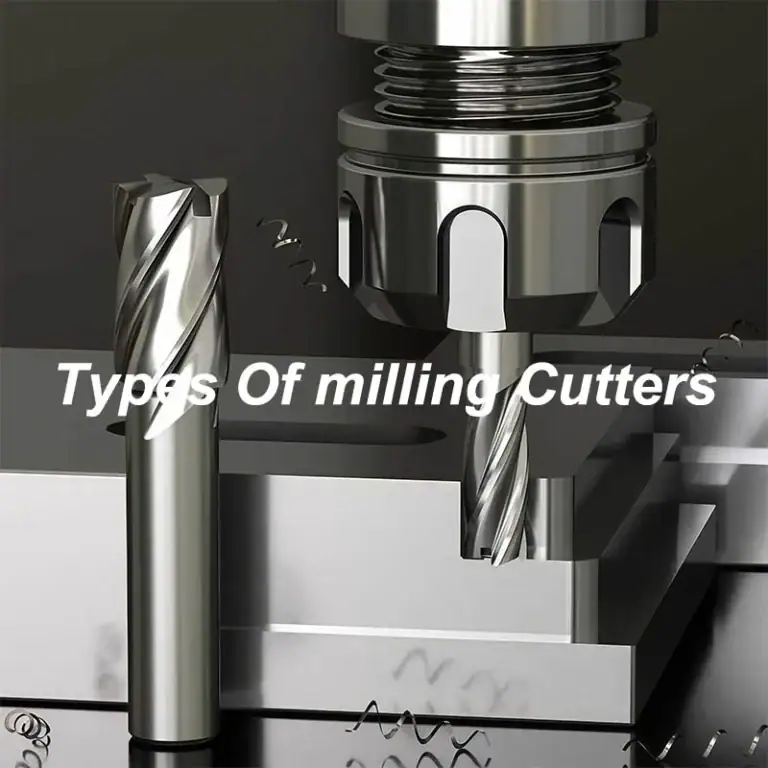
Vertical milling machines commonly use end mills, face mills, drills, ball end mills, chamfer mills, and slot cutters. The cutter type depends on the feature being machined, such as pockets, flat surfaces, holes, profiles, or contours.
Conclusion
Vertical and horizontal milling are both capable CNC machining processes, but they solve different manufacturing problems. Vertical milling is flexible and efficient for prototypes, short runs, and parts with accessible top-facing features. Horizontal milling becomes especially valuable for heavy cutting, deep features, multi-face components, and repeat production where reducing setups can improve efficiency and consistency.
At TiRapid, we provide precision CNC machining and manufacturing services for custom metal and engineering plastic parts. Our team evaluates part geometry, tolerances, material, quantity, and machining access to develop a practical process for prototypes and low-volume production.