The powersports industry includes off-road motorcycles, all-terrain vehicles (ATVs), personal watercraft, and other high-performance recreational vehicles. These products require components that balance strength, lightweight construction, durability, and complex geometries. For manufacturers in the research, development, performance testing, or customization stages, low-volume powersports parts manufacturing helps control upfront costs while accelerating product validation and design iterations. By combining CNC precision machining, appropriate material selection, and flexible production planning, businesses can efficiently move from prototyping to low-volume production.
Get 20% offf
Your First Order
Need custom metal and plastic parts?
Key Requirements for Low-Volume Powersports Parts Manufacturing
Meeting Complex Geometry and Precision Assembly Requirements
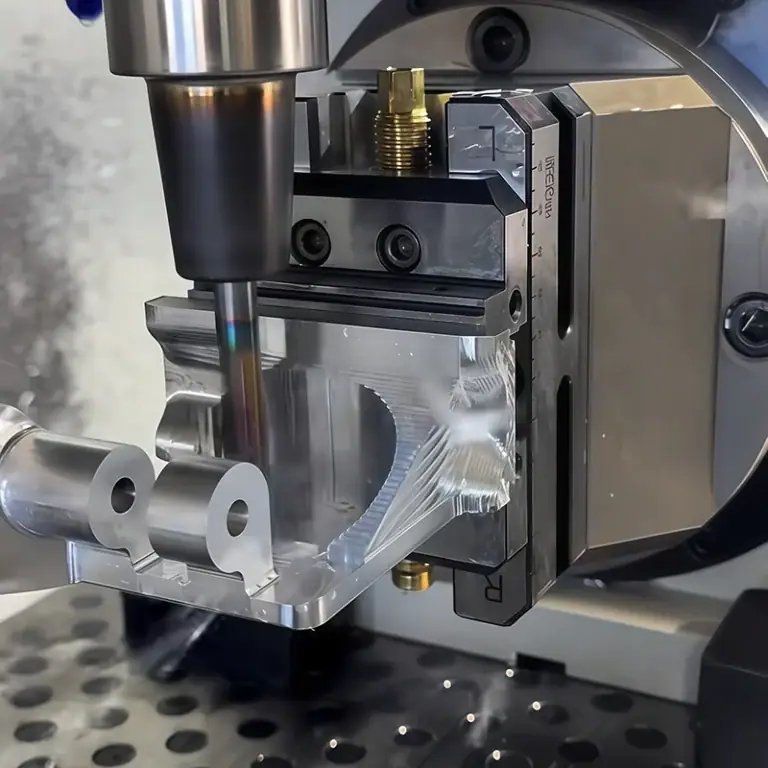
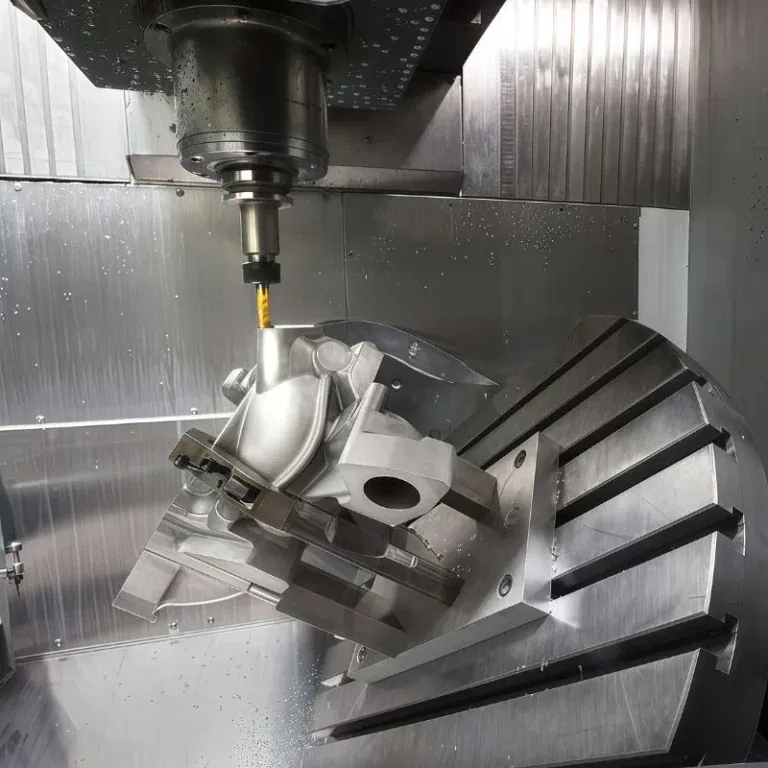
Powersports components, such as engine mounts, suspension connectors, steering components, footpeg brackets, and transmission parts, often feature complex geometries and strict assembly requirements. CNC milling, turning, and five-axis machining can manufacture components based on CAD models and engineering drawings. These processes help minimize positioning errors caused by repeated setups and improve dimensional consistency.
Shortening Product Development and Testing Cycles
New product development typically involves prototyping, assembly verification, performance testing, and design modifications. Low-volume CNC machining eliminates the need for dedicated tooling investment every time a design changes. It is suitable for producing small quantities of test components and making rapid adjustments to hole positions, structural features, and dimensions based on test results. This helps engineering teams shorten product development cycles.
Machining Processes and Material Selection for Powersports Parts
Matching Machining Processes to Component Geometry
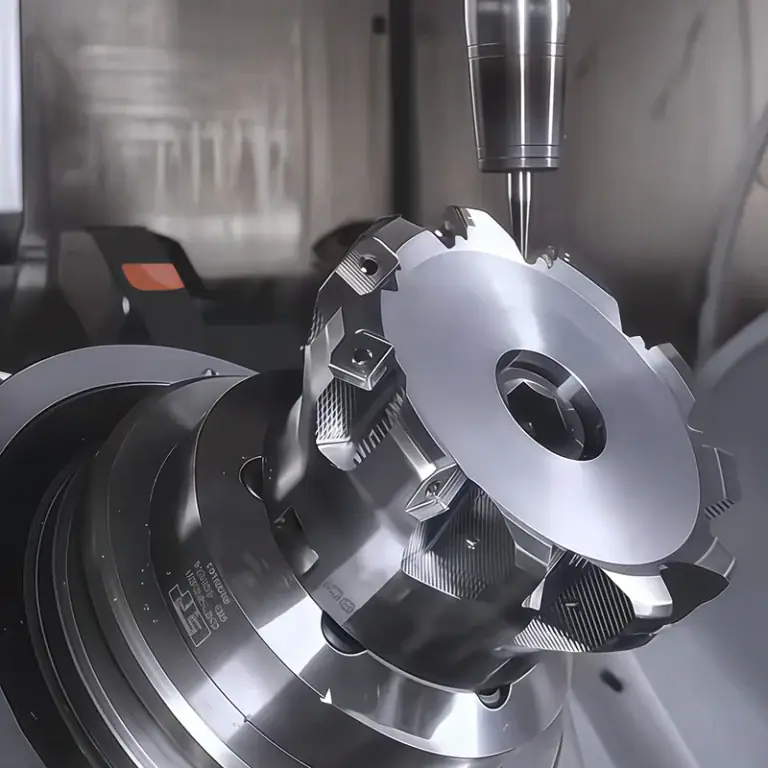
Three-axis CNC milling is suitable for brackets, mounting plates, and conventional structural components. CNC turning is commonly used for bushings, sleeves, and cylindrical parts. Four-axis and five-axis CNC machining are suitable for multi-sided machining, curved surfaces, and complex connecting components. For non-metallic parts, CNC plastic machining and other appropriate manufacturing processes can be selected according to the application environment.
Selecting Materials Based on Performance Requirements
Material selection should consider load-bearing capacity, weight, corrosion resistance, wear resistance, and machining costs. Aluminum alloys are suitable for many lightweight structural components. Stainless steel is appropriate for applications requiring corrosion resistance. Titanium alloys may be used for selected high-performance components, while engineering plastics are suitable for non-load-bearing or functional parts that meet the required strength and temperature specifications.
Component Application
Recommended Materials
Suitable Machining Processes
Key Considerations
Engine mounting brackets
Aluminum alloys, steel
CNC milling
Rigidity, assembly precision
Steering and suspension connectors
Aluminum alloys, alloy steel
CNC milling, five-axis machining
Strength, fatigue performance
Bushings and sleeves
Stainless steel, engineering plastics
CNC turning
Wear resistance, fit accuracy
Control knobs and cosmetic parts
Aluminum alloys, engineering plastics
CNC milling, turning
Appearance, dimensional stability
Complex curved connectors
Aluminum alloys, titanium alloys
Five-axis CNC machining
Complex geometry, weight reduction
The final material selection should be validated against the required loads, operating temperatures, vibration conditions, and safety requirements.
How to Optimize Manufacturing Costs and Quality
Apply Design for Manufacturability (DFM)
Before machining begins, evaluating the 3D model, wall thickness, hole positions, tool accessibility, and tolerance requirements helps eliminate unnecessary complexity, avoid overly restrictive tolerances, and reduce machining time and material waste. For load-bearing or safety-critical components, essential structural strength and testing requirements must be maintained.
Establish a Clear Quality Inspection Process
Low-volume production requires the same attention to quality control as larger manufacturing runs. Manufacturers should inspect critical dimensions, hole positions, mating features, and surface quality according to engineering drawings, using appropriate measuring equipment for verification. Components used in steering, braking, suspension, or powertrain systems may also require performance testing under applicable standards and actual operating conditions.
Plan Production According to Order Volume
The unit cost of low-volume orders is typically affected by programming, workholding, material utilization, machining time, and post-processing. Optimizing toolpaths, consolidating suitable machining operations, standardizing material specifications for similar components, and confirming surface finishing requirements in advance can improve production efficiency. Once the product design stabilizes, manufacturers can evaluate whether alternative manufacturing processes are more suitable for higher production volumes.
TiRapid Low-Volume Powersports Parts Manufacturing Services
TiRapid provides CNC milling, CNC turning, five-axis machining, and other custom manufacturing services to support powersports prototyping and low-volume production. Through engineering drawing reviews, design for manufacturability (DFM) optimization, material selection guidance, and dimensional inspection, TiRapid helps customers develop machining solutions based on component geometry, performance requirements, and order quantities.
Whether the project involves off-road motorcycle structural components, ATV connecting parts, or custom mechanical components for personal watercraft, machining processes, surface finishing, and delivery schedules can be evaluated according to specific project requirements. Submitting CAD files, 2D engineering drawings, material specifications, and estimated order quantities helps ensure more accurate technical feedback and quotations.
Conclusion
Low-volume powersports parts manufacturing affects not only production costs but also product development speed, assembly precision, and performance validation. By selecting suitable CNC machining processes, optimizing component designs, matching material properties to application requirements, and implementing quality inspections, manufacturers can respond more flexibly to product iterations and small production orders.
TiRapid supports powersports component projects from prototyping to low-volume manufacturing, helping businesses advance product development and prepare for potential future production scaling.
Author
Galen Director and Founder
Committed to ensuring we provide the best possible service in the manufacturing industry.
Grinding is a precision machining process that removes material from a workpiece using a rotating abrasive wheel. Unlike conventional cutting tools, which remove material with defined cutting edges, grinding uses
A bracket may need a curved edge to clear an adjacent component. A housing may require an accurately shaped internal wall, while a mold needs a continuous surface that defines
The main spindle is one of the most important assemblies in a CNC machine. It provides the rotational motion required for cutting, holds either the cutting tool or the workpiece,
Guide pins are simple components, but they play a critical role in mold alignment, repeatable positioning, and long-term tooling stability. In injection molds, die sets, fixtures, and precision assemblies, a
CNC Part Manufacturing: Process, Quality & Design Guide CNC parts are used across aerospace, medical equipment, robotics, automotive systems, electronics, and industrial machinery because CNC machining can produce complex components
Two parts made from the same material can have very different milling prices. One may fit a standard vise and run with common tools. The other may need several setups,
Multiaxis machining is a CNC manufacturing process that allows the cutting tool, workpiece, or both to move across multiple controlled axes during machining. Instead of only cutting from one fixed
A precise toolpath is only useful when the workpiece stays where it belongs. If a part shifts, lifts, or bends during cutting, even a carefully programmed CNC machine can produce
Machining allowance is the extra material intentionally left on a workpiece before final machining. In CNC machining, this extra stock gives machinists enough material to remove surface defects, correct minor
Plain milling is a milling process used to machine broad, flat surfaces by removing material with the peripheral cutting edges of a rotating cutter. It is commonly performed on a
Glass filled nylon is a reinforced engineering plastic that combines the versatility of nylon with the strength and stiffness of glass fibers. Compared with unfilled nylon, it offers better resistance
Tensile stress is the internal force per unit area produced when a material is pulled by an external load. It is calculated by dividing the applied tensile force by the