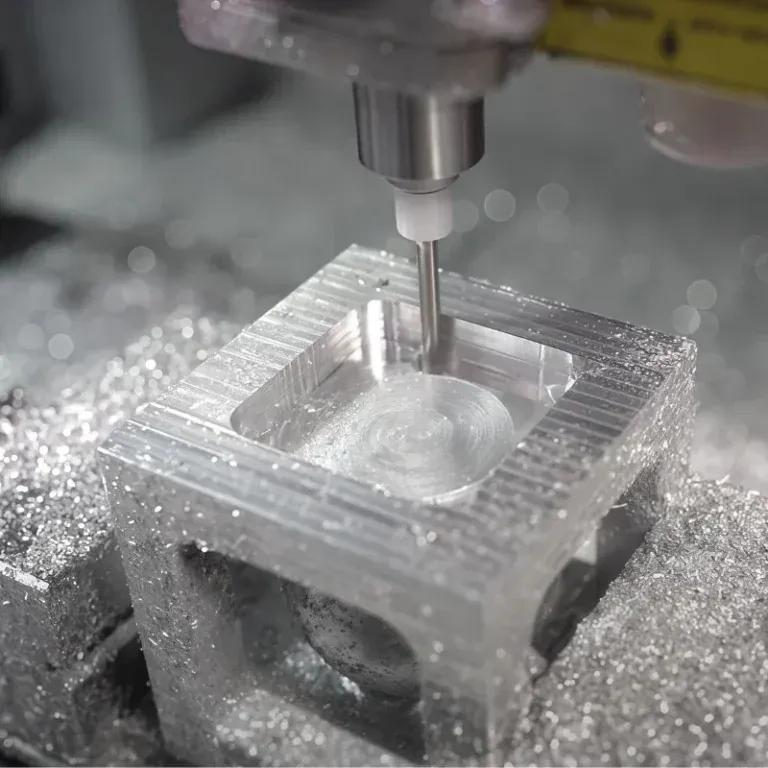
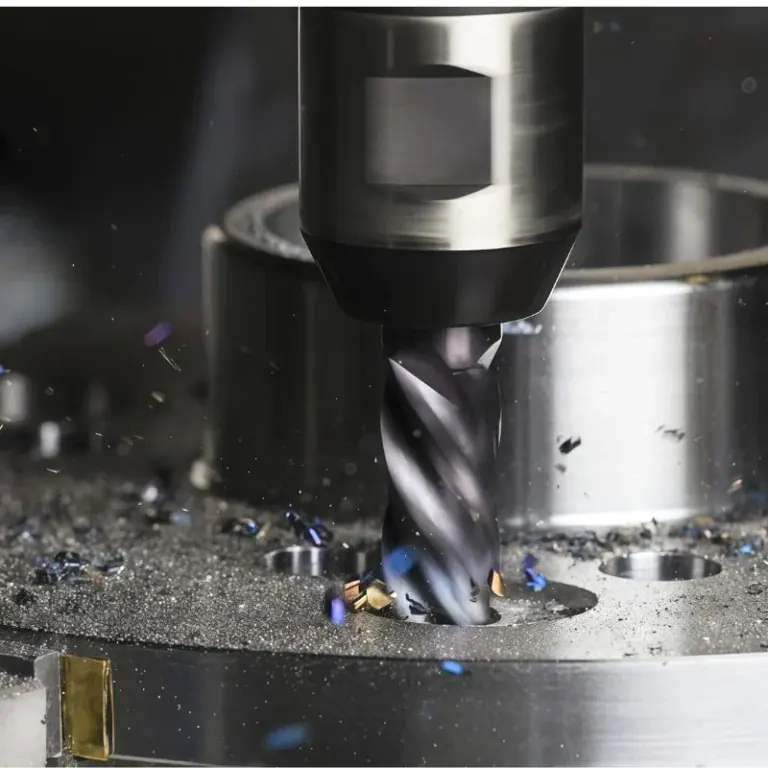
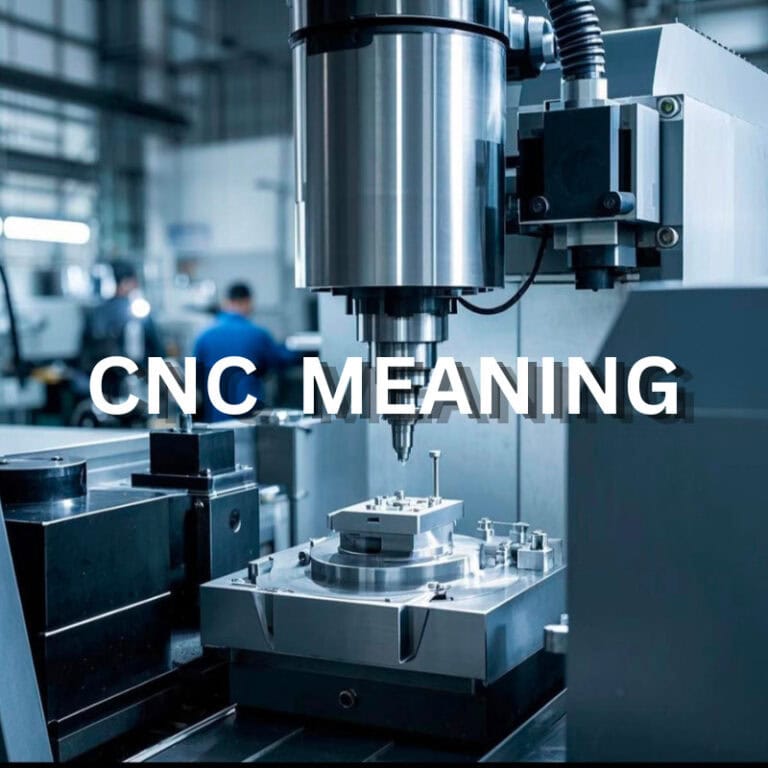
The semiconductor industry is advancing at an incredible pace, and every stage from equipment development to large-scale production requires higher manufacturing standards. Many semiconductor equipment parts need to go through multiple design tests during the prototype stage, while maintaining consistent precision and reliability once they enter mass production. Even a small dimensional deviation can affect equipment assembly accuracy or the stability of the entire production process. Compared with traditional manufacturing methods, CNC machining provides high precision, fast response, and stable production capabilities, making it an ideal solution for semiconductor parts throughout the entire process from prototype development and small-batch production to large-scale manufacturing.
What Challenges Exist in Semiconductor Part Manufacturing from Prototype to Mass Production?
Semiconductor equipment parts usually have strict requirements for precision, material performance, and surface quality. During the early product development stage, manufacturers need fast production and flexible design adjustments. However, once products enter mass production, consistency, delivery capability, and long-term stability become the main concerns. Semiconductor part manufacturing requires a solution that can support both development flexibility and stable production, and CNC machining provides the necessary advantages to connect these two stages.

Prototype Development Requires Fast Design Verification
During semiconductor equipment development, engineers often need prototype parts to verify structural design, installation performance, and equipment operation. If manufacturing takes too long, the entire development schedule may be delayed.
- Shortens prototype manufacturing cycles, CNC machining can directly produce parts based on CAD drawings and 3D models without requiring complicated tooling preparation, allowing development teams to obtain physical samples faster for testing.
- Allows quick design modifications, when structural problems are discovered during testing, machining programs can be adjusted quickly to produce updated parts without long preparation periods.
- Reduces early development costs, CNC machining is suitable for small-batch prototype production, helping companies reduce initial investment pressure during product development.
For semiconductor companies, quickly completing prototype verification helps products move into optimization and improvement stages faster.
Semiconductor Parts Require Extremely High Machining Accuracy
Many semiconductor equipment components require precise dimensions, including vacuum chamber parts, support structures, positioning components, and precision connection parts. Although these components may vary in size and function, they all need excellent dimensional stability to ensure proper equipment operation.
- Provides precise dimensional control, CNC machining uses programmed tool movement to manufacture complex parts accurately and reduce dimensional deviations.
- Improves assembly compatibility, high-precision machining reduces adjustment requirements during equipment assembly and improves operating stability.
- Maintains consistency during long-term production, stable machining processes help different production batches maintain similar quality levels.
For the semiconductor industry, part quality is not only about successful manufacturing but also about maintaining reliable performance over time.
Stable Transition from Prototype to Mass Production
Many semiconductor components begin with low-volume prototype manufacturing but later require continuous production after design validation. If the machining process cannot transition smoothly, product delivery and equipment manufacturing may be affected.
- Maintains process continuity, CNC machining can gradually transition from prototype production to batch manufacturing while reducing process changes.
- Improves production consistency, fixed programs and machining parameters help reduce differences between different production batches.
- Supports flexible production adjustments, manufacturing quantities can be adjusted according to market demand and project requirements.
This ability to move from prototype to mass production is one of the major advantages of CNC machining in semiconductor manufacturing.
How Does CNC Machining Support the Entire Semiconductor Manufacturing Process?
Semiconductor part manufacturing is not simply a machining task; it requires different production strategies at different stages. From early design validation to stable mass production, every step has different priorities. CNC machining connects product development and manufacturing through digital processes, helping companies achieve higher efficiency while maintaining precision.
Different semiconductor equipment components also have different CNC machining requirements:
| Part Type | Application | CNC Machining Focus |
| Precision Structural Parts | Internal semiconductor equipment structures | Improve dimensional accuracy and assembly stability |
| Vacuum Chamber Components | Vacuum processing equipment | Maintain sealing performance and surface quality |
| Positioning Components | Wafer processing equipment | Improve repeat positioning accuracy |
| Connection Components | Equipment module connections | Ensure installation compatibility |
Although these components serve different purposes, they all help semiconductor equipment maintain stable operation through reliable manufacturing quality.
CNC Machining Meets Complex Structure Manufacturing Requirements
Semiconductor equipment designs are becoming increasingly sophisticated, and many components include precision holes, special contours, and multi-surface machining requirements.
- Supports complex geometric structures, CNC machines can manufacture parts according to digital models, providing greater design flexibility.
- Reduces setup-related errors, optimized machining strategies reduce the impact of repeated clamping and improve overall accuracy.
- Adapts to customized component requirements, machining programs can be adjusted quickly for different equipment models and applications.
The ability to manufacture complex structures makes CNC machining an important choice for semiconductor equipment production.
CNC Machining Helps Control Mass Production Quality
When semiconductor parts enter mass production, consistency becomes one of the most important factors. If each batch has significant differences, it may affect equipment assembly and future operation.
- Maintains batch-to-batch consistency, programmed machining processes help keep dimensions more stable across different production runs.
- Reduces rework and adjustment costs, stable manufacturing processes reduce problems caused by part deviations.
- Improves production management efficiency, standardized machining workflows make long-term production planning easier.
For semiconductor manufacturers, stable mass production capability directly affects equipment delivery and customer satisfaction.
CNC Machining Supports Various Material Applications
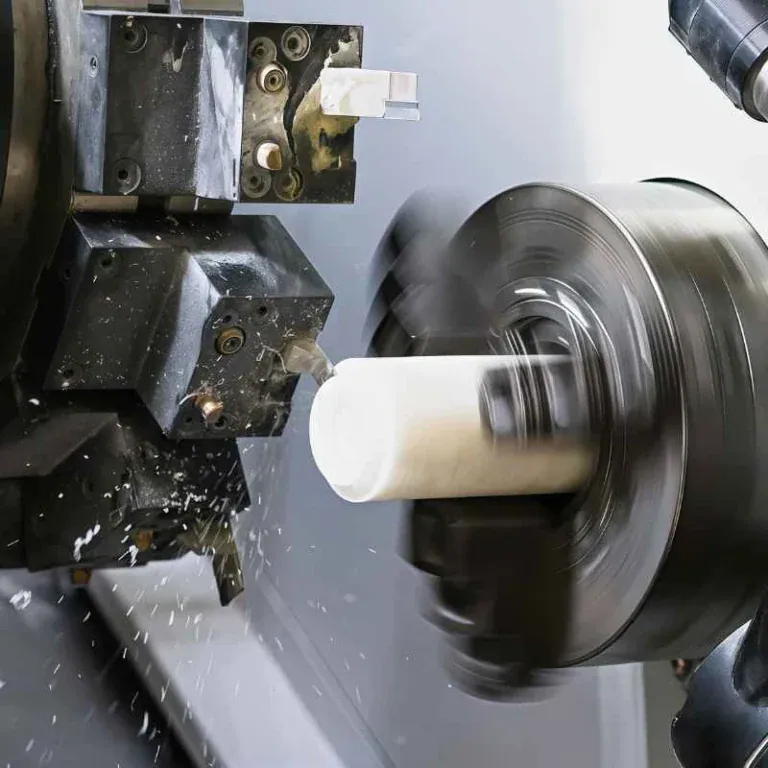
Semiconductor equipment components are manufactured using different materials depending on working environments, including aluminum alloys, stainless steel, titanium alloys, and engineering plastics.
- Aluminum alloys for lightweight structures, suitable for components that require reduced weight while maintaining good machinability.
- Stainless steel for high-stability components, ideal for applications requiring corrosion resistance and mechanical strength.
- Engineering plastics for special applications, suitable for insulation, low-friction, and specific operating environments.
Selecting the right material and machining strategy allows semiconductor parts to achieve better performance in different applications.
How Can Semiconductor Part Quality Be Ensured During CNC Machining?
The semiconductor industry has extremely strict quality requirements, and every manufacturing detail can influence final performance. From material selection and machining parameters to final inspection, each stage requires careful control. Although CNC machining provides high automation, professional process experience is still necessary to achieve stable and high-quality semiconductor component manufacturing.
Develop Proper Process Planning Before Machining
Semiconductor parts usually have precise structures, making early process planning extremely important. A well-designed machining strategy can reduce production risks and improve efficiency.
- Analyze part structures, identify machining difficulties, and create suitable manufacturing routes.
- Select proper tools and parameters, adjust machining methods according to material characteristics.
- Plan clamping methods, reducing deformation and positioning errors during production.
Thorough preparation helps companies reduce trial-and-error costs and improve machining efficiency.
Control Manufacturing Details During Machining
During precision machining, factors such as machine condition, tool wear, and environmental changes can affect final results. Continuous monitoring is necessary to maintain stable quality.
- Monitor machining conditions, identifying abnormal situations before they affect part quality.
- Control critical dimensions, ensuring components continue to meet design requirements.
- Optimize machining parameters, maintaining stable production conditions.
- Record machining data, supporting future process improvements and quality management.
Strict process control is essential for achieving reliable semiconductor part production.
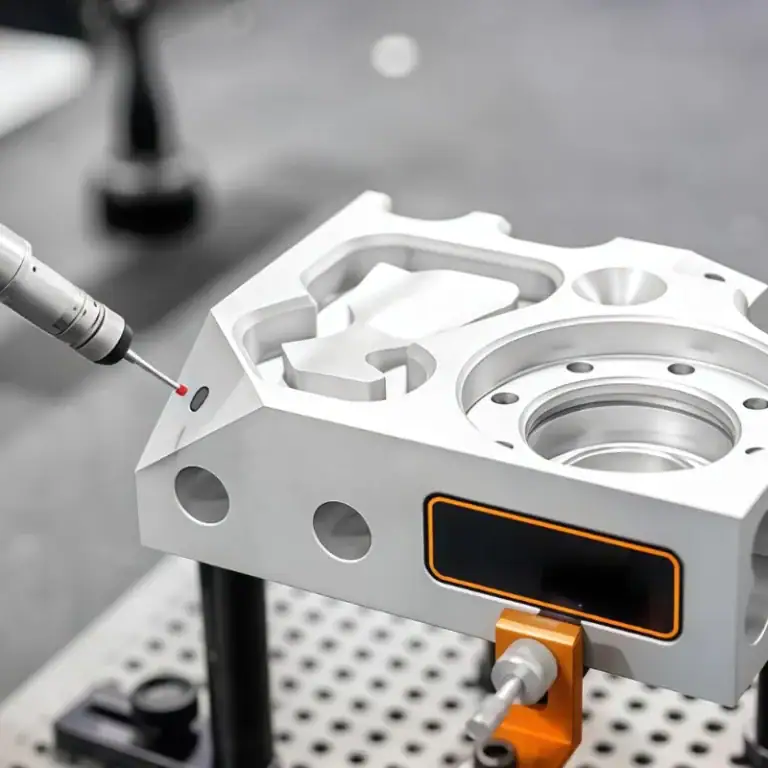
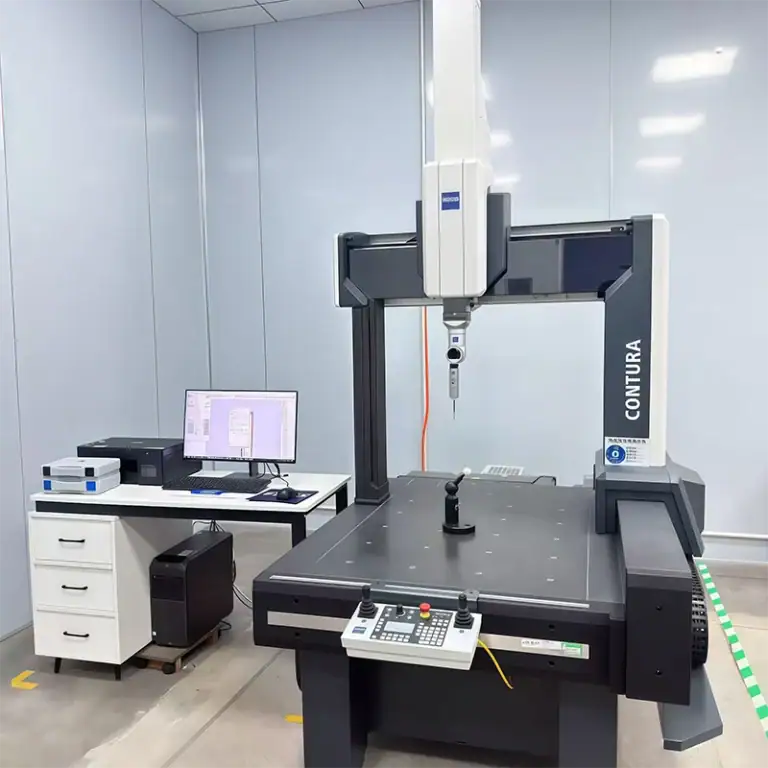
Perform Strict Inspection After Machining
After machining is completed, components must be inspected to confirm they meet semiconductor equipment requirements.
- Verify dimensional accuracy, ensuring parts meet engineering drawings and specifications.
- Check surface quality, preventing machining defects from affecting equipment performance.
- Confirm assembly performance, ensuring components can be properly integrated into equipment systems.
A complete inspection process improves product reliability and reduces potential equipment issues.
How Does CNC Machining Improve Semiconductor Manufacturing Efficiency?
As competition in the semiconductor industry increases, companies are focusing not only on part quality but also on development speed and production efficiency. If every stage from design to mass production can connect smoothly, companies can shorten product cycles and respond faster to market changes. CNC machining provides semiconductor manufacturers with a more efficient manufacturing approach through flexible production and precise process control.
Accelerating New Equipment Development
During semiconductor equipment development, engineers often need to test different structural solutions.
- Quickly produces testing components, helping engineering teams verify design performance faster.
- Supports multiple design versions, making it easier to compare different solutions.
- Reduces development waiting time, improving overall project efficiency.
Improving Mass Production Capability
After entering production, stable manufacturing capability becomes a key requirement.
- Increases machining automation, reducing the influence of manual operations.
- Maintains long-term production stability, supporting continuous order requirements.
- Reduces manufacturing fluctuations, improving delivery reliability.
Supporting Continuous Semiconductor Industry Development
Semiconductor technology continues to evolve, and equipment designs are constantly changing.
- Supports rapid manufacturing of new products, helping companies respond to technology upgrades.
- Meets different component requirements, improving manufacturing flexibility.
- Helps optimize production processes, strengthening overall competitiveness.
From prototype development to mass production, semiconductor part manufacturing requires a balance between speed, precision, and stability. CNC machining provides semiconductor equipment manufacturers with a complete manufacturing solution through flexible production, accurate control, and reliable mass production capabilities. Tirapid specializes in CNC machining services, providing high-precision semiconductor part manufacturing solutions and helping customers achieve efficient production from prototype validation to stable mass manufacturing.