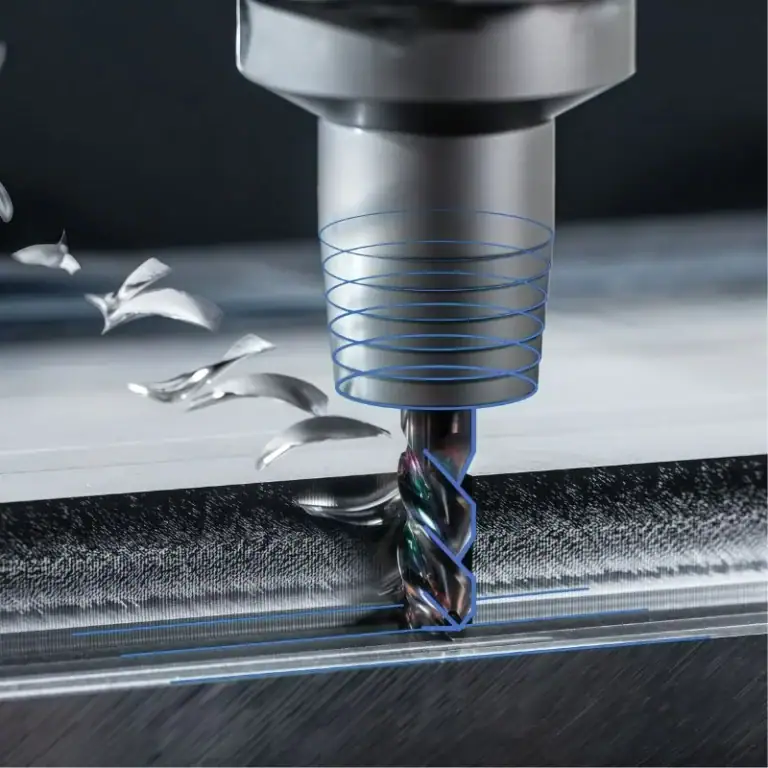
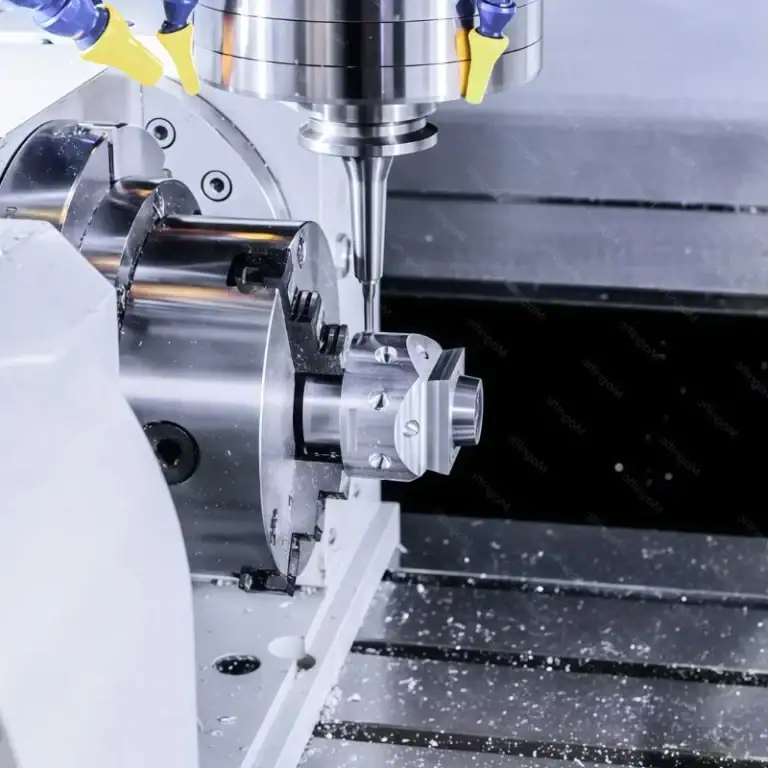
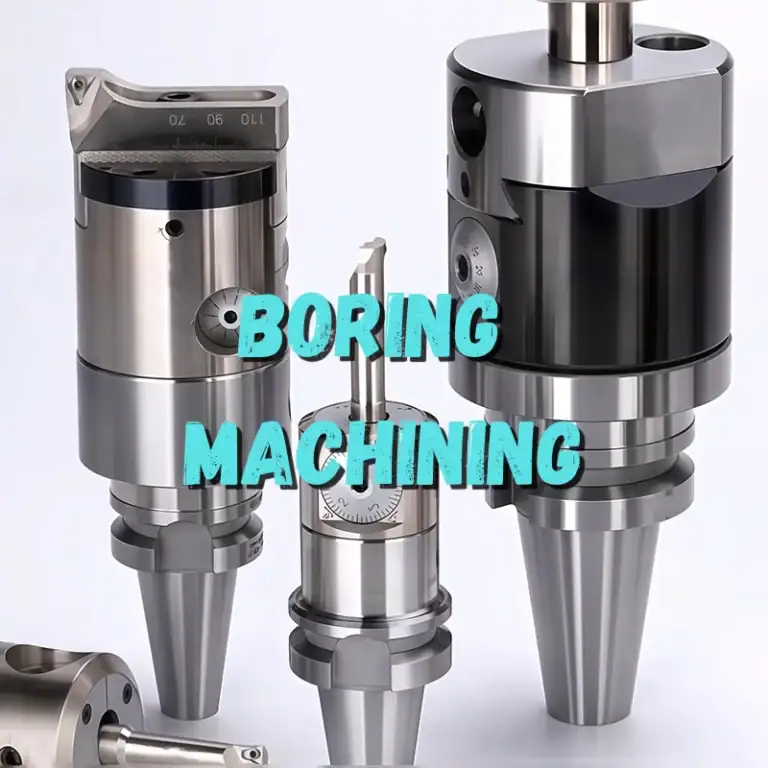
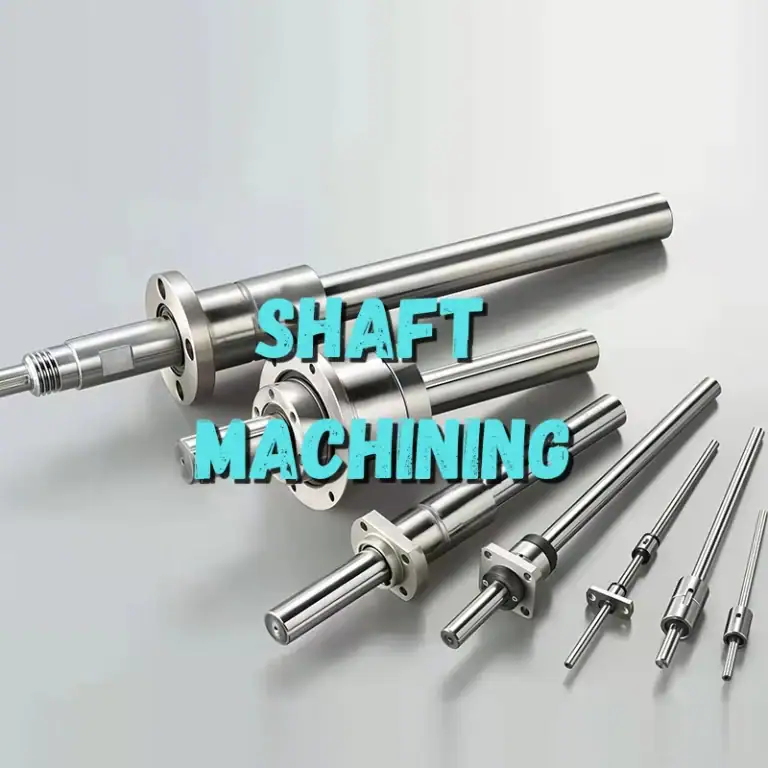
Marine oil and gas equipment operates in some of the most challenging conditions, including high salt exposure, extreme pressure, humidity, and continuous operation. The quality of every component directly affects equipment reliability and safety. A valve component, pipeline connector, or structural part may seem small, but even minor dimensional errors can lead to sealing problems, reduced efficiency, or unexpected maintenance costs. As the oil and gas industry continues moving toward deep-sea exploration and more complex operating environments, manufacturers require parts with higher accuracy, durability, and consistency. With advantages such as precise control, multi-material capability, and flexible customization, CNC machining has become an important solution for producing reliable marine oil and gas equipment components.
Why Is Marine Oil and Gas Equipment Part Manufacturing More Challenging?
Compared with ordinary industrial equipment, marine oil and gas systems face much more demanding working conditions. Components must not only withstand mechanical loads but also resist seawater corrosion, temperature changes, vibration, and long-term operational stress. Manufacturing these parts requires more than simply meeting dimensional drawings; engineers must also consider material performance, structural reliability, and service life. CNC machining provides better process control and manufacturing stability, making it highly suitable for the demanding requirements of the oil and gas industry.
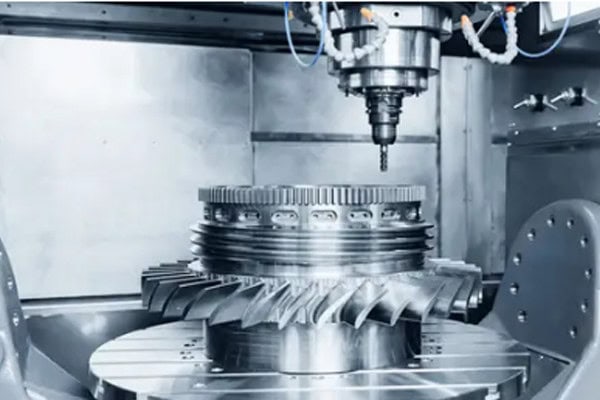
Marine Environments Require Higher Part Durability
Offshore platforms, subsea production systems, and oil transportation equipment often operate for years in harsh environments. If materials or machining processes are not properly selected, components may experience performance degradation over time.
- Improves corrosion resistance of components, selecting suitable materials and machining methods helps parts maintain performance in high-salt and humid environments, reducing frequent replacement and maintenance costs.
- Enhances structural reliability, CNC machining provides accurate control over dimensions and features, allowing components to better withstand pressure, vibration, and mechanical impact during operation.
- Reduces equipment maintenance frequency, high-quality machined parts can minimize premature wear and failures, helping oil and gas equipment maintain stable operation for longer periods.
- Improves long-term operational safety, in the oil and gas industry, unexpected equipment downtime can affect production efficiency and increase maintenance difficulty, making component reliability extremely important.
Marine oil and gas components need not only to be manufactured successfully but also to maintain stable performance in demanding environments.
Complex Structures Increase Machining Difficulty
Oil and gas equipment contains many precision components, such as valve bodies, pump parts, sealing components, and connection structures. These parts often require multiple machining surfaces and strict control of hole positions, flatness, and dimensional accuracy.
- Supports complex structure machining, CNC machines can process multi-feature and multi-angle components based on 3D models, meeting the requirements of advanced oil and gas equipment designs.
- Ensures critical dimensional accuracy, precise machining of holes, mounting surfaces, and connection areas helps reduce assembly errors.
- Reduces post-assembly adjustments, higher machining accuracy makes installation and commissioning easier, improving project efficiency.
The ability to manufacture complex structures is one of the key advantages of CNC machining in marine oil and gas applications.
Special Materials Require Professional Machining Processes
To survive marine conditions, oil and gas equipment often uses high-performance materials such as stainless steel, titanium alloys, and nickel-based alloys. These materials offer excellent strength and corrosion resistance but are also more difficult to machine.
- Optimizes machining parameters, different materials require suitable cutting speeds, feeds, and machining strategies to maintain part quality.
- Reduces tool wear issues, proper tool selection and machining methods improve production stability and reduce unexpected tool failures.
- Preserves material performance, controlled machining processes prevent damage that could affect the final service performance of components.
Professional machining solutions allow high-performance materials to deliver their intended advantages while meeting oil and gas reliability requirements.
How Does CNC Machining Meet Marine Oil and Gas Equipment Manufacturing Requirements?
Marine oil and gas components are often not standard products but are designed according to equipment models, installation environments, and specific application requirements. Different projects may require different dimensions, materials, and structures. Traditional manufacturing methods can become inefficient when dealing with low-volume, high-precision, and complex components. CNC machining provides flexible production through digital programming and precise control, allowing manufacturers to respond quickly to different requirements.
Common marine oil and gas equipment components and their CNC machining requirements include:
| Component Type | Application | CNC Machining Advantage |
| Valve Control Components | Oil and gas flow control systems | Maintains sealing surface accuracy and operational stability |
| Pipeline Connection Parts | Transportation and connection systems | Controls hole positions and assembly dimensions |
| Pump Internal Components | Fluid transportation equipment | Supports complex structures and improves durability |
| Equipment Support Parts | Offshore platform structures | Ensures strength and dimensional consistency |
With proper machining planning, different components can be manufactured to better match the actual operating conditions of marine oil and gas equipment.
CNC Machining Improves Dimensional Consistency
Many marine oil and gas components require long-term dimensional stability, especially sealing parts, connectors, and moving components. Even small variations may affect equipment performance.
- Maintains batch production consistency, CNC machining follows programmed instructions, reducing differences between parts and improving manufacturing stability.
- Reduces assembly errors, accurate machining helps components fit together properly, reducing installation adjustments and improving efficiency.
- Improves equipment reliability, stable dimensions reduce abnormal wear and uneven stress, allowing equipment to operate more smoothly in harsh environments.
- Supports easier maintenance replacement, consistent machining quality allows replacement parts to match existing equipment more efficiently and reduces downtime.
For oil and gas applications, stable manufacturing capability is often more important than simply increasing machining speed.
CNC Machining Supports Customized Oil and Gas Components
Many marine oil and gas projects involve customized equipment. Different platforms, systems, and operating conditions may require specially designed components. CNC machining can quickly adapt to these changing requirements.
- Suitable for small-batch, high-requirement manufacturing, CNC machining does not require complex molds, making it ideal for special projects, repairs, and equipment upgrades.
- Allows quick design changes, when drawings are updated, machining programs can be modified without extensive production preparation.
- Supports various complex structures, irregular parts, special holes, and customized connection designs can be produced through optimized CNC processes.
This customization capability makes CNC machining an important method for oil and gas equipment manufacturing and maintenance.
CNC Machining Improves Project Delivery Efficiency
Oil and gas projects usually involve long schedules, but component delivery speed still affects installation and maintenance plans. Slow manufacturing processes may delay equipment deployment.
- Shortens production preparation time, digital machining processes allow faster transition from design to manufacturing.
- Reduces repeated adjustments, optimized processes improve production stability and reduce unnecessary delays.
- Helps projects stay on schedule, timely delivery of qualified components supports faster equipment installation and maintenance.
Efficient CNC manufacturing helps oil and gas companies improve overall project execution.
What Key Factors Should Be Considered in Marine Oil and Gas Part Manufacturing?
High-quality oil and gas components cannot rely only on advanced machines. Successful manufacturing requires comprehensive control from material selection and process planning to final inspection. Different components have different functions and operating conditions, meaning machining strategies must be carefully designed. By analyzing application environments and potential challenges in advance, manufacturers can create more reliable CNC machining solutions.
Develop Machining Plans Based on Operating Conditions
Different marine equipment locations involve different working environments. For example, subsea equipment must handle high pressure, while offshore platform components may require stronger corrosion resistance and structural stability.
- Analyze actual operating conditions, including mechanical loads, environmental exposure, and usage requirements before selecting machining methods.
- Choose suitable materials, considering strength, corrosion resistance, and service conditions.
- Optimize machining routes, planning production steps in advance to reduce potential manufacturing issues.
Proper planning improves manufacturing success rates and final component performance.
Strengthen Quality Control During Machining
Although CNC machining provides high automation, production processes still require strict management to prevent factors such as tool wear and machine conditions from affecting results.
- Monitor machine performance, identifying abnormal conditions before they impact part quality.
- Inspect critical dimensions, ensuring components continue to meet engineering requirements.
- Adjust cutting parameters when necessary, maintaining stable machining conditions.
- Record machining data, supporting future process improvement and quality optimization.
Effective process management improves manufacturing consistency and reduces quality fluctuations.
Perform Strict Inspection After Machining
Marine oil and gas equipment requires high safety standards, making final inspection a critical step in confirming component reliability.
- Verify dimensional accuracy, ensuring parts meet drawings and assembly requirements.
- Check surface quality, preventing machining defects from affecting future operation.
- Confirm structural integrity, improving long-term equipment reliability.
Strict inspection processes help reduce operational risks and increase customer confidence.
The Practical Value of CNC Machining in Marine Oil and Gas Applications
As the oil and gas industry moves toward deeper waters and more advanced equipment, component manufacturing faces increasingly demanding requirements. Companies need parts that do more than simply function; they must deliver stable performance over long operating periods while reducing maintenance costs. CNC machining provides reliable support for marine oil and gas equipment manufacturing through high precision, flexibility, and consistent production capability.
Meeting High-Performance Equipment Manufacturing Needs
Modern oil and gas equipment has become more complex, requiring components with stronger performance and reliability.
- Supports high-strength component manufacturing, meeting the demands of equipment operating under pressure and heavy loads.
- Improves overall equipment reliability, high-quality components reduce unexpected operational issues.
- Adapts to complex equipment designs, supporting different oil and gas project requirements.
Supporting Equipment Maintenance and Upgrades
After long-term operation, oil and gas equipment often requires replacement parts or structural improvements.
- Rapidly produces replacement components, reducing equipment downtime and improving maintenance efficiency.
- Supports old equipment upgrades, CNC machining can manufacture parts based on existing equipment structures.
- Reduces long-term operating costs, reliable component manufacturing helps lower maintenance pressure.
Improving Oil and Gas Project Stability
Reliable components are essential for maintaining stable operation throughout oil and gas systems.
- Reduces equipment failure risks, minimizing downtime caused by component problems.
- Extends equipment service life, improving long-term investment value.
- Ensures continuous production, supporting more efficient oil and gas operations.
Marine oil and gas equipment part manufacturing requires solutions that address harsh environments, advanced materials, and strict precision requirements. Through proper CNC machining strategies, companies can produce more reliable and durable components, improving the long-term performance of oil and gas equipment. Tirapid specializes in CNC machining services, providing high-precision part manufacturing solutions for the oil and gas industry and helping customers achieve reliable production of complex equipment components.