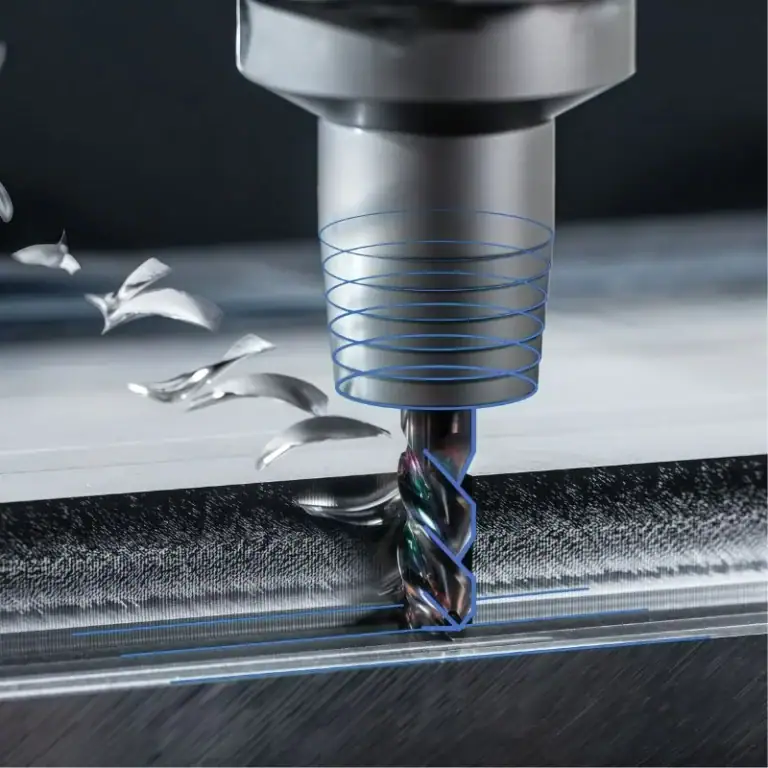
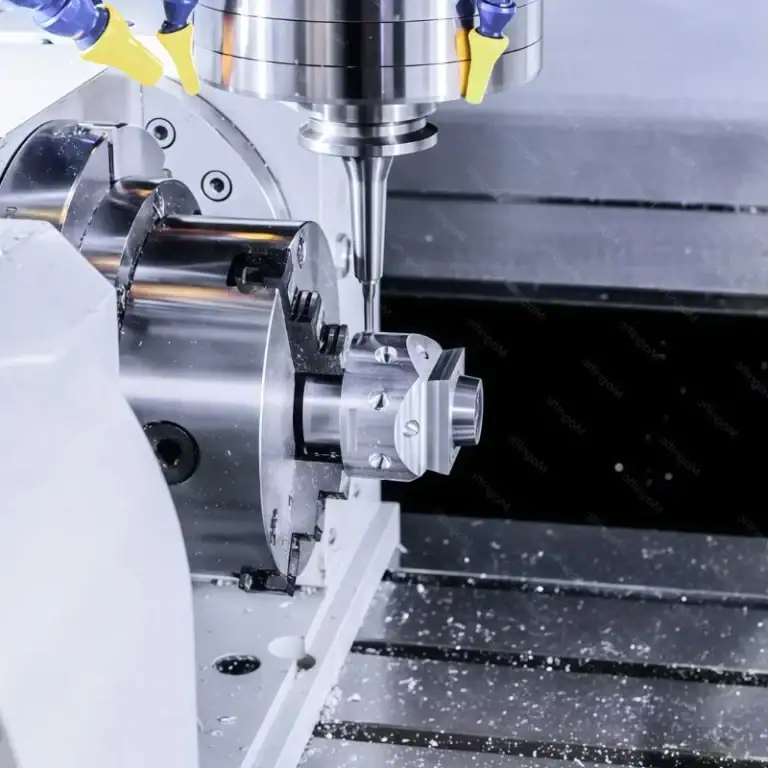
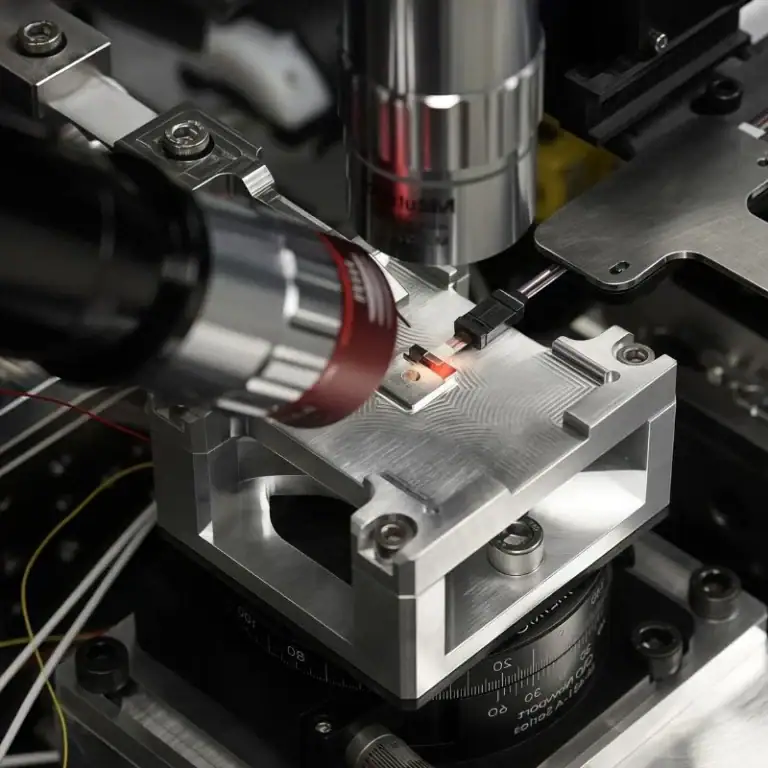
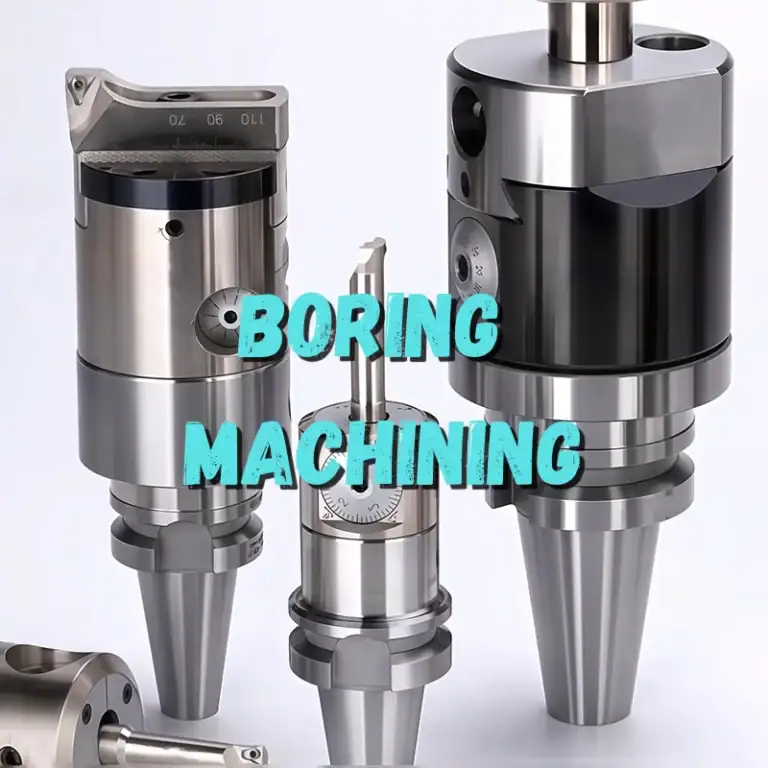
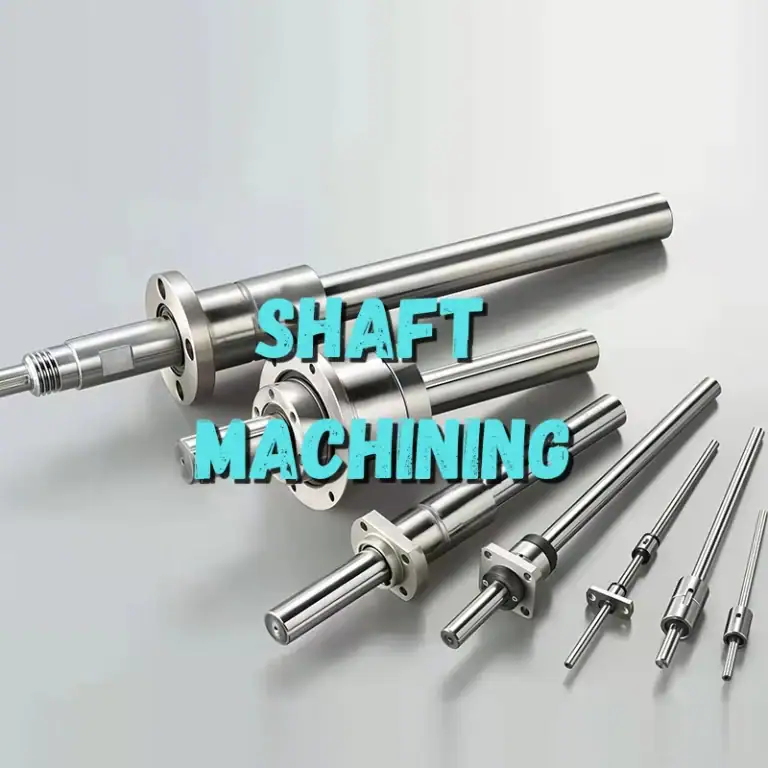
Automation production equipment is widely used in manufacturing, electronics, automotive, medical, logistics, and other industries. The operational efficiency and stability of such equipment largely depend on the manufacturing quality of its core components. Faced with complex structures, high-precision assembly, and rapidly changing market demands, automation equipment manufacturers require more flexible and reliable machining methods. CNC machining, with its digital control, high-precision manufacturing, multi-material adaptability, and fast delivery capabilities, has become a key solution for producing automation equipment parts. Through professional CNC machining services, companies can improve equipment performance, shorten development cycles, and achieve efficient transitions from prototyping to mass production.
Why Do Automation Equipment Parts Require CNC Machining?
Automation equipment typically contains a large number of precision parts, including structural components, connectors, motion assemblies, and mounting parts. The machining quality directly affects overall equipment performance.
Meeting High-Precision Assembly Requirements
Automation equipment requires multiple parts to work together, and dimensional errors can affect overall system accuracy.
- CNC machining uses computer-controlled programming to ensure stable part dimensions.
- High-precision machining reduces assembly deviations and improves operational smoothness.
- Multi-axis machining technology can handle complex structures and meet high manufacturing requirements.
Accurate part manufacturing helps automation equipment maintain long-term stable operation.
Supporting Complex Structural Part Manufacturing
Automation equipment design continues to evolve, and part shapes and functional requirements are becoming increasingly diverse.
- CNC machining can produce curved surfaces, deep holes, thin-walled structures, and irregular parts.
- Direct machining based on 3D drawings reduces the difficulty of producing complex components.
- Supports customized part development to meet non-standard equipment requirements.
Flexible machining capabilities help companies realize more equipment design solutions.
Adapting to Different Material Requirements
Automation equipment parts are selected based on different operating environments, requiring broad material adaptability in machining capabilities.
- Aluminum alloys are suitable for lightweight structural parts and high-speed motion components.
- Stainless steel is suitable for high-strength and wear-resistant parts.
- Engineering plastics are used for insulating parts and special functional components.
Multi-material machining capability meets the needs of various automation equipment projects.
| Automation Equipment Part Requirements | CNC Machining Solution | Common Applications |
| High-precision structural parts | CNC precision milling | Brackets, bases, connectors |
| Complex mechanical components | 3-axis / 5-axis machining | Motion parts, irregular components |
| Rapid product validation | CNC rapid prototyping | New equipment R&D testing |
| Small-batch customization | Flexible manufacturing | Non-standard automation equipment |
| Mass production requirements | Standardized machining process | Automation production line parts |
How Does CNC Machining Improve Automation Equipment Manufacturing Efficiency?
The automation equipment industry is highly competitive. Manufacturers not only focus on part quality but also emphasize development speed, production cost, and delivery capability.
Accelerating Equipment R&D and Product Iteration
Automation equipment often requires multiple structural design adjustments during development, and machining speed directly affects project progress. CNC rapid prototyping helps engineering teams quickly validate design solutions. After modifying CAD files, parts can be rapidly re-produced without waiting for mold fabrication. It also supports prototyping, small-batch production, and subsequent mass production transitions, effectively shortening equipment development cycles.
Improving Part Production Consistency
Automation equipment requires a large number of matching parts, and consistent quality is essential for stable performance.
- CNC programs reduce human operational errors.
- Standardized processes ensure stable quality across different batches.
- Precision inspection processes ensure key dimensions meet requirements.
Stable machining quality reduces equipment debugging and maintenance costs.
Reducing Manufacturing Costs of Automation Equipment
Appropriate machining methods help companies optimize overall production investment.
- CNC machining does not require dedicated molds, making it suitable for R&D and customization projects.
- Precise machining reduces material waste and improves utilization efficiency.
- Automated machining processes reduce the probability of rework.
Efficient manufacturing solutions help companies improve cost competitiveness.
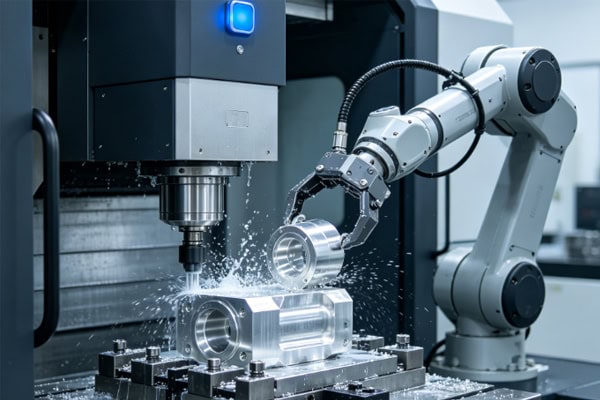
Application Scenarios of CNC Machining in Automation Production Equipment
Automation equipment spans multiple industries, and different application fields place different requirements on part machining.
Automatic Assembly Equipment Parts
Automatic assembly equipment requires high-precision motion components and stable structural support.
- Supports machining of positioning plates, fixtures, and mounting brackets.
- Ensures precise machine movement and improves assembly efficiency.
- Meets customization needs for different production lines.
Professional CNC machining enhances the reliability of automatic assembly equipment.
Industrial Robots and Motion System Components
Robotic equipment requires high precision and strength in parts, directly affecting motion performance.
- Can machine robotic arm connectors, bases, and transmission components.
- Supports lightweight design to improve operational efficiency.
- Meets complex structural and high-precision fitting requirements.
High-quality robot parts enhance the performance of automation systems.
Automatic Inspection and Production Line Equipment Components
Inspection and production line equipment require long-term stable operation, with high consistency requirements for parts. CNC machining supports the production of inspection fixtures, equipment frames, and precision mounting components. It meets the needs of high-speed production environments and is also suitable for prototyping and mass production, helping companies build more stable automation production systems through reliable machining solutions.
How to Choose a CNC Machining Supplier for Automation Equipment Parts?
Selecting the right machining partner can effectively reduce project risks and improve product delivery efficiency.
Focus on Equipment and Technical Capabilities
Automation parts are often complex in structure and require high levels of machining equipment and experience.
- Suppliers should have multi-axis CNC machining capabilities.
- Familiarity with different material machining characteristics.
- Ability to handle high-precision and complex structural parts.
Strong technical capability ensures smooth project execution.
Emphasize Quality Control Systems
Automation equipment requires high reliability in parts, making quality management essential.
- Establish comprehensive dimensional inspection processes.
- Conduct strict inspection of critical components.
- Ensure consistency between prototypes and mass production.
A robust quality system reduces uncertainties in the manufacturing process.
Provide Complete Manufacturing Services
Companies typically aim to reduce supply chain communication and improve project efficiency.
- Provide DFM (Design for Manufacturability) optimization suggestions.
- Support post-processing such as surface finishing.
- Cover the entire process from prototyping to mass production.
One-stop machining services help improve project management efficiency.
Automation production equipment continues to evolve toward higher precision, higher efficiency, and greater intelligence, placing increasingly strict requirements on part manufacturing. CNC machining, with its precise control, flexible production, and multi-material processing advantages, provides reliable support for automation equipment manufacturing. Whether for non-standard automation systems, industrial robots, or intelligent production line components, professional machining solutions can help companies improve product quality and market competitiveness. TiRapid provides CNC machining services for automation production equipment parts, offering one-stop manufacturing solutions from rapid prototyping to mass production.