Electronic devices have limited internal space, requiring precision structural components to secure and align circuit boards, connectors, sensors, and heat-dissipation assemblies. Deviations in hole positions, dimensions, or surface conditions can lead to assembly difficulties, misaligned interfaces, or poor thermal contact. A CNC manufacturing solution should account for component functions, material properties, drawing tolerances, and order quantities. A well-planned machining and inspection process helps manufacturers reduce rework while balancing product quality, production efficiency, and procurement costs.
Common Types of Precision Structural Components for Electronic Devices
Different structural components serve different functions, so machining priorities should reflect their specific dimensions and features.
Housings and Internal Support Components
These components protect internal assemblies, provide installation space, and establish assembly references.
- Equipment Housings and Covers: Control overall dimensions, opening positions, and connection clearances to prevent interference with internal components.
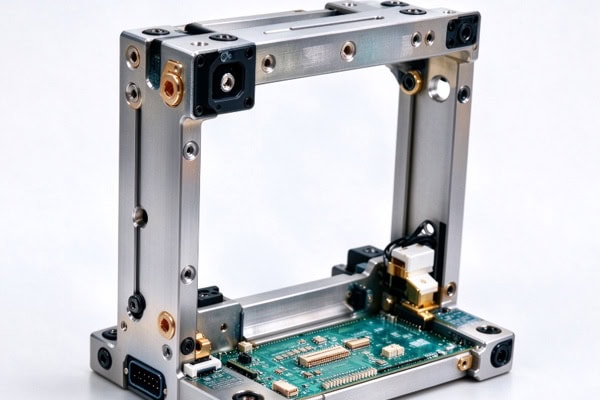
- Circuit Board Mounts: Position support structures and fastening points according to circuit board hole patterns and available space.
- Connecting Brackets and Mounting Plates: Maintain the positional relationships between mounting holes and mating surfaces to reduce assembly adjustments.
Defining mounting references in advance improves compatibility between structural components and other assemblies.
Precision Connection and Functional Components
Some components also provide positioning, secure interfaces, or transfer heat. Their machining requirements should be determined by their specific functions.
- Sensor Mounts: Control positioning dimensions and mounting-hole locations to keep sensors in their designed positions.
- Connector Mounting Components: Ensure that interface openings, fastening holes, and surrounding structures meet assembly requirements.
- Heat-Dissipation Plates and Heat Sinks: Position mounting holes and contact surfaces according to the heat source layout to meet installation and thermal requirements.
Clearly defining each component’s function helps ensure that machining specifications match its intended application.
Material Selection and CNC Machining Processes
Material selection influences component performance, while machining processes affect dimensional accuracy, surface quality, and manufacturing costs. Both should be considered together.
Select Materials According to Application Requirements
Material selection should account for component strength, weight, thermal conductivity, operating environment, and budget.
- Aluminum Alloys: Lightweight and easy to machine, making them suitable for equipment housings, mounting plates, and heat-dissipation components.
- Stainless Steel: Suitable for components requiring strength or corrosion resistance, although machining difficulty and weight should be considered.
- Copper and Copper Alloys: Can be used for conductive components or structures requiring good thermal conductivity.
- Engineering Plastics: Suitable for selected insulating supports and light-duty structures. Selection should account for temperature, load, and dimensional stability.
Materials should be selected according to actual functional requirements to control manufacturing costs without compromising performance.
Plan Machining Operations Around Component Geometry
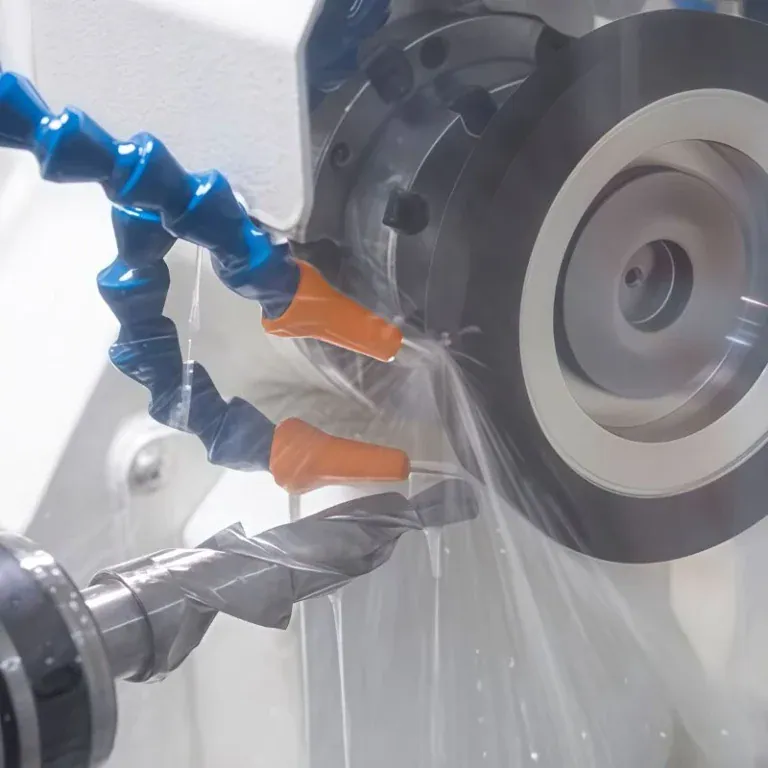
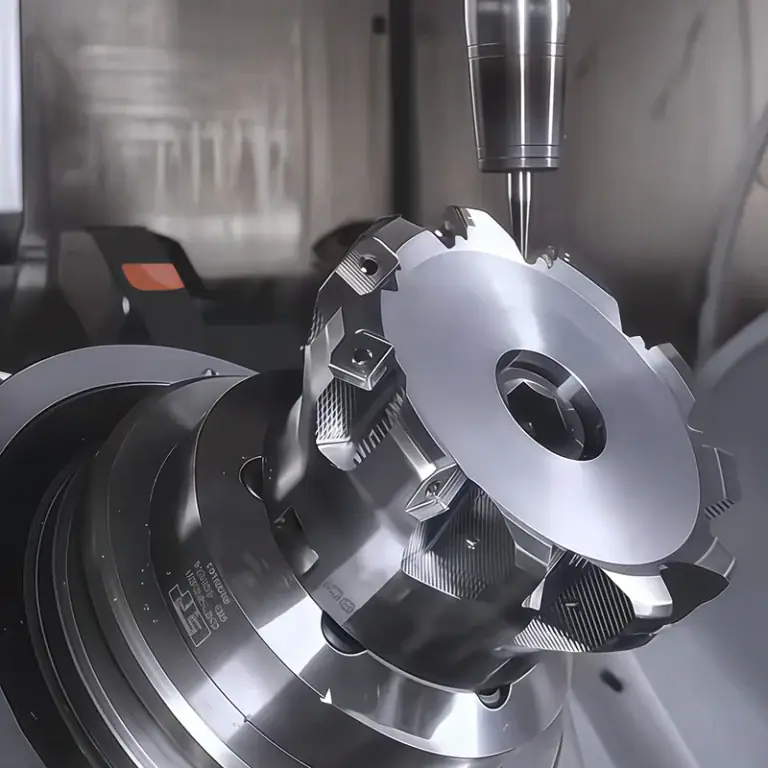
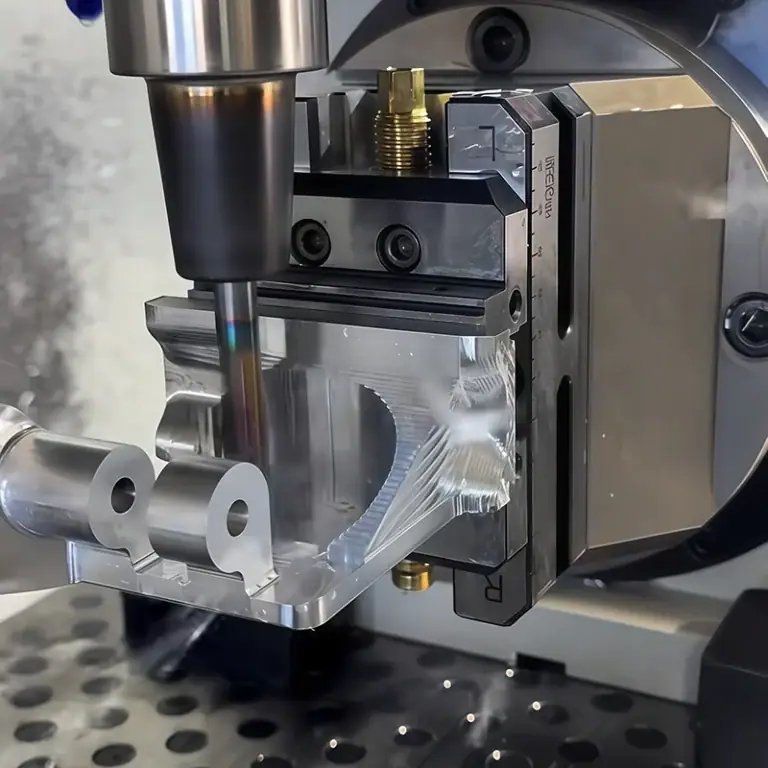
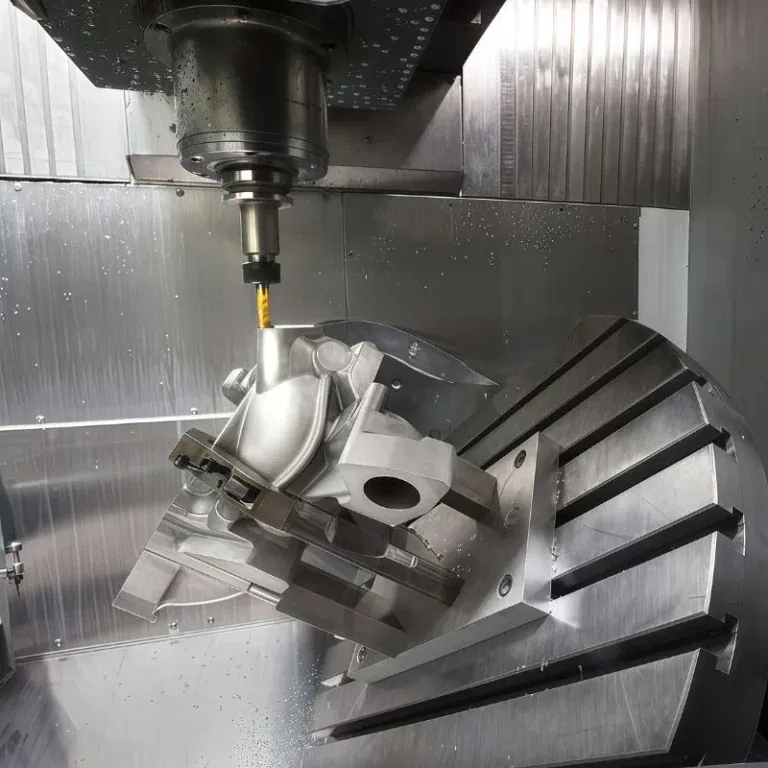
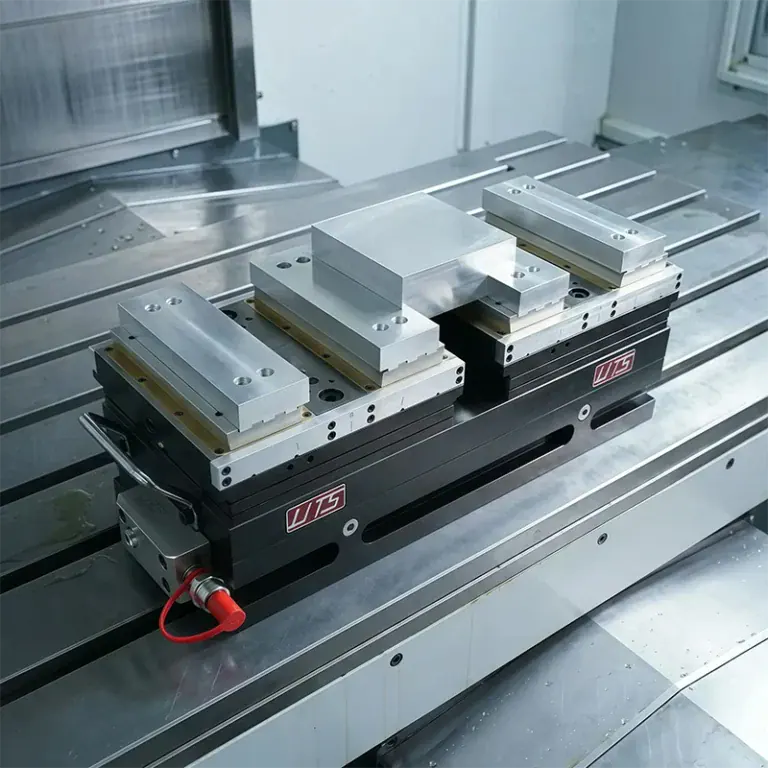
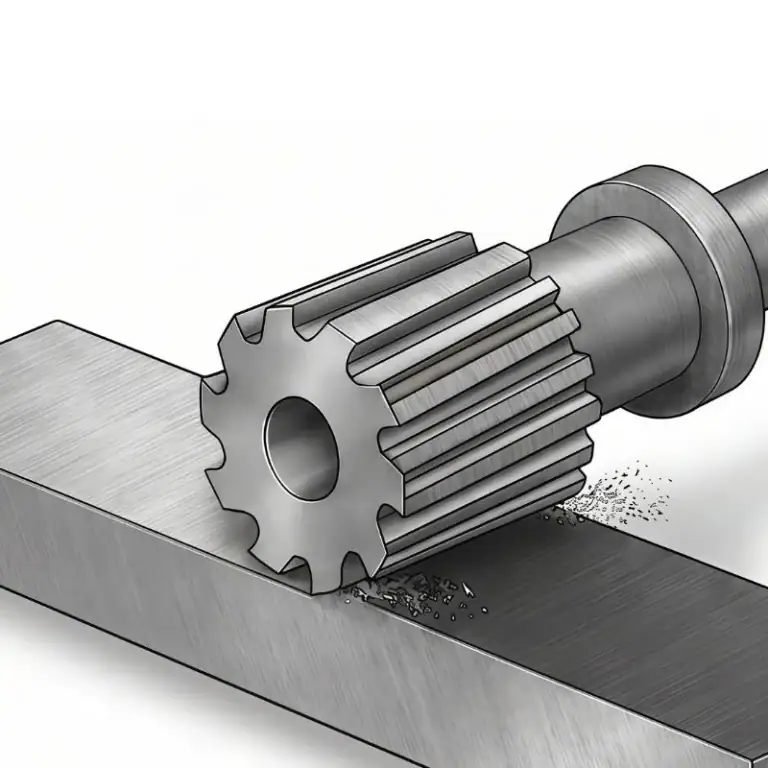
Different geometries require different machining methods. Process planning should account for tool accessibility, workholding stability, and critical dimensions. Milling is primarily used for flat surfaces, pockets, slots, and complex contours. Drilling and tapping produce mounting holes and threaded connections, while turning is suitable for rotational components such as sleeves and locating pins. Thin-walled housings, deep-pocket parts, and components requiring machining on multiple sides need an appropriate workholding strategy and machining sequence to reduce deformation and repositioning errors.

Precision Control and Quality Inspection
The quality of precision structural components depends on critical dimensions, fit relationships, and surface conditions rather than appearance alone.
Define Critical Dimensions and Inspection Items
Inspection priorities should reflect each component’s assembly function, with drawing tolerances and acceptance criteria established before production.
| Component Type | Key Inspection Items | Primary Purpose |
| Equipment Housings | Overall dimensions, opening positions, mounting holes | Ensure overall assembly fit |
| Circuit Board Mounts | Hole spacing, support height, positioning relationships | Ensure correct circuit board installation |
| Connector Mounting Components | Hole positions, interface dimensions, mating clearances | Ensure proper connector alignment |
| Sensor Mounts | Positioning dimensions, mounting references | Control installation position |
| Heat-Dissipation Plates | Contact-surface flatness, surface roughness, mounting-hole positions | Meet contact and assembly requirements |
Inspection methods should match the component geometry and specified tolerances. For dimensions that affect assembly, measurement methods and acceptance criteria should be agreed upon in advance to reduce disputes after delivery.
Control Surface Finishing and Machining Deformation
Surface treatments can affect appearance, corrosion resistance, and local dimensions, so the finishing process and protected areas should be defined before production. Requirements for threaded holes, precision mating surfaces, and electrical contact areas should be specified according to their intended functions. Thin-walled and deep-pocket components also require attention to clamping force and machining sequence. Proper coordination of rough machining, finish machining, and necessary in-process inspections helps limit dimensional changes and improve consistency.
How to Choose a CNC Machining Supplier for Precision Components
Supplier selection should consider machining feasibility, quality inspection, and delivery arrangements rather than unit price alone.
Provide Complete Technical Documentation
When requesting a quotation, prepare 2D engineering drawings, 3D models, material grades, critical tolerances, surface treatment requirements, and order quantities. For components that mate with circuit boards, connectors, or other parts, specify the relevant interface dimensions so the supplier can assess potential manufacturing challenges. If the product is still in development, discuss prototype production, design revisions, and small-batch requirements in advance to reduce delays and additional costs.
Confirm Inspection Criteria and Delivery Requirements
Before placing an order, align technical specifications and acceptance conditions, including the following:
- Tolerances and acceptance methods for critical dimensions.
- Material grades, surface treatments, and appearance requirements.
- Whether first-article approval or dimensional inspection reports are required.
- Packaging methods, delivery schedules, and arrangements for repeat orders.
Clearly defined technical and delivery responsibilities help reduce procurement risks and ensure that components meet the agreed requirements.
Manufacturing precision structural components for electronic devices requires coordinated material selection, machining processes, and quality inspection based on actual assembly and operating conditions. This approach helps prevent problems in individual manufacturing stages from affecting the final assembly. TiRapid provides customized CNC precision machining services based on customer drawings, material specifications, and order quantities, supporting electronic device manufacturers with prototype development and component production.