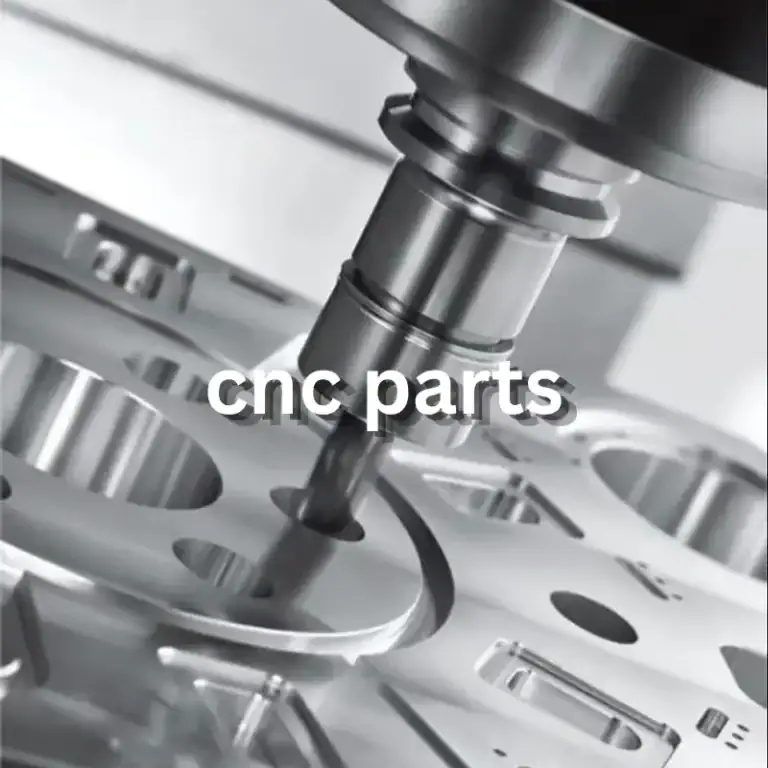
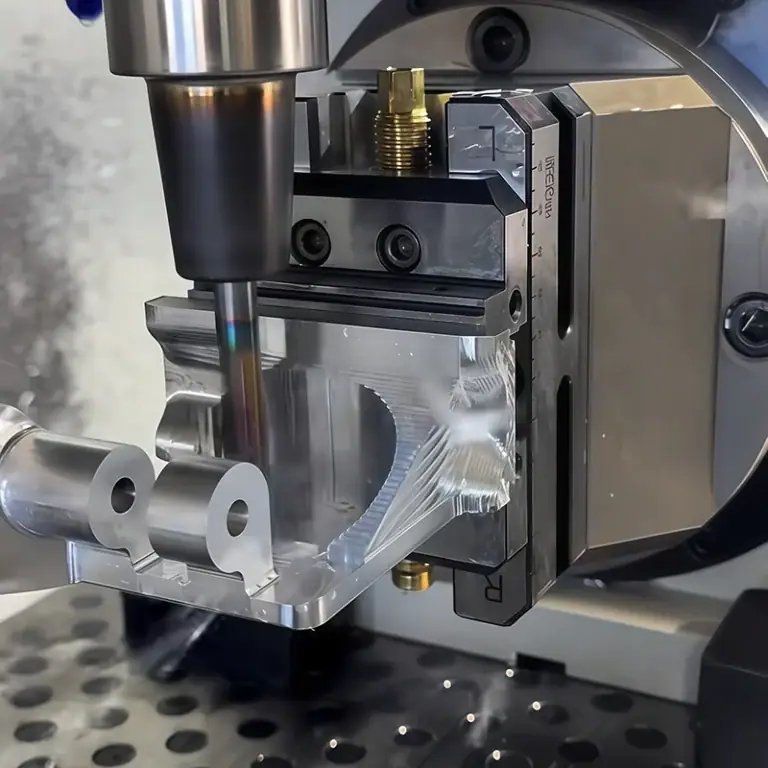
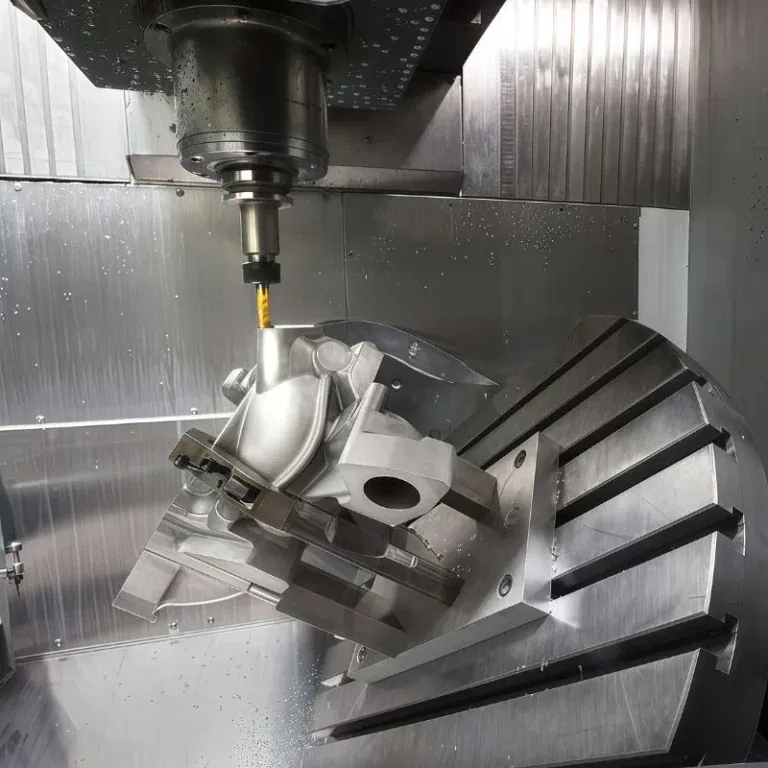
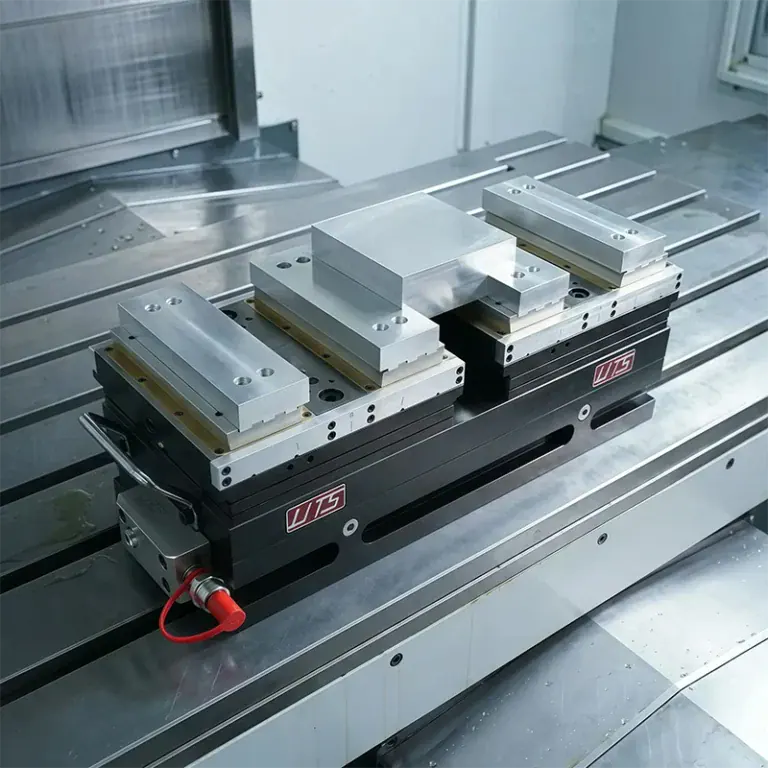
The challenge of manufacturing complex industrial equipment components is not simply making the parts, but ensuring they fit correctly during assembly and perform reliably over time. Components with deep holes, irregular slots, multiple mounting holes, or complex curved surfaces may look like ordinary metal parts, yet even a small machining deviation can affect the accuracy of an entire machine. Selecting the right CNC machining solution requires careful consideration of component geometry, material properties, dimensional tolerances, and batch consistency. A well-planned process helps maintain reliable quality from prototype development through full-scale production.
What Are the Main CNC Machining Challenges for Complex Industrial Equipment Components?
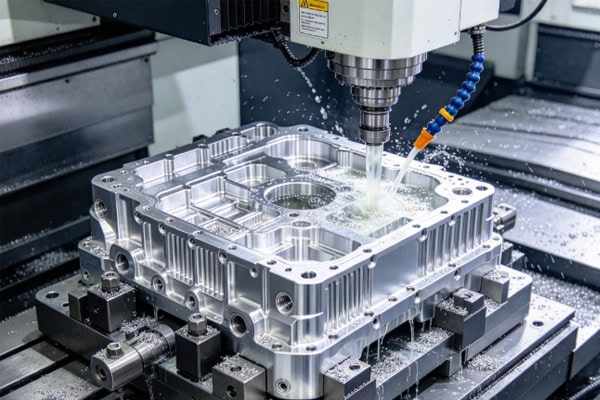
Complex components often combine several functional features. They must meet installation requirements while withstanding loads, vibration, or temperature changes during equipment operation. Focusing only on individual dimensions can overlook the relationships between different features. Identifying difficult areas early and planning the machining sequence carefully can reduce tool interference and assembly problems.
How to Control Dimensional Accuracy in Complex Industrial Components?
Deep holes, narrow slots, stepped surfaces, and multi-face structures make tool selection and toolpath planning more challenging. For larger components, repeated clamping and repositioning can cause errors to accumulate, affecting the final accuracy of critical features.
- Multiple-hole machining: Hole diameter is only part of the requirement. Hole spacing, hole position, and the relationship between holes and reference surfaces must also meet drawing specifications to prevent assembly misalignment.
- Deep slots and complex contours: Tool length, rigidity, and chip evacuation space must be evaluated to reduce vibration, overcutting, and localized surface defects.
- Multi-face machining: Planning the machining sequence carefully helps minimize repeated setups and maintain consistent positional relationships between machined surfaces.
- Thin-wall structures: Clamping force and cutting loads must be controlled to reduce the risk of deformation.
Precision depends not only on machine capability but also on process planning. For industrial components with tight fit requirements, critical dimensions and inspection methods should be defined before production begins. This helps prevent assembly problems from appearing only after machining is complete.
How to Balance Surface Finish and Structural Strength in Complex Components?
Some industrial parts require a smooth surface finish, while others place greater emphasis on connection points, load-bearing areas, or wear resistance. Simply increasing cutting speed does not guarantee better results. Tool condition, cutting parameters, and finishing allowances can all affect the final part. Edges, thin walls, and deep cavities also require attention to burrs, tool marks, and localized deformation that may compromise component performance.
How to Reduce Assembly Errors in Custom Industrial Equipment Components?
Custom components are manufactured to fit specific equipment designs, making datum references, mating dimensions, and hole positions especially important. Identifying which surfaces serve as locating references and which holes provide mounting or connection functions gives each machining operation a clear purpose. Confirming critical interfaces in advance can also reduce the amount of adjustment required during trial assembly.
How to Select Materials and CNC Machining Processes for Complex Industrial Components?
Material selection directly affects machinability, component weight, corrosion resistance, and service life. Common materials for industrial equipment components include aluminum alloys, stainless steel, carbon steel, and engineering plastics. Each material requires appropriate cutting parameters and machining methods. The process should match the component geometry, operating environment, and drawing specifications to ensure that material selection and manufacturing methods work together effectively.
What Materials Are Commonly Used for Precision Industrial Equipment Components?
| Material | Typical Applications | CNC Machining Considerations |
| Aluminum alloys | Equipment brackets, mounting plates, housings | Control thin-wall deformation, burrs, and surface finish |
| Stainless steel | Connectors and corrosion-resistant structural parts | Manage cutting heat, tool wear, and chip evacuation |
| Carbon steel | Load-bearing bases and mechanical connectors | Optimize cutting parameters and apply specified surface treatments |
| Engineering plastics | Insulating parts and wear-resistant guide components | Minimize heat deformation and control clamping force and dimensional changes |
Material selection should reflect actual operating conditions. Load-bearing structures require adequate strength and rigidity, while components exposed to corrosive media need suitable corrosion resistance. If parts require painting, anodizing, or other surface treatments, dimensional requirements after treatment should also be confirmed in advance.
How to Plan CNC Machining Operations for Complex Industrial Components?
Complex parts should not move directly into finishing operations as soon as they are clamped. A well-planned machining sequence preserves a suitable allowance for finishing while reducing the effects of setup errors and localized deformation.
- Establish machining datums: Use critical mounting surfaces or locating holes as references to minimize dimensional variation between operations.
- Separate roughing and finishing: Remove the main material allowance during roughing, then finish critical mating surfaces and precision holes with sufficient control over final dimensions.
- Check toolpath accessibility: Evaluate tool reach and clearance for deep cavities, narrow slots, and special contours to reduce interference and chip evacuation problems.
A well-organized process can improve machining quality while reducing unnecessary setups and repeated operations. Early process evaluation is particularly valuable for complex components with long machining cycles.
What Technical Information Is Needed for Custom Industrial Equipment Machining?
Clear technical documentation makes it easier to assess machining complexity and plan delivery. When submitting a machining request, provide complete 2D drawings or 3D models, including critical tolerances, material grades, surface treatments, and special inspection requirements. If a component must fit existing equipment, clearly identify interface dimensions and installation datums to avoid repeated revisions caused by missing information.
How to Ensure Batch Consistency in CNC Machining for Industrial Equipment Components?
Passing prototype inspection is only the first step. Maintaining dimensional stability throughout repeated production is equally important. Tool wear, fixture positioning changes, and material batch variations can all affect machining results. Scheduling inspections at appropriate stages helps identify deviations early before small errors accumulate across a production run.
What Inspection Items Are Required for Complex Industrial Equipment Components?
| Inspection Item | Main Checks | Purpose |
| Dimensional accuracy | Overall dimensions, hole diameters, slot widths, step heights | Verify compliance with drawings |
| Positional accuracy | Hole spacing, hole locations, datum relationships | Reduce installation misalignment |
| Geometric accuracy | Flatness, perpendicularity, concentricity, and related tolerances | Ensure proper fit between critical features |
| Surface quality | Roughness, burrs, and scratches | Meet specified surface requirements |
| Appearance and protection | Impact marks, cleanliness, and packaging condition | Reduce risks during transport and delivery |
Inspection priorities vary by component and should follow the drawing tolerances and technical specifications. Maintaining records for critical dimensions makes it easier to review machining performance and provides a useful reference for repeat orders.
How to Identify Quality Issues During CNC Machining?
Waiting until every part is finished before checking dimensions can lead to unnecessary losses if deviations are discovered late. First-article inspection and in-process sampling help identify tool wear, positioning changes, or program issues earlier in production.
- Recheck hole diameters, spacing, and relationships to datum surfaces after machining critical holes.
- Measure thin-wall components after unclamping to identify springback or deformation.
- When dimensional deviations appear, inspect the tooling, fixtures, machining program, and material condition to prevent the same issue from affecting subsequent parts.
- For components with strict appearance, deburring, or surface treatment requirements, include the appropriate final inspection and protective procedures.
Integrating inspection into the production process provides better control over batch quality than relying solely on final checks. It also helps reduce the impact of rework on delivery schedules.
How to Move Industrial Equipment Components from Prototyping to Batch Production?
Prototype development must verify more than dimensional accuracy. It should also confirm assembly fit, critical interfaces, and whether the selected machining process is suitable for repeat production. After validation, retain the approved machining programs, fixture arrangements, and inspection standards to provide a consistent basis for subsequent manufacturing. When a component design changes, confirm the drawing revision to prevent discrepancies between prototype and production parts.
Reliable machining of complex industrial equipment components depends on suitable material selection, careful process planning, and consistent inspection. Defining critical dimensions, assembly interfaces, and surface requirements early can reduce prototype rework and improve batch stability. TIRAPID provides CNC machining services for complex industrial equipment components, supporting custom manufacturing, prototype development, and batch production to help precision parts move smoothly from machining to assembly.