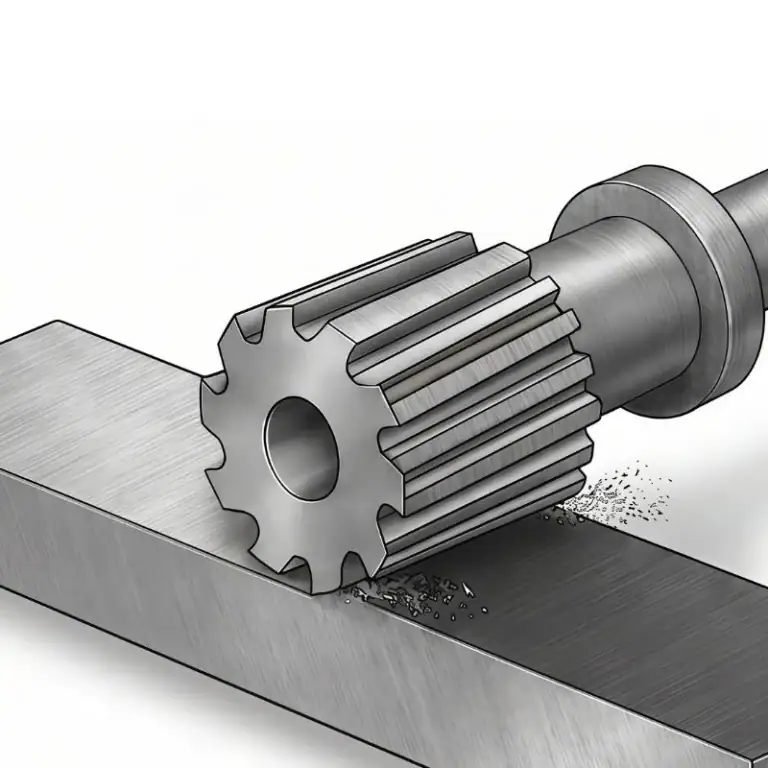
Oil and gas equipment places high demands on dimensional accuracy, material performance, and manufacturing quality. Valve components, pipe fittings, pump parts, and mounting structures require machining solutions tailored to their operating conditions. Stainless steel comes in various material types, each with different corrosion resistance, strength, and machinability. Machining may also present challenges such as tool wear, work hardening, and dimensional deformation. Selecting suitable materials, planning CNC machining operations, and implementing appropriate quality inspections can improve part consistency, reduce rework, and help meet equipment assembly and delivery requirements.
Types of Stainless Steel Parts for Oil and Gas Equipment and Their Machining Requirements
Oil and gas components have different structures and functions, so machining priorities should be adjusted accordingly.
Valve and Pipe Connection Components
These parts are used for fluid control, pipeline connections, or sealing interfaces. Critical features must be machined according to engineering drawings.
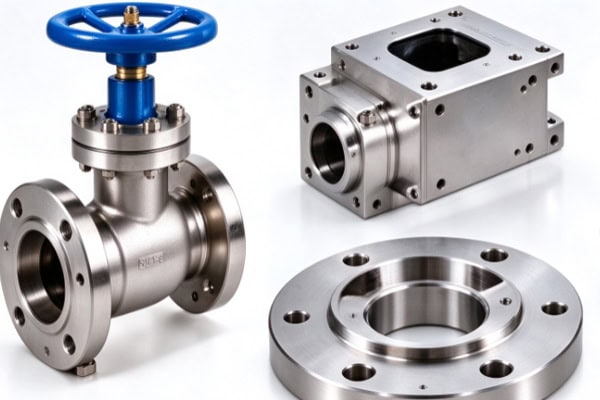
- Valve Components: Control mating dimensions, hole positions, and surface conditions to prevent dimensional deviations from affecting assembly.
- Flanges and Connectors: Pay attention to end faces, mounting holes, and thread dimensions to ensure that connection features meet design requirements.
- Sealing Components: Control the dimensions, flatness, and surface quality of sealing areas according to the design specifications.
Defining critical dimensions and acceptance criteria before machining helps reduce assembly adjustments and rework.
Pump Parts and Equipment Structural Components
The machining requirements for pump parts and mounting structures depend on their mating relationships, load conditions, and geometry.
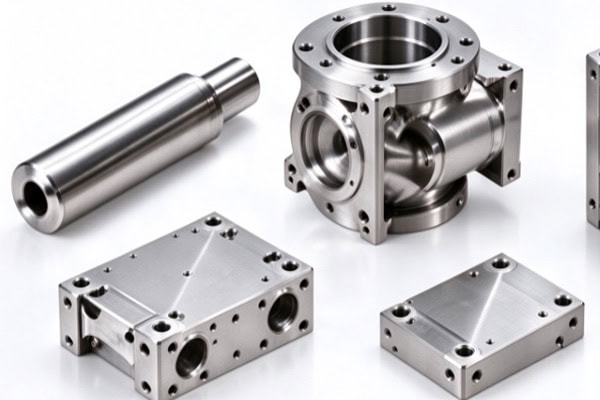
- Precision Shaft Components: Control diameter, concentricity, and surface quality to meet the relevant movement or fit requirements.
- Mounting Brackets and Bases: Maintain overall dimensions, mounting-hole positions, and datum relationships to facilitate equipment assembly.
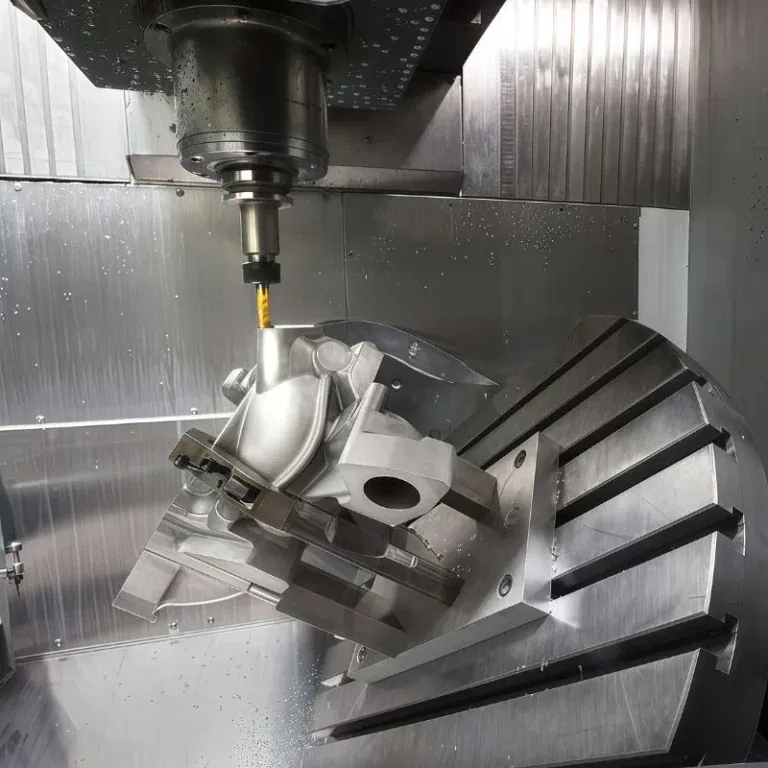
- Complex Structural Parts: For thin-walled components, deep-hole features, or parts requiring machining on multiple sides, plan the workholding method and machining sequence carefully to reduce deformation and positioning errors.
Assigning tolerances according to each part’s actual function helps avoid unnecessary manufacturing costs.
Stainless Steel Material Selection and CNC Machining Processes
Material properties affect machining difficulty and part performance. Material selection should consider the operating environment, mechanical loads, and design requirements.
Select Materials According to Operating Conditions
Different stainless steel categories offer varying levels of strength, corrosion resistance, and machinability, so selection should be based on the intended application. Austenitic stainless steels can be used for general industrial structural components and corrosion-resistant parts, depending on the medium and operating environment. Duplex and super duplex stainless steels may suit applications requiring higher strength and resistance to localized corrosion, with material condition and machining parameters requiring careful control. Precipitation-hardening stainless steels may be used for parts requiring high strength, but their heat-treatment condition and service requirements must also be considered. For components exposed to hydrogen sulfide or other aggressive environments, material suitability and applicable hardness requirements must be verified.
Optimize Machining Sequences and Cutting Parameters
Stainless steel machining requires careful consideration of material characteristics, part geometry, and dimensional stability. Process planning directly affects the final result.
- Roughing and Finishing: Allocate machining allowances appropriately and pay particular attention to sealing surfaces, threads, and critical mating features.
- Tooling and Cutting Parameters: Adjust tooling, feed rates, spindle speeds, and cooling methods according to the material and part geometry to reduce tool wear and surface defects.
- Heat-Treatment Coordination: For parts requiring heat treatment, plan the sequence according to the material category and technical requirements, and evaluate dimensional changes after treatment.
Coordinating machining operations with subsequent processing helps improve dimensional stability and reduce repeated finishing work.
Quality Inspection of Stainless Steel Parts for Oil and Gas Equipment
Quality inspection should cover dimensions, material condition, and any required special testing to ensure that delivered parts meet drawing specifications and purchasing requirements.
Define Critical Dimensions and Inspection Items
Acceptance priorities vary by component type. Inspection items and evaluation criteria should be established before production begins.
| Component Type | Key Inspection Items | Inspection Purpose |
| Valve Components | Mating dimensions, hole positions, surface conditions | Meet assembly requirements |
| Pipe Connection Components | End faces, threads, hole spacing | Ensure connection dimensions meet drawing specifications |
| Precision Shaft Components | Diameter, concentricity, surface quality | Meet movement and fit requirements |
| Mounting Structures | Overall dimensions, mounting-hole positions | Ensure accurate installation |
| Components for Special Operating Conditions | Material condition, hardness, and specified inspection items | Verify relevant technical requirements |
Inspection methods and tolerances should follow the part drawings, applicable specifications, and purchasing requirements. The same criteria should not be applied indiscriminately to every component.
Maintain Material Traceability and Perform Necessary Nondestructive Testing
For critical components, quality management should also cover material origin and relevant inspection records.
- Material Certification: Retain material certificates, batch information, and required heat-treatment records according to project requirements so that parts can be linked to their material documentation.
- Hardness Inspection: For components used under special operating conditions, verify hardness and material condition against the applicable requirements.
- Nondestructive Testing: For parts requiring inspection, select an appropriate method based on the material, geometry, and potential defect types, and evaluate the results against the agreed acceptance criteria.
Linking inspection results to part identification improves the completeness of delivery documentation and supports quality traceability.
How to Choose a CNC Machining Supplier
Supplier evaluation should consider more than quotation price. Technical understanding, quality control procedures, and delivery coordination are also important.
Provide Clear Technical Documentation
Complete manufacturing documentation helps suppliers evaluate machining complexity and cost accurately.
- Provide 2D engineering drawings, 3D models, material requirements, and critical dimensional tolerances.
- Identify sealing surfaces, mating areas, surface finishing requirements, and special inspection items.
- Specify operating conditions, order quantities, delivery schedules, and required quality documentation.
Clarifying technical requirements in advance reduces repeated discussions during production.
Confirm Acceptance Criteria and Delivery Arrangements
Before production begins, confirm dimensional inspection requirements, material certification, and any necessary hardness checks or nondestructive testing. Packaging, part identification, and delivery documentation should also be agreed upon. For complex components or parts with tight tolerances, prototype machining can be used to verify critical dimensions and assembly relationships before proceeding with batch production, reducing the risk of later revisions.
CNC machining of stainless steel parts for oil and gas equipment requires a manufacturing plan that accounts for material properties, component geometry, and actual operating conditions. Appropriate process planning and quality inspection help maintain delivery quality. Clarifying drawings, material requirements, and acceptance criteria before ordering can reduce communication costs and rework risks. TiRapid provides customized precision CNC machining services based on customer drawings, material specifications, and project requirements to support the production of components for oil and gas equipment.