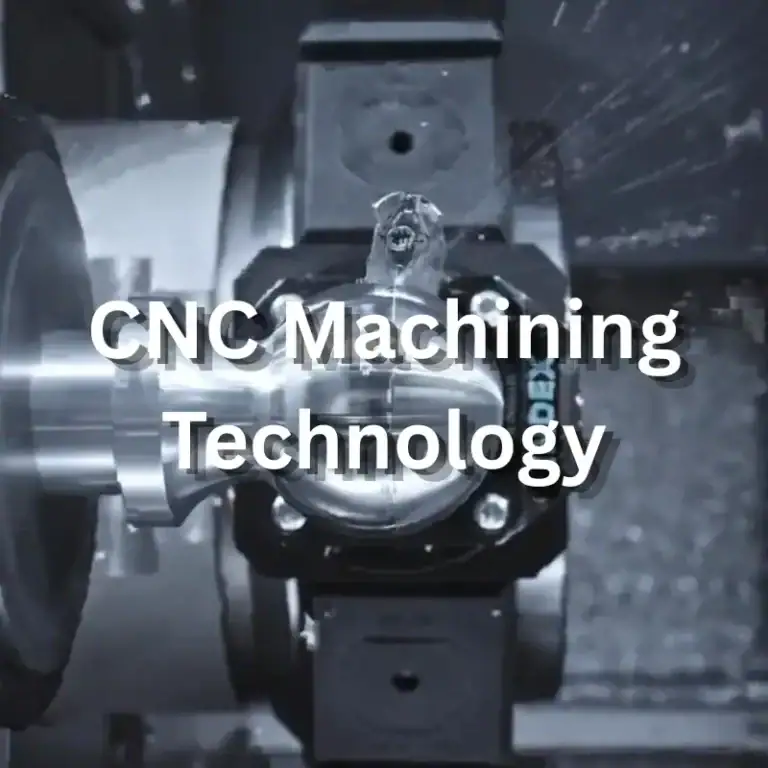
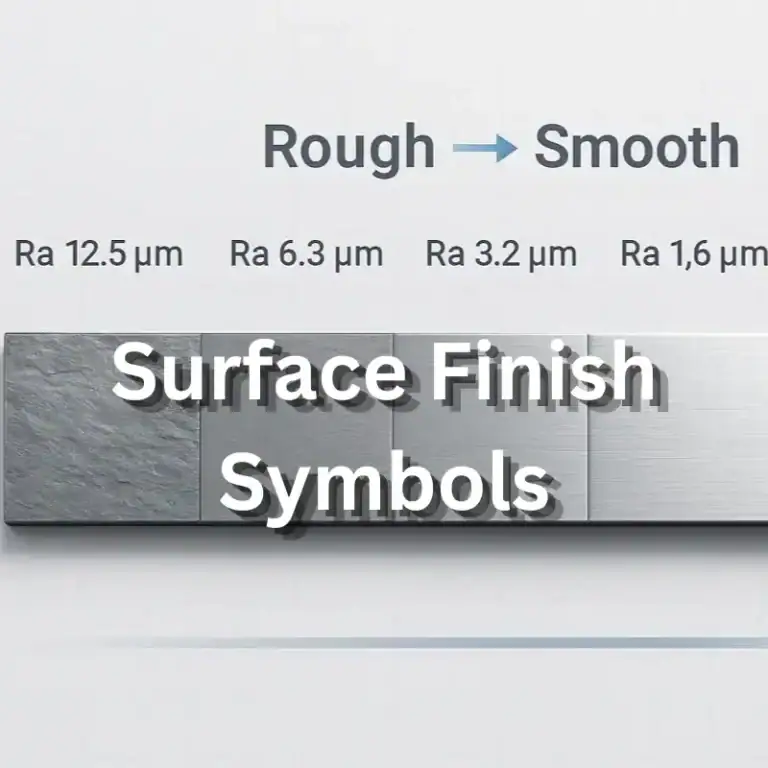
Threads are common connection features in metal components and are widely used in mechanical equipment, automotive parts, industrial automation systems, and precision instruments. The quality of thread machining directly affects assembly accuracy, connection strength, and service life. Based on their structure, metal threads are generally divided into internal threads and external threads. Each type has different requirements for machining equipment, tool selection, and process control.
In CNC metal machining, selecting the appropriate threading method and controlling pitch, thread profile, diameter, and surface finish are essential to producing parts that meet design specifications.
What Are the Common Machining Methods for Threaded Metal Parts?
The threading process should be selected according to the material, thread specifications, precision requirements, and production volume. Common methods include thread turning, tapping, thread milling, and thread rolling.
Thread Turning
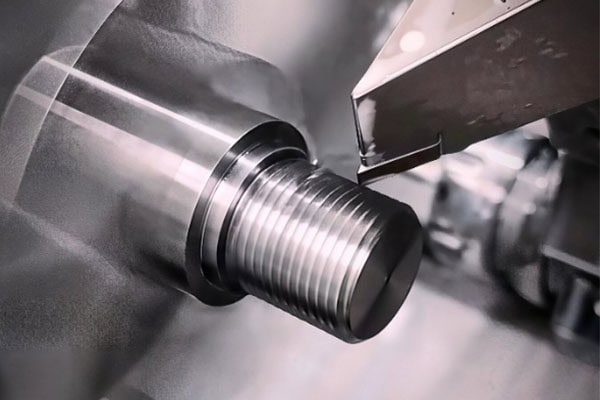
Thread turning is mainly used to produce external threads on shaft components. With specialized tools, it can also be used for internal threading. CNC lathes follow programmed pitch and thread profile specifications to produce threads through continuous cutting.
This method offers flexibility in dimensional control and is suitable for various thread specifications. It is particularly useful for custom components, prototypes, and small-batch production. During machining, cutting speed, feed rate, and cutting depth must be properly adjusted to prevent incomplete thread profiles and poor surface finishes.
Tapping and Thread Milling
Tapping is one of the most common methods for producing internal threads. A tap cuts material from a pre-drilled hole to create the required thread profile. This method offers high machining efficiency and is suitable for batch production. However, the pilot hole diameter and tapping depth must be accurately controlled.
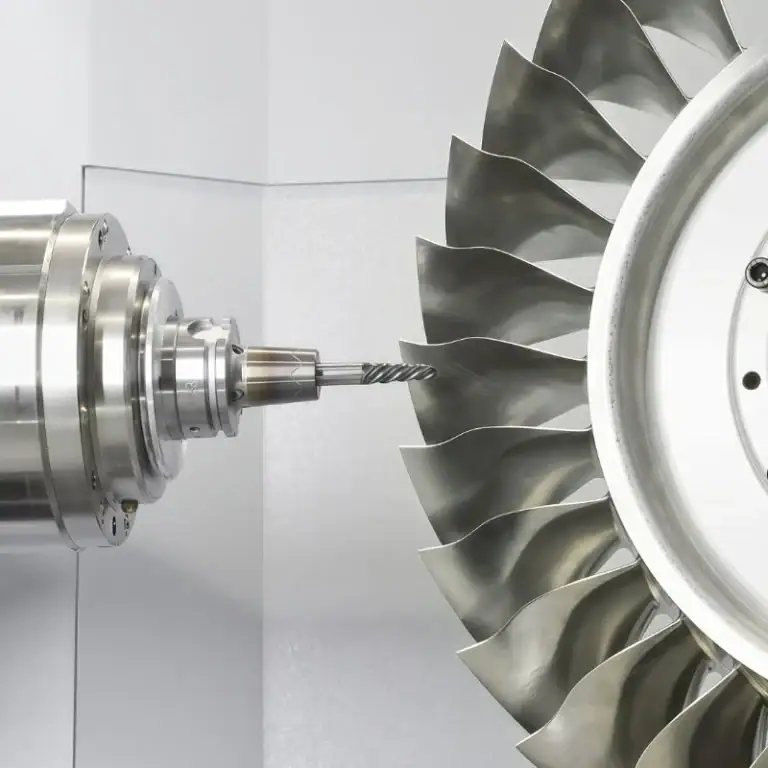
Thread milling uses a rotating cutting tool that follows a helical path to produce threads. It can machine both internal and external threads of different diameters. Its advantages include machining flexibility and efficient chip removal, making it suitable for precision CNC metal machining.
Thread Rolling
Thread rolling is a metal forming process that uses specialized dies to apply pressure to a workpiece, causing plastic deformation and forming the required thread profile.
Compared with conventional cutting methods, thread rolling can reduce material waste and improve thread surface quality when the material and process conditions are suitable.
Key Process Considerations for Internal Thread Machining
Internal threads are commonly used in nuts, mechanical housings, connecting sleeves, and equipment mounting holes. Since machining takes place inside a hole, tool access is limited, making chip removal and dimensional inspection more challenging.
Control the Pilot Hole Diameter
Before internal threading, a pilot hole must be drilled to the specified diameter. Its size directly affects the thread profile and effective engagement depth.
If the hole is too small, tapping resistance may increase significantly, potentially causing tap breakage. If the hole is too large, the resulting thread profile may be incomplete, reducing connection strength.
Therefore, the pilot hole diameter should be determined according to the thread specification, material properties, and applicable standards.
Select Appropriate Taps and Cutting Parameters
Different metal materials require different tap designs and cutting parameters. When machining aluminum alloys, chip evacuation and material adhesion should be considered. When machining stainless steel, tool wear resistance, cutting speed, and cooling and lubrication conditions require greater attention.
For deep internal threads, chip evacuation direction and machining depth must also be carefully planned to prevent accumulated chips from affecting thread quality.
Inspect Internal Thread Quality
The quality of internal threads cannot be determined by visual inspection alone. Common inspection methods include thread plug gauges, thread depth measurement, and other dimensional checks where necessary.
Go and no-go gauges help determine whether internal threads meet the specified dimensional requirements.
Key Process Considerations for External Thread Machining
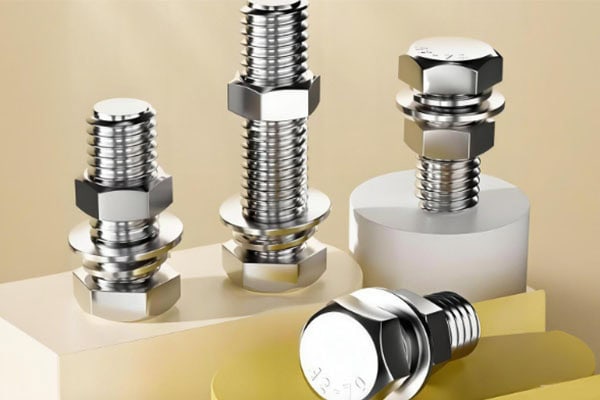
External threads are widely used in bolts, threaded rods, shaft connectors, and fasteners. Compared with internal threads, external threads are more accessible during machining, making tool contact and dimensional inspection relatively straightforward.
Control the Major Diameter and Thread Profile
External thread machining generally begins with turning the workpiece to the required outer diameter. A threading tool, die, or thread rolling machine is then used to form the thread.
During CNC turning, the thread pitch, profile angle, and cutting depth must be accurately programmed. For precision threads, tool wear, machine positioning accuracy, and dimensional changes after machining should also be considered.
Pay Attention to Relief Grooves and Chamfer Design
A suitable chamfer is usually added at the beginning of an external thread to make assembly and engagement easier. For components requiring a specific effective thread length, a properly designed relief groove helps prevent incomplete thread profiles near the end.
These design details affect both machining efficiency and actual assembly performance.
Maintain Surface Finish and Thread Accuracy
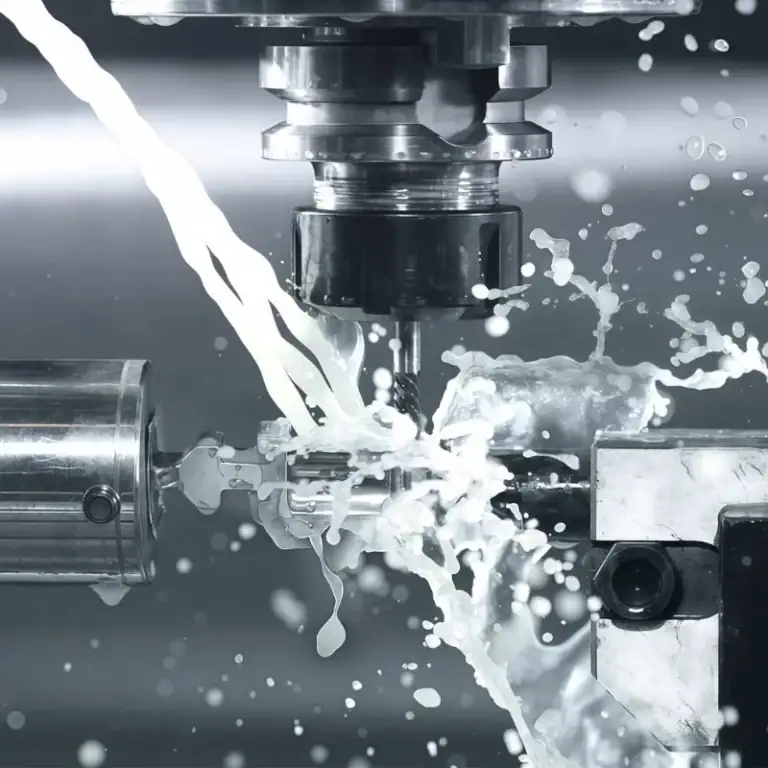
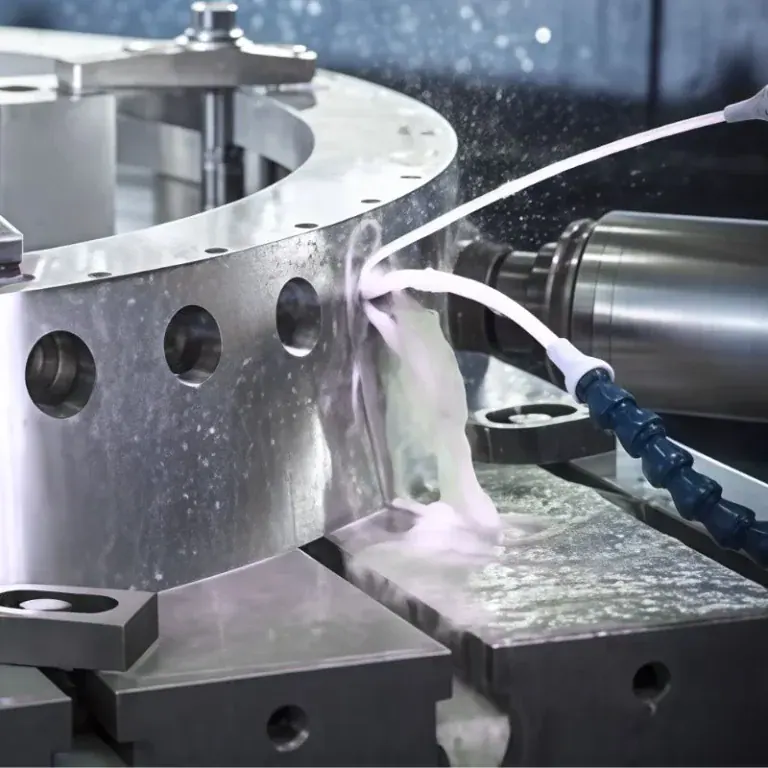
External thread machining can be affected by tool wear, cutting vibration, and workpiece clamping deviations. The workpiece should remain securely positioned throughout machining. Roughing and finishing operations should be arranged appropriately, with cutting fluids selected according to the material.
For components requiring a higher surface finish, a dedicated finishing operation can help improve the final thread surface quality.
How to Improve the Quality of CNC Threaded Metal Parts?
Improving thread machining quality requires proper control of component design, machining processes, and inspection procedures.
Optimize Component Design
Engineering drawings should clearly specify thread dimensions, pitch, tolerance class, effective thread length, and machining depth. This helps reduce misunderstandings during production.
Designers should also avoid unnecessarily deep, small, or inaccessible thread structures that increase machining difficulty.
Match Machining Equipment and Cutting Tools
CNC turning, thread milling, and tapping should be selected according to the material and thread structure. For complex components and high-precision applications, machine positioning capability, tool performance, and process stability should all be considered when developing the machining plan.
Strengthen Quality Inspection
After machining, thread gauges, calipers, and other suitable precision measuring instruments should be used to inspect critical dimensions and confirm proper thread engagement.
For batch production, standardized machining parameters and regular tool inspections help identify tool wear and dimensional deviations at an early stage.
TiRapid Provides Precision CNC Metal Machining Solutions
The quality of threaded metal parts depends not only on individual machining operations but also on material selection, equipment capabilities, process planning, and quality control. Different component structures require appropriate CNC machining solutions.
TiRapid provides CNC milling, CNC turning, and precision machining services, supporting projects ranging from prototypes to small-batch and large-scale production. Based on customer CAD drawings, TiRapid can also provide Design for Manufacturing (DFM) evaluations and machining process optimization.
For custom metal components with internal threads, external threads, or complex connection structures, proper process planning helps improve dimensional consistency and assembly reliability.
When requesting a quote for custom threaded metal parts, customers are encouraged to provide complete engineering drawings, material requirements, thread specifications, and tolerance standards. This information helps determine a suitable CNC metal machining solution.