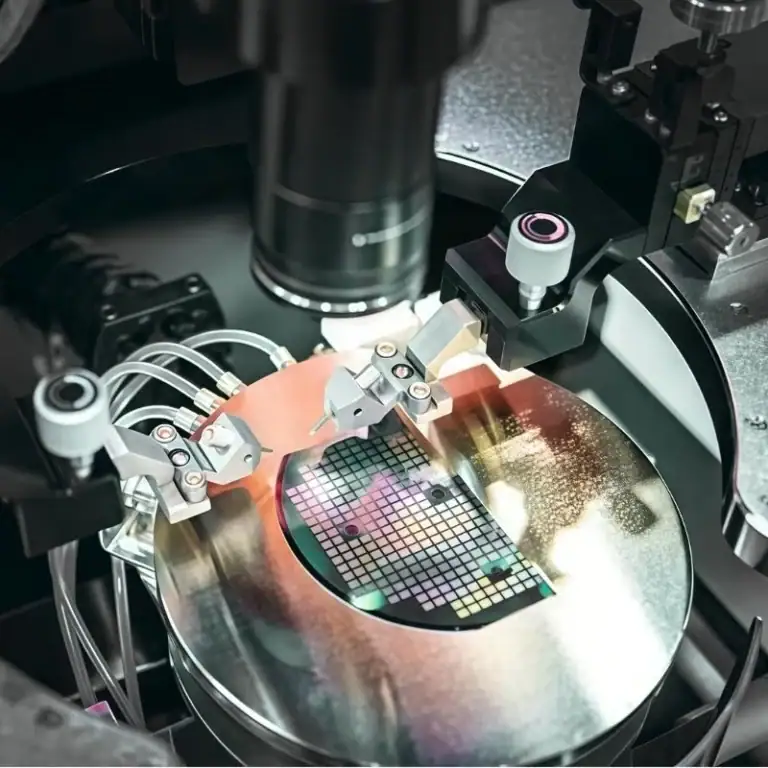
In the high-end manufacturing sector, what customers truly care about is often not whether a part can be machined, but whether it can be machined accurately and consistently. Whether it is aerospace components, medical device parts, precision molds, or structural parts for high-end equipment, products must not only meet strict dimensional accuracy requirements, but also deliver stable surface quality, high structural complexity, and strong batch consistency. CNC milling has become a core process in high-end manufacturing precisely because it can transform complex designs into repeatable, deliverable, high-quality parts through high-precision control, multi-axis machining, and mature process management. For companies pursuing performance, efficiency, and reliability, CNC milling is no longer just a machining method—it is an important reflection of manufacturing capability.
Core Requirements CNC Milling Must Meet in High-End Manufacturing
High-end manufacturing is not just about “higher precision,” but about more comprehensive requirements for machining capability, stability, and delivery results.
Precision and Consistency Must Be Achieved at the Same Time
High-end parts usually have strict limits on dimensional tolerances, geometric tolerances, and surface condition. It is not enough for a single part to be accurate; every part in batch production must maintain the same level.
- Dimensional errors should be controlled as much as possible within the micron range to avoid interference, looseness, or performance deviation during assembly. Only then can the part truly meet design requirements in actual use.
- Consistency must be maintained during batch machining to prevent obvious fluctuations between different production runs. Only stable output gives customers confidence in the delivery result.
- For critical mating surfaces, surface roughness and contour accuracy must also be considered to ensure the part is truly usable. Stable surface quality often directly determines the reliability of the final product.
Only when precision, stability, and surface quality are all well controlled can CNC milling truly meet the delivery standards of high-end manufacturing.
Complex Geometry Capability Is Becoming Increasingly Important
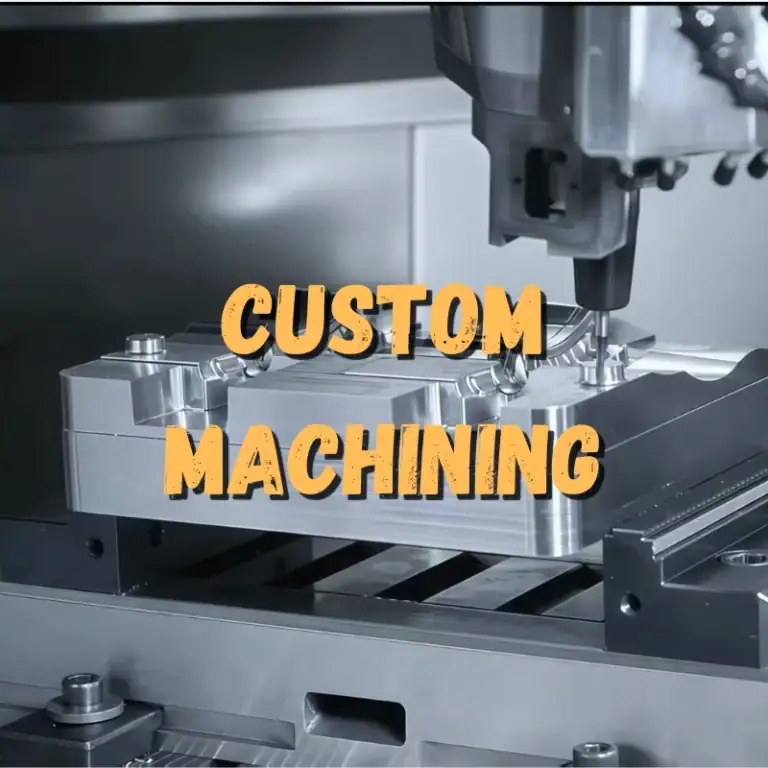
High-end product designs are becoming more and more complex. Parts are no longer limited to flat surfaces or regular hole patterns, but now include curved surfaces, deep cavities, thin walls, and irregular structures. CNC milling can use multi-axis machining to process these complex geometric features, reducing the need for multiple process transfers and repeated clamping in traditional methods. This not only improves efficiency, but also reduces errors and enhances machining reliability. For curved and irregular parts, CNC milling can also more accurately reproduce design requirements, meeting the dual demands of appearance and function in high-end products. It has become an important machining method for realizing complex designs in high-end manufacturing.
Stable Delivery Capability Is the Result Customers Value Most
High-end manufacturing customers are not only concerned with sample quality, but also with whether mass production is stable and whether lead times are controllable.
- The machining process must be repeatable and cannot rely on the experience of a single operator. Only standardized processes can keep the results of every batch stable.
- Equipment, tools, and processes must form a standardized workflow to support long-term stable production. The more mature the process, the more reliable the delivery, and the stronger the customer’s purchasing confidence.
- When orders move into batch production, the efficiency and consistency advantages of CNC milling become even more obvious. What customers truly need is this kind of sustainable and repeatable manufacturing capability.
For customers seeking long-term cooperation, stable delivery itself is the most important competitive advantage.
Key Processes That Improve CNC Milling Capability
To truly meet high-end manufacturing requirements, it is not enough to look only at the equipment itself. It is also necessary to examine whether the process is mature, whether the parameters are reasonable, and whether the toolpath is optimized.
Machine Rigidity and Spindle Accuracy Determine the Foundation
High-end machining first depends on the stability of the equipment itself, because even the best process needs hardware support.
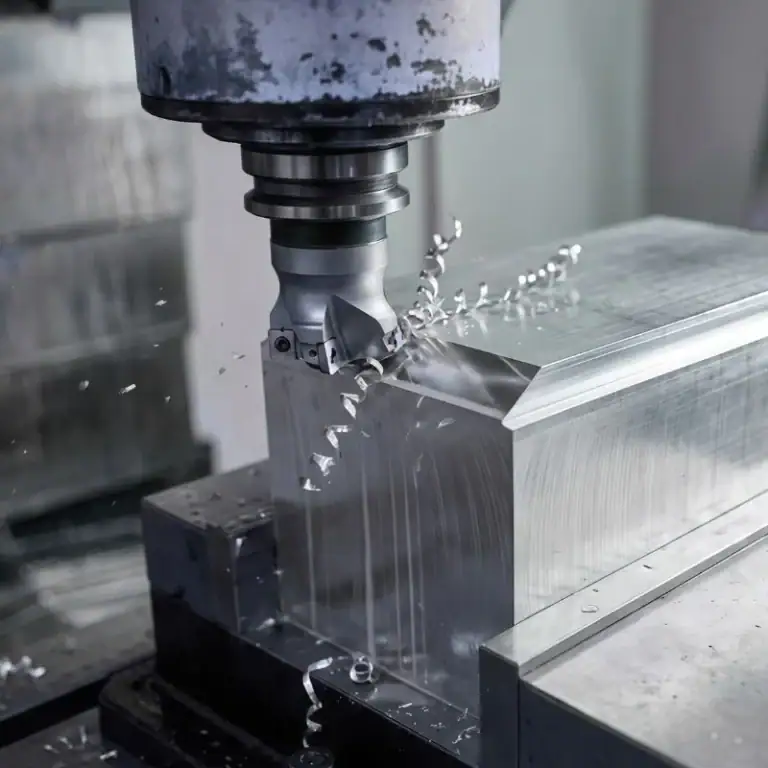
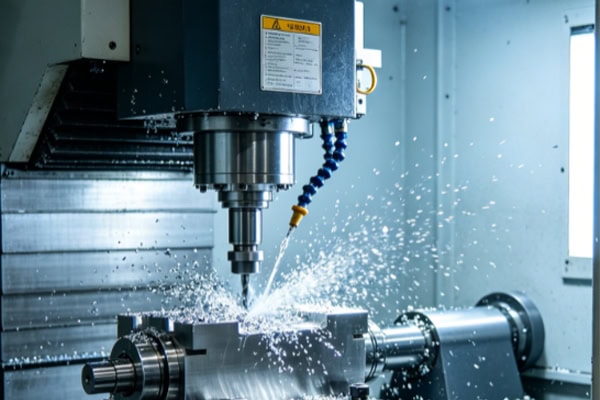
- High-rigidity machines can effectively suppress cutting vibration and reduce waves, tool marks, and dimensional drift during machining. The more stable the machine, the easier it is to produce accurate parts.
- High-precision spindles can reduce rotational error and make the tool cutting path smoother, thereby improving surface quality. Spindle performance often directly affects the final product result.
- For deep cavities, thin walls, and hard material machining, equipment stability often directly determines the final yield rate. If the hardware foundation is not strong enough, even the best solution is difficult to implement.
Only by placing equipment stability first can subsequent process optimization and precision control truly take effect.
Tool Selection and Parameter Optimization Determine Machining Results
Different materials, structures, and precision requirements all demand different tools and parameter settings.
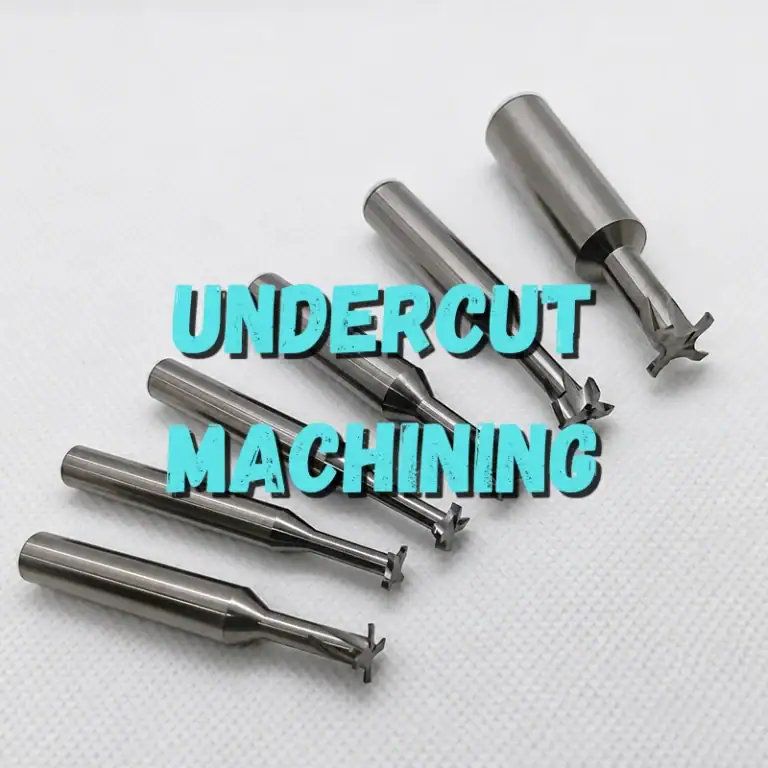
- Choosing the right tool material and coating can reduce wear, lower friction, and improve cutting stability. When the tool remains stable, surface quality is easier to control.
- Spindle speed, feed rate, and cutting depth need to be matched according to material characteristics rather than blindly pursuing efficiency. Only reasonable parameter settings can balance quality and efficiency.
- In the finishing stage, using smaller cutting depths and smoother feed motion helps achieve better surface conditions. Better finishing leads to a better final product feel.
Only by combining tool selection, parameter control, and finishing strategies can CNC milling truly achieve high-quality and stable surface machining results.
Multi-Axis Machining and CAM Toolpath Planning Improve Complex Part Capability
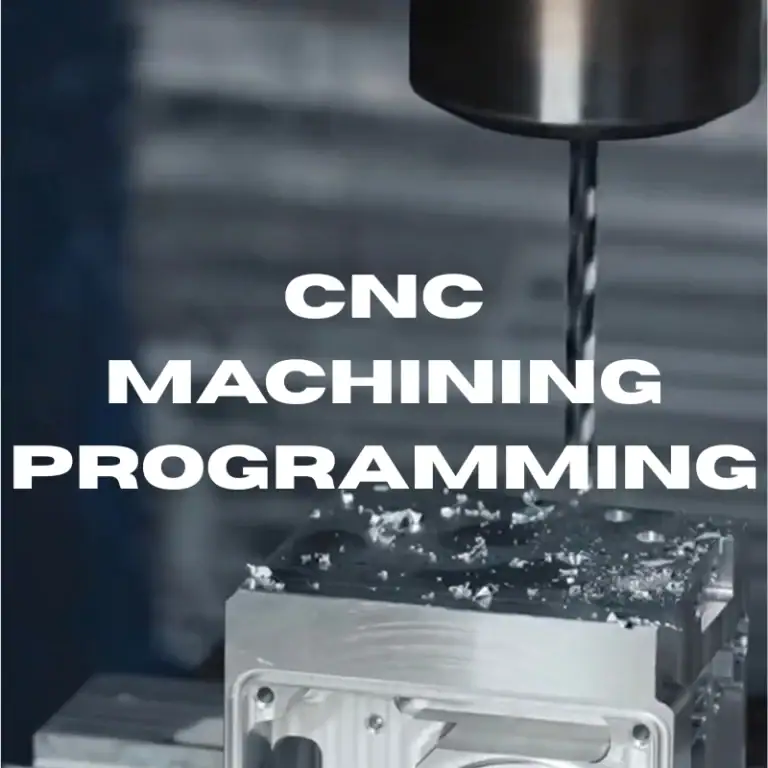
High-end manufacturing increasingly relies on digital programming and intelligent path control, and complex parts place high demands on toolpath continuity.
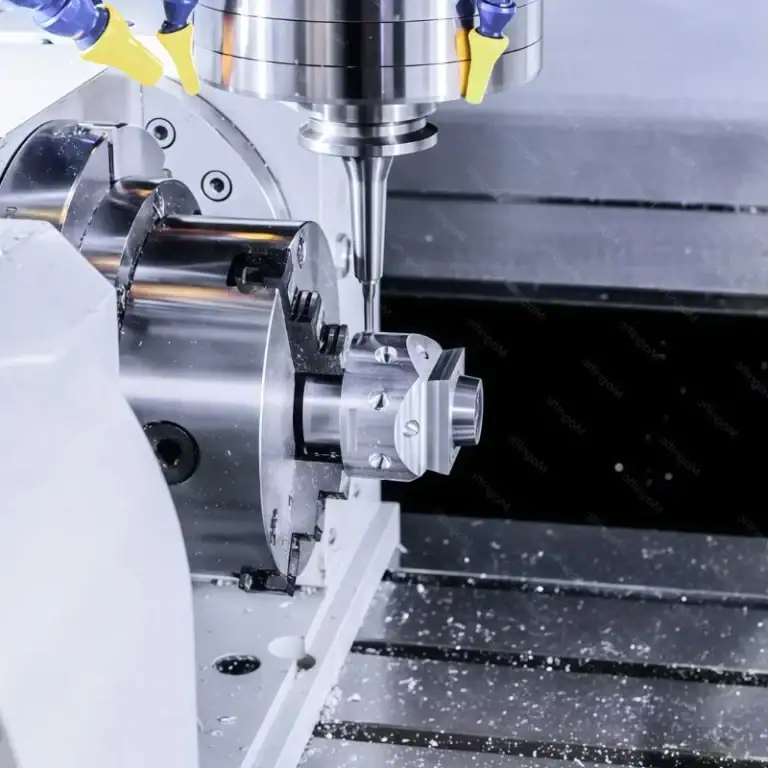
- Multi-axis CNC milling can reduce clamping次数, making the machining of complex curved surfaces and angled surfaces more efficient. Completing more operations in one setup can significantly improve overall efficiency.
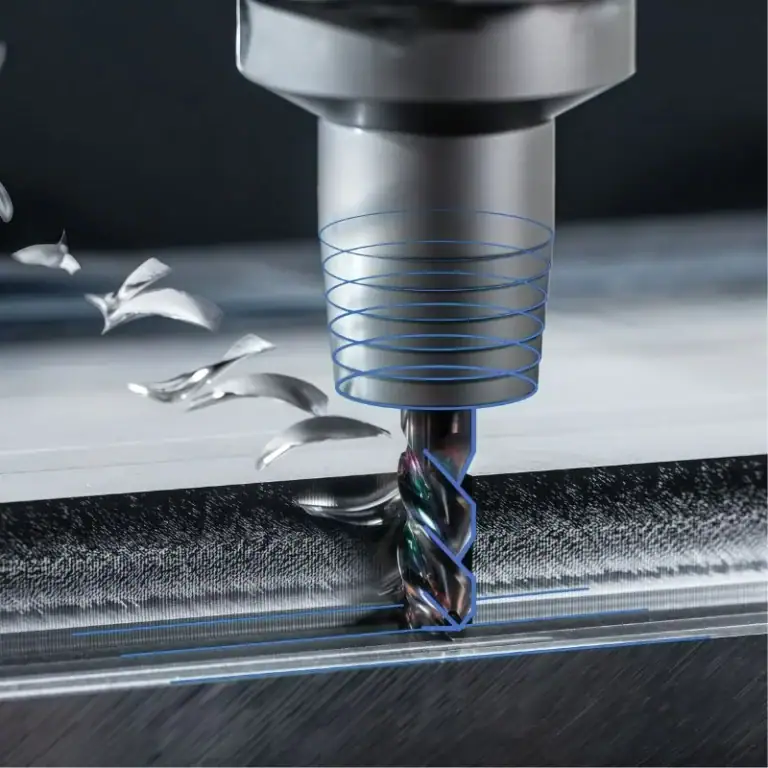
- CAM systems can optimize toolpaths, reduce air cutting, sharp turns, and repeated cutting, thereby improving machining continuity. The smoother the path, the more stable the machining.
- Reasonable path planning can also reduce local force fluctuations, making the part surface more uniform and dimensions more stable. For high-end parts, this kind of detail optimization is extremely important.
To truly meet high-end manufacturing requirements, CNC milling must rely not only on equipment performance, but also on scientific programming and toolpath optimization capabilities.
Typical Application Scenarios in High-End Industries
CNC milling is widely used in high-end manufacturing because it can adapt to multiple industries with extremely high requirements for precision and reliability.
Aerospace Emphasizes Lightweighting and High Reliability
Aerospace parts are usually complex in structure, made from special materials, and subject to extremely high safety requirements.
- CNC milling can process aluminum alloys, titanium alloys, and other high-performance materials to meet lightweighting and strength requirements. The more difficult the material is to machine, the more it demonstrates process capability.
- For complex structural and functional parts, CNC milling can balance precision, strength, and consistency. This is exactly the kind of comprehensive performance aerospace parts require.
- In aerospace manufacturing, even the smallest error can affect assembly and performance, so process stability is especially important. High reliability is the baseline requirement of the aerospace industry.
CNC milling has become an indispensable key process in aerospace part manufacturing.
Medical Devices Emphasize Precision and Cleanliness
Medical parts not only require accurate dimensions, but also good surface quality and stable machining processes.
- CNC milling is suitable for machining surgical instruments, implant components, and precision housings that require high standards. Medical products often demand even greater attention to detail.
- Through stable machining control, burrs and surface defects can be reduced, improving product safety. The cleaner the surface, the safer the product feels in use.
- For the medical industry, batch consistency and traceability are equally important, and CNC milling makes standardized management easier to achieve. The stronger the standardization, the easier it is to verify quality.
CNC milling has become a key process in medical part manufacturing that balances precision, safety, and stability.
Precision Molds and High-End Equipment Manufacturing Emphasize Detail Control
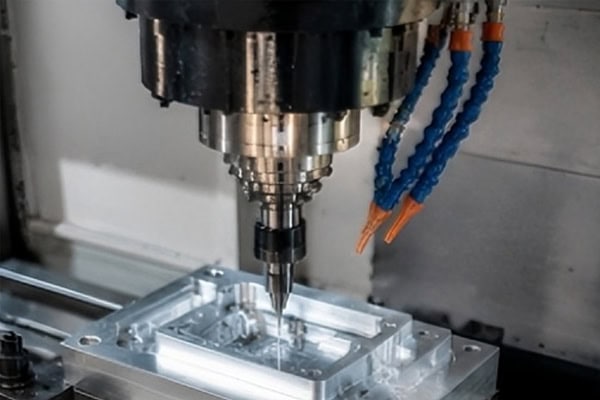
Molds and equipment parts often determine the quality of the final product, so machining details are critical. CNC milling can achieve high-precision cavities, complex contours, and fine structural machining, making it especially suitable for mold and equipment part manufacturing with complex details and high precision requirements. In the mold industry, surface quality directly affects forming results and service life. The more stable the mold machining, the more reliable the subsequent production process. For high-end equipment parts, stability and assembly accuracy directly affect overall machine performance. Only when part quality is sufficiently precise can the performance of the entire machine be truly reliable.
The Importance of Choosing a Professional Machining Service Provider
For many companies, the real challenge is not “whether CNC milling equipment is available,” but “whether there is the capability to reliably deliver high-end requirements.”
Process Experience Determines Project Execution Efficiency
An experienced machining team understands better how to handle complex materials, special structures, and high-precision requirements.
- It can identify machining difficulties more quickly and reduce trial-and-error costs. The more experience a team has, the smoother the project progresses.
- It can develop more reasonable process routes based on part characteristics. The more reasonable the route, the more stable the result.
- When facing urgent projects, it is also easier to ensure both delivery time and quality. What customers truly need is this kind of execution capability.
Choosing a truly experienced machining team often means less risk, higher efficiency, and more stable delivery results.
Inspection Capability Determines Final Delivery Quality
High-end manufacturing cannot do without strict inspection. Only when inspection is in place can the results truly be reliable.
- Precision inspection using CMMs, contour measuring instruments, and similar equipment can detect deviations in time. The earlier a problem is found, the lower the rework cost.
- A complete quality control process helps reduce defective products from leaving the factory. The stricter the quality control, the more confident the customer feels.
- For customers, a stable inspection system is more valuable than a single machining result. Because what truly matters is long-term consistency.
Only when the inspection process is truly well executed can the high-precision advantages of CNC milling be continuously transformed into delivery results that customers can rely on.
Delivery Capability and Confidentiality Are Equally Critical
High-end manufacturing projects often involve core designs and commercial secrets, so the provider’s overall capability matters greatly.
- Stable delivery capability helps customers better arrange production plans. The more stable the delivery, the smoother the cooperation.
- A strict confidentiality mechanism protects customer drawings and technical information. The higher the security, the clearer the cooperation boundaries.
- Suppliers with systematic management capabilities are more likely to become long-term partners. The foundation of long-term cooperation is professionalism and trustworthiness.
Choosing a truly reliable partner ensures that high-end manufacturing projects achieve efficiency, quality, and security at the same time.
Conclusion
The reason CNC milling can meet high-end manufacturing requirements lies in its ability not only to machine complex parts, but also to balance precision, consistency, efficiency, and stability. As manufacturing continues to move toward higher precision, smarter production, and greater customization, the value of CNC milling will continue to grow. For companies looking to improve product competitiveness, choosing a partner with mature processes and stable delivery capability is especially important. TiRapid can provide professional CNC milling support for high-end manufacturing projects, helping customers achieve high-quality delivery more efficiently.