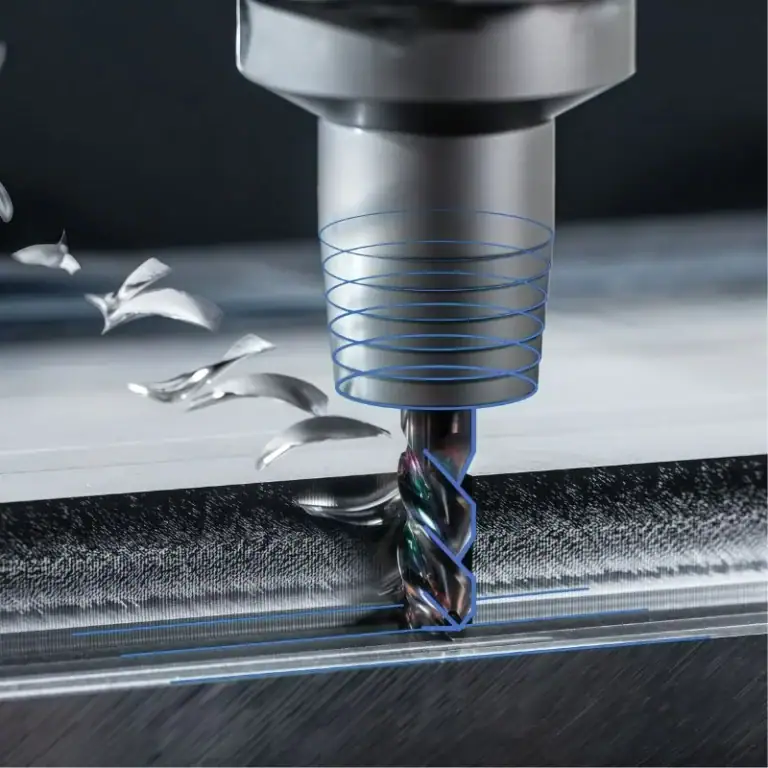
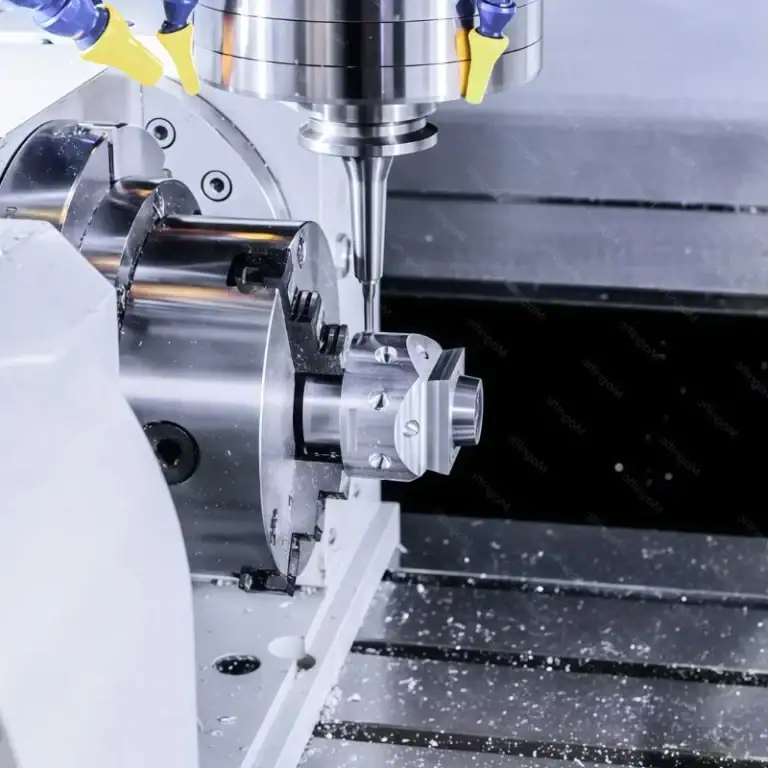
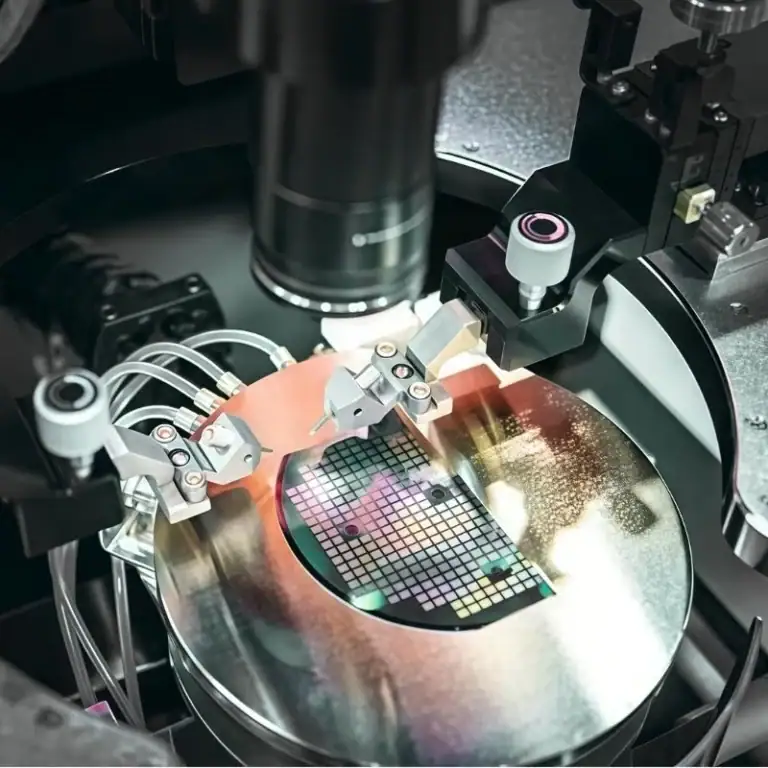
CNC turning has become one of the most important machining technologies in modern industrial manufacturing. It is widely used to produce precision rotational components for industries such as automotive, aerospace, medical devices, electronics, energy equipment, and industrial automation. Compared with conventional lathes, CNC turning uses computer numerical control systems to automate the entire machining process, delivering higher precision, greater production efficiency, and consistent product quality. A complete CNC turning workflow involves much more than simply cutting metal. It includes engineering drawing analysis, process planning, material preparation, CNC programming, machine setup, machining operations, quality inspection, packaging, and final delivery. Every stage directly influences machining accuracy, production efficiency, and manufacturing costs. Establishing a standardized CNC turning process helps manufacturers improve productivity, reduce waste, maintain stable product quality, and meet increasingly demanding customer requirements for precision-machined components.
Engineering Drawing Analysis and Process Planning Are the Starting Point
Every CNC turning project begins with a detailed review of engineering drawings and technical specifications. Manufacturing engineers must carefully evaluate dimensions, tolerances, material properties, surface finish requirements, and the intended application of each component. Proper planning helps identify potential machining challenges before production starts, reducing setup time and minimizing manufacturing risks. A well-designed machining process provides the foundation for efficient production and consistent product quality.
Analyze Engineering Drawings and Technical Requirements
Before machining begins, engineers carefully examine all technical documentation, including dimensional tolerances, surface finish requirements, thread specifications, chamfers, concentricity, and material grades. For complex components, additional evaluations may determine whether multiple setups or secondary operations are required. Thorough drawing analysis allows programmers and machinists to develop reliable machining strategies while avoiding unnecessary production errors.
- Verify component dimensions
- Confirm tolerance specifications
- Analyze material properties
- Review surface finish requirements
- Determine machining sequence
- Evaluate machining complexity
Comprehensive engineering analysis helps manufacturers identify potential machining issues early and establishes a solid foundation for stable, high-quality production.
Develop an Efficient Machining Process
After reviewing the product drawings, manufacturing engineers establish the machining sequence, including rough turning, semi-finishing, finishing operations, tooling selection, fixture design, cutting parameters, and estimated production cycle times. Careful process planning improves machining efficiency while maintaining product consistency.
- Design machining workflow
- Determine machining sequence
- Select CNC equipment
- Configure fixtures
- Optimize cutting parameters
- Estimate production cycle time
A well-planned machining strategy improves manufacturing efficiency, shortens setup time, and ensures consistent machining quality.
CNC Programming and Machine Preparation Determine Production Efficiency
Once the machining process has been established, engineers convert engineering drawings into CNC programs and prepare the machine for production. Program quality and machine readiness directly affect machining accuracy, cycle time, and overall production efficiency.
Develop Accurate CNC Machining Programs
CNC programmers generate toolpaths based on component geometry while configuring coordinate systems, tool offsets, cutting parameters, and machining sequences. Simulation software is used to verify machining programs before production begins, preventing collisions, programming errors, and unnecessary material waste.
- Establish work coordinate systems
- Generate machining toolpaths
- Configure cutting parameters
- Set tool compensation
- Simulate machining operations
- Verify program safety
Accurate CNC programming enables smooth machining operations while maximizing production consistency and equipment utilization.
Install Cutting Tools and Prepare Equipment
Before machining starts, operators install cutting tools, fixtures, and workpieces while completing tool calibration, spindle inspection, clamping verification, and coolant system checks. Every preparation step contributes to machining accuracy and production stability.
- Install cutting tools
- Calibrate tool positions
- Adjust fixtures
- Inspect spindle performance
- Test coolant systems
- Confirm machine readiness
Proper machine preparation reduces unexpected machining interruptions while improving production reliability and workplace safety.
CNC Turning Operations Begin
After machine preparation is complete, CNC lathes automatically execute the programmed machining operations. Throughout production, operators monitor machine performance to ensure stable cutting conditions and consistent machining quality.
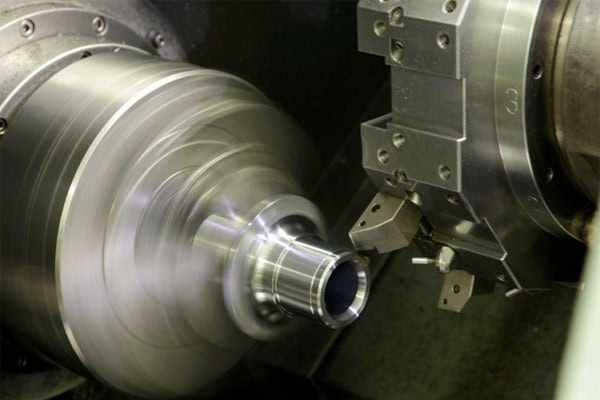
Rough Turning Removes Material Efficiently
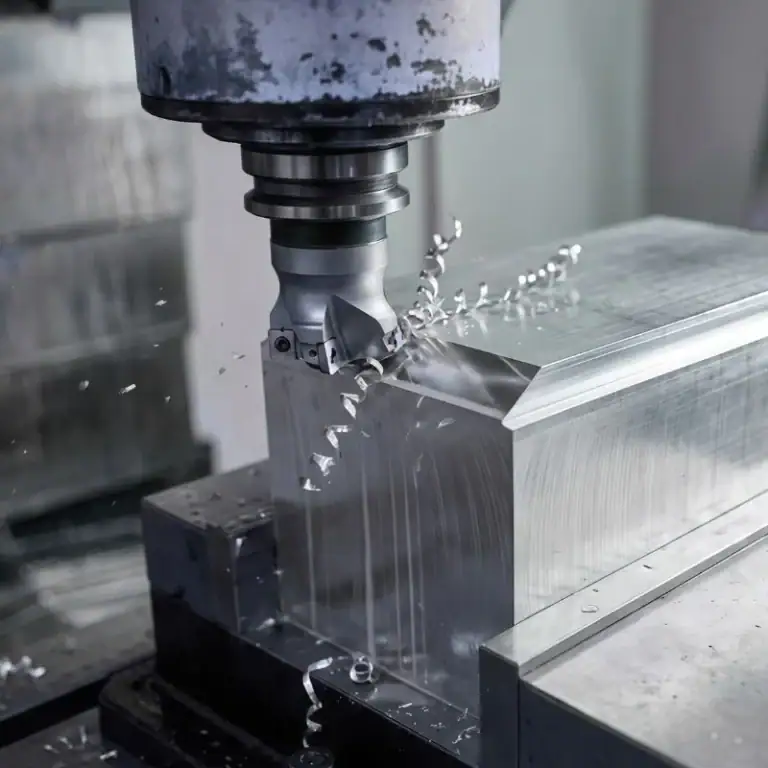
Rough turning rapidly removes excess material while leaving sufficient stock for finishing operations. Proper control of cutting depth, cutting speed, and feed rate improves productivity without sacrificing tool life or machining stability.
- Remove excess material quickly
- Improve machining efficiency
- Control cutting loads
- Reduce machining time
- Maintain stable cutting conditions
- Leave finishing allowance
Efficient rough machining significantly increases production capacity while reducing manufacturing costs.
Finish Turning Achieves Final Precision
Finish turning produces the final dimensions and surface quality required by engineering specifications. Optimized toolpaths and machining parameters enable manufacturers to achieve excellent dimensional accuracy, concentricity, and surface finishes for high-precision components.
- Achieve final dimensions
- Improve machining accuracy
- Enhance surface finish
- Maintain roundness and concentricity
- Minimize dimensional variation
- Improve production consistency
Finish turning determines the final quality of machined components and represents one of the most critical stages of CNC production.
Quality Inspection Ensures Reliable Product Delivery
Every completed component undergoes strict quality inspection before shipment. Comprehensive inspection procedures help manufacturers reduce defect rates while ensuring every product fully complies with customer specifications.
Perform Dimensional and Visual Inspection
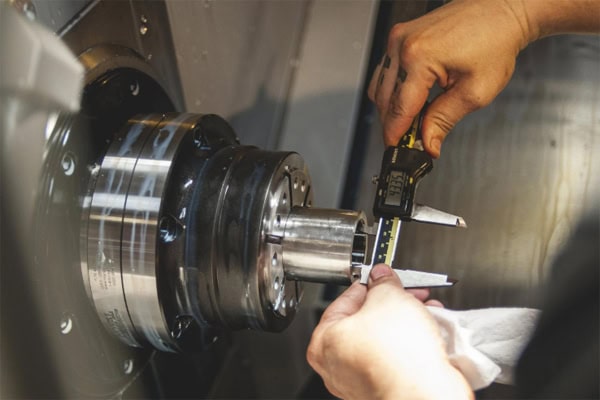
Quality inspectors use precision measuring instruments such as calipers, micrometers, coordinate measuring machines (CMMs), and surface roughness testers to verify dimensional accuracy, concentricity, roundness, and overall surface quality.
- Inspect critical dimensions
- Verify dimensional tolerances
- Measure roundness
- Check concentricity
- Evaluate surface finish
- Inspect product appearance
Comprehensive quality inspection guarantees reliable product performance and improves customer satisfaction.
Establish a Complete Quality Traceability System
Modern CNC machining companies maintain comprehensive production records, including raw material information, machining parameters, inspection data, and production batch records. This traceability system supports continuous quality improvement while meeting customer and industry auditing requirements.
- Store inspection records
- Maintain batch documentation
- Record machining parameters
- Enable product traceability
- Improve quality management
- Meet customer audit requirements
A complete quality traceability system strengthens manufacturing control and increases customer confidence.
Packaging, Delivery, and Continuous Process Improvement
After passing inspection, finished components are cleaned, protected, packaged, and prepared for shipment according to customer requirements. At the same time, manufacturers continuously evaluate machining data and optimize production processes to improve efficiency and remain competitive.
Package Products for Safe Delivery
Depending on the component material and transportation requirements, manufacturers apply rust prevention, protective cushioning, vacuum packaging, or custom packaging solutions to prevent corrosion, scratches, and impact damage during transportation.
- Apply anti-corrosion protection
- Use protective packaging
- Label products clearly
- Organize warehouse storage
- Arrange logistics
- Deliver products on schedule
Professional packaging procedures help ensure products arrive safely while maintaining their machining quality.
Continuously Optimize CNC Turning Processes
As CNC equipment, cutting tool technology, automation, and intelligent manufacturing continue to advance, manufacturers should continuously improve machining parameters, implement automated loading systems, adopt online inspection technologies, and integrate Manufacturing Execution Systems (MES). Continuous process optimization improves machining quality, increases production efficiency, reduces operating costs, and enables CNC turning companies to deliver reliable precision machining services while strengthening their competitiveness in the global manufacturing industry.