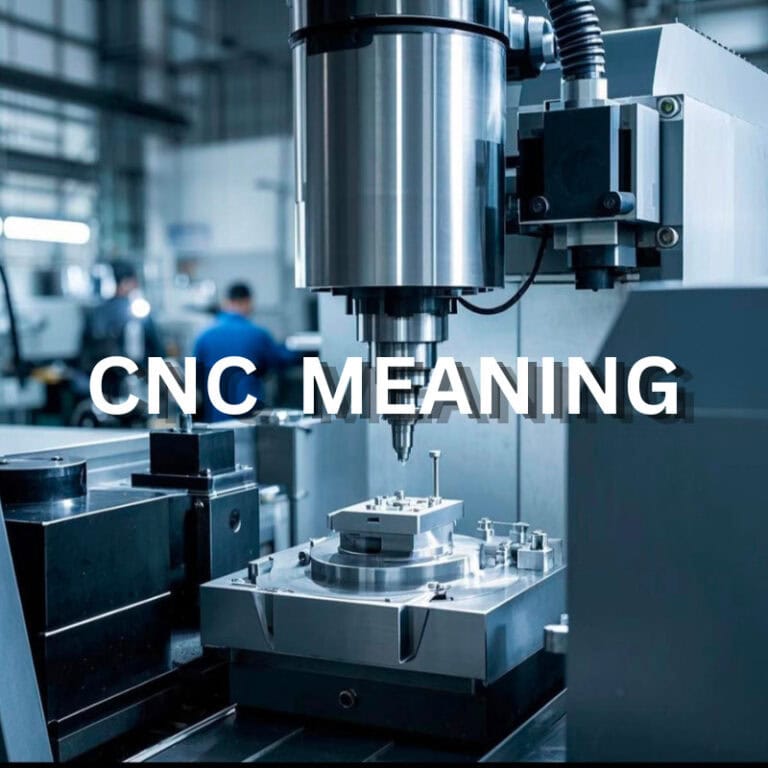
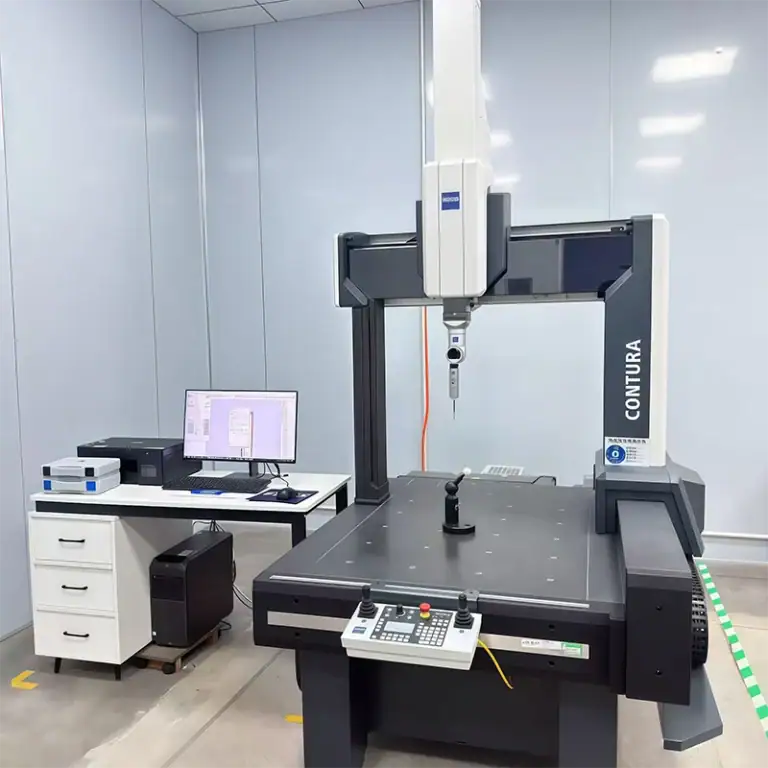
In today’s increasingly competitive manufacturing industry, what customers truly care about is often not whether a part can be made, but whether it can be made accurately, quickly, and consistently. This is especially true for precision parts, structural components, and appearance parts. Once there is a dimensional deviation, delivery delay, or batch inconsistency, it will directly affect assembly, testing, and market launch. With its high precision, strong repeatability, and flexible machining capability, CNC milling is becoming an important way to improve production competitiveness.
CNC Milling Improves Precision and Consistency
In precision manufacturing scenarios, precision and consistency often directly determine whether a product can smoothly enter the next process, and they also determine the customer’s trust in the supplier.
Making Critical Dimensions More Stable
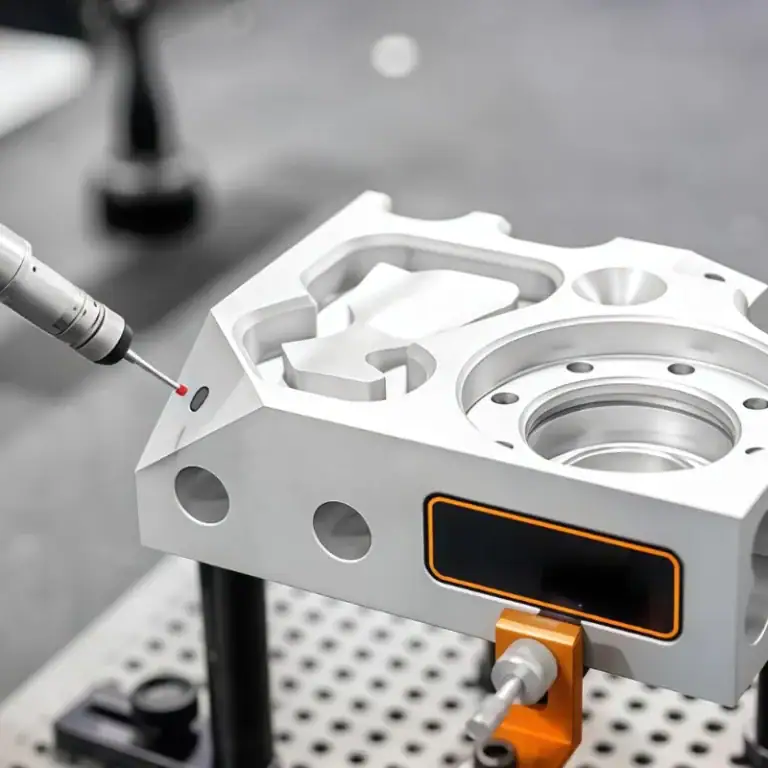
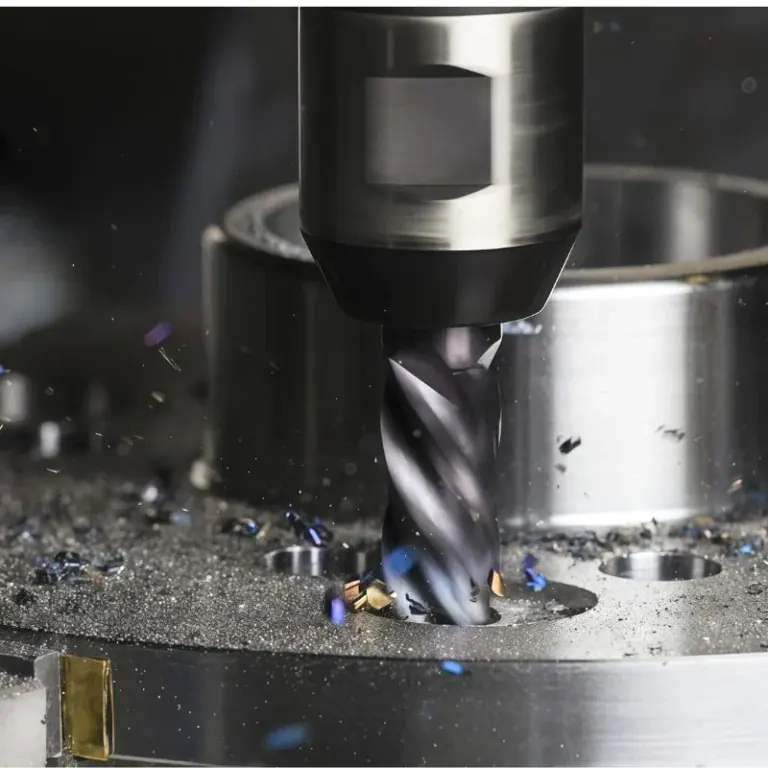
CNC milling precisely controls tool paths, spindle speed, and feed parameters through numerical control programs, effectively reducing errors caused by manual operation. This makes critical dimensions such as hole positions, slots, and flatness easier to keep stable, while maintaining a high level of consistency across multiple production batches.
- Suitable for parts with strict tolerance requirements, because the CNC system can keep the machining process within a more stable range, thereby reducing the impact of dimensional deviations on subsequent assembly.
- Helps reduce dimensional fluctuations between batches, so parts produced at different times can maintain nearly the same critical dimensions, making it easier for customers to carry out standardized management and batch assembly.
- Helps improve assembly success rate and finished product yield, allowing parts to more easily meet fit requirements before entering the next process, thereby reducing the risk of rework and scrap.
Stable dimensional control is the foundation of CNC milling in improving product quality and manufacturing reliability.
Complex Structures Can Also Be Completed Efficiently
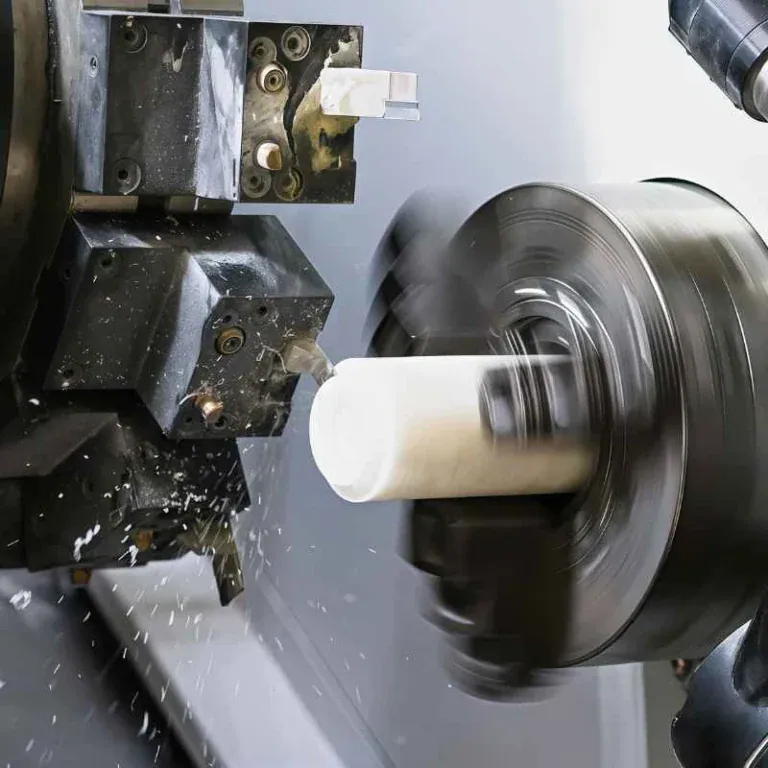
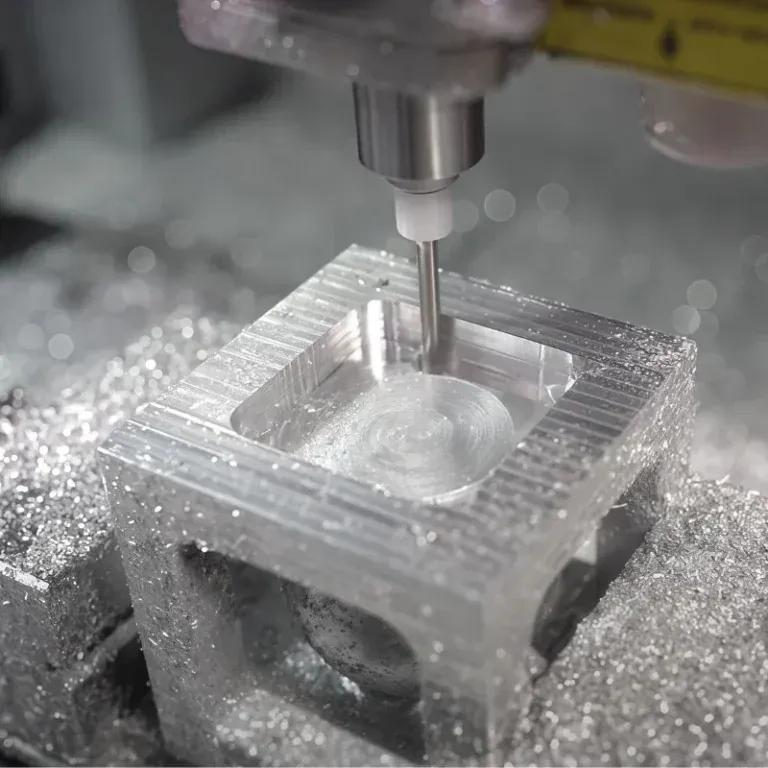
For thin-walled parts, irregular parts, deep cavity parts, and other complex structures, CNC milling can complete one-time machining through multi-axis linkage and reasonable tool path planning, thereby reducing the impact of process switching and minimizing error accumulation caused by repeated clamping.
- Reduces errors caused by multiple setups, because completing more machining content in a single setup not only improves positioning accuracy but also lowers deviations caused by re-alignment.
- Lowers the machining difficulty of complex parts, allowing structures that originally required multiple processes to be completed in one step through more reasonable path planning and equipment capability.
- Gives product design more freedom and greater room for structural optimization, enabling engineers to consider lightweighting, integration, and functional design more boldly during the design stage.
The efficient machining capability for complex structures gives CNC milling a stronger advantage in high-difficulty part manufacturing.
Stronger Batch Replication Capability
Once sample validation is successful, CNC milling can quickly replicate mature processes to subsequent batches, ensuring that each batch of products maintains the same quality level and machining results as much as possible, giving customers greater confidence during mass production.
- Suitable for repeat orders and long-term supply projects, because once the process is stabilized, machining can continue according to the same standards, reducing the time cost of redevelopment each time.
- Reduces instability in batch production, making the coordination between equipment, tools, and programs more mature, thereby improving overall production rhythm and delivery stability.
- Helps customers move into mass production with greater confidence, because the machining solution verified in the early stage can be directly extended to later production, reducing trial-and-error and repeated adjustment risks.
The stronger the batch replication capability, the more obvious the enterprise’s competitive advantage in large-scale production.
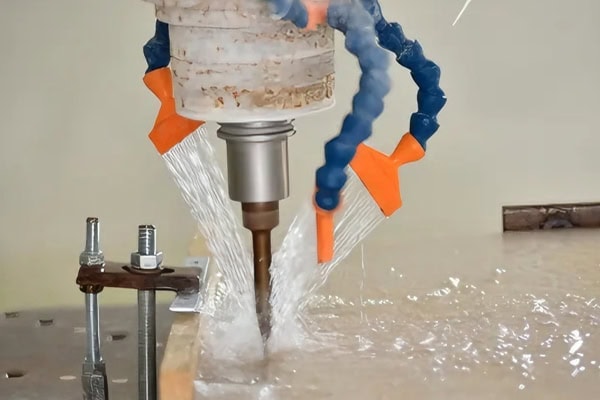
CNC Milling Helps Shorten Lead Time and Reduce Costs
During project execution, lead time and cost are often the two most sensitive indicators for customers, and CNC milling can play a role in both at the same time.
Faster Prototyping
For customers in the R&D stage, time is competitiveness. CNC milling does not require complex mold making. Once the design is confirmed, machining can begin quickly. It is especially suitable for new product validation and structural testing, and it can also help enterprises complete product iterations faster. It allows samples to be produced in a shorter time, helping engineers promptly check whether the structure is reasonable, whether assembly is smooth, and whether the function meets requirements. When the drawing needs to be adjusted, only the program and process parameters need to be updated, and the next round of machining verification can begin quickly. At the same time, this fast response capability also helps customers seize market opportunities more quickly, significantly shortening the cycle from concept to sample and then to trial production, thereby improving market responsiveness.
Reducing Rework and Material Waste
Confirming the program, tools, and process before machining can significantly reduce the rework rate, avoid extra costs and material loss caused by trial and error, and also make the overall project budget more controllable.
- Reduces repeated machine setup and repeated machining, because the more complete the early process preparation is, the lower the probability of deviations in later production, and the higher the equipment utilization rate will be.
- Lowers material loss and labor loss, avoiding raw material scrap or remanufacturing caused by machining errors, thereby reducing unnecessary cost expenditure.
- Makes the project budget more controllable, allowing enterprises to estimate costs more accurately during quoting, scheduling, and delivery, and improving overall operational efficiency.
More stable early-stage process preparation helps enterprises keep costs within a more reasonable range.
Suitable for Both Small Batches and Mass Production
CNC milling is suitable for single-piece samples, small-batch trial production, and medium-batch production. It can flexibly match order requirements and delivery rhythms at different stages, which makes it particularly outstanding in multi-variety manufacturing scenarios.
- Suitable for multi-variety, small-batch manufacturing models, because it does not rely on complex molds and can quickly switch machining content according to different orders, improving production flexibility.
- Makes it easier for customers to adjust quickly based on market feedback. When a product needs structural optimization or version changes, the program can be modified rapidly and a new machining process can be put into operation.
- Improves equipment utilization and production efficiency, allowing the same set of machining equipment to maintain high continuity between different orders and reduce idle time.
This flexible production adaptability allows enterprises to maintain high efficiency at different order stages.
CNC Milling Enhances Product Market Competitiveness
When manufacturing capabilities gradually become homogenized, what truly creates differentiation is often product details, material adaptability, and customization response speed.
Surface Quality Is Easier to Control
Many customers care not only about dimensions but also about the appearance of the part. CNC milling can achieve better surface results and more stable appearance consistency through tool selection, cutting parameters, and post-processing coordination, thereby improving overall product quality.
- Reduces tool marks, burrs, and machining traces, making parts more refined in both visual effect and touch, and meeting the aesthetic standards of demanding customers.
- Improves the texture and consistency of appearance parts, allowing products in the same batch to maintain uniform color, texture, and edge treatment, thereby enhancing brand image.
- Meets the appearance quality requirements of high-end products, especially in consumer electronics, medical devices, and precision instruments, where appearance details are highly sensitive.
Good surface quality not only improves product grade but also enhances customer recognition of manufacturing capability.
Wider Material Adaptability
CNC milling can machine aluminum alloys, stainless steel, copper, engineering plastics, and some composite materials. It can also adjust tools, parameters, and process plans according to different materials. It has strong adaptability in part manufacturing across multiple industries and scenarios, and it helps enterprises meet customer needs more flexibly. For materials with different hardness, thermal conductivity, and cutting characteristics, CNC milling can achieve stable machining through process optimization, thereby reducing manufacturing limitations caused by material differences. It not only expands the range of orders an enterprise can undertake, but also gives product development greater freedom in material selection.
Supports Customized Manufacturing
More and more customers now need non-standard parts and personalized solutions. CNC milling is well suited to meet this kind of rapid customization demand and helps enterprises respond to market changes more quickly, thereby building differentiated advantages in niche markets.
- Machining plans can be quickly adjusted according to drawings, so parts with different structures, sizes, and functional requirements can all receive targeted processing.
- Suitable for structural optimization and functional integration, enabling more design functions to be realized within limited space and helping customers improve product performance.
- Helps customers create differentiated products, allowing enterprises to form unique advantages in homogeneous competition through customization capability and response speed.
The stronger the customized manufacturing capability, the easier it is for an enterprise to establish a competitive advantage in niche markets.
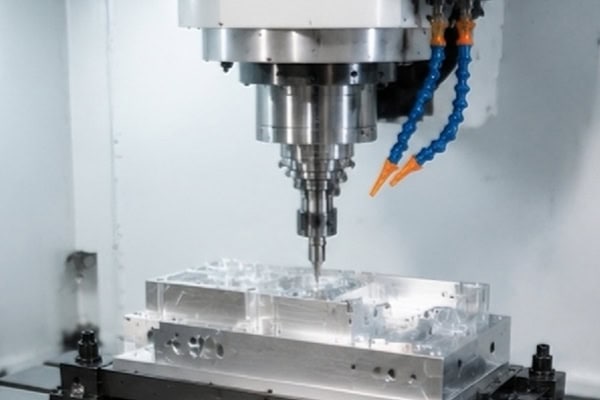
CNC Milling Makes Customer Projects Easier to Implement
From R&D to mass production, whether a project can be successfully implemented often depends on whether the machining stage is flexible, transparent, and controllable enough.
More Flexible Design Changes
During the R&D process, drawing revisions are very common. CNC milling only needs program and process adjustments to respond quickly to design changes, thereby reducing obstacles in project execution and making the R&D process smoother.
- Shortens communication and confirmation time, because once the design changes, the machining stage can respond quickly, reducing waiting time and repeated confirmation cycles.
- Reduces losses caused by design changes, avoiding extra costs and time pressure caused by remaking molds or large-scale rework.
- Makes project execution smoother, allowing R&D, machining, and testing to form a more efficient collaborative relationship.
Flexible design response capability helps customers complete product iterations more efficiently.
Quality Is Easier to Trace
By recording programs, tools, parameters, and inspection results, customers can more clearly understand the machining status of each batch of parts, and it is also easier to carry out subsequent quality analysis and problem troubleshooting, thereby improving transparency across the entire supply chain.
- Makes problem location and root cause analysis easier, because when a part has an abnormality, it can be quickly traced back to a specific process step, reducing troubleshooting time.
- Improves transparency in quality management, allowing customers to more intuitively grasp key data and control points in the production process.
- Enhances customer trust in the supplier, because complete records and a traceability system reflect the standardization and stability of the manufacturing process.
A complete quality traceability system is an important guarantee for stable cooperation and long-term delivery.
More Suitable for Long-Term Cooperation
Once the process is mature, CNC milling can continuously replicate stable solutions for subsequent orders, helping customers build a more reliable supply chain and improving long-term cooperation efficiency, making cooperation between both sides more stable and efficient.
- Suitable for long-term supply and repeat purchasing, because mature processes can continue to be applied to later orders, reducing the cost of redevelopment each time.
- Improves delivery stability, giving customers more confidence in production planning and inventory management, and making it easier to arrange subsequent projects.
- Makes cooperation increasingly efficient, as communication costs and trial-and-error costs gradually decrease as both sides become more familiar with each other.
Stable long-term cooperation capability can bring enterprises more sustained order value.
conclusion
CNC milling is not only a machining method, but also an important means of improving manufacturing efficiency, quality stability, and customer satisfaction. For enterprises that want to shorten lead times, control costs, and enhance product competitiveness, choosing a mature CNC milling service is crucial. TiRapid can provide you with high-precision, fast-response CNC milling solutions to help projects move forward more quickly.