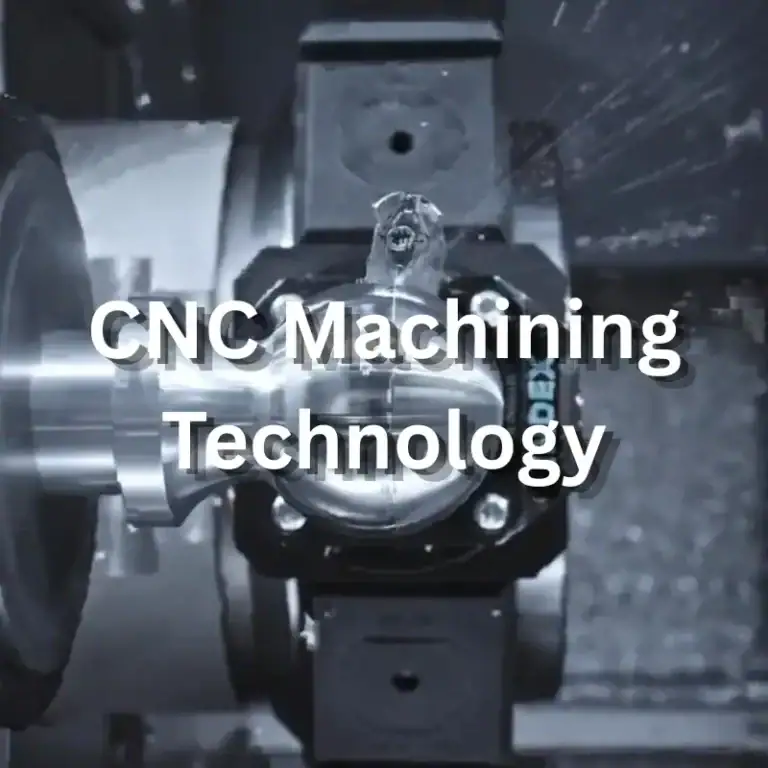
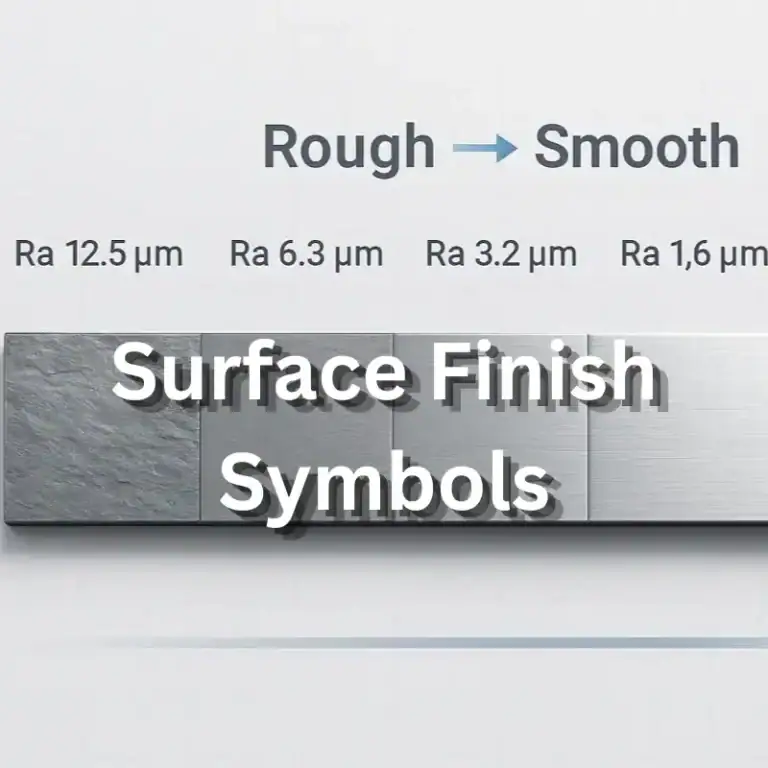
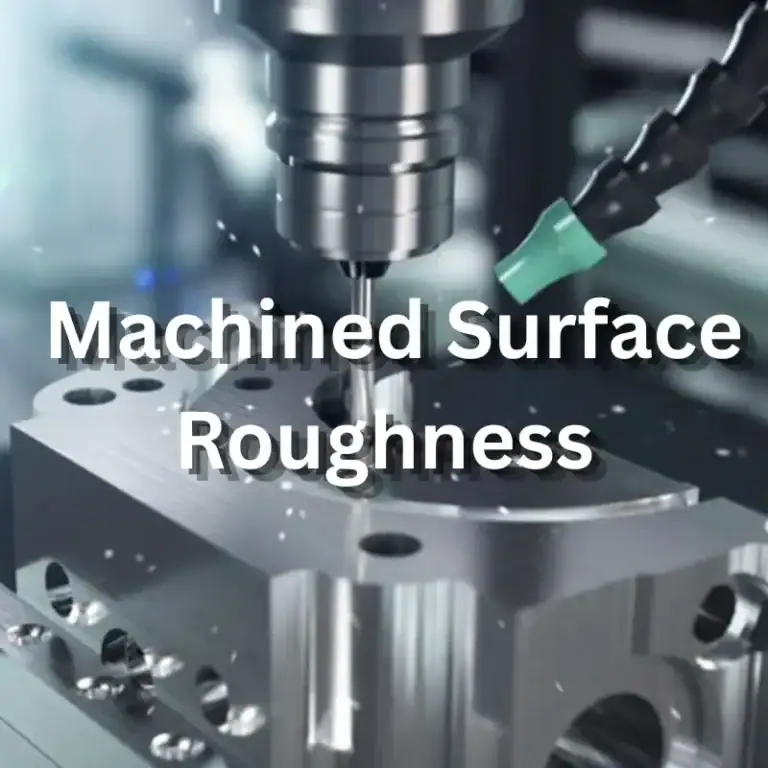
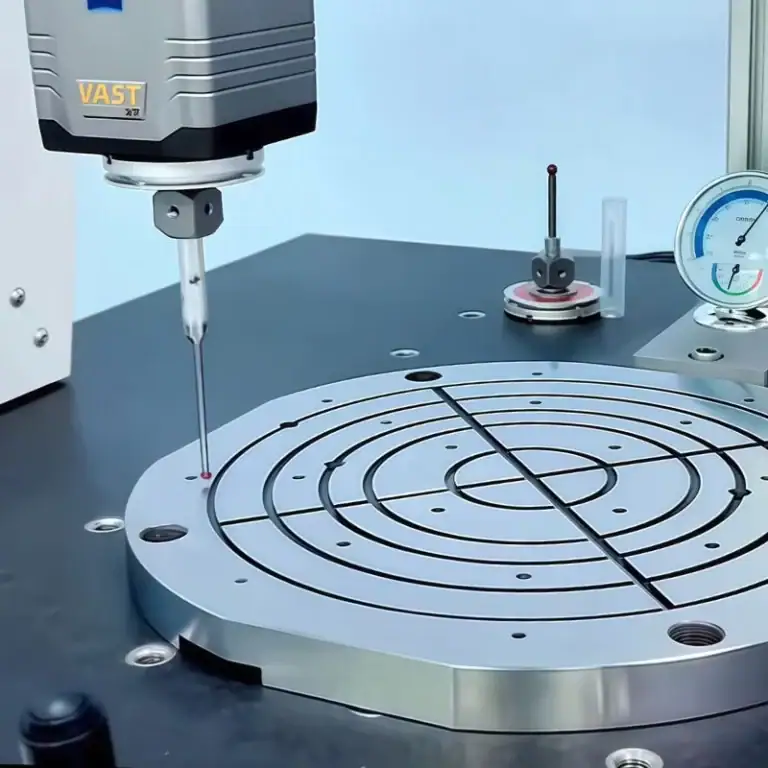
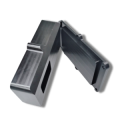
In mold manufacturing, many production problems do not come from the overall mold structure but from a small component that has not been machined properly. Poor guide sleeve fitting, inaccurate locating pin dimensions, or rough cavity insert surfaces can affect mold alignment and even lead to inconsistent product dimensions. Industrial molds have strict requirements for component dimensions, tolerances, and fit. Conventional machining methods may not be suitable for complex structures. CNC machining provides more accurate control over holes, slots, curved surfaces, and precision mating features, helping mold components fit together smoothly while reducing future repairs and rework.
Why Do Industrial Mold Precision Components Require CNC Machining?
Industrial molds consist of many components with different functions. Although precision components are often small, they directly affect mold positioning, guidance, and forming performance. During machining, it is important to control not only individual component dimensions but also how each part fits with the others. The following sections explain how CNC machining meets mold production requirements through precision control, component selection, and material considerations.

How Does CNC Machining Improve the Dimensional Accuracy of Mold Components?
Mold components usually need to fit together with other parts. Meeting individual dimensional specifications does not necessarily guarantee proper assembly. Even slight deviations in guide holes, locating surfaces, or mounting slots can cause excessive clearance, assembly difficulties, or premature wear. CNC machines use programmed tool movements to produce complex contours and precision dimensions more consistently.
During machining, the following features require particular attention:
- Locating and mounting holes: Control hole diameters, spacing, and positional tolerances to prevent component misalignment after installation.
- Mating surfaces: Maintain flatness and dimensional consistency to reduce friction and looseness between parts.
- Precision slots: Control width, depth, and edge dimensions to ensure smooth assembly of inserts and other structures.
Dimensional stability is especially important for molds that open and close repeatedly or operate over long periods. Precision machining improves initial assembly and helps reduce abnormal wear during long-term use.
Which Industrial Mold Precision Components Are Suitable for CNC Machining?
Industrial molds contain many small components with different structures. Some must withstand significant pressure, others are responsible for positioning, while some directly participate in product forming. CNC milling, turning, and drilling can handle metal components with different shapes, making these processes suitable for both small-batch customization and repeat production.
| Precision Mold Component | Main Machining Requirements | Common Applications |
| Mold inserts | Accurate contours and smooth surfaces | Product forming and local structural adjustments |
| Guide sleeves | High bore accuracy and good concentricity | Mold guidance and positioning |
| Locating pins | Stable outer diameter and consistent dimensions | Mold positioning and assembly |
| Cavity components | Accurate curved surfaces and good finish | Product shape forming |
| Fixed pressure plates | Accurate hole positions and good flatness | Mold structural fastening |
For parts with irregular contours, deep grooves, or multiple hole positions, planning the machining sequence in advance helps maintain accuracy and reduce errors caused by repeated workpiece setups.
Which Materials Are Commonly Used for Industrial Mold Precision Components?
Material selection affects component hardness, wear resistance, and machining difficulty. Mold inserts are often made from tool steel, while guide and positioning components need a balance of strength and wear resistance. Some molds used in industrial equipment also incorporate aluminum alloy components to reduce structural weight. Material selection should consider the load, operating temperature, usage frequency, and subsequent heat treatment requirements rather than focusing on material price alone.
How Should Machining Processes Be Selected for Industrial Mold Precision Components?
Once the material and component structure have been determined, machining process selection becomes a key factor in final quality. Different components have different requirements for cutting methods, surface conditions, and dimensional accuracy. An unsuitable process arrangement can increase production time and lead to dimensional deviations. For complex mold components, machining methods, defect prevention, and post-heat-treatment precision control all need careful planning.
Which Mold Components Are Suitable for CNC Milling and Turning?
Different component shapes require different machining methods. Flat surfaces, cavities, grooves, and irregular contours are generally produced through CNC milling. Cylindrical locating parts, guide shafts, and sleeves are more suitable for turning. For components with complex structures, multiple machining processes can be combined to complete the part while reducing inaccessible areas.
| Machining Process | Suitable Component Structures | Main Advantages |
| CNC milling | Flat surfaces, cavities, grooves | Suitable for complex contours |
| CNC turning | Shafts, sleeves, cylindrical parts | Controls outer diameters and concentricity |
| CNC drilling | Mounting holes, locating holes, deep holes | Maintains hole position and diameter |
| Precision grinding | High-precision mating surfaces | Improves dimensional accuracy and surface quality |
How Can Burrs and Surface Defects Be Reduced When Machining Precision Mold Parts?
Mold components often contain narrow grooves, sharp corners, and small holes, where burrs can easily form. If they are not removed properly, burrs may interfere with assembly or even scratch mating surfaces during mold operation. Cutting parameters, tool condition, and cooling methods all affect the final surface quality. Workpiece loading and chip removal also require attention during machining.
Several production controls can help improve results:
- Tool selection: Choose suitable cutting tools based on material hardness and component geometry to prevent premature cutting-edge wear.
- Machining in stages: Separate roughing and finishing operations, leaving sufficient allowance for critical dimensions.
- Edge finishing: Deburr hole openings, slots, and sharp corners to prevent assembly problems.
- In-process inspection: Check critical dimensions regularly and adjust machining parameters when deviations occur.
For deep cavities and thin-wall structures, workholding positions must also be planned carefully to prevent deformation caused by excessive cutting pressure. Surface quality is not just about appearance; it also affects component contact, friction, and service life.
How Can Machining Accuracy Be Maintained After Heat Treatment of Mold Components?
Some tool steel components require heat treatments such as quenching and tempering to improve hardness and wear resistance. However, these processes may cause slight deformation. For components with strict mating tolerances, the sequence of heat treatment and finish machining should be planned in advance. Critical mating surfaces can undergo precision grinding or finishing after heat treatment, followed by dimensional reinspection. This helps prevent a situation where the component meets hardness requirements but cannot be assembled properly.
How Can Quality and Costs Be Controlled When Customizing Industrial Mold Precision Components?
For mold manufacturers with custom machining requirements, dimensional accuracy is important, but reasonable pricing, reliable delivery, and proper assembly are equally essential. This is particularly true for small-batch precision components with multiple specifications, where drawing confirmation and production management directly affect project schedules. The following considerations are worth reviewing before machining begins.

What Factors Affect CNC Machining Costs for Mold Components?
The cost of mold components depends on more than material consumption. Component geometry, machining time, tolerance requirements, and order quantity all affect the final quotation. Complex curved surfaces, deep holes, and narrow grooves usually require additional machining operations. Tight dimensional tolerances may also increase inspection and finishing costs. For batch production, tooling preparation and program setup can influence the unit price.
When requesting a quotation, prepare complete component drawings and specify the material grade, critical dimensions, tolerance ranges, heat treatment requirements, and order quantity. Clear technical information makes it easier to develop a suitable machining route and reduce additional costs caused by later revisions.
How Should the Machining Quality of Industrial Mold Components Be Inspected?
Precision components should not be inspected by checking external dimensions alone. Mating features and actual assembly performance also need attention. For locating pins and guide sleeves, key inspection items include diameter, concentricity, and roundness. Cavity inserts require checks of contour dimensions, surface roughness, and geometric tolerances at critical locations.
Common inspection items include:
- Dimensional measurement: Check lengths, diameters, hole sizes, and slot widths.
- Geometric inspection: Verify flatness, perpendicularity, and concentricity.
- Surface inspection: Identify burrs, scratches, and machining marks.
- Assembly verification: Check for looseness or interference between components.
What Drawing Information Is Needed for Custom Mold Precision Components?
Before machining begins, provide a 3D model or 2D engineering drawing that specifies the material, dimensions, tolerances, surface roughness, and heat treatment requirements. If the component needs to fit an existing mold, relevant assembly dimensions should also be included. This helps prevent a situation where an individually machined part meets its specifications but does not fit the original structure. For components still in the design stage, discussing structural details in advance can also help avoid unnecessary machining difficulties.
The performance of an industrial mold often depends on precision components that may seem insignificant at first glance. Poor dimensional control can affect the assembly and production stability of the entire mold, while a suitable machining process helps reduce rework and improve component durability. If you need custom mold inserts, positioning components, or other precision parts for industrial equipment, contact TIRAPID with your drawings and technical requirements to discuss a suitable CNC machining solution and quotation.