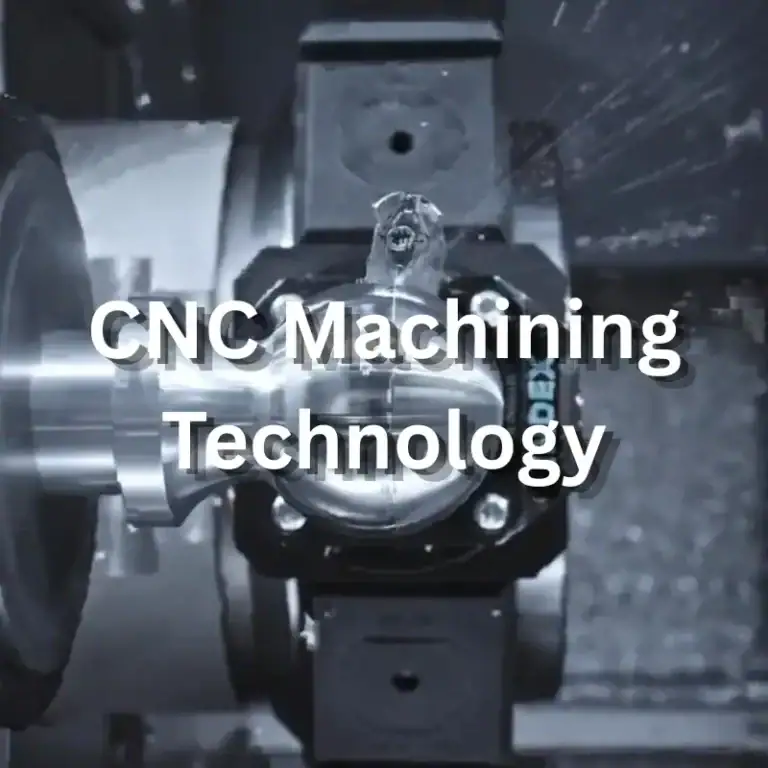
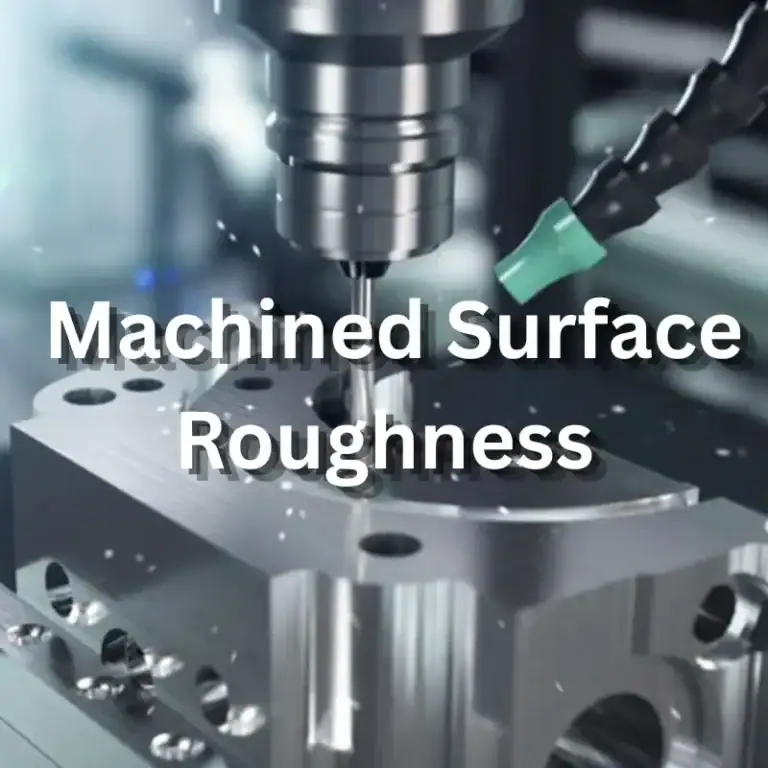
Robot transmission systems transfer power from motors to joints, robotic arms, and end-effectors. Their manufacturing accuracy directly affects motion speed, positioning accuracy, and operational stability. Common transmission components include gears, drive shafts, splined shafts, couplings, bearing housings, reducer housings, and precision connecting sleeves. These parts often feature precision bores, shoulders, gear profiles, keyways, and mating interfaces, requiring strict control of dimensional tolerances, surface roughness, and material properties. CNC machining uses precision turning, milling, drilling, boring, and other supporting processes to manufacture complex structures, providing reliable transmission components for industrial robots and automated equipment.
Key Advantages of CNC Machining for Robot Transmission Components
Robot transmission components must maintain stable fitting conditions under continuous motion and mechanical loads. Gear engagement, bearing installation, and power connections all depend on accurate geometric dimensions. CNC machining uses digitally controlled cutting paths to manufacture complex parts according to engineering drawings. Optimized processes also improve dimensional consistency, making CNC machining suitable for customized development and batch production of robot transmission systems.
Precise Dimensional Control Improves Power Transmission
Transmission shafts, couplings, and gear connectors require accurate fitting dimensions. Shaft diameters, bore sizes, end faces, and keyway dimensions all affect power transmission. Excessive dimensional deviations may cause assembly difficulties, loose connections, abnormal vibration, or localized wear.
CNC turning is suitable for machining external diameters, shoulders, end faces, and internal bores on transmission shafts. CNC milling can produce keyways, flats, and complex connection profiles. By establishing appropriate machining references and finishing operations, manufacturers can control critical mating dimensions and improve assembly consistency.
For components that connect with bearings, gears, or reducers, concentricity, roundness, and end-face runout should also be inspected according to drawing requirements.
Customized Machining for Complex Transmission Structures
Robot transmission systems use different structural designs according to joint loads, motion ranges, and available installation space. Some components require multiple stepped sections, irregular connection surfaces, internal and external splines, offset holes, or specialized mounting interfaces. Standard components may not meet these requirements.
CNC machining can adjust tool paths according to 2D drawings and 3D models to manufacture non-standard transmission shafts, custom couplings, reducer mounting bases, and precision bearing housings. During product development, machining programs can be modified to accommodate design changes. For batch production, validated programs and fixtures help maintain dimensional consistency.
This approach is suitable for new robot development, equipment upgrades, and customized transmission mechanisms.
Material and Process Selection Improves Load-Bearing Performance
Transmission components are exposed to torque, bending loads, contact stress, and fatigue caused by repeated motion. Material selection should be based on operating loads, rotational speed, lubrication conditions, and the working environment rather than machining cost alone.
- Alloy steel: Suitable for transmission shafts, gear shafts, and high-load connectors. Heat treatment processes such as quenching and tempering can be applied according to design requirements.
- Stainless steel: Suitable for connecting shafts, transmission sleeves, and equipment interfaces requiring corrosion resistance. Tooling and cutting parameters should match the selected grade.
- Aluminum alloy: Suitable for lightweight transmission housings, mounting bases, and certain low-load components. It helps reduce the mass of moving robot assemblies.
- Copper alloy: Can be used for specific bushings, wear-resistant mating parts, and components requiring certain friction-reduction properties. Actual applications should be determined by operating conditions.
After material selection, roughing, finishing, and post-processing operations should be planned accordingly. For components requiring heat treatment, manufacturers must consider possible deformation and reserve sufficient finishing allowances to achieve final dimensional and fitting requirements.
CNC Machining Methods and Applications for Robot Transmission Components
Robot transmission components are used at motor outputs, joint reduction mechanisms, robotic arm connections, and inside end-effector drive systems. Different components perform different functions and require different machining processes. By combining turning, milling, drilling, boring, and gear-related operations, manufacturers can meet the requirements of different transmission structures.
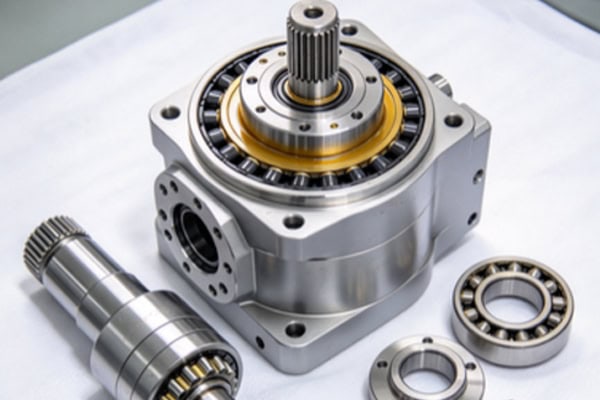
CNC Machining Process for Robot Transmission Components
Transmission parts usually require several machining operations. Process planning should identify load-bearing areas, assembly references, and accuracy requirements. This helps prevent improper clamping or machining sequences from affecting final fitting performance.
- Drawing and structural review: Check component dimensions, tolerances, gear parameters, shaft diameters, bore sizes, keyways, and connection interfaces. Identify critical machining features.
- Material and blank preparation: Select materials according to load capacity, weight, and operating conditions. Confirm blank dimensions and machining allowances.
- Rough machining and datum preparation: Remove the main machining allowance and produce essential external profiles, end faces, and reference bores to provide stable positioning for finishing.
- Precision cutting operations: Complete external turning, internal boring, groove machining, threading, and finishing of connection surfaces according to the component structure.
- Heat treatment and surface treatment: Apply tempering, hardening, black oxide coating, or other suitable processes according to design requirements. Control dimensional changes after treatment.
- Final inspection and delivery: Inspect critical dimensions, geometric accuracy, surface condition, and assembly fit before delivery.
Precision transmission components such as gears and splined shafts may also require dedicated tooth-profile machining or finishing processes. CNC turning and milling can produce the basic structures and connection features, but ordinary milling should not be considered a replacement for every specialized gear-cutting operation. The final process should be selected according to tooth-profile accuracy, equipment capabilities, and inspection requirements.
Machining Applications for Gear Shafts and Splined Shafts
Gear shafts and splined shafts are commonly used in robot joints, reduction mechanisms, and servo drive systems. Gear shafts transfer torque through gear engagement, while splined shafts transmit power through mating teeth between the shaft and sleeve. Both types require accurate control of shaft diameters, tooth positions, mating dimensions, and surface quality.
CNC turning can produce shaft journals, shoulders, end faces, and center holes. Milling and specialized gear-machining equipment can produce keyways, splines, and gear-related features according to the component design.
For long shafts, proper workholding and support are important to reduce cutting vibration and bending deformation. For gear shafts requiring heat treatment, the machining sequence before and after treatment must be planned carefully to ensure that final tooth profiles and mating dimensions meet design requirements.
Manufacturing Applications for Couplings, Reducer Housings, and Bearing Seats
Couplings connect different transmission shafts, reducer housings support internal transmission mechanisms, and bearing seats position and secure bearings. These components usually contain center bores, mounting holes, locating shoulders, and connection flanges. Their critical dimensions must maintain accurate geometric relationships.
CNC machining can manufacture couplings, reducer housings, and bearing mounting bases in different specifications. For couplings, manufacturers should focus on bore dimensions, keyway positions, and end-face condition. Reducer housings require accurate bearing-bore positioning, mounting-surface flatness, and structural stiffness. Bearing seats need precise control of internal bore dimensions and concentricity between relevant reference features.
For complex housings, multi-face machining and dedicated fixtures can help reduce positioning errors caused by repeated setups.
| Transmission Component | Common Materials | Main Machining Processes | Key Quality Requirements | Typical Applications |
| Gear shaft | Alloy steel, stainless steel | Turning, gear cutting, heat treatment | Tooth accuracy, shaft diameter tolerance | Robot joint transmission |
| Splined shaft | Alloy steel, stainless steel | Turning, spline machining, finishing | Spline fit, concentricity | Power transmission mechanisms |
| Coupling | Aluminum alloy, alloy steel | Turning, milling, drilling, keyway machining | Bore accuracy, connection stability | Motor-to-shaft connections |
| Reducer housing | Aluminum alloy, cast iron | CNC milling, boring, drilling | Bearing-bore position, mounting-surface accuracy | Robot joint reducers |
| Bearing seat | Aluminum alloy, alloy steel | Turning, milling, precision boring | Internal bore dimensions, concentricity | Rotary support structures |
| Transmission sleeve | Stainless steel, alloy steel | Turning, internal bore machining, slotting | Fit clearance, dimensional stability | Transmission shaft connections |
Functional and Performance Control for Robot Transmission Components
Transmission components transfer motor output to robot joints and motion mechanisms. Machining accuracy, material properties, surface condition, and assembly quality all affect transmission efficiency, operating noise, and service life. Manufacturers should establish inspection standards for different components and use appropriate quality control methods to reduce assembly deviations and long-term operational risks.

Transmission Fit Accuracy and Critical Quality Inspection
Shafts, bores, gears, and bearings within a transmission system must maintain suitable fitting relationships. Dimensional deviations may cause excessive clearance, overly tight assembly, or increased operating resistance. High-precision robot transmission components require inspection of critical dimensions and geometric accuracy after machining to ensure that all components fit according to design requirements.
- Shaft diameter and bore inspection: Use micrometers, bore gauges, or air gauges to measure shaft journals, bearing bores, and connection holes. Confirm that dimensions meet specified tolerances.
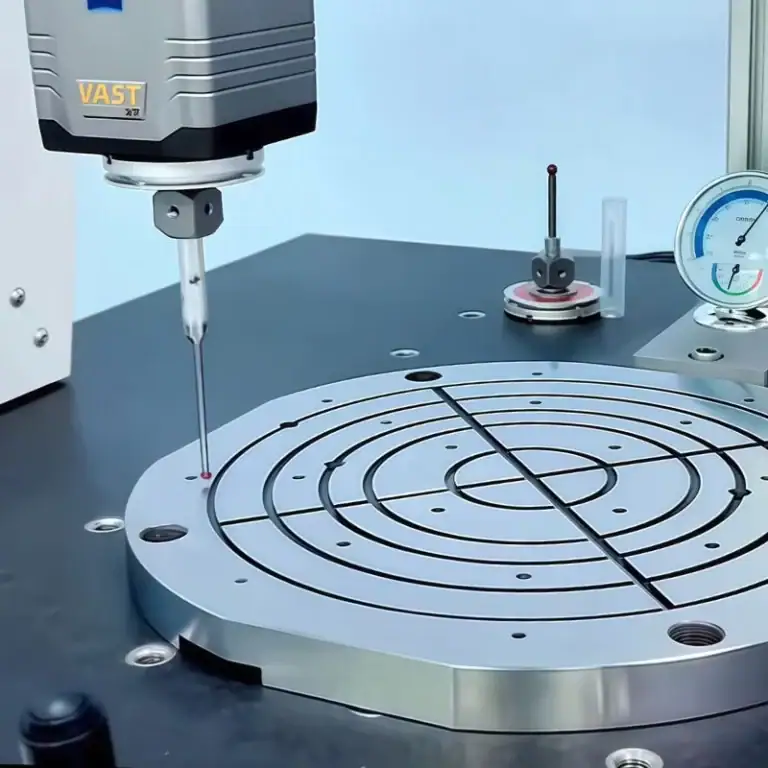
- Geometric accuracy inspection: Check concentricity, roundness, end-face runout, and position tolerances according to engineering drawings. Coordinate measuring machines may be required for demanding specifications.
- Gear and spline inspection: Use appropriate specialized gauges or gear measuring equipment to verify tooth profiles and mating conditions.
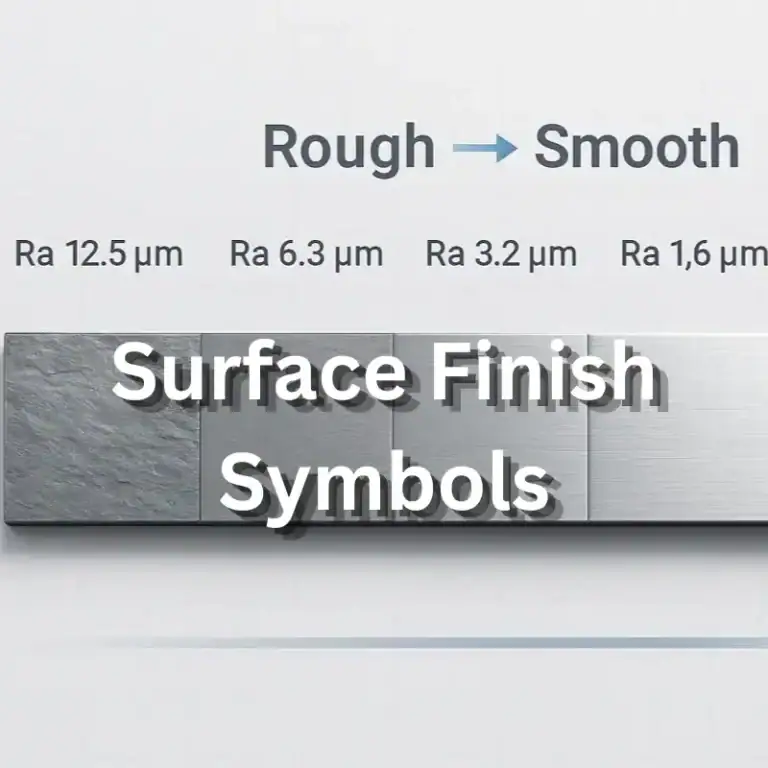
- Surface quality inspection: Check journals, gear surfaces, and mating bores for visible scratches, burrs, and machining defects. Measure surface roughness when specified.
- Assembly verification: Perform trial assembly of critical transmission components to check rotational movement, fit clearance, and connection reliability.
Inspection results should be documented to support production traceability and process control. For components manufactured repeatedly, manufacturers should also monitor tool wear, machine accuracy changes, and material batch variations, adjusting machining parameters when necessary.
Control of Wear Resistance, Structural Strength, and Operational Stability
Robot transmission components may experience cyclic torque, impact loads, and continuous friction during operation. Gear teeth require suitable contact strength and wear resistance. Transmission shafts must withstand torsional and bending loads, while bearing seats and reducer housings need sufficient structural stiffness. Inadequate material properties, improper heat treatment, or surface defects can affect long-term transmission stability.
Manufacturing processes should control material condition, machining allowances, and surface treatment quality according to design requirements. For shafts and gears requiring heat treatment, manufacturers must consider possible deformation and arrange grinding or precision finishing when necessary.
Bearing mounting bores and critical mating surfaces should be protected from surface damage and dimensional deviations that could affect assembly. Proper lubrication, installation, and maintenance during equipment operation also help extend the service life of transmission components.
CNC machining solutions for robot transmission components support the customized production of gear shafts, splined shafts, couplings, reducer housings, and bearing seats. Through appropriate material selection, machining process planning, critical fit control, and strict inspection, manufacturers can improve assembly accuracy and operational reliability. Actual machining solutions should be developed according to robot loads, transmission structures, operating speeds, drawing tolerances, and order quantities, providing reliable precision components for robot power transmission systems.