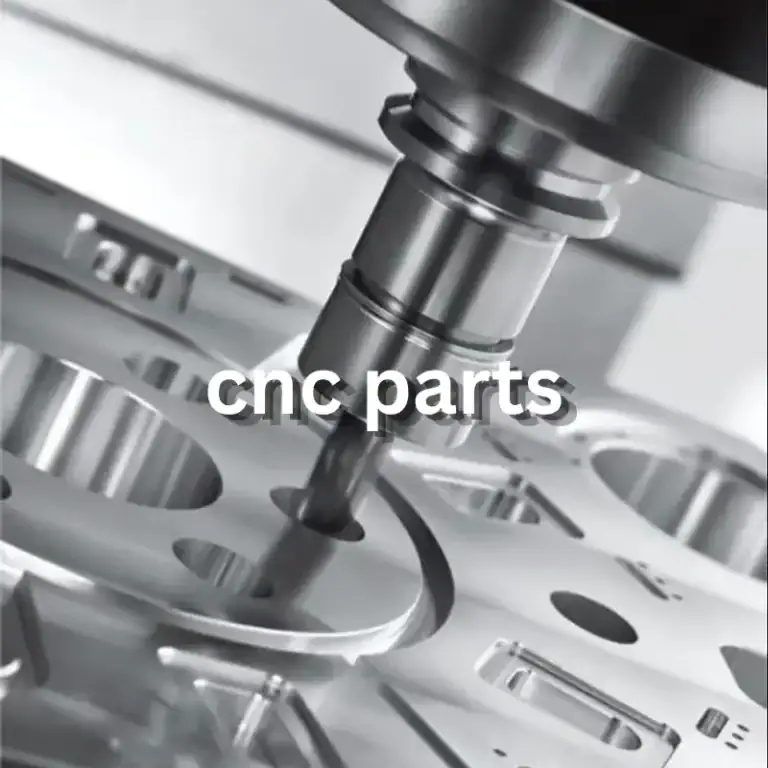
When semiconductor equipment goes down, the biggest headache is often not the large machine itself, but a small precision component that cannot be delivered on time. A slight dimensional deviation, an incorrectly positioned hole, or a surface burr can delay the entire assembly process. Semiconductor equipment parts often feature complex structures and demanding precision requirements, while many projects involve customized or low-volume production. Conventional machining methods can struggle to balance accuracy, efficiency, and lead time. With digital control and flexible manufacturing capabilities, CNC machining provides a reliable solution for producing precision components for semiconductor equipment.
Why Is CNC Machining for Semiconductor Equipment Parts So Challenging?
Semiconductor equipment components are not simply made by “cutting according to the drawing.” Many parts contain precision holes, thin-wall structures, complex cavities, and demanding mounting surfaces at the same time. Even a small machining deviation can create problems during later assembly. For purchasing teams, the real concern is whether parts can be manufactured consistently, rather than simply how advanced the machine tool is.
Controlling Precision Holes and Assembly Dimensions
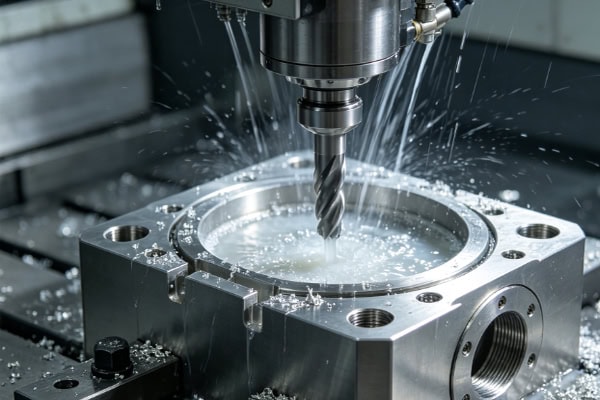
Components inside semiconductor equipment often need to work with guide rails, transmission components, support structures, or other modules. Hole spacing and mounting-surface flatness can directly affect assembly. If a critical dimension is out of tolerance, additional adjustment may be required on site, wasting time and increasing rework costs.
- Hole diameter, hole depth, and hole spacing must remain consistent.
- Precision mounting surfaces require control of both dimensions and positional relationships.
- Consistency must be maintained even for low-volume production.
The biggest advantage of CNC machining for these parts is that proven machining programs and process parameters can be reused. Once a machining route has been verified, it can reduce variations caused by manual operations and make repeat orders easier to manage.
Complex Structures Make Tool Paths More Difficult
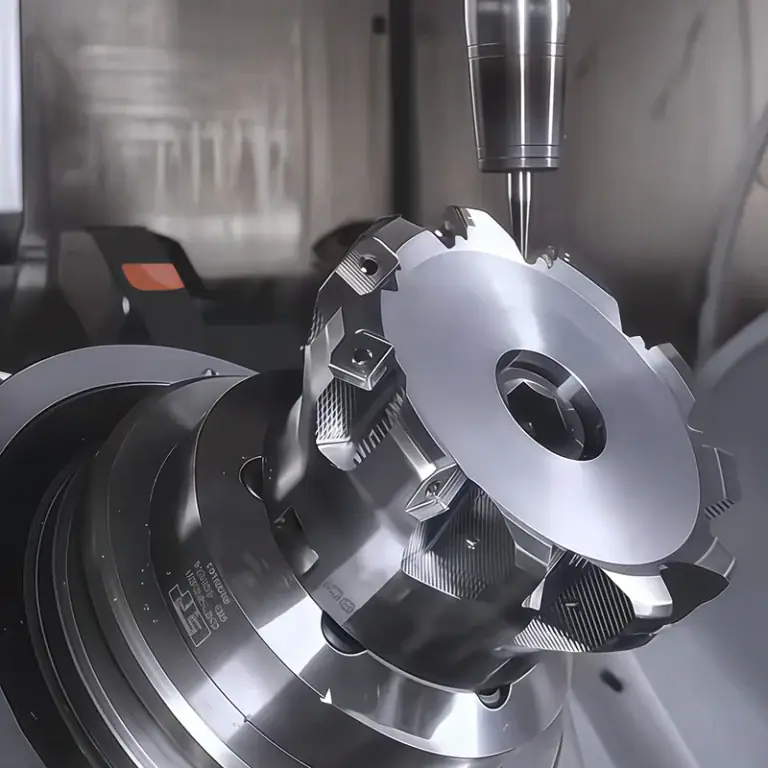
Some semiconductor equipment components may look relatively small from the outside, while containing deep slots, narrow cavities, irregular holes, and multiple machining surfaces. When tool access is limited, the process must prevent interference while controlling cutting loads, making process planning more demanding than for conventional parts.
- Tool overhang must be controlled in deep cavities to reduce machining vibration.
- Narrow areas require suitable tool diameters and carefully planned cutting paths.
- Multi-surface structures should minimize unnecessary repeated setups.
For this type of component, it is better to plan the tool path and fixturing strategy before machining begins rather than discovering after production starts that a tool simply cannot reach a critical area.
Low-Volume Custom Production Requires More Manufacturing Experience
Semiconductor equipment components are often required for R&D, equipment upgrades, and maintenance. Order quantities may not be large, but drawing requirements are usually demanding. Purchasing teams want prototypes quickly while also expecting dimensions to remain stable when repeat orders are placed.
CNC machining is highly flexible for low-volume production. Unlike traditional mass-forming processes, it does not require large investments in dedicated molds, and machining programs can be adjusted more easily when designs change. For equipment manufacturers, this flexibility can reduce manufacturing pressure during product development.
How Should a CNC Machining Solution for Semiconductor Equipment Be Designed?
A reliable machining solution is more than a simple list of equipment, materials, and tools. It should begin at the drawing stage by identifying potential manufacturing problems before production starts. This helps avoid unnecessary trial and error while making quotation, scheduling, and delivery planning more predictable.
Analyze Machining Challenges from the Drawings
After receiving a semiconductor equipment part drawing, dimensions, tolerances, materials, surface requirements, and critical assembly locations should be carefully reviewed. Particular attention should be given to deep holes, thin-wall areas, and precision mating regions so machining difficulties can be identified early.
- Mark critical dimensions and key tolerances.
- Analyze difficult areas such as thin walls and deep cavities.
- Confirm part datums and fixturing locations.
- Determine whether multi-axis CNC machining is required.
Detailed preliminary analysis makes production easier to control. It also allows purchasing teams to identify critical dimensions earlier and reduce unnecessary back-and-forth communication.
Coordinate Roughing, Semi-Finishing, and Finishing
Precision components should not be aggressively machined to final dimensions in a single step. Material removal can change internal stresses, and a poorly planned machining sequence may cause dimensional changes after finishing.
| Machining Stage | Main Task | Key Control |
| Roughing | Remove most of the material | Cutting load and deformation |
| Semi-finishing | Refine major contours and structures | Stock allowance and tool-path stability |
| Finishing | Complete critical dimensions and surfaces | Tolerances and surface quality |
| Inspection | Verify drawing requirements | Dimensions, position, and appearance |
Each stage has a specific purpose. Separating the processes reduces excessive loads on finishing tools and makes it easier to achieve precise control over critical dimensions.
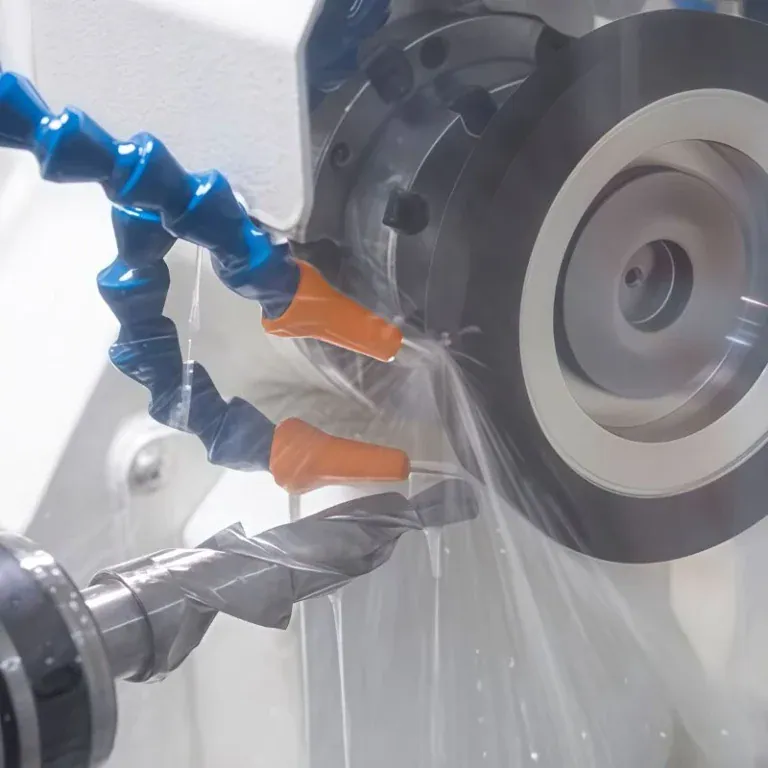
Tooling, Parameters, and Cooling Should Not Be Chosen Only for Speed
Semiconductor equipment components may use different metals and engineering plastics, each with its own machining characteristics. Tool selection cannot follow a “one tool fits all” approach. Experienced precision CNC machining teams know that aggressive parameters may improve apparent productivity, but dimensional stability, tool life, and surface quality may suffer.
- Select suitable tools based on material hardness and part structure.
- Control cutting parameters to reduce abnormal vibration and heat generation.
- Monitor tool wear to prevent gradual dimensional drift.
For high-precision components, process stability is more important than simply machining faster. Once proven parameters are established, repeat production becomes much easier to control.
How Should Semiconductor Equipment Parts Be Inspected After Machining?
Machining is only one stage of the production process. Before delivery, critical dimensions, positional accuracy, and surface condition still need to be checked individually. Purchasing teams want to avoid discovering problems during assembly, which makes inspection reports and quality records increasingly important.
Critical Dimensions Require Focused Inspection
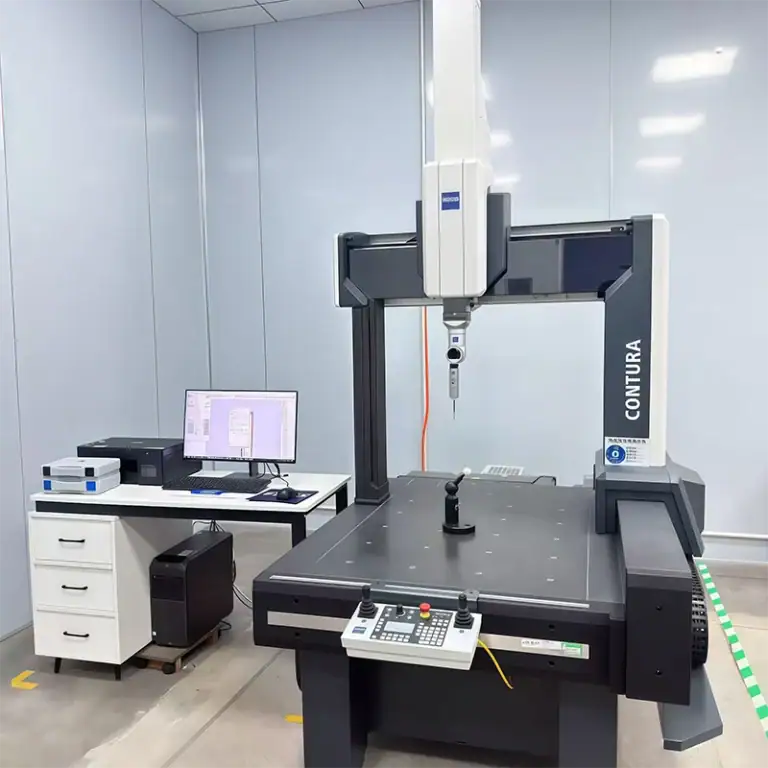
Standard dimensions can be measured according to the drawing, while critical mounting locations, holes, and mating dimensions should receive additional verification. For components with demanding precision requirements, professional equipment such as coordinate measuring machines can provide more comprehensive inspection data.
- Check critical hole diameters and positions.
- Verify mounting surfaces and important datum dimensions.
- Confirm critical geometric tolerances.
Inspection data is not only used to determine whether a part passes. It can also help machining teams identify dimensional trends. Addressing abnormalities early is much more cost-effective than discovering them after an entire batch has been completed.
Surface Condition and Cleaning Cannot Be Ignored
Semiconductor equipment can be sensitive to the surface condition of components. Machining burrs, cutting residue, and oil contamination may create problems during subsequent assembly. For precision components, a surface that looks clean does not necessarily mean it meets the actual application requirements.
| Inspection Item | Main Focus | Impact on Equipment |
| Dimensional Accuracy | Hole diameter, length, and position | Affects assembly fit |
| Surface Quality | Burrs, scratches, and roughness | Affects contact and performance |
| Cleanliness | Oil and machining residue | Reduces contamination risk |
| Packaging Protection | Dust and impact protection | Prevents transport damage |
Proper deburring, cleaning, and packaging after machining help maintain component quality from the workshop to the equipment site.
Batch Orders Put More Emphasis on Consistency
For semiconductor equipment components, first-article approval is only the beginning. What really matters for long-term cooperation is whether dozens, hundreds, or multiple production batches can maintain the same quality level.
CNC machining allows proven programs and process parameters to be retained. Combined with first-article approval, in-process sampling, and final inspection, this creates clear quality control checkpoints for batch production. For long-term supply projects, this consistency is often more valuable than a one-time low quotation.
What Should You Look for When Purchasing Semiconductor Equipment CNC Machining Services?
Price is certainly important, but semiconductor equipment components should not be evaluated by unit price alone. Machining accuracy, communication efficiency, inspection capabilities, lead time, and the stability of repeat orders all affect the real purchasing cost. A low quotation can become expensive if frequent rework is required after delivery.
Check Whether the Supplier Can Understand the Drawings
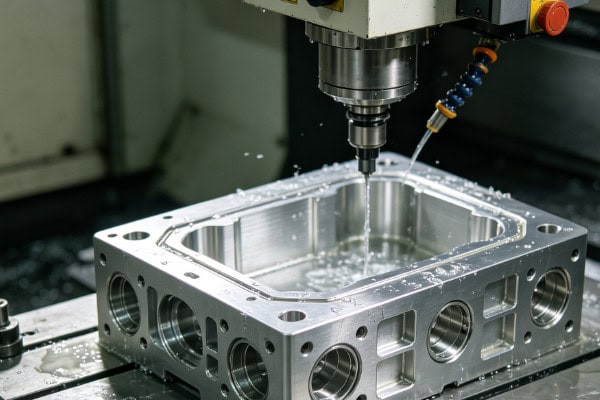
A capable machining supplier should not simply quote immediately after receiving a drawing. They should proactively identify structural features that may affect manufacturing. For parts with tight tolerances and complex structures, thorough communication at the beginning can significantly reduce production risks.
- Identify critical machining dimensions.
- Provide practical process recommendations.
- Communicate material, tolerance, and surface requirements clearly.
Good communication is especially important for customized CNC machining because it can reduce repeated modifications caused by misunderstandings.
Check Whether Equipment and Inspection Capabilities Match the Project
Having a large number of machines does not necessarily mean a supplier is suitable for semiconductor components. Purchasing teams should focus on actual capabilities, including precision milling, multi-axis machining, small-hole processing, and critical dimensional inspection, and confirm whether these capabilities meet the project’s requirements.
Check Whether Lead Times and Long-Term Supply Are Stable
Semiconductor equipment projects often have clear R&D milestones and assembly schedules. A component arriving even a few days late can affect subsequent production plans. A reliable supplier should have effective production scheduling capabilities and maintain stable machining conditions when repeat orders are placed.
The real challenge of CNC machining for semiconductor equipment is not simply machine accuracy. It is whether drawing analysis, process planning, tool control, dimensional inspection, and delivery management can work together smoothly. For purchasing teams, choosing a supplier means looking beyond whether a part can be manufactured and considering whether first articles, batch production, and repeat orders can maintain consistent quality. Tirapid specializes in CNC machining services, providing customized manufacturing support for semiconductor equipment components from process analysis through precision production.