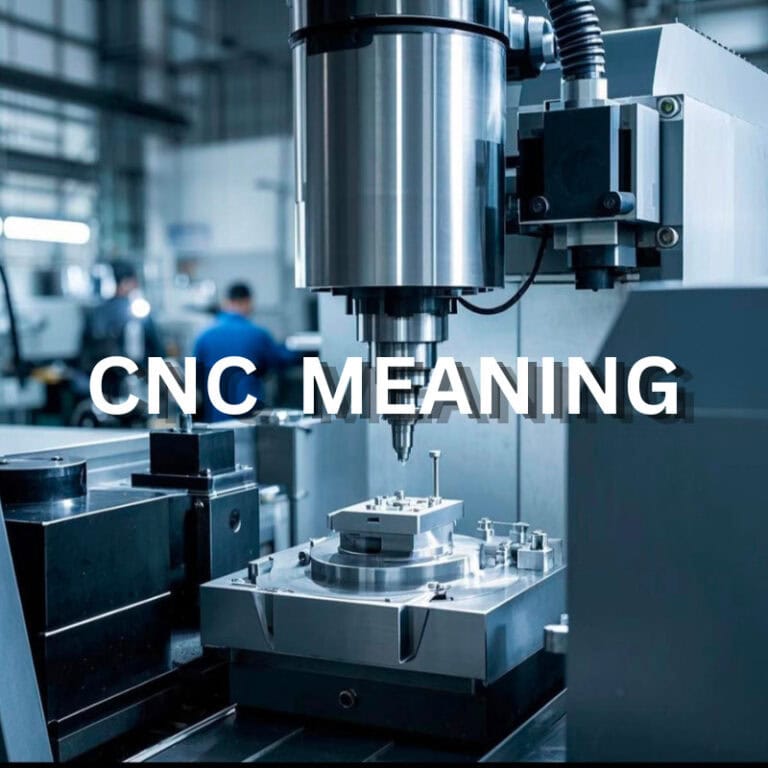
The real challenge in an industrial valve is often hidden where you cannot see it. Internal flow passages need to be smooth, valve cores and seats must fit properly, and threaded connections need accurate dimensions. A small machining error in any of these areas can create problems during assembly or operation. Industrial equipment used in petrochemical plants, energy systems, water treatment, and fluid control also places high demands on valve components because they must withstand pressure, friction, and long-term service. With stable dimensional control, flexible programming, and support for customized production, CNC machining has become an important solution for manufacturing industrial valve parts.
What Makes Industrial Valve Parts Difficult to CNC Machine?
Industrial valve parts are not finished simply because their external dimensions are correct. During actual operation, fluid continuously passes through internal passages while valve components repeatedly open, close, or move against each other. A small machining issue can later appear during assembly, pressure testing, or operation.
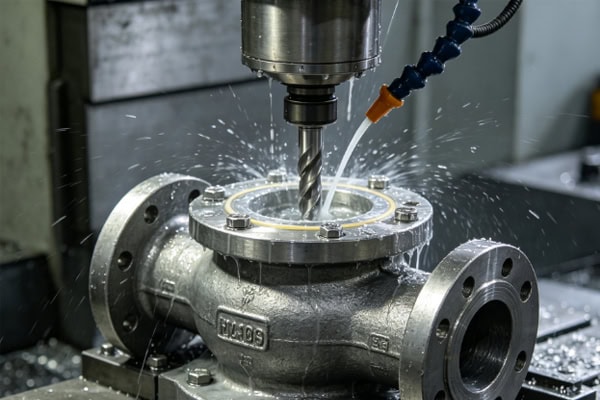
Internal Flow Passages Can Be Difficult to Machine
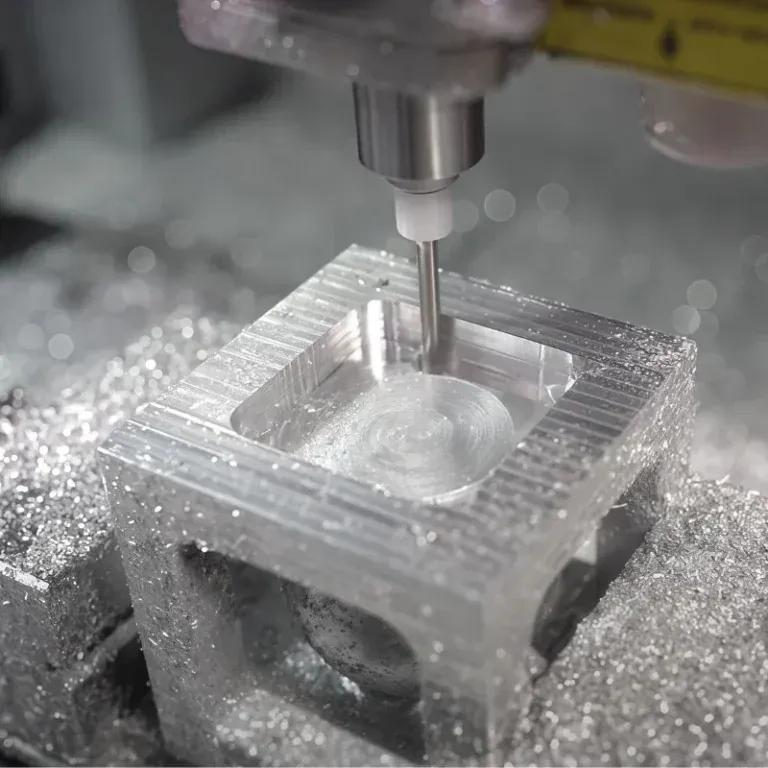
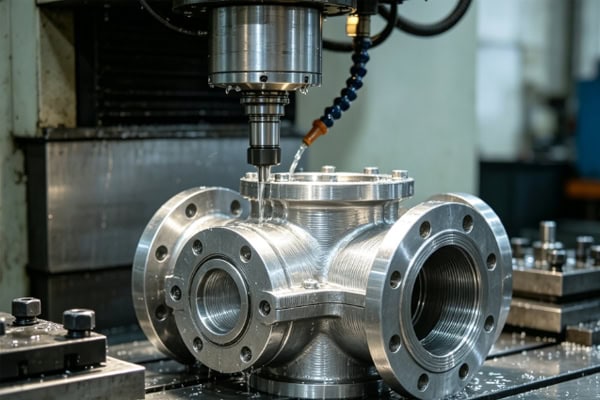
Valve bodies often contain straight holes, stepped bores, intersecting holes, and complex internal passages. Some areas are difficult for cutting tools to reach directly. Machining must maintain dimensional accuracy while also managing chip evacuation, tool reach, and machining sequence.
- Deep-hole dimensions need to remain stable without significant deviation.
- Intersecting holes must maintain accurate positional relationships.
- Internal passages should have minimal burrs and machining residue.
For these structures, engineers can plan tool entry paths in advance to make the machining process smoother and reduce unnecessary adjustments.
Valve Cores and Seats Require Precise Fit
Valve cores and valve seats are critical mating components. Their dimensional relationship directly affects valve movement and sealing performance. Excessive interference can make operation difficult, while excessive clearance may increase the risk of leakage.
Machining needs to control outside diameter, inside diameter, roundness, and contact surfaces. During finishing, production speed should not be the only priority. Stable dimensions and surface conditions are equally important.
Threads and Connection Interfaces Must Be Accurate
Industrial valves often connect with pipelines, actuators, and other equipment. Threads, flange holes, and mounting surfaces are all important machining features.
| Machining Location | Typical Parts | Main Requirements |
| Internal flow passage | Valve body | Bore size, depth, passage quality |
| Sealing area | Valve core, valve seat | Mating dimensions, surface condition |
| Threaded interface | Valve body, valve stem | Thread accuracy, complete profile |
| Flange connection | Valve body, cover | Hole position, flatness, mounting dimensions |
How Should an Industrial Valve Part CNC Machining Solution Be Designed?
A practical manufacturing solution starts when the drawing is received, not when the machine starts cutting. Valve components often have compact structures and several related machining features. Reviewing datums, tool paths, machining sequences, and inspection points in advance can make production much smoother.
Determine the Machining Route from the Valve Structure
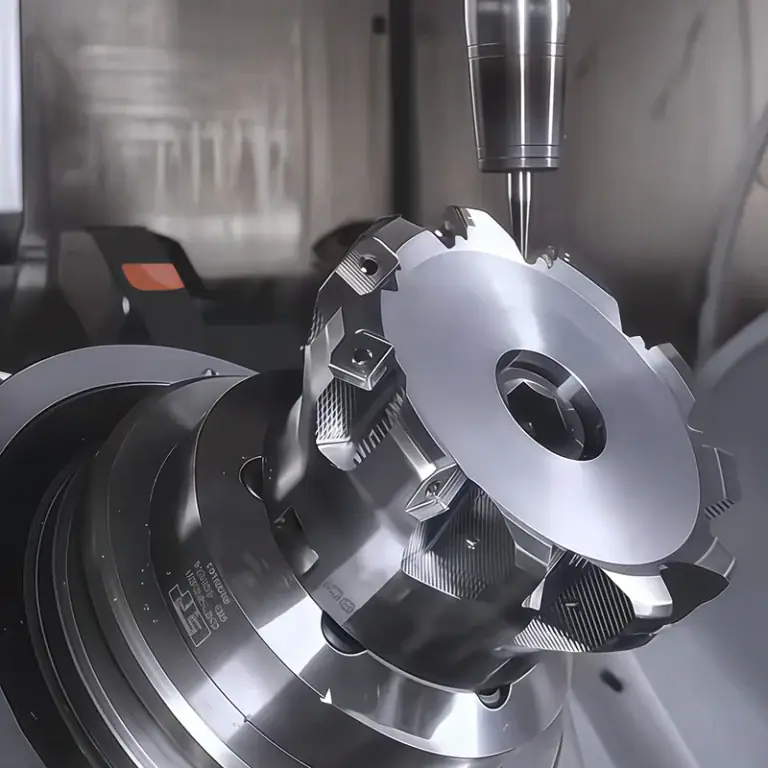
Different components require different manufacturing methods. Valve bodies usually require more attention to flow passages and mounting surfaces, while valve stems contain more turning-related features. Valve cores may require both rotational machining and precision mating surfaces.
- Valve bodies focus on internal passages, flange faces, and mounting holes.
- Valve stems require control of diameter, threads, and concentricity.
- Valve cores focus on profile dimensions and mating areas.
- Small connection components can be efficiently produced through CNC machining.
Separating these critical features early makes it easier to plan the machining sequence and identify the most important inspection points.
Separate Roughing and Finishing Operations
Valve bodies and cores may require significant material removal during the early stage. Trying to achieve final dimensions too quickly can increase cutting loads and affect later accuracy. A more controlled sequence allows critical areas to be finished under more stable conditions.
Roughing removes most of the excess material, while finishing handles sealing surfaces, bores, and mating features. For higher-precision parts, an appropriate amount of stock can be left for the final operation to complete critical dimensions.
Select Tools and Parameters for the Actual Application
Industrial valves are made from various materials, including stainless steel, alloy steel, aluminum alloys, and engineering plastics. Their cutting characteristics can differ significantly.
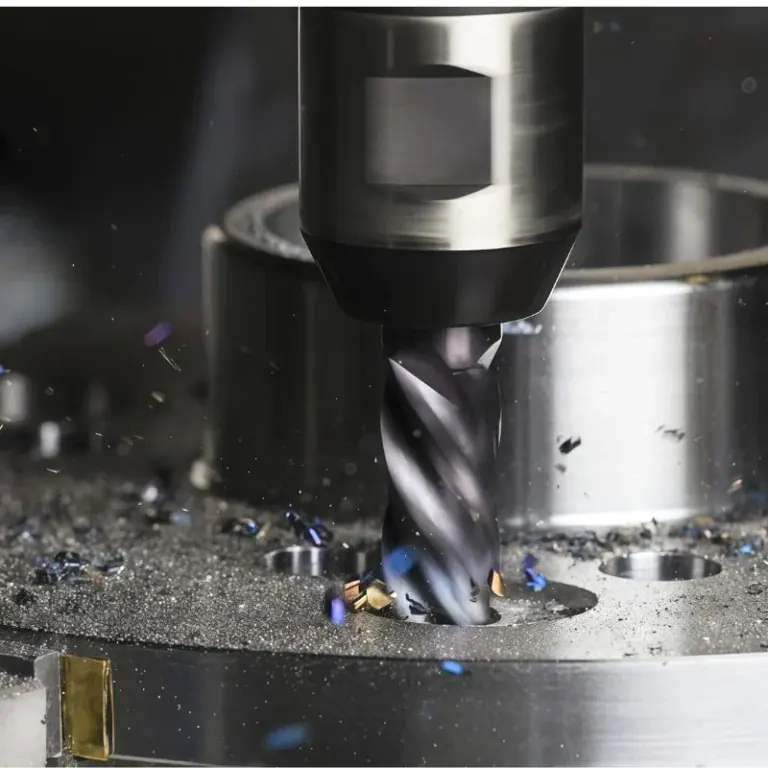
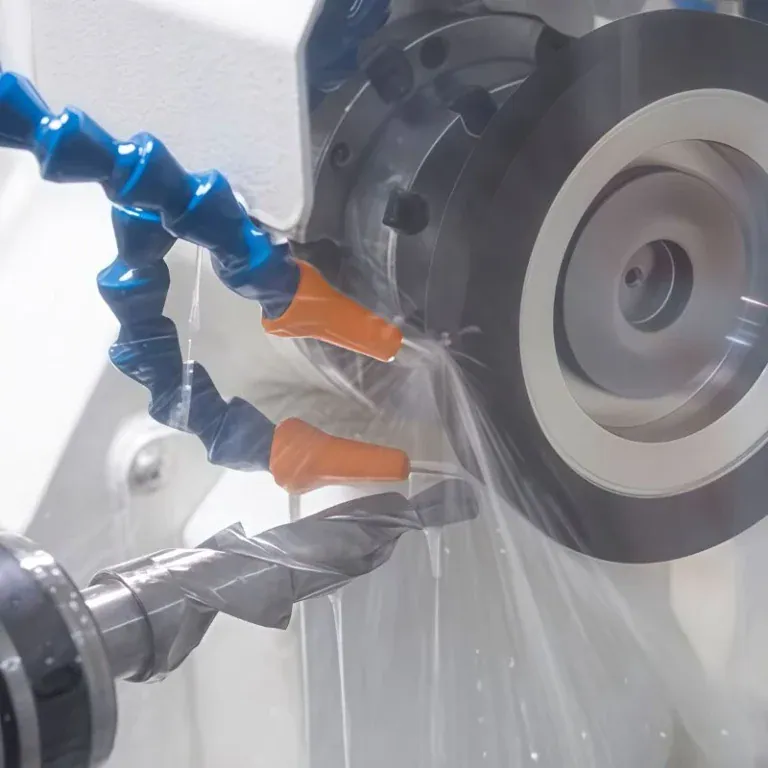
During production, tool wear, cutting heat, and chip evacuation need to be monitored. For deep holes and narrow grooves, tool overhang should also be controlled to reduce vibration and protect dimensional and surface quality.
Which Industrial Valve Parts Are Suitable for CNC Machining?
Industrial valves include ball valves, butterfly valves, globe valves, control valves, and many other types. Their internal structures can vary considerably. CNC machining is particularly useful for custom specifications, prototype development, and small- to medium-volume production because machining programs can be adjusted efficiently.
Valve Bodies Are a Major Machining Focus
Valve bodies handle fluid flow and provide mounting locations for internal components. They are often among the most structurally complex valve parts.
- Internal passages require accurate dimensions.
- Flanges and mounting holes must meet assembly requirements.
- Sealing areas need stable surface conditions.
For special valve body designs, CNC machining can convert 3D models into machining programs, reducing the need for dedicated tooling and making customized production more flexible.
Valve Stems Are Well Suited to Precision Turning
Although valve stems may look relatively simple, they can contain external diameters, steps, threads, and connection features. The dimensional relationship between these areas directly affects assembly.
Precision turning can produce the main dimensions before finishing critical areas. During batch production, tool condition should be monitored continuously to prevent dimensional changes as tool wear increases.
Valve Cores and Seats Depend Heavily on Mating Accuracy
Valve cores and seats remain in contact or relative motion during operation and therefore require good dimensional and surface control. If the contact area is inconsistent, wear may increase after extended service.
| Part | Main Function | CNC Machining Focus |
| Valve body | Fluid passage and component mounting | Flow passages, holes, sealing surfaces |
| Valve stem | Controls opening and closing | Diameter, threads, concentricity |
| Valve core | Controls fluid flow | Profile, dimensions, mating surfaces |
| Valve seat | Provides mating and sealing | Contact surface, roundness, surface quality |
How Can CNC-Machined Valve Parts Be Checked Before Delivery?
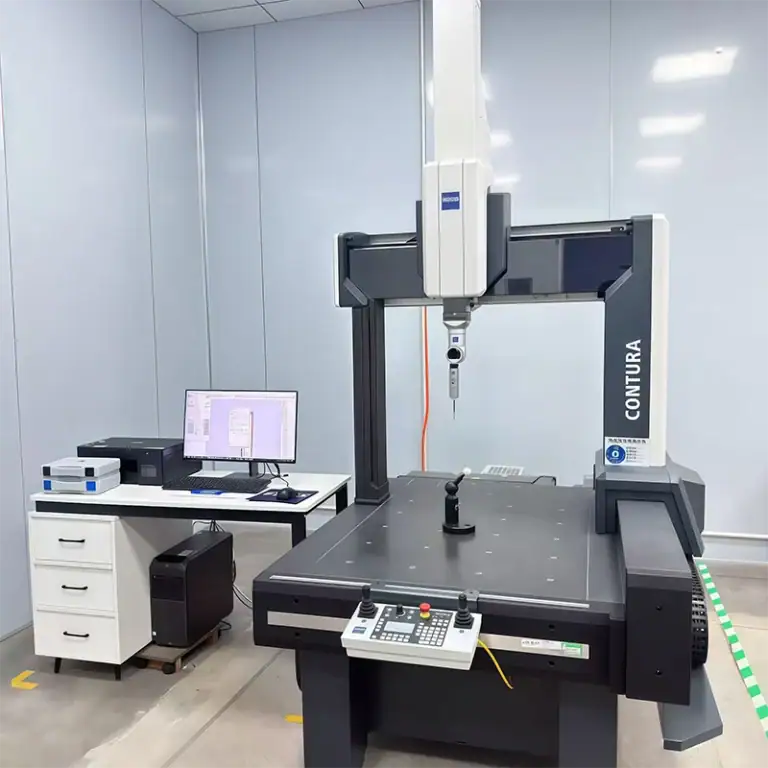
Machining is not the final step for industrial valve components. Before delivery, dimensional verification, visual inspection, and, where required, functional checks should be completed. For purchasing teams, the real concern is whether the components can be installed, matched, and used properly after arriving at the production site.
Critical Dimensions Need Individual Verification
Different valve designs require different inspection priorities. Basic length and diameter measurements alone may not be enough. Bore sizes, threads, sealing surfaces, and mounting positions can all affect final assembly.
- Critical bore dimensions should be accurately measured.
- Thread dimensions and profiles need verification.
- Sealing contact areas should be checked for surface defects.
Surface Treatment and Cleaning Should Not Be Overlooked
Machined valve components may contain small chips, oil residue, and burrs after production. If these contaminants enter equipment, they may interfere with valve movement or contaminate internal flow passages.
Deburring, cleaning, and drying are important before delivery. For industrial equipment with stricter cleanliness requirements, packaging should also be planned to reduce contamination and impact damage during transportation.
Trial Assembly and Quality Records Add Practical Value
For complex components with demanding mating requirements, trial assembly can help identify issues with threads, hole positions, or contact surfaces before shipment.
Production records such as dimensional inspection results, material information, and batch numbers can also be retained. This makes repeat orders easier to control and helps trace problems quickly if an issue occurs.
Industrial valve part CNC machining is more than a standard metal-cutting process. Internal flow passages, valve cores and seats, threaded interfaces, and sealing areas all have a direct impact on assembly and operating performance. For industrial equipment manufacturers, a reliable solution needs to balance dimensional accuracy, material characteristics, production efficiency, and delivery requirements. TIRAPID specializes in CNC machining services, providing precision custom manufacturing support for industrial valve parts across different materials, structures, and tolerance requirements.