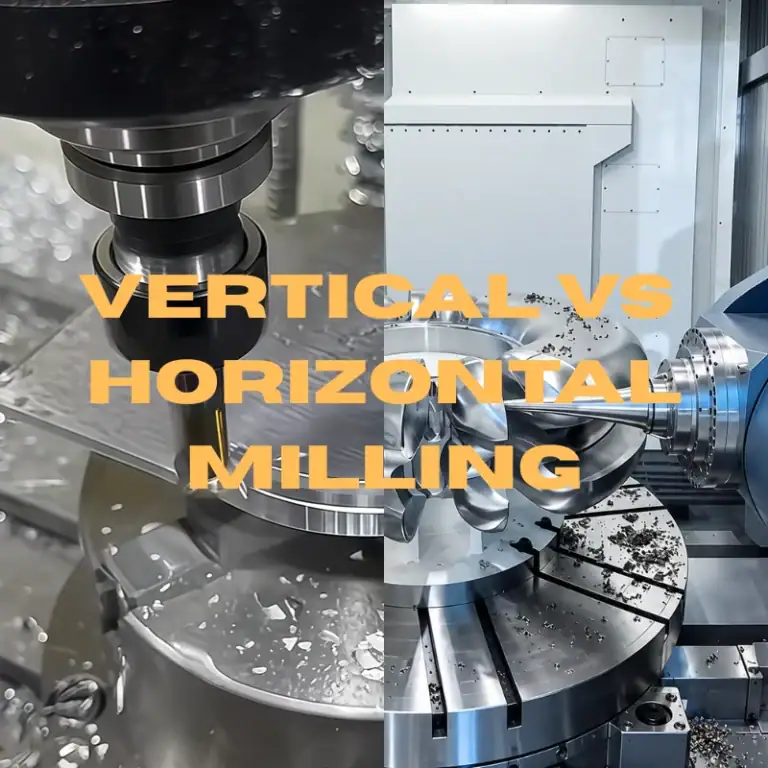
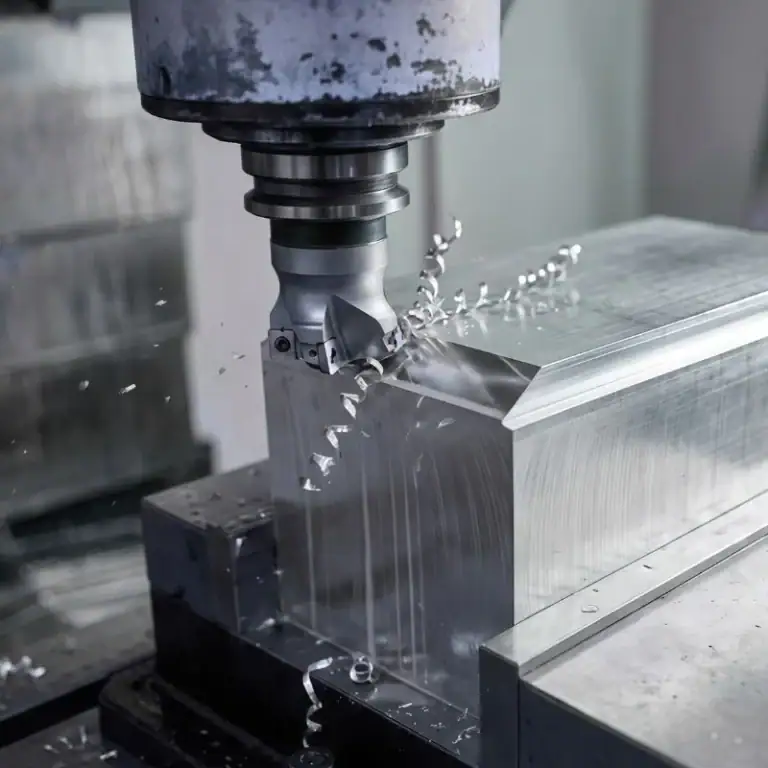
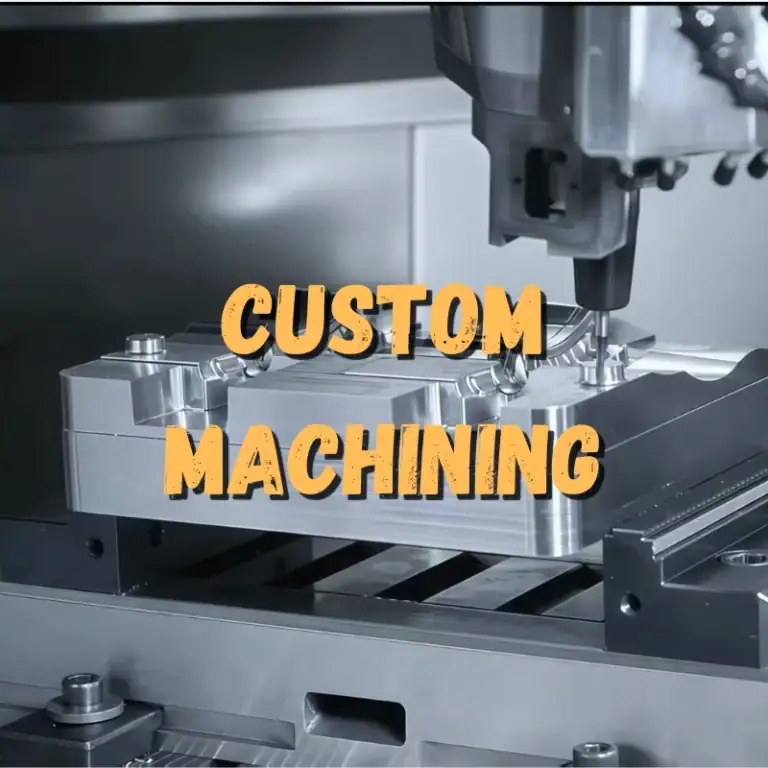
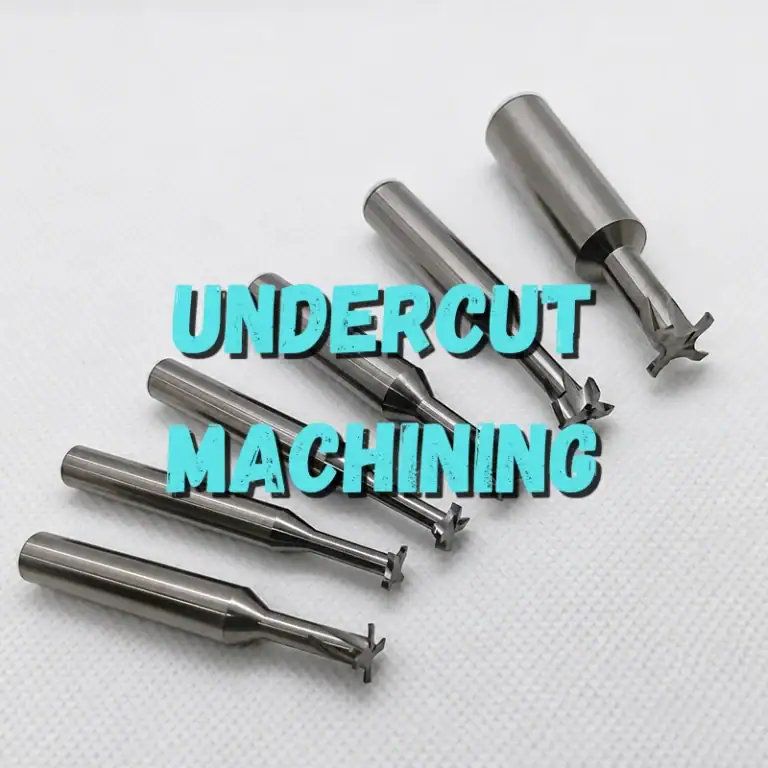
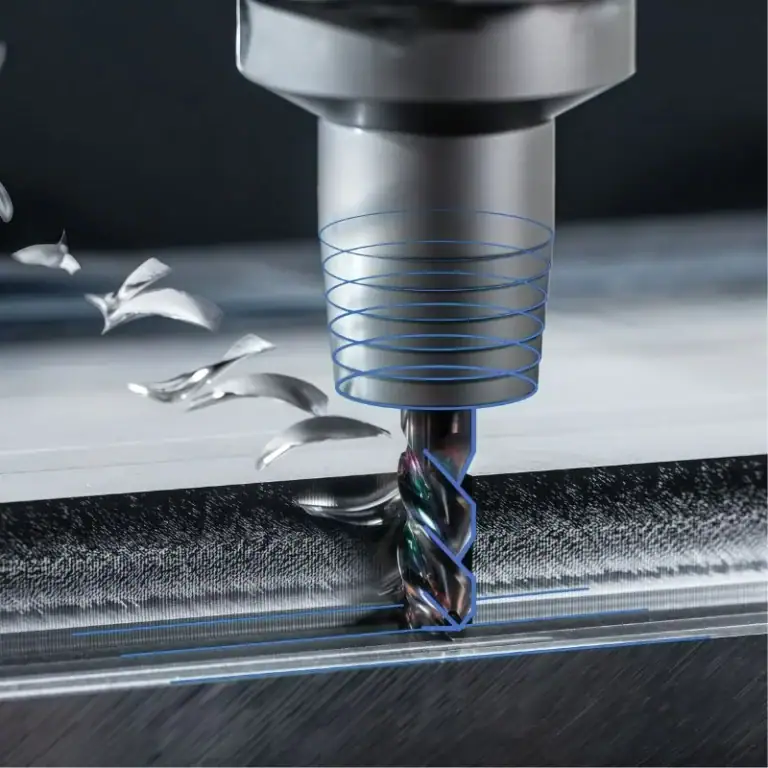
When upgrading or modifying industrial equipment, a common challenge is that existing parts cannot be replaced directly, and standard components may not fit the original structure. In these cases, custom-shaped parts must be designed and manufactured to match the equipment. Such components may feature off-center holes, irregular openings, special slots, or complex profiles. Although the drawings may look relatively simple, machining can become challenging due to tool access, fixturing positions, and local dimensional requirements. Poor process planning can increase machining time and cause installation problems later. For custom-shaped industrial equipment parts, CNC machining offers the flexibility to manufacture non-standard geometries from drawings while optimizing the production process to meet actual application requirements.
How to Choose CNC Machining Processes for Custom Industrial Equipment Parts?
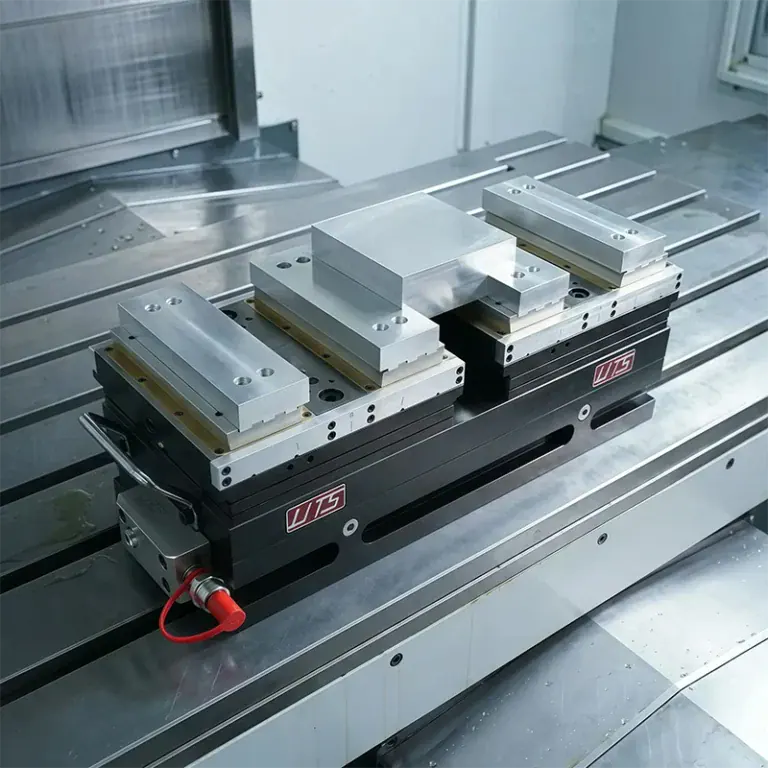
A more complex shape does not always mean a more difficult machining process. The real challenges often involve whether the part can be securely fixtured, whether the cutting tool can reach the required areas, and whether different features have strict dimensional relationships. Identifying these factors before production helps reduce trial cuts and last-minute process changes.
Which CNC Machining Methods Are Suitable for Irregularly Shaped Parts?
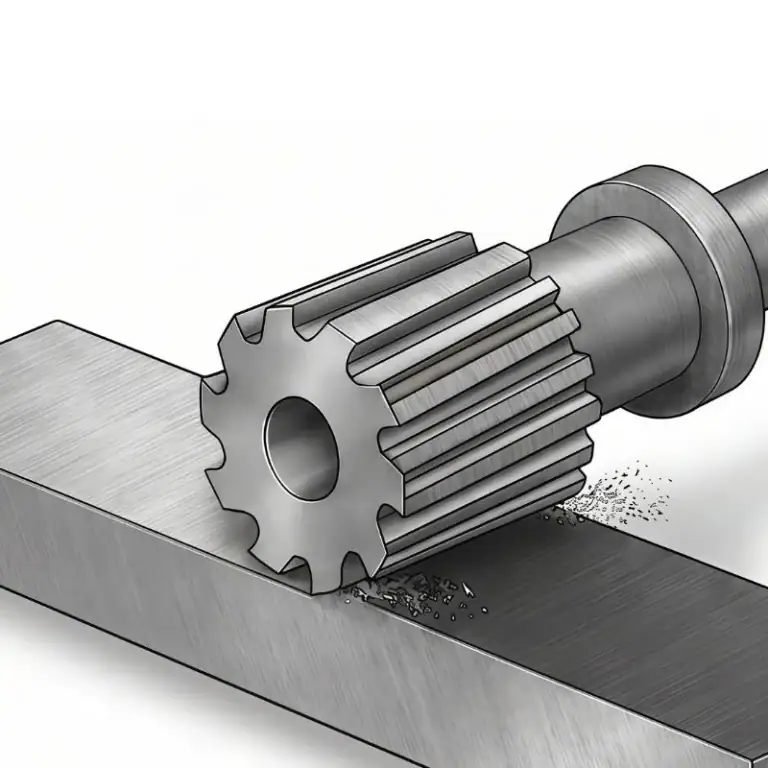
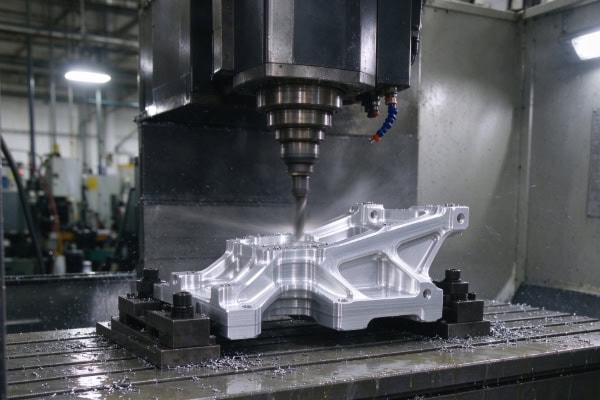
Parts with angled edges, curved surfaces, eccentric features, or asymmetrical profiles require toolpaths tailored to their actual geometry. Different structures call for different machining methods, so standard programs designed for simple rectangular parts may not be suitable.
- Parts with multiple flat surfaces and steps: Plan the milling sequence carefully to reduce repeated setups and maintain dimensional relationships between different heights.
- Parts with curved surfaces or special profiles: Select suitable tool diameters and cutting paths to prevent overcutting or visible tool marks at transitions.
- Components with eccentric or angled holes: Define the hole axes, installation datums, and positional requirements before machining to prevent misalignment between the holes and the outer profile.
- Parts with narrow slots or deep cavities: Check tool access and chip evacuation in advance to avoid tool interference and chip buildup.
Planning the part by individual machining features often provides better control than trying to complete every feature in a single operation. Critical mating surfaces may also require dedicated finishing operations to prevent earlier cutting processes from affecting the final dimensions.
How Should Multi-Operation CNC Machining Be Planned for Custom Parts?
Some non-standard components require machining on multiple faces, with holes, slots, and profiles produced from different directions. Poor process sequencing can lead to repeated setups and additional positioning errors. Before production, the primary datums should be established and the machining sequence for each face carefully arranged to maintain consistent relationships between critical dimensions.
How to Choose Materials for Custom-Shaped Industrial Equipment Parts
Material selection affects part weight, strength, corrosion resistance, and machining difficulty. Not every custom-shaped component used in industrial equipment requires high-strength metal. Some applications prioritize lightweight construction, while others need to withstand continuous loads or exposure to demanding environments. Choosing a suitable material helps improve both machining efficiency and long-term performance.
CNC Machining for Custom Aluminum Parts
Aluminum alloys are lightweight and generally offer good machinability, making them suitable for equipment brackets, mounting blocks, and lightweight structural components. However, thin-walled aluminum parts may deform during clamping or cutting, while burrs and surface quality require attention during finishing.
- Suitable components: Lightweight brackets, equipment mounting bases, and custom connection blocks.
- Key machining considerations: Control clamping force to prevent thin-walled sections from deforming under pressure.
- Surface finishing: If anodizing or other treatments are required, confirm the final dimensional requirements in advance.
Machining Custom Stainless Steel and Carbon Steel Parts
The most expensive material is not necessarily the best choice. The key is to meet the component’s actual operating requirements. The following table provides an initial comparison, although final selection should always reflect the design specifications and working environment.
| Material Type | Common Applications | Key CNC Machining Considerations |
| Aluminum alloy | Lightweight brackets, mounting bases, connection blocks | Thin-wall deformation, burrs, surface finishing |
| Stainless steel | Corrosion-resistant connectors, equipment structural parts | Tool wear, cutting heat, chip evacuation |
| Carbon steel | Load-bearing brackets, mechanical connectors | Cutting parameters, burr removal, corrosion protection |
| Engineering plastics | Insulating components, chemical-resistant parts | Thermal deformation, clamping force, dimensional stability |
After selecting the material, confirm the operating environment, surface treatment, and tolerance requirements. Clarifying these details early helps prevent material mismatches and reduces the need for additional processing after machining.
How to Reduce Rework When Custom CNC Machining Industrial Equipment Parts?
Custom components are often manufactured to fit specific equipment dimensions. Even a small drawing revision can affect toolpaths, fixture design, and machining sequences. Rather than discovering installation problems after production, it is more efficient to confirm critical details before machining begins.
What Information Is Needed Before Prototyping Custom Industrial Parts?
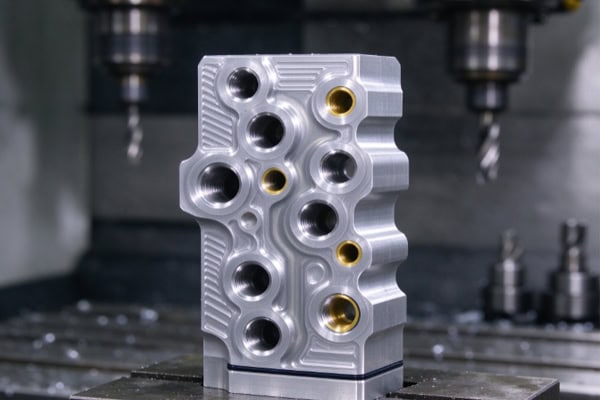
Complete part drawings: Include overall dimensions, hole positions, critical tolerances, and features that require special attention.
- Material and surface requirements: Specify the material grade, surface roughness, and whether anodizing, passivation, or other treatments are needed.
- Installation and mating details: Provide mating dimensions and installation datums for features that connect to other components, reducing discrepancies between individual parts and the actual assembly.
- Prototype quantity and future production needs: Clarify whether the project involves a single prototype, a small batch, or recurring production.
More complete technical information makes process planning more reliable. If the drawings are still being revised, confirm the critical features and assembly dimensions before proceeding with further machining. This helps reduce time lost to repeated modifications.
How to Control Critical Dimensions During CNC Machining?
Not every feature on a custom-shaped part requires the same inspection method. Inspection efforts should focus on the features that directly affect installation and function.
- Check the dimensions and positions of mounting holes, locating holes, and special hole features.
- Measure critical flat surfaces, step heights, and profile dimensions to verify compliance with the drawings.
- Recheck thin-walled components after unclamping to identify deformation that may not be apparent while the part is held in the fixture.
- Inspect edges for burrs, machining scratches, and localized surface defects.
- Keep records of critical dimensions for repeat production to support comparisons between batches.
When dimensional deviations occur, investigate tool condition, fixturing methods, and machining programs before deciding whether process adjustments are necessary. Addressing issues promptly is more efficient than repairing an entire batch after production is complete.
How to Balance Lead Time and Batch Consistency in CNC Machining Custom Industrial Parts?
Custom-shaped parts often cannot be produced using an existing standard program. Some designs may also require dedicated fixtures or adjustments to toolpaths. A well-planned production process reduces waiting time and repeated setup work, helping prototypes, design revisions, and subsequent manufacturing run more smoothly.
How Do Custom-Shaped Parts Move from Prototyping to Batch Production?
- Drawing evaluation: Confirm the geometry, material, tolerances, and critical mating features.
- Prototype machining: Manufacture the initial part using the approved drawing and inspect key dimensions.
- Assembly verification: Check installation positions and mating conditions to identify any structural changes that may be needed.
- Process optimization: Adjust machining programs, fixtures, or operation sequences based on prototype results.
- Batch production: Continue using the validated process while monitoring critical dimensions to reduce variation between batches.
Practical Benefits of CNC Machining for Custom Industrial Equipment Parts
| Production Requirement | CNC Machining Benefits | Typical Applications |
| Custom non-standard geometries | Produces special profiles, holes, and slots directly from drawings | Specialized equipment modifications, custom machinery |
| Complex hole and slot machining | Handles hole positions and localized features in different directions | Connection blocks, precision mounting components |
| Flexible material selection | Allows machining processes to be adjusted to material properties | Aluminum, steel, and engineering plastic components |
| Rapid prototype validation | Provides parts for assembly testing and design revisions | New equipment development, replacement components |
| Repeat-order production | Reuses validated programs and machining processes | Small-batch and ongoing production |
The challenge in machining custom industrial equipment parts is not simply producing an unusual shape. The material, machining process, and installation dimensions must all work together. With effective process planning, targeted dimensional inspection, and a smooth transition from prototyping to batch production, rework can be reduced and non-standard components can be made to fit equipment structures and operating requirements more reliably. TIRAPID provides CNC machining services for custom-shaped industrial equipment parts, supporting drawing-based customization, prototype development, and batch manufacturing according to specified tolerances and material requirements.