An alloy is a material made by combining a base metal with one or more additional elements to achieve a specific set of properties. These added elements can be metals or non-metals. Steel, brass, bronze, aluminum alloys, stainless steel, and titanium alloys are familiar examples used throughout modern engineering and manufacturing.
This guide explains what an alloy is, why alloys are made, how alloying changes a metal’s structure and properties, and the main types of engineering alloys. It also covers how alloy composition and heat treatment affect CNC machining, material selection, dimensional stability, and final part performance.
What Is an Alloy?
An alloy is a metallic material in which a primary metal, often called the base metal or matrix, is combined with controlled amounts of other elements. These additions are selected to modify properties such as strength, hardness, corrosion resistance, ductility, machinability, or temperature performance. The added elements do not always have to be metals, carbon in steel is a well-known example of a non-metallic alloying element.
Some simple examples make the idea easier to understand. Steel is primarily iron combined with carbon. Brass is based on copper and zinc, while traditional bronze is primarily copper and tin. Engineering aluminum alloys combine aluminum with elements such as magnesium, silicon, copper, zinc, or manganese.
The important point is that alloying creates a new material system with properties different from those of the base metal alone. Engineers can therefore adjust composition and processing to produce materials for specific mechanical, environmental, and manufacturing requirements.
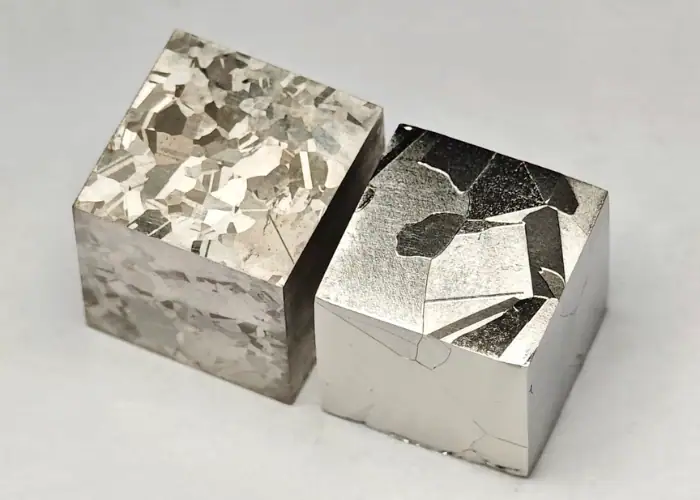
Alloy Vs Pure Metal
A pure metal consists predominantly of one metallic element, while an alloy contains a base metal plus one or more deliberately added elements. Pure metals can provide excellent conductivity, ductility, or corrosion behavior, but they may not provide enough strength or wear resistance for demanding components.
| Feature | Pure Metal | Alloy |
| Composition | Primarily one element | Base metal plus added elements |
| Strength | Often relatively low | Can be significantly increased |
| Hardness | Often lower | Can be adjusted through alloying |
| Conductivity | Often higher | Frequently reduced by alloying |
| Corrosion Resistance | Depends on the metal | Can be improved or reduced |
| Engineering Properties | More limited adjustment | Highly tunable |
Alloying should not be understood as improving every property at once. For example, increasing strength can reduce ductility, while alloy additions can reduce the electrical conductivity of a highly conductive pure metal. Material engineering is therefore a process of balancing competing requirements.
Why Are Alloys Made?
Pure metals often cannot provide the complete combination of mechanical, chemical, thermal, and manufacturing properties required for industrial components. Alloying gives material engineers a way to adjust these characteristics for a particular application.
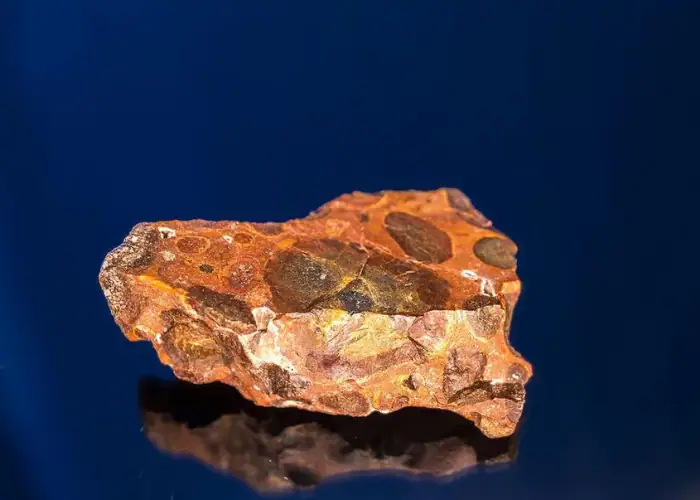
Increase Strength And Hardness
One of the most important reasons for alloying is to increase strength and hardness. When atoms of different sizes are introduced into a metallic crystal structure, they can disturb the regular lattice and make it more difficult for atomic planes to move under load.
Steel illustrates this principle clearly. Small carbon atoms occupy spaces within the iron lattice and restrict movement, producing a material that can be much stronger and harder than relatively pure iron. Similar strengthening principles are used throughout aluminum, nickel, titanium, and copper alloy systems.
The required strength level still depends on composition, microstructure, heat treatment, and processing history. Two alloys with the same base metal can therefore perform very differently.
Improve Corrosion And Temperature Resistance
Alloying can also improve resistance to aggressive environments. Chromium-containing stainless steels are a familiar example because chromium helps form a protective oxide layer at the surface. Nickel-based alloys can also be engineered for applications where high temperatures and corrosive environments occur together.
However, corrosion resistance is not automatically improved by every alloying addition. Some high-strength compositions can be more sensitive to particular forms of corrosion than the base metal. The alloy grade, heat treatment, environment, and surface treatment must therefore be evaluated together.
Adjust Machinability, Formability, And Other Properties
Alloying may also change ductility, formability, wear resistance, electrical conductivity, thermal behavior, and machining characteristics. Certain additions can make a material easier to cut, while others increase hardness or toughness and place greater demands on cutting tools.
This is why engineers rarely select a material based on only one property. Higher strength may be valuable, but it may come with lower conductivity, more difficult machining, reduced formability, or higher material cost.
How Are Alloys Made?
The most common way to make an alloy is to melt a base metal, introduce the required alloying elements, control their proportions, and allow the mixture to solidify. Industrial processes carefully control composition and cooling because the resulting crystal structure influences final material properties.
Melting And Mixing
In conventional alloy production, the base metal is heated until molten. Other elements are then added in controlled quantities and distributed through the melt.
After the desired chemistry is achieved, the alloy is cooled and solidified into forms such as ingots, billets, bars, or other feedstock. These materials may later undergo rolling, forging, extrusion, heat treatment, or machining.
Different melting methods provide different levels of composition and contamination control. Industrial options include air melting, induction melting, arc melting, and vacuum melting, depending on the material and performance requirements.
Powder Metallurgy And Other Alloying Methods
Not every alloy is most effectively produced from a liquid melt. Powder metallurgy can combine powders in controlled proportions, compact them into shape, and bond them through sintering.
Mechanical alloying is another approach in which powders are repeatedly mixed and deformed to produce alloying in the solid state. Such methods can be useful where conventional melting is difficult because of large differences in melting points or other material limitations.
The appropriate route depends on the elements involved, contamination limits, production scale, required microstructure, and final application.
What Are The Main Types Of Alloys?
At the atomic level, alloys are commonly explained as substitutional or interstitial systems. Some engineering alloys contain features of both.
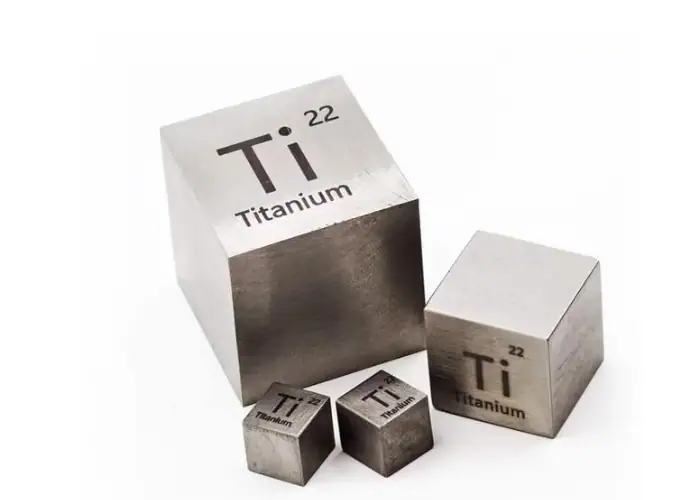
Substitutional Alloys
In a substitutional alloy, atoms of the alloying element replace some atoms of the base metal within the crystal lattice.
This is most likely when the atoms involved have reasonably compatible sizes and structures. Brass and bronze are familiar examples: zinc can substitute for copper atoms in brass, while tin can occupy substitutional positions in copper-based bronze.
These substitutions distort the lattice and can restrict slip, helping change strength, hardness, and other mechanical properties.
Interstitial Alloys
Interstitial alloys form when relatively small atoms occupy spaces between larger atoms in the base-metal lattice.
Steel is the classic example. Carbon atoms are small enough to occupy interstitial sites between iron atoms. Their presence interferes with the movement of the iron lattice and can substantially increase strength and hardness.
The amount of alloying element and subsequent heat treatment determine how strongly these structural changes influence final performance.
Substitutional And Interstitial Alloys
Many engineering alloys are more complex than either idealized category.
Stainless steel, for example, can contain substitutional elements such as chromium and nickel while carbon occupies interstitial positions. The combined chemistry and microstructure give engineers much greater control over properties than would be possible with pure iron.
What Are Common Alloying Elements?
The effect of an alloy depends not only on the base metal but also on which elements are added and in what quantities.
Carbon, Chromium, And Nickel
Carbon is one of the most important alloying elements in iron-based materials. Controlled carbon content has a major effect on steel strength, hardness, and heat-treatment response.
Chromium is widely used in stainless steels because sufficient chromium content improves oxidation and corrosion resistance. Nickel is also important in many stainless steels and high-performance alloys, where it can contribute to toughness and corrosion or temperature performance.
The same element may have different effects in different material systems, so an alloying element should never be evaluated independently from the base metal and overall composition.
Copper, Magnesium, Silicon, And Zinc
These elements are particularly important in aluminum alloys.
Copper is a major alloying element in many 2000-series aluminum grades. Magnesium and silicon are important in 6000-series alloys such as 6061, while zinc and magnesium are central to many high-strength 7000-series alloys such as 7075. Aluminum alloys can achieve much greater strength than pure aluminum while retaining relatively low density.
This is why the word “aluminum” alone is often insufficient on an engineering drawing. The specific alloy and material condition determine the performance of the finished part.
What Are The Main Properties Of Alloys?
An alloy is not defined by one universal property. Different compositions are developed to solve different engineering problems.
Mechanical Properties
Engineers commonly evaluate tensile strength, yield strength, hardness, toughness, ductility, fatigue behavior, and wear resistance when selecting an alloy.
Strength and hardness often increase through alloying because lattice distortion makes deformation more difficult. However, higher strength can also reduce ductility or formability.
The correct balance depends on how the component is loaded and how it must be manufactured.
Physical And Thermal Properties
Density, electrical conductivity, thermal conductivity, thermal expansion, and melting behavior can also be critical.
Pure copper, for example, provides excellent electrical conductivity, but alloying it to improve strength can reduce conductivity. Similar trade-offs occur in many material systems.
For precision parts exposed to temperature changes, thermal expansion may be just as important as tensile strength.
Corrosion And Environmental Performance
Corrosion behavior depends on composition, microstructure, surface condition, environment, and stress.
Some alloys, such as suitable stainless steels, are designed specifically for corrosion resistance. Others prioritize strength and may require coatings, anodizing, passivation, plating, or another form of protection.
For service in salt, chemicals, elevated temperatures, or sustained loads, material selection should therefore consider the entire operating environment rather than relying on a generic description such as “corrosion-resistant alloy.”
What Are Common Types Of Engineering Alloys?
Modern manufacturing uses many alloy families because no single material provides the best combination of strength, weight, corrosion resistance, cost, and manufacturability.
| Alloy Family | Base Metal | Common Examples | Typical Focus |
| Steel Alloys | Iron | Carbon steel, alloy steel | Strength and versatility |
| Stainless Steel | Iron | 304, 316, 17-4 PH | Corrosion resistance and strength |
| Aluminum Alloys | Aluminum | 6061, 2024, 7075 | Lightweight engineering |
| Copper Alloys | Copper | Brass, bronze | Conductivity and corrosion resistance |
| Titanium Alloys | Titanium | Ti-6Al-4V | High strength-to-weight ratio |
| Nickel Alloys | Nickel | Inconel 625, 718 | Heat and corrosion resistance |
Steel And Stainless Steel Alloys
Steel is one of the most important industrial alloy families. Iron and carbon form the base system, while other elements can be added to adjust strength, hardenability, toughness, corrosion resistance, or temperature performance.
Stainless steels use chromium as a key alloying element and may also contain nickel, molybdenum, and other elements. Different grades are selected for food equipment, medical components, industrial machinery, chemical service, and precision manufacturing.
Aluminum Alloys
Aluminum alloys combine low density with a broad range of mechanical and manufacturing properties.
6061 is widely used for general-purpose machined components because of its practical balance of strength and manufacturability. Higher-strength alloys such as 2024 and 7075 are used when mechanical requirements justify their additional performance. Aluminum alloys are common in transportation, aerospace, machinery, electronics, and other engineered products.
For CNC parts, the exact alloy and temper are more useful specifications than simply calling for “aluminum.”
Copper, Titanium, And Nickel Alloys
Copper alloys such as brass and bronze provide useful combinations of corrosion resistance, conductivity, strength, and machinability. Titanium alloys are valued when low weight, strength, and corrosion resistance must be combined.
Nickel alloys are particularly important in environments involving high temperature or aggressive corrosion, including demanding industrial and aerospace systems.
These capabilities often come with higher material and machining costs, making application-specific selection essential.
Advantages And Limitations Of Alloys
The central advantage of alloying is flexibility. Engineers can change material chemistry and processing to obtain combinations of properties that are difficult to achieve in a pure metal.
Advantages Of Alloys
Depending on the material system, alloying can provide higher strength, hardness, wear resistance, corrosion resistance, temperature capability, or improved manufacturing performance. It also allows designers to select a material for a specific application instead of accepting the fixed properties of a pure metal.
This adaptability is why alloys dominate structural and mechanical manufacturing.
Limitations Of Alloys
Alloying also introduces trade-offs.
Improved strength may reduce ductility. Electrical conductivity may fall. Some high-performance alloys are harder to weld or machine, and complex compositions can increase material cost and recycling difficulty. Certain alloy systems may also remain vulnerable to specific corrosion mechanisms.
For engineering components, the best alloy is therefore not simply the material with the highest strength or most alloying elements. It is the material whose overall properties match the design and manufacturing requirements.
How Are Alloys Used In CNC Machining?
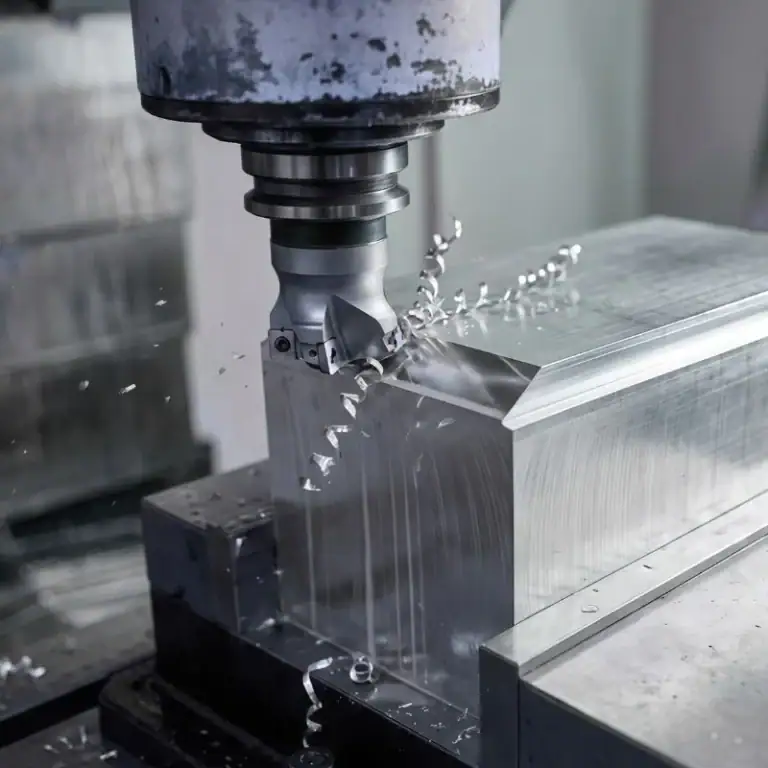
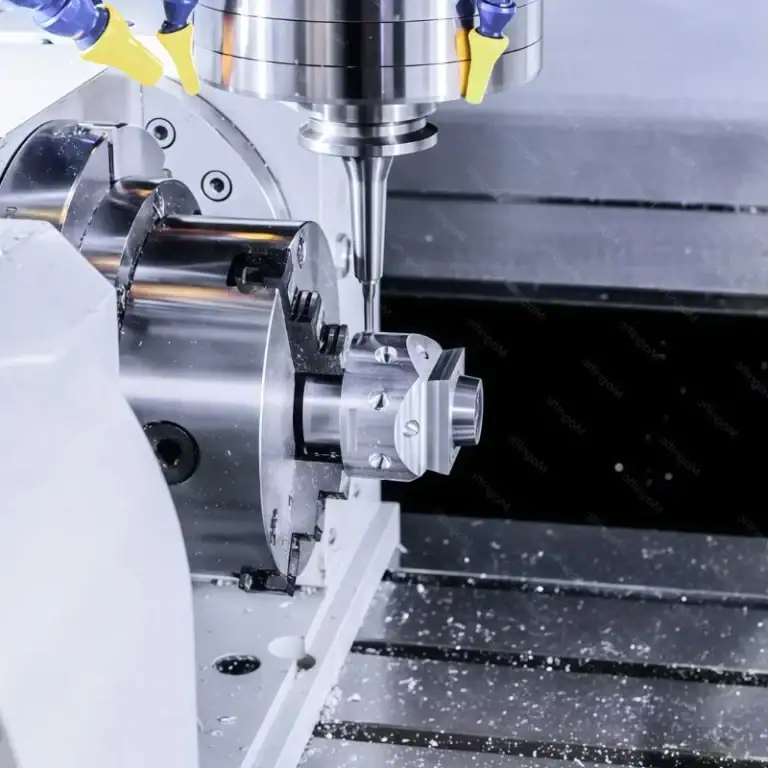
Alloys are central to CNC machining because most precision metal parts are not made from chemically pure metals. Composition, heat treatment, hardness, and product form all influence how reliably a component can be machined.
How Alloy Composition Affects Machinability
Different alloys create different cutting conditions.
A relatively machinable aluminum alloy can allow high cutting speeds and efficient chip removal, while a high-strength stainless steel, titanium alloy, or nickel alloy can create greater cutting forces, heat, and tool wear.
Even within one metal family, machining behavior varies. 6061 and 7075 are both aluminum alloys, but their hardness, strength, and material condition can lead to different cutting responses.
For manufacturing planning, machinability should therefore be considered together with geometry, tolerance, production volume, and surface requirements.
Heat Treatment And Material Condition
An alloy designation alone may not fully define the material.
Specifications such as 6061-T6, 7075-T651, or 17-4 PH H900 include information about heat treatment or material condition because these processes can significantly alter strength, hardness, residual stress, and machining behavior.
For precision CNC parts, defining the correct condition before manufacturing helps avoid material substitutions that may satisfy the alloy name but fail to deliver the required mechanical or dimensional performance.
Tolerance, Surface Finish, And Distortion
Material choice can also influence dimensional stability.
Thin walls, deep pockets, large material-removal ratios, and tight flatness requirements may expose residual stress in the stock. Removing material can redistribute these stresses and cause the part to move during or after machining.
A stable process therefore considers material condition, roughing sequence, workholding, finishing allowance, tool condition, inspection, and any post-machining surface treatment.
Material selection and machining strategy should be treated as one engineering decision rather than two separate tasks.
Where Are Alloys Used?
Alloys are used throughout transportation, construction, electronics, medical devices, industrial manufacturing, aerospace, and many other sectors because their properties can be tailored to specific service conditions.
| Industry | Typical Alloy Requirements |
| Automotive | Strength, weight reduction, wear resistance |
| Industrial Equipment | Durability, machinability, stiffness |
| Medical | Corrosion resistance, precision, material compatibility |
| Aerospace | Strength-to-weight ratio, fatigue and temperature performance |
| Automation | Dimensional stability and machinability |
| Electronics | Conductivity and thermal management |
| Robotics | Lightweight strength and precision |
| Consumer Products | Appearance, durability, and cost |
| Aerospace & Defense | High strength and environmental resistance |
| Powersports | Lightweight strength and fatigue performance |
| Oil & Gas | Corrosion, pressure, and temperature resistance |
The industry name alone does not determine the alloy. Two parts in the same machine may require completely different materials because their loads, operating temperatures, corrosion exposure, tolerances, or manufacturing methods differ.
How To Choose The Right Alloy For A CNC Part
Selecting an alloy for CNC machining requires more than comparing material datasheets. The alloy must satisfy the part’s mechanical requirements while also supporting a practical manufacturing process.
Match The Alloy To Mechanical Loads
Start by identifying what the component actually experiences.
Static load, repeated loading, impact, wear, stiffness, and weight requirements may lead to different material choices. A very high-strength alloy can be unnecessary for a lightly loaded housing, while a structural fitting may require substantially higher yield strength.
The objective is to use enough material performance without adding unnecessary cost or manufacturing difficulty.
Consider Environment And Surface Treatment
Operating conditions are equally important.
Moisture, salt, chemicals, elevated temperature, galvanic contact, and repeated cleaning can affect alloy selection. Anodizing may be appropriate for some aluminum parts, while stainless steels may require passivation and other materials may use plating or protective coatings.
Surface finishing should be considered before machining is complete because coatings can influence dimensions, fits, threads, appearance, and inspection requirements.
Balance Machinability, Cost, And Availability
The lowest raw-material price does not always produce the lowest finished-part cost.
A material that causes high tool wear, slower cutting, additional setups, heat treatment, distortion control, or extensive inspection may cost more to manufacture even if the stock itself is inexpensive.
Availability also matters. Standard material sizes and common conditions can support shorter lead times, while unusual alloys, special tempers, or certified aerospace material may require longer procurement cycles.
For CNC production, the best alloy is the one that meets the engineering requirements while allowing the part to be manufactured consistently, inspected reliably, and supplied at an acceptable total cost.
FAQs
what is alloy steel
Alloy steel is steel that contains additional elements such as chromium, nickel, molybdenum, or manganese to improve properties like strength, hardness, wear resistance, or corrosion resistance. Different compositions and heat treatments produce alloy steels for different engineering and CNC machining applications.
are alloys compounds or mixtures
Alloys are generally considered mixtures, not chemical compounds. Their elements are combined physically within a metallic structure rather than bonded in one fixed chemical ratio. The exact composition can therefore vary within a specified range while still maintaining the required material properties.
how are alloys manufactured
Alloys are commonly manufactured by melting a base metal, adding controlled amounts of alloying elements, mixing them thoroughly, and then cooling the material to solidify. Some alloys are also produced through powder metallurgy or mechanical alloying. Further heat treatment can be used to adjust strength, hardness, and other properties.
Conclusion
An alloy combines a base metal with one or more additional elements to create a targeted balance of strength, hardness, corrosion resistance, temperature performance, conductivity, and manufacturability. Alloying can greatly improve the usefulness of a metal, but every improvement involves trade-offs. For practical engineering, material selection should consider alloy chemistry, heat treatment, loads, environment, geometry, machining behavior, and final cost together.
At TiRapid, we provide precision CNC machining and manufacturing services for aluminum alloys, stainless steels, titanium alloys, and other engineering metals. We evaluate material grade, heat treatment, geometry, tolerances, machining strategy, dimensional stability, inspection, and finishing requirements to support reliable prototypes and low-volume production.