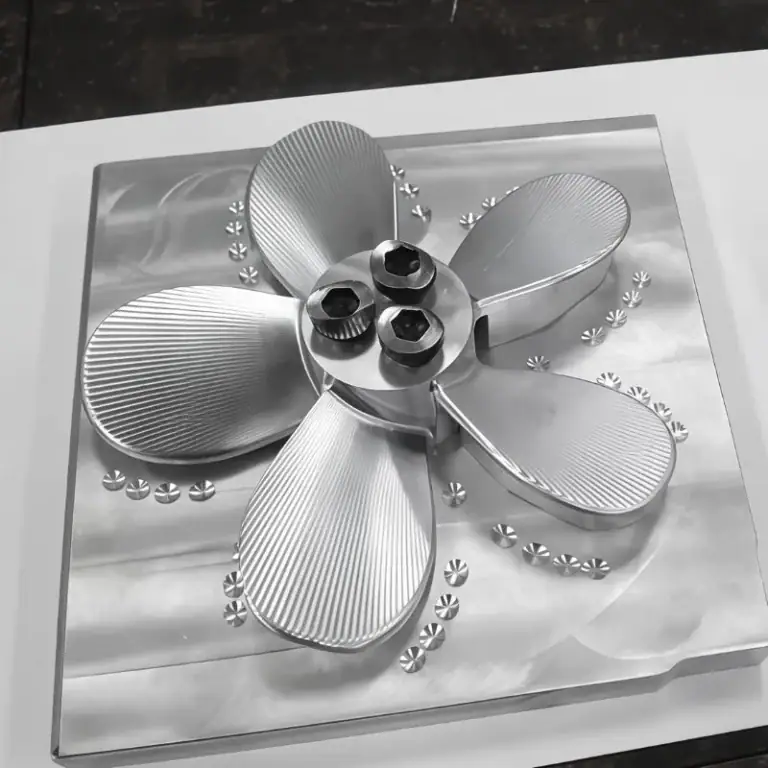
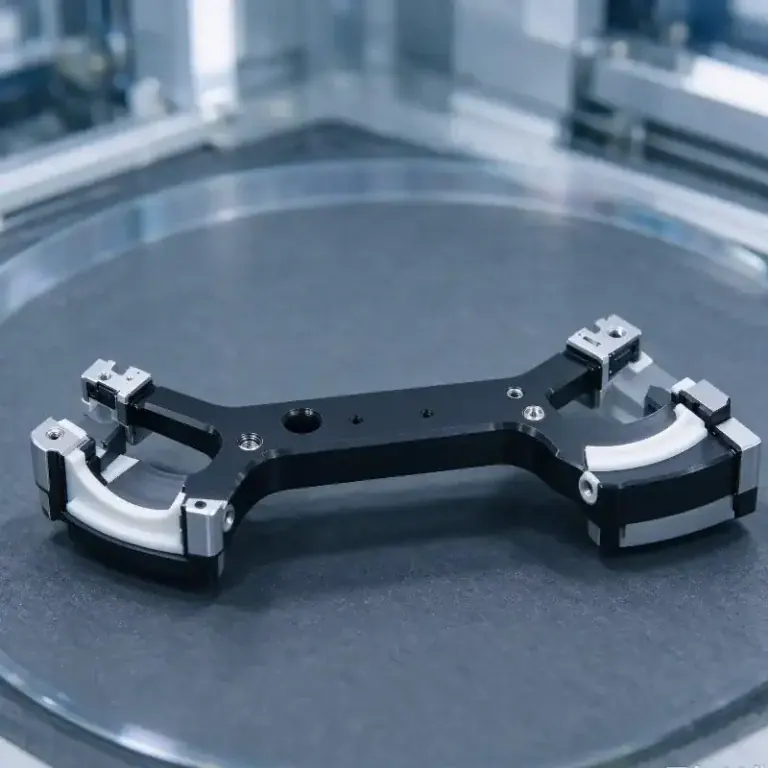
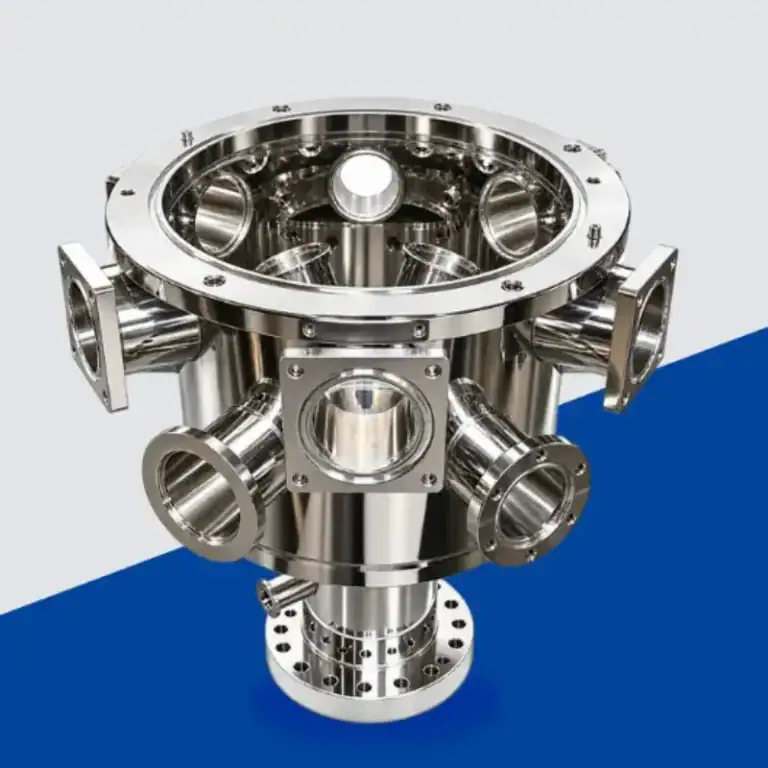
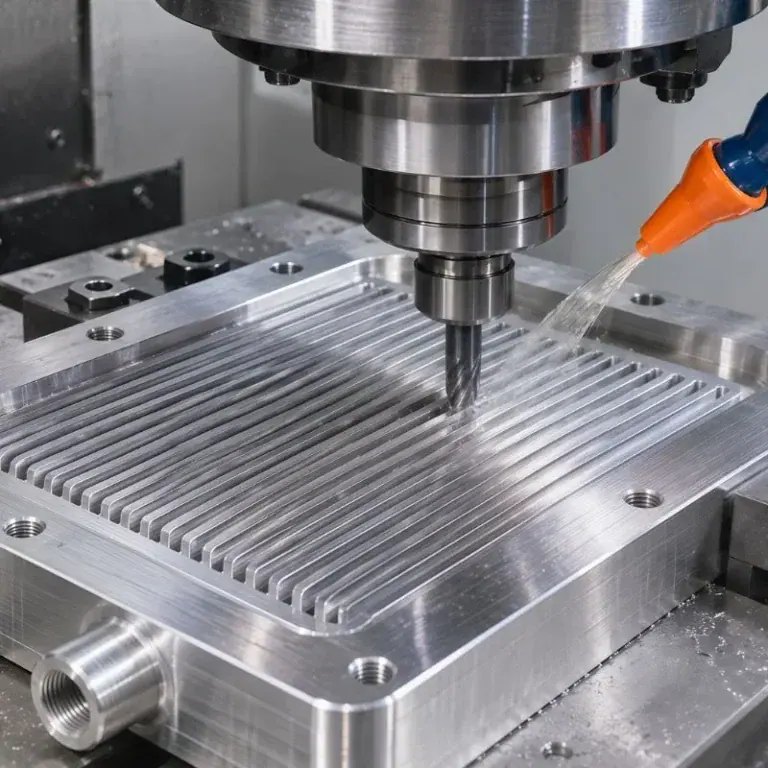
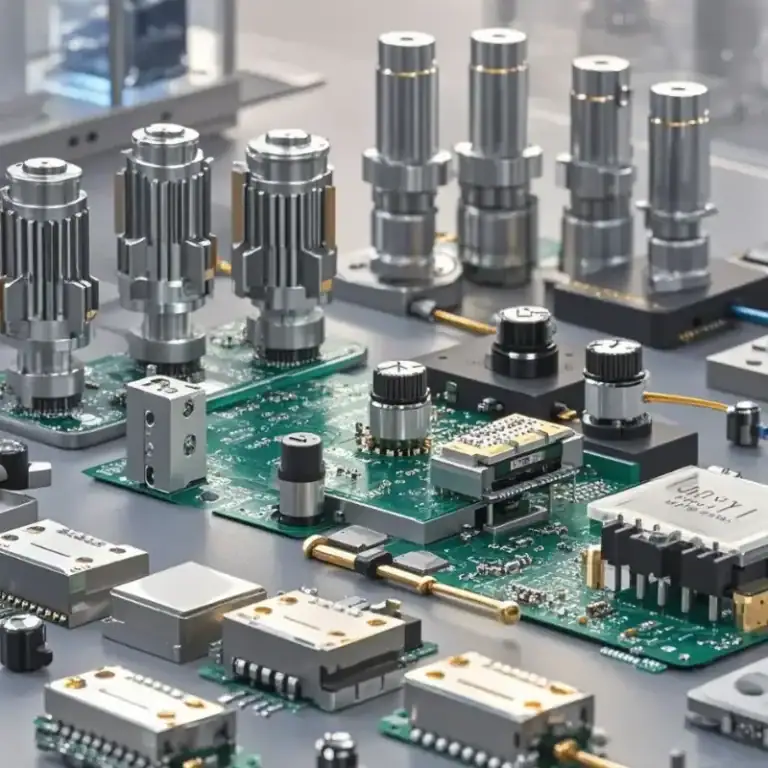
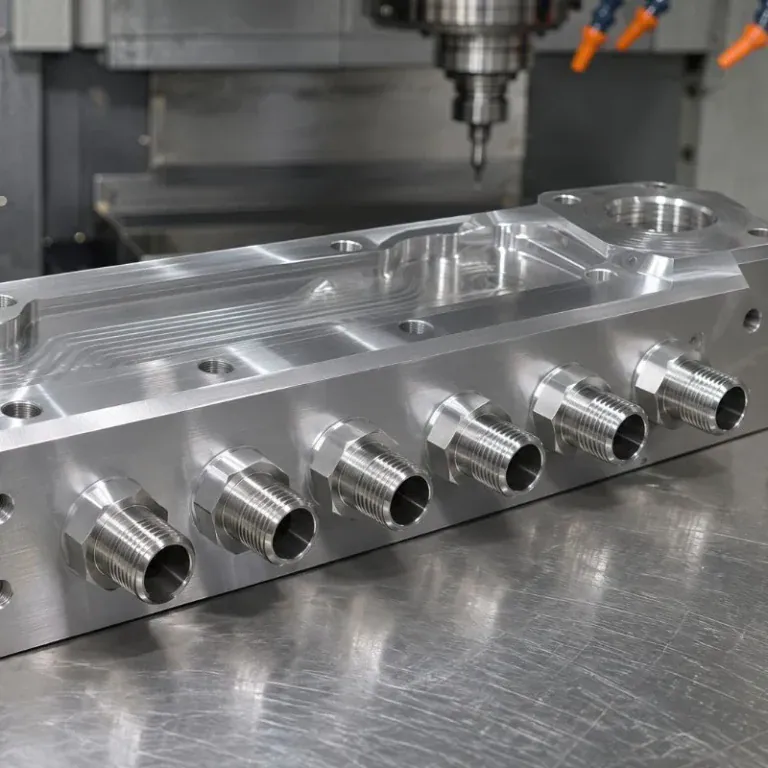
Automation equipment consists of transmission mechanisms, mounting structures, positioning components, and control modules. Each type of component must meet specific dimensional, material, and assembly requirements. For equipment manufacturers and purchasing teams, parts manufacturing involves more than milling and turning. It also includes material selection, surface treatment, precision inspection, and batch delivery. Poor coordination between these processes can increase communication costs and affect component assembly. One-stop CNC machining integrates different manufacturing processes to provide a more coordinated custom parts manufacturing service for automation equipment.
What Machining Requirements Do Automation Equipment Parts Have?
Automation equipment varies in structure and operating methods, so its components serve different functions. Understanding their applications helps determine suitable materials and machining solutions.
Common Types of Custom Components
Mechanical parts used in automation equipment generally include the following categories:
- Equipment Bases and Brackets: Used to mount motors, guide rails, and functional modules. They require structural rigidity, surface accuracy, and precise hole positions.
- Transmission Shafts and Connectors: Used to transfer power or connect mechanical structures. Their outer diameters, concentricity, and mating dimensions require careful control.
- Positioning Fixtures and Clamping Components: Used to secure workpiece positions. Their design should account for positioning accuracy, contact wear, and repeated use.
- Equipment Housings and Protective Parts: Used to protect internal components. They must meet installation space, structural strength, and appearance requirements.
- Insulating Components: Engineering plastics such as POM, PA, and PEEK can be selected according to application conditions and the required electrical insulation and mechanical properties.
The function of each component determines its machining priorities. The same manufacturing standards cannot be applied to every part.
Pay Attention to Machining Datums and Assembly Fits
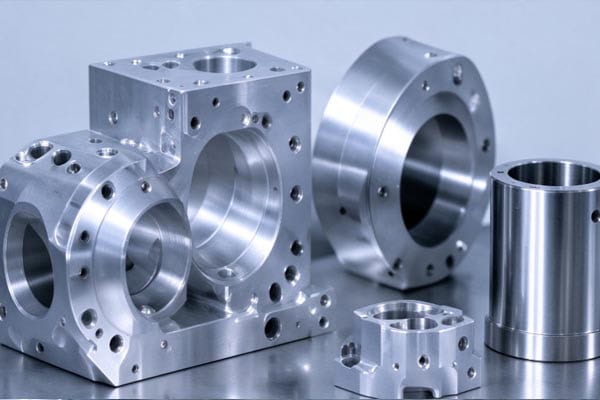
Automation components may contain multiple hole positions, complex contours, and precision mating structures. Inconsistent positioning datums can cause hole misalignment or assembly difficulties. Thin-wall components also require control of deformation caused by clamping and cutting forces. Critical features such as bearing mating surfaces, locating holes, and guide rail mounting surfaces should have clearly defined dimensional and geometric tolerances to ensure proper assembly with related components.
How Can One-Stop CNC Machining Meet Different Component Requirements?
The purpose of one-stop machining is to combine suitable processes according to component geometry, rather than applying the same machining method to every part.
Combine Machining Processes Appropriately
Automation components may contain flat surfaces, holes, threads, and rotational features. Manufacturing processes should be selected according to their geometric characteristics.
- CNC Milling: Suitable for equipment bases, brackets, mounting plates, and components with complex external profiles.
- CNC Turning: Suitable for transmission shafts, sleeves, and other rotational components.
- Drilling and Tapping: Used to produce mounting holes, threaded holes, and connecting features.
- Grinding and EDM: Used for precision surfaces or special contours according to accuracy and structural requirements.
Proper coordination between different processes helps reduce repeated clamping and unnecessary machining operations.
Select Materials and Surface Treatments According to Application
Material selection affects component weight, strength, wear resistance, and operating performance. Common materials and their applications include:
| Component Application | Common Materials | Key Considerations |
| Mounting bases and brackets | Aluminum alloys, carbon steel | Surface accuracy, structural rigidity |
| Transmission shafts and connectors | Alloy steel, stainless steel | Strength, wear resistance, mating dimensions |
| Locating pins and fixtures | Tool steel, bearing steel | Hardness, wear resistance, dimensional stability |
| Equipment housings | Aluminum alloys, stainless steel | Appearance, mounting dimensions, protection requirements |
| Insulating components | POM, PA, PEEK | Electrical insulation, temperature resistance |
Materials should be selected according to actual loads and operating environments. Some metal components may require heat treatment, while aluminum alloy parts can receive anodizing according to protection and appearance requirements. For precision mating areas, the effect of subsequent treatments on final dimensions should also be considered.
How Can Component Quality and Batch Consistency Be Controlled?
Quality management should be based on drawing requirements, critical dimensions, and order quantities. Finished-part appearance alone is not enough to determine component quality.
Define Critical Dimensional Inspection Requirements
Different components require different inspection priorities. Common inspection items include:
- Dimensional Inspection: Measure external dimensions, hole diameters, thickness, and hole spacing.
- Geometric Tolerance Inspection: Check parallelism, perpendicularity, concentricity, and positional tolerances according to drawing requirements.
- Surface Quality Inspection: Check burrs, scratches, surface roughness, and surface treatment results.
- Assembly Fit Inspection: Pay particular attention to bearing mounting positions, locating holes, and connecting structures.
Inspection frequency and measurement methods should be determined according to component accuracy, application risks, and order requirements to ensure that critical features meet assembly specifications.
Establish Consistent Batch Production Standards
Prototype production mainly verifies component dimensions, structures, and assembly performance. Batch production requires consistency in materials, positioning datums, and inspection requirements. For repeat orders, suppliers should retain valid drawing revisions, machining programs, material information, and inspection records. This reduces repeated technical confirmation and helps minimize quality variations between batches.
What Should Buyers Look for in an Automation CNC Machining Supplier?
A supplier’s technical capabilities and production arrangements should match project requirements. Buyers should evaluate process coordination and quality management rather than comparing quotations alone.
Evaluate Technical Understanding and Machining Capabilities
A supplier should be able to interpret engineering drawings and 3D models accurately and assess the machining challenges of thin-wall structures, deep holes, special tolerances, and precision assembly features. For complex components, clear technical communication helps establish machining methods, positioning solutions, and acceptance standards, reducing repeated modifications during production.
Confirm Process Coordination and Delivery Management
Buyers should determine whether a supplier can provide CNC milling, turning, grinding, and EDM services. They should also confirm how material procurement, heat treatment, surface treatment, dimensional inspection, and batch delivery are coordinated. Some processes may be completed through specialized manufacturing partners, but quality standards and delivery responsibilities must be clearly defined. For long-term purchasing projects, process consistency and quality record management for repeat orders are also important.
Manufacturing parts for the automation industry requires appropriate material selection, machining processes, and quality standards based on equipment functions. Components with different structures must meet their specific dimensional and assembly requirements to perform as intended. One-stop CNC machining coordinates multiple manufacturing methods and supporting processes, helping companies reduce difficulties between different production stages. For projects involving prototype development and batch purchasing, clearly defining technical requirements, critical tolerances, and acceptance standards is essential to improving component compatibility and production stability.