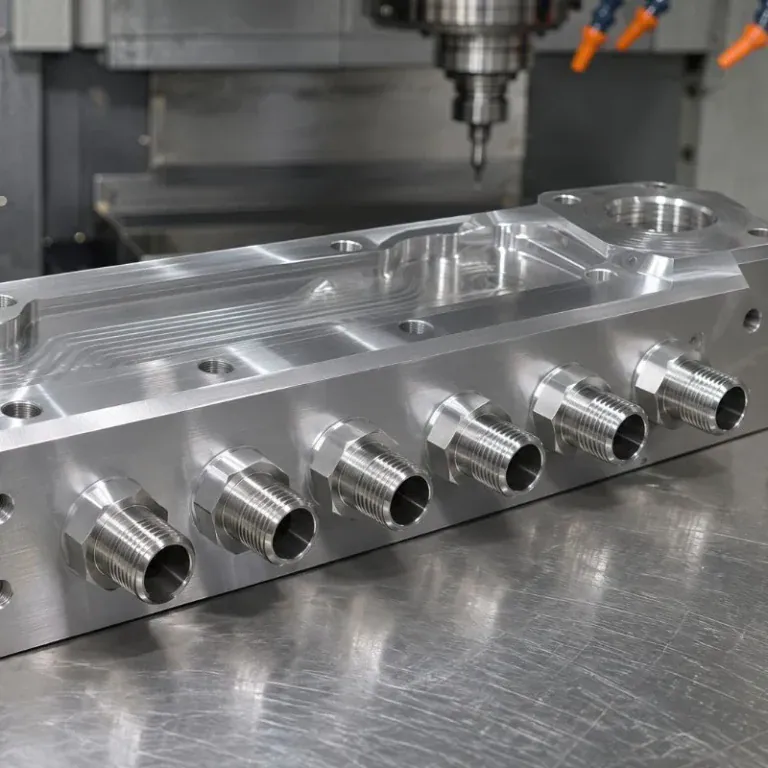
Medical devices have strict requirements for component dimensional accuracy, material properties, and surface quality. Whether used in surgical instruments, diagnostic equipment, or medical testing devices, the machining quality of metal components directly affects assembly accuracy, operational stability, and service life. Compared with ordinary mechanical components, medical device metal parts may also need to meet additional requirements related to corrosion resistance, biocompatibility, cleanliness, and compatibility with subsequent cleaning and sterilization processes.During CNC metal machining, selecting suitable materials, maintaining dimensional accuracy, and determining appropriate surface finishing methods are essential to ensuring the quality of medical device components.
How to Choose Materials for Medical Device Metal Parts
Material selection should be based on the component’s operating environment, mechanical requirements, contact conditions, and machining specifications. Different metals have different properties in terms of strength, corrosion resistance, weight, and machinability. Material selection should not depend on cost alone.
Stainless Steel: A Balance of Strength and Corrosion Resistance
Stainless steel is commonly used in medical device metal components. Popular grades include 304 and 316L stainless steel. Grade 304 offers good machinability and corrosion resistance, making it suitable for certain equipment structural components and non-implantable parts. Grade 316L contains molybdenum, which provides improved corrosion resistance and makes it suitable for medical components with more demanding corrosion resistance requirements.
During machining, attention should be paid to tool wear, cutting temperature, and work hardening. Proper cutting speeds, feed rates, and cooling methods help reduce burrs, surface scratches, and dimensional deviations.
Aluminum Alloys: Suitable for Lightweight Medical Equipment
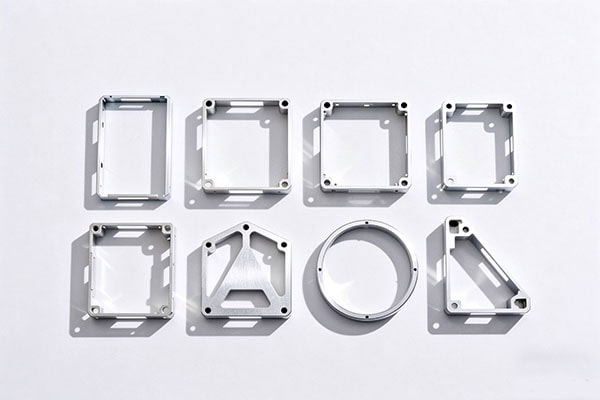
Aluminum alloys are lightweight, have good thermal conductivity, and are relatively easy to machine using CNC processes. They are commonly used in medical equipment housings, support structures, and internal instrument components.
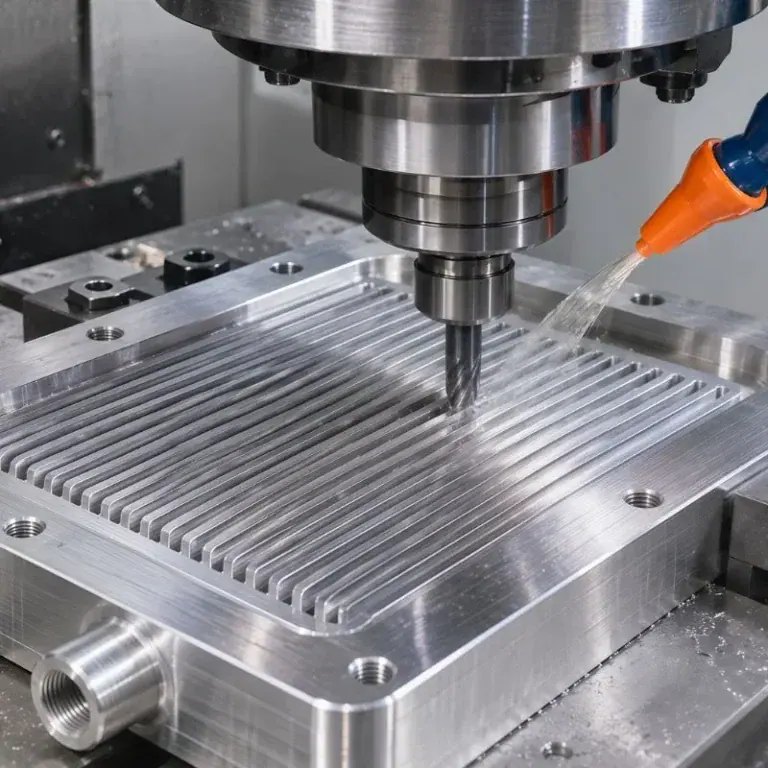
When machining aluminum alloys, manufacturers should focus on tool sharpness, chip evacuation, and clamping force. These measures help prevent material adhesion, surface scratches, and deformation of thin-walled components. For parts requiring a high-quality surface finish, the finishing sequence should also be carefully planned.
Titanium Alloys: Suitable for High-Performance Medical Components
Titanium alloys offer a high strength-to-weight ratio and excellent corrosion resistance. Certain grades also provide good biocompatibility, making them suitable for specific medical devices and implantable components.
However, titanium alloys have relatively low thermal conductivity and can generate high cutting temperatures during machining. This places greater demands on cutting tools, machining parameters, and cooling conditions. Manufacturers need to prevent excessive tool wear and localized overheating to maintain dimensional accuracy and surface integrity.
How to Maintain Dimensional Accuracy in Medical Metal Machining
Medical device components often contain precision holes, threads, mating surfaces, and complex profiles. Machining errors can affect assembly relationships and may even compromise equipment performance. Therefore, CNC machining accuracy must be controlled through process planning, equipment selection, and quality inspection.
Select Machining Processes Based on Component Geometry
Different metal component structures require different machining methods.
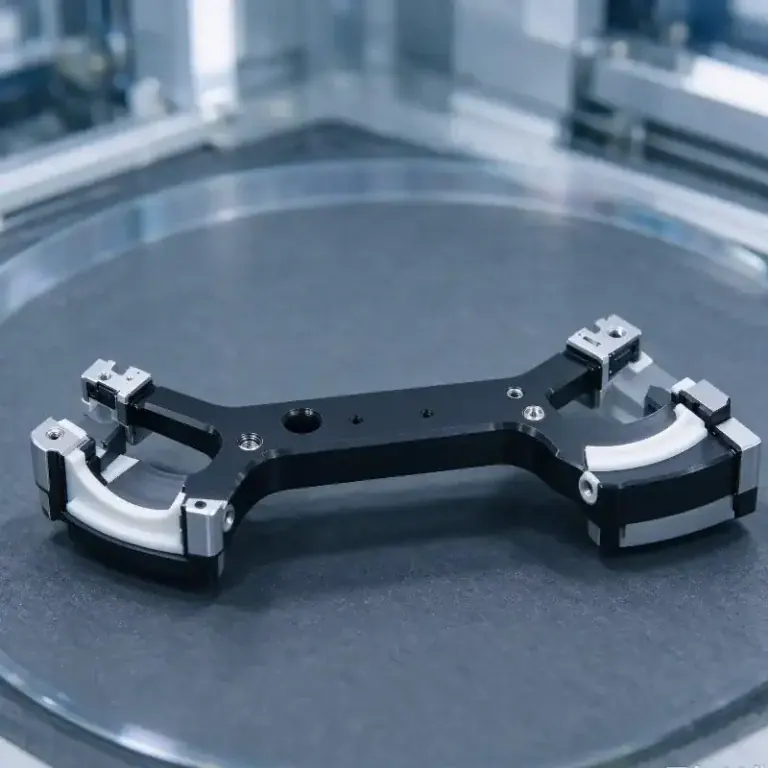
- CNC Milling: Suitable for equipment housings, brackets, mounting plates, and components with complex surfaces.
- CNC Turning: Suitable for shafts, sleeves, screws, and cylindrical connecting components.
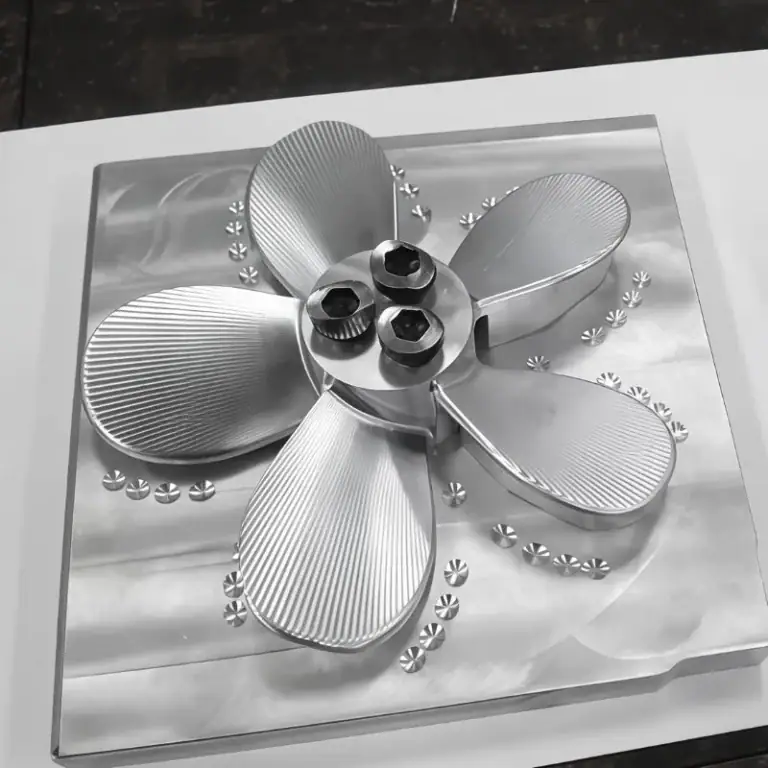
- 5-Axis Machining: Suitable for precision medical components with complex surfaces, multiple-angle features, and holes in different directions.
- Precision Grinding: Used for components with demanding requirements for dimensional accuracy, flatness, and surface roughness.
For complex components, manufacturers can reduce positioning errors by optimizing machining sequences and minimizing repeated setups.
Control Machining Deformation and Dimensional Deviations
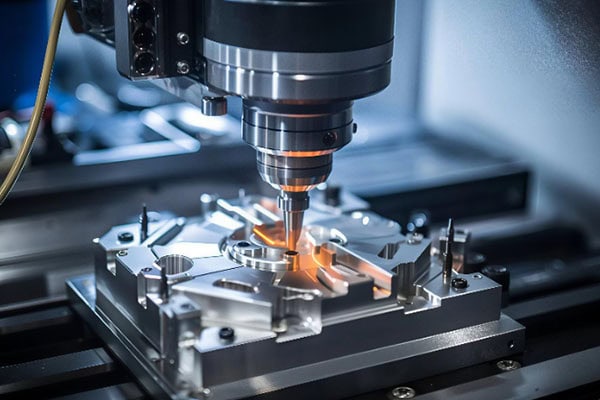
Thin-walled structures, miniature components, and slender shafts are particularly sensitive to cutting forces, clamping pressure, and machining temperatures. Fixtures should be designed appropriately to prevent excessive localized pressure.
For components requiring significant material removal, rough machining and finish machining can be performed in separate stages. Stress-relief processes may also be necessary when appropriate. Critical dimensions should be inspected during production rather than waiting until all machining operations are completed.
Establish a Comprehensive Dimensional Inspection Process
The quality of medical device components cannot be determined solely by the machining parameters set on the equipment. Appropriate measuring instruments should be selected according to engineering drawing requirements. Common inspection tools include micrometers, height gauges, optical measuring systems, and coordinate measuring machines (CMMs).
Critical specifications such as hole diameter, coaxiality, positional tolerance, and flatness should have corresponding inspection standards. Necessary inspection records should also be maintained to ensure dimensional consistency during batch production.
What Are the Surface Finishing Requirements for Medical Metal Parts?
Surface finishing affects more than the appearance of metal components. It also influences corrosion resistance, wear resistance, surface cleanliness, and subsequent product performance. The finishing process should be selected according to the material properties and intended application of each component.
Anodizing: Suitable for Aluminum Alloy Components
Aluminum alloy medical equipment housings, support structures, and mounting components can undergo anodizing to improve surface corrosion and wear resistance. For components with precision fitting requirements, manufacturers should consider the thickness of the anodized layer and its effect on final dimensions.
Passivation and Electropolishing: Improving Stainless Steel Surface Performance
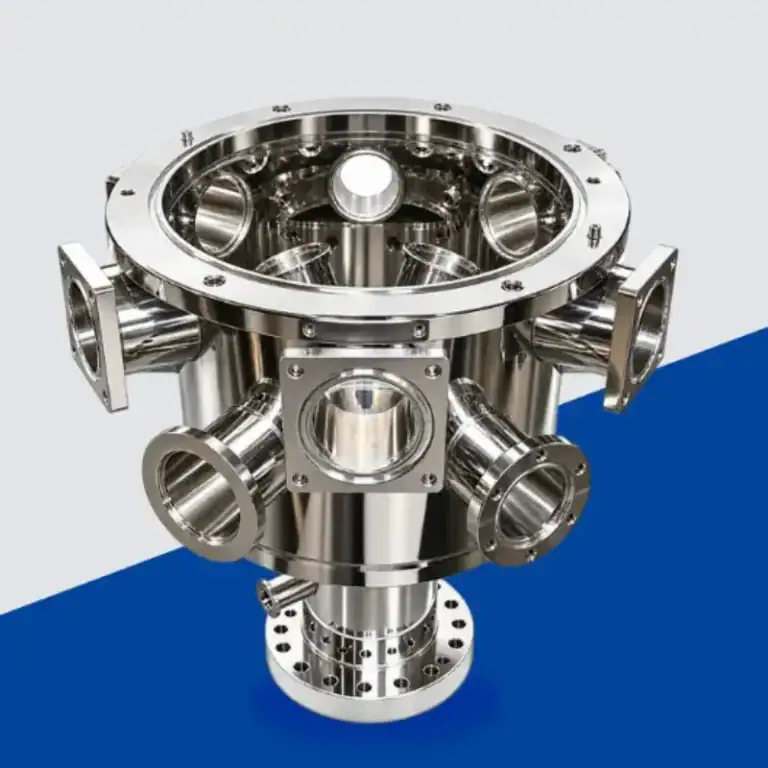
Stainless steel components can undergo passivation to improve their surface corrosion resistance. Electropolishing helps reduce surface roughness and remove microscopic surface irregularities, making components easier to clean.
For medical device components that require repeated cleaning or disinfection, manufacturers should also consider whether the surface contains gaps, residues, or areas that are difficult to clean.
Deburring and Precision Cleaning
After CNC machining, burrs and cutting debris may remain around holes, edges, and threaded areas. Appropriate deburring, cleaning, and drying processes should be arranged according to the component structure to prevent metal particles and machining residues from affecting subsequent assembly.
For components involving human contact or implantation, additional validation may be required to confirm that the materials, biocompatibility, surface treatment, and cleaning processes meet the applicable requirements. Conventional industrial surface finishing should not automatically be considered equivalent to medical-grade processing.
Medical device metal machining requires comprehensive consideration of material properties, dimensional accuracy, machining processes, and surface finishing. By selecting appropriate stainless steel, aluminum alloys, or titanium alloys, optimizing CNC machining procedures, and establishing effective inspection and cleaning standards, manufacturers can improve component quality and assembly stability.