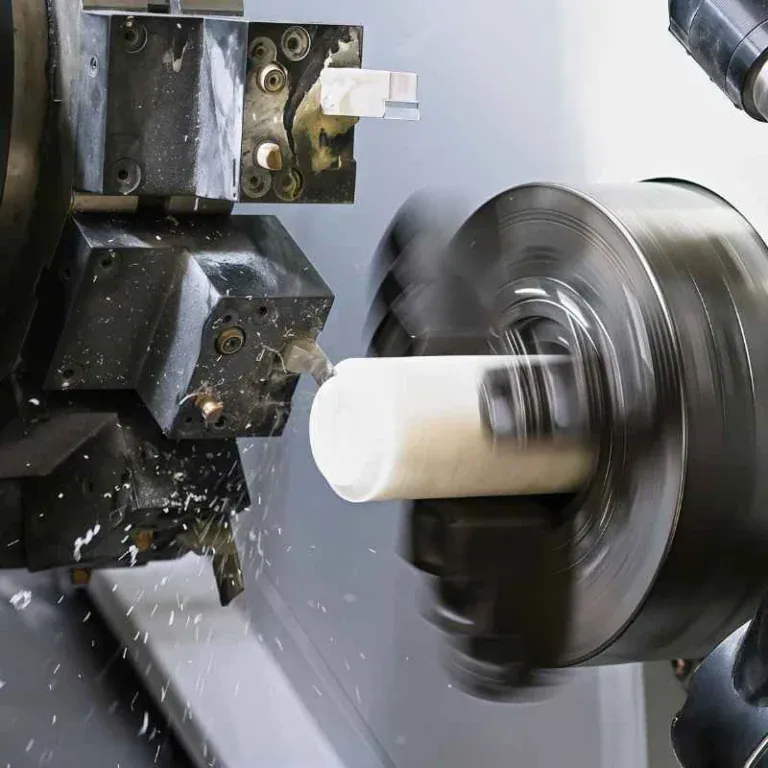
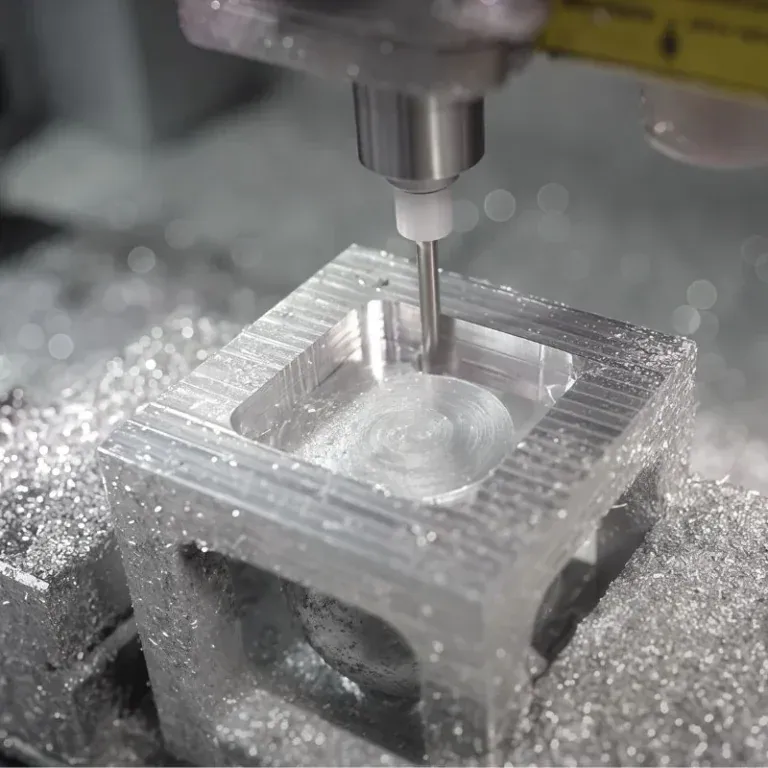
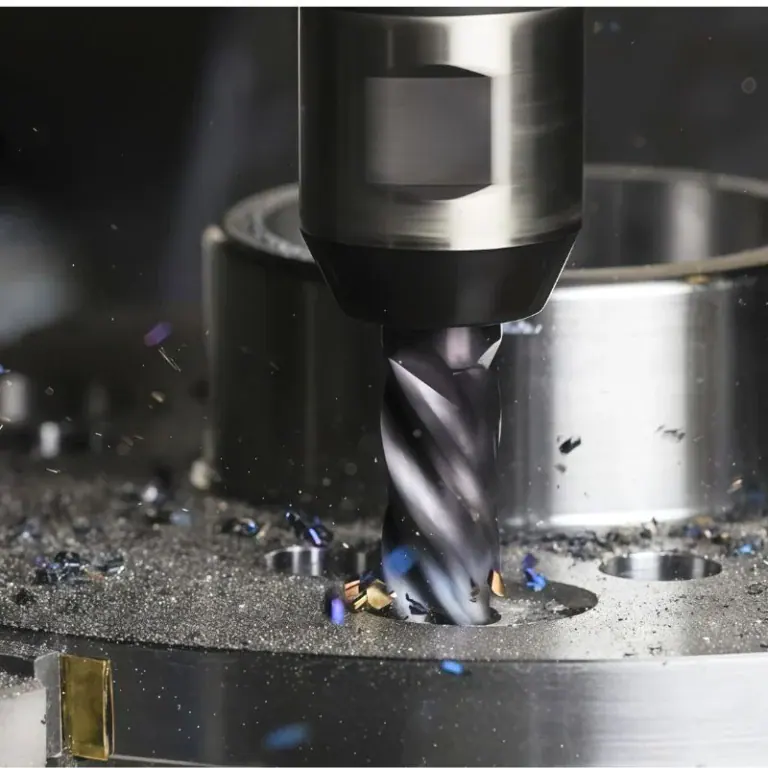
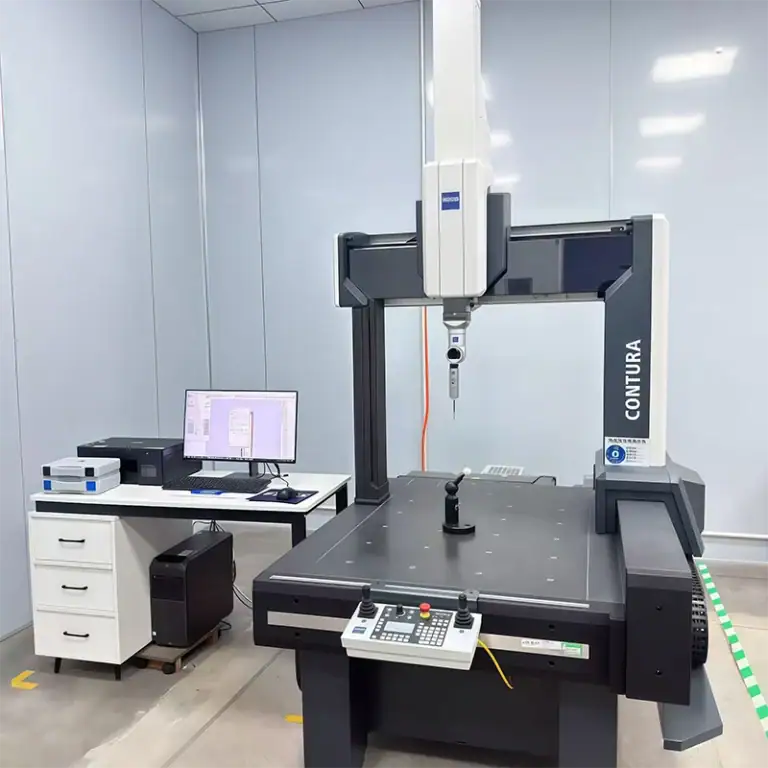
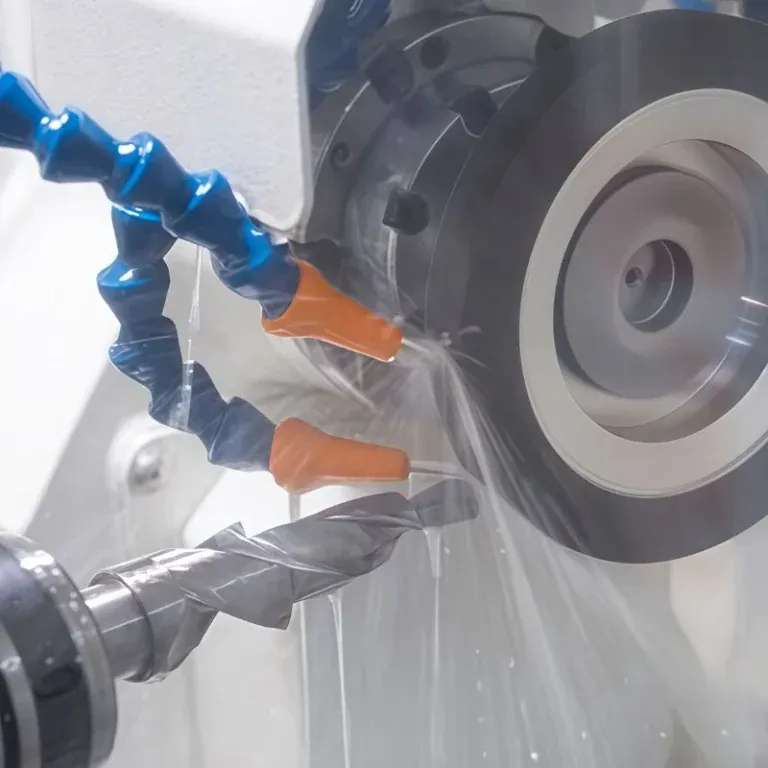
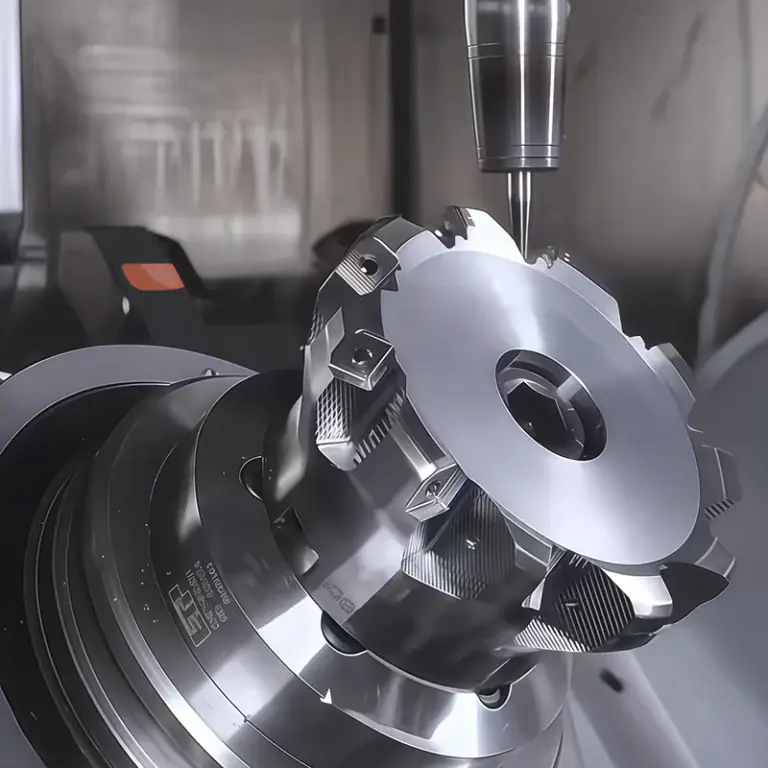
CNC turning is widely used in precision machinery, automotive components, automation equipment, electronic connectors, and industrial parts manufacturing. For businesses that require custom shafts, metal sleeves, threaded fittings, and complex rotational components, machining costs depend not only on raw material prices but also on part geometry, tool selection, workholding methods, machining time, and inspection requirements. Optimizing part design and production processes can reduce unnecessary cutting operations, shorten lead times, and improve the consistency of batch manufacturing. When sourcing custom CNC turned parts, understanding the key factors that affect pricing helps buyers control manufacturing budgets while maintaining required engineering standards.
What Determines the Cost of CNC Turned Parts?
CNC turning costs typically include material expenses, programming and setup fees, machining time, tool consumption, post-processing, and quality inspection. A simple shaft sleeve may require only conventional turning operations, while a part with deep holes, fine threads, narrow grooves, and complex end-face features may require additional tools, longer machining cycles, and more extensive inspection. Buyers should evaluate the overall cost based on drawings, material grades, dimensional tolerances, and order quantities rather than comparing unit prices alone.
Raw Materials and Part Geometry
Aluminum alloys, carbon steel, stainless steel, brass, and engineering plastics have different material prices and machining characteristics. Aluminum generally offers good machinability, while certain stainless steel grades require more careful control of cutting temperatures, tool wear, and chip evacuation. For parts that require corrosion resistance, wear resistance, or high mechanical strength, material selection should be based on actual operating conditions rather than the lowest purchase price.
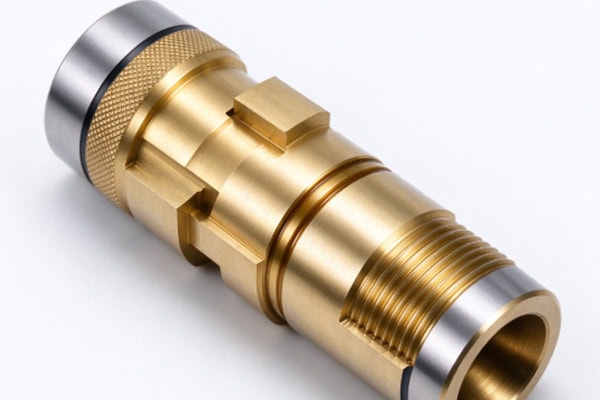
Part geometry also affects machining difficulty. Deep internal holes, narrow relief grooves, long slender shafts, and thin-walled sleeves can increase machining risks. Designers can optimize wall thickness, hole depth, corner radii, and groove widths while preserving the required functionality, reducing the need for specialized tooling.
Tolerances and Surface Finishing Requirements
Tighter dimensional tolerances generally require more precise tool compensation, stable workholding conditions, and more frequent dimensional inspections. Applying extremely tight tolerances to every dimension can increase machining time and inspection costs. Engineering drawings should clearly identify dimensions that directly affect fit, sealing, positioning, and movement, while non-critical features can use reasonable tolerances that meet functional requirements.
Anodizing, electroplating, passivation, and other surface treatments also affect the final price. Some finishing processes may change dimensions or surface conditions, so appropriate machining allowances should be considered, and post-treatment dimensions should be confirmed before production.
How to Reduce CNC Turning Costs Through Design Optimization
Design for manufacturability helps identify potential problems before production begins. For custom CNC turning, designers should consider part functionality, tool accessibility, clamping stability, and inspection feasibility. This prevents unnecessary features that increase manufacturing complexity without improving actual performance. Early communication with the machining supplier can reveal expensive design elements and help establish a more efficient production process.
Simplify Part Design
Simple part designs can reduce CNC turning time and tooling costs. The following design changes can improve machining efficiency.
- Optimize grooves: Use suitable groove widths and depths to reduce the need for special cutting tools.
- Reduce deep holes: Avoid unnecessary hole depth to improve tool stability and chip removal.
- Use suitable corner radii: Choose practical radii that match common cutting tools and part requirements.
- Avoid unnecessary finishing: Apply high surface finish requirements only to critical areas.
These changes can simplify machining operations, reduce production costs, and improve manufacturing efficiency.
Improve Workholding and Machining Sequences
A suitable workholding strategy reduces positioning errors and minimizes auxiliary operations. For shaft components with multiple steps, end faces, and external diameters, machining operations can be arranged according to the machine’s capabilities. When the geometry permits, completing more features in a single setup reduces secondary positioning and realignment work.
Long shafts and thin-walled components require particular attention to deformation. Excessive clamping force can elastically deform a thin-walled sleeve, causing dimensional changes after the part is released. Depending on the component’s dimensions, material properties, and machine configuration, manufacturers may consider soft jaws, dedicated fixtures, auxiliary supports, or staged machining processes.
How to Improve Production Efficiency and Control Batch Costs
For small-batch and high-volume custom components, machining time per part has a direct impact on total production costs. Optimizing operation sequences, managing tool consumption, and establishing consistent quality-control procedures can reduce rework and improve delivery planning. Providing complete technical documentation during quotation helps suppliers evaluate the required processes and production resources more accurately.
Select Appropriate Cutting Parameters and Tools
Cutting speed, feed rate, and depth of cut should be matched to the material, tool grade, workpiece rigidity, and surface finish requirements. Excessively aggressive parameters can accelerate tool wear, cause vibration, or create dimensional variations. Overly conservative settings, however, may unnecessarily extend machining cycles. Manufacturers should determine stable cutting parameters through trial machining and production data.
- Match the tool material: Carbide cutting tools are suitable for many common metal-turning applications, but the specific grade, coating, and cutting-edge geometry should be selected according to the workpiece material and cutting conditions.
- Optimize roughing and finishing: Roughing removes excess material efficiently, while finishing operations achieve the required final dimensions and surface quality. Properly allocating machining allowances prevents excessive cutting loads during finishing.
- Improve chip evacuation and cooling: Materials that produce long chips require careful consideration of chip-breaker geometry, coolant delivery, and chip clearance. These measures help prevent chip entanglement from interrupting production.
- Manage tool life: Recording tool usage time, production quantities, and dimensional trends helps manufacturers replace worn tools at the appropriate time and avoid batch rework caused by unstable machining conditions.
Improve Purchasing Efficiency Through Batch Planning
Order quantities affect how programming, setup, first-article inspection, and production scheduling costs are distributed. Small orders generally carry higher preparation costs per part, while repeat orders with stable specifications are easier to manufacture using standardized processes. Buyers can plan order quantities according to actual demand, balancing inventory costs, cash flow, and unit machining prices.
When requesting a CNC machining quotation, provide the following information:
- 3D models: Supply CAD files in common formats such as STEP to help suppliers understand part geometry and machining features.
- Engineering drawings: Specify the material grade, critical dimensions, tolerances, thread specifications, surface roughness, and relevant technical requirements.
- Order quantities: Provide sample quantities, initial production volumes, and expected repeat-order volumes to help suppliers evaluate setup costs and volume pricing.
- Surface treatment requirements: Clearly specify anodizing, electroplating, passivation, or other finishing requirements to prevent omissions in the quotation.
- Quality documentation: If the project requires dimensional inspection reports, material certificates, or specific quality records, communicate these requirements during the quotation stage.
How to Choose a Reliable Custom CNC Turning Supplier
Competitive machining prices should be supported by consistent quality and a realistic production schedule. When evaluating suppliers, buyers should consider machine capabilities, material-processing experience, engineering drawing review procedures, dimensional inspection equipment, and communication efficiency. For parts with strict mating requirements, confirm that the supplier can inspect critical dimensions according to the drawings and provide appropriate inspection records.
Verify Machining Capabilities and Quality Control
A qualified supplier should be able to assess the required machines, tooling, workholding methods, and inspection procedures based on part geometry. First-article inspection helps verify machining programs, workholding arrangements, and critical dimensions before production continues. Subsequent inspections can be arranged according to order risks and applicable quality requirements.
For components requiring precise fits, buyers may also need to evaluate roundness, coaxiality, circular runout, and other geometric tolerances. The specific inspection methods should match the component’s functional requirements and engineering specifications.
Obtain a Clear and Complete Quotation
A reliable quotation should clearly identify the material, machining scope, order quantity, surface treatments, inspection requirements, lead time, packaging, and shipping conditions. If a component includes deep holes, thin walls, complex threads, or tight tolerances, the supplier should identify the features that may affect cost and recommend design-for-manufacturing improvements when appropriate.
For businesses sourcing custom shafts, connectors, metal sleeves, or automation equipment components, submitting complete engineering drawings and 3D models can accelerate technical reviews and quotation preparation. By combining design optimization, appropriate machining processes, and effective quality control, businesses can manage CNC turning costs more efficiently while maintaining component functionality and reliability.
Reducing CNC turning costs requires more than negotiating a lower unit price. Practical design optimization, suitable material selection, efficient tooling, stable workholding, and effective batch planning all contribute to better manufacturing economics. Buyers can also improve quotation accuracy and reduce production risks by providing complete technical documentation and defining critical quality requirements before manufacturing begins. Working with an experienced CNC machining supplier helps ensure that custom turned parts meet functional specifications while supporting predictable costs, consistent quality, and reliable delivery.