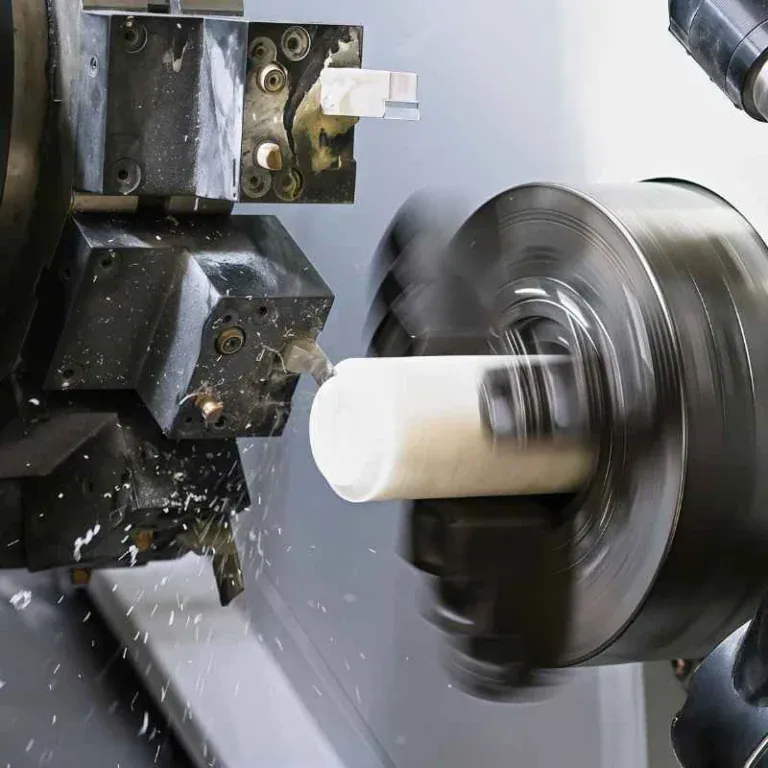
CNC turning is a reliable manufacturing method for producing precision shafts, bushings, threaded components, sleeves, pins, and other rotational parts. For manufacturers and product developers, reducing machining costs without sacrificing dimensional accuracy or product performance is a key purchasing goal. The right combination of part design, material selection, machining parameters, and production planning can help lower unit costs and improve delivery efficiency.
For businesses sourcing custom CNC turned parts, understanding the factors that affect machining time and material consumption makes it easier to compare quotations and select a suitable manufacturing partner. Practical design improvements can also simplify production, reduce unnecessary operations, and support consistent quality from prototypes to larger production runs.
Optimize Part Design for CNC Turning
Part geometry has a direct influence on machining time, tooling requirements, workholding, and material waste. A well-designed component allows cutting tools to reach the required features efficiently while maintaining sufficient rigidity during machining.
Simplify Geometric Features
Complex geometries may require additional tool changes, specialized cutting tools, or secondary milling operations. Simplifying nonessential features can reduce production time without affecting the component’s primary function.
- Reduce unnecessary diameter changes: Multiple stepped diameters may require additional cutting passes. Combining or removing nonfunctional steps can simplify the machining sequence.
- Use practical corner radii and chamfers: Suitable radii and chamfers help prevent sharp edges, reduce burr formation, and make finishing operations easier.
- Avoid excessively deep grooves: Deep, narrow grooves can require special tools and slower cutting conditions. Where the design permits, use dimensions that support standard tooling.
- Design accessible internal features: Deep bores and narrow internal channels can increase machining difficulty because tool rigidity and chip evacuation become more challenging.
These adjustments are particularly useful when developing custom shafts, precision bushings, threaded fittings, and small mechanical components. Early design reviews can identify features that add cost without providing meaningful functional benefits.
Specify Functional Tolerances
Tight tolerances are important for bearing seats, mating diameters, sealing surfaces, and precision assemblies. However, applying unnecessarily strict tolerances to every dimension can increase inspection time, machining difficulty, and rejection risk.
Designers should identify the dimensions that directly affect assembly or performance and apply tighter limits only where required. Less critical dimensions can use appropriate standard tolerances. Clear datum references and geometric dimensioning and tolerancing requirements also help the machining supplier understand how the component must fit and operate.
Select Cost-Effective Materials
Material selection affects raw material prices, cutting speeds, tool wear, surface finish, and the total machining cycle. Choosing a suitable grade requires balancing mechanical properties with manufacturing efficiency.
Compare Common CNC Turning Materials
- Aluminum 6061: A practical choice for lightweight housings, spacers, brackets, and general mechanical components. It offers good machinability and is widely used in industrial equipment.
- Aluminum 7075: Suitable for applications requiring higher strength relative to weight. Its material cost may be higher than that of common aluminum grades, so it should be selected when its performance is needed.
- Stainless steel 304 and 316: Commonly used for corrosion-resistant fittings, shafts, and components exposed to moisture or demanding environments. Machining conditions must account for heat generation and work hardening.
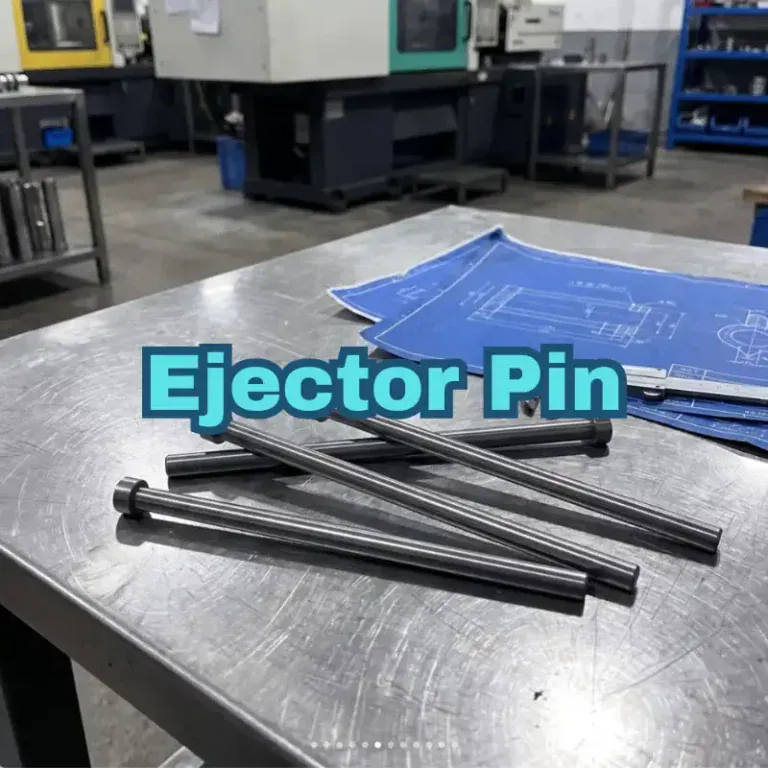
- Carbon steel: Suitable for many shafts, pins, and load-bearing components. The specific grade should match the required strength, hardness, and service conditions.
- Brass: Often selected for connectors, valve components, and precision fittings because many brass grades machine efficiently and provide good corrosion resistance.
The lowest-priced raw material is not always the least expensive option overall. A material that machines slowly or causes rapid tool wear may increase production costs. Material selection should consider the component’s operating environment, strength requirements, expected service life, and finishing needs.
Reduce Material Waste
Part dimensions should be reviewed against commonly available bar stock sizes. Selecting a suitable stock diameter can reduce unnecessary material removal and shorten roughing time. For production orders, a supplier can evaluate whether standard bar stock or another suitable stock form provides better material utilization.
Improve Machining Efficiency
An efficient CNC turning process balances cutting speed, feed rate, depth of cut, tool life, and dimensional stability. Excessively conservative settings may extend cycle times, while aggressive settings can cause vibration, poor surface quality, or premature tool failure.

Optimize Cutting Parameters
Machining parameters should be matched to the workpiece material, insert grade, part geometry, and machine capability. Roughing operations are designed to remove material efficiently, while finishing passes focus on dimensional accuracy and surface quality.
A practical process-development approach includes:
- Establishing suitable cutting speeds and feed rates based on tooling recommendations and material characteristics.
- Using stable roughing conditions to remove bulk material without creating excessive heat or vibration.
- Allowing a consistent finishing allowance so the final pass can produce the required dimensions.
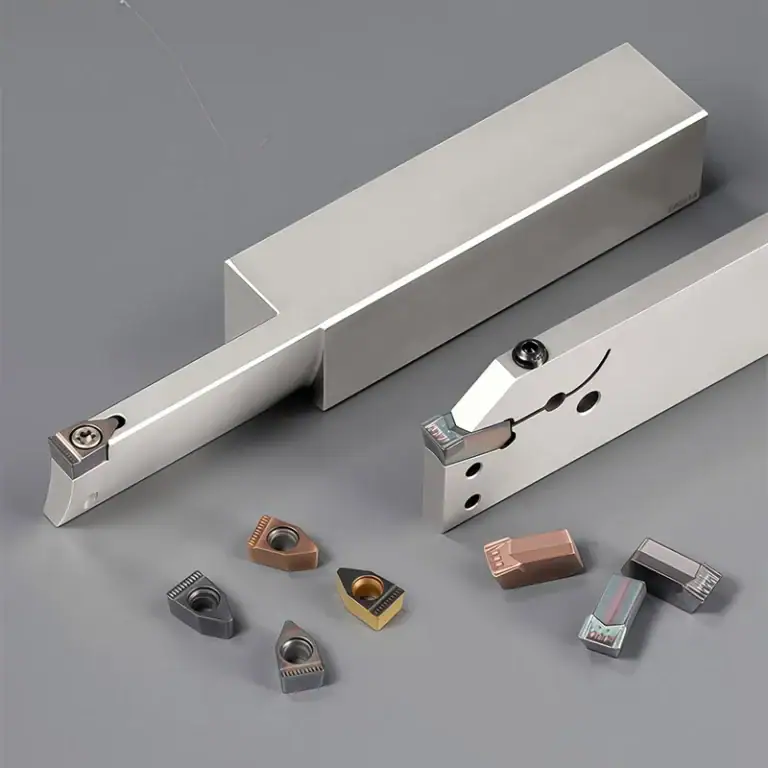
- Monitoring insert wear and replacing cutting edges before they cause dimensional drift or unacceptable surface marks.
- Reviewing coolant delivery and chip evacuation to reduce the risk of tool damage and surface scratching.
For repeat production, documented machining settings help maintain consistent results between batches. Any parameter changes should be validated against drawing requirements and inspection results.
Choose the Right Turning Equipment
Conventional CNC lathes are suitable for many shafts, sleeves, pins, and cylindrical components. Machines equipped with live tooling can produce certain cross-holes, flats, and milled features without transferring the part to a separate machine. Swiss-type turning machines may be more appropriate for small-diameter, slender components that require close support during machining.
Selecting the right machine depends on part dimensions, geometric complexity, tolerance requirements, order quantity, and the number of secondary operations. Completing compatible features in one setup can reduce handling time and help maintain the relationship between critical dimensions.
Control Quality and Surface Finish
Quality control is essential when manufacturing custom CNC turned parts for industrial equipment, automotive assemblies, automation systems, and other precision applications. Poor dimensional consistency can result in assembly problems, rework, scrap, and additional delivery costs.
Apply Appropriate Inspection Methods
Inspection requirements should match the drawing and the component’s intended function. Common checks include:
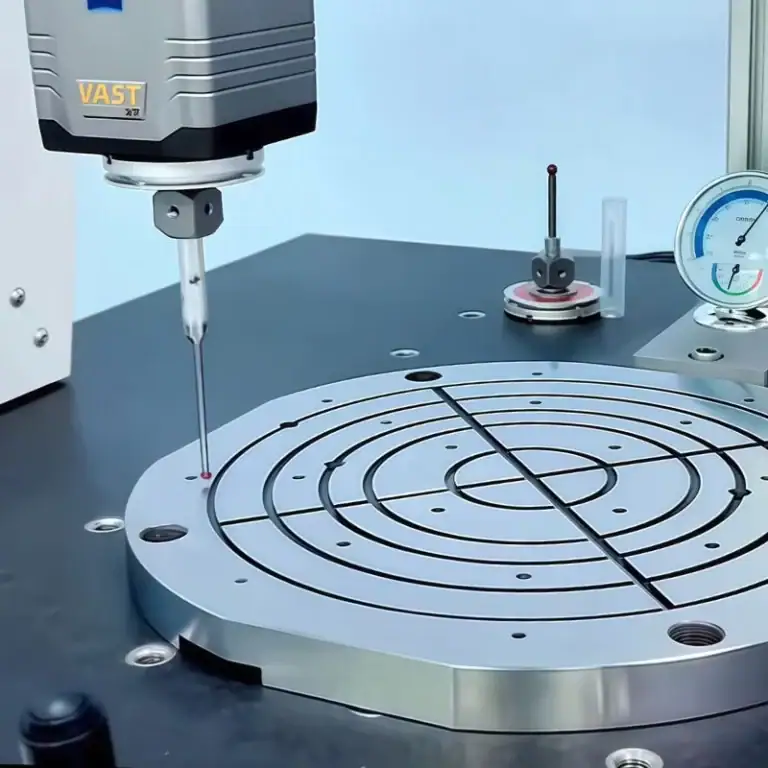
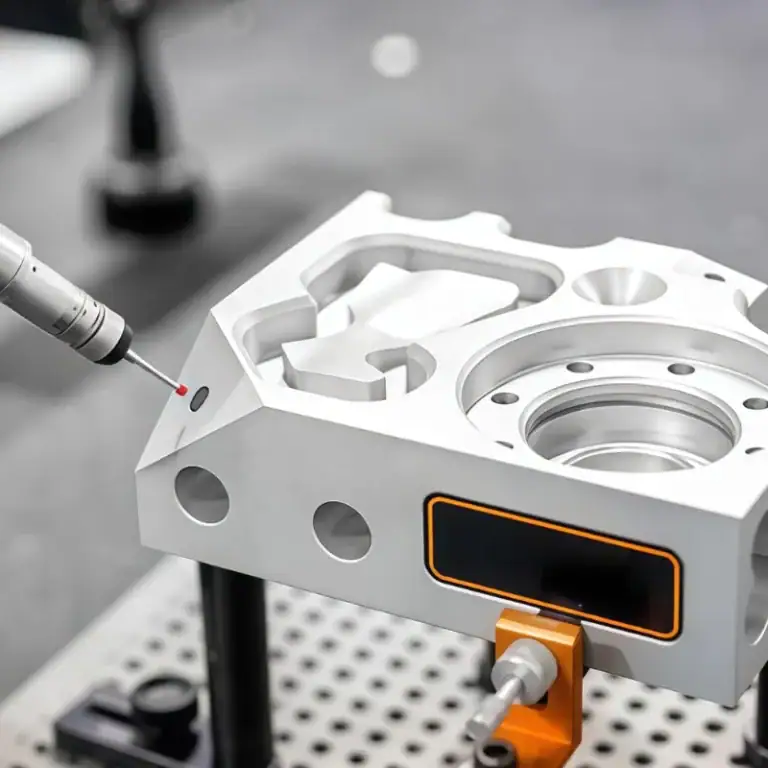
- Dimensional inspection: Verify diameters, lengths, shoulders, grooves, and other critical features using suitable calibrated measuring instruments.
- Thread inspection: Use appropriate thread gauges to confirm that threaded components meet the specified requirements.
- Surface roughness measurement: Measure specified surface finishes when required, particularly for sealing surfaces, bearing seats, and sliding interfaces.
- First-article inspection: Check initial production parts before proceeding with the full order when the project requires formal approval.
- Batch inspection: Apply a defined inspection plan to monitor consistency throughout production.
A clear quality plan helps detect deviations early and reduces the likelihood of discovering defects after the entire order has been manufactured.
Avoid Unnecessary Finishing Operations
Processes such as grinding, polishing, anodizing, plating, and passivation may be necessary for appearance, corrosion resistance, wear performance, or dimensional requirements. However, additional operations increase cost and lead time.
Specify finishing requirements according to actual application needs. For example, a nonfunctional external surface may not require the same finish as a precision sealing surface. Any coating that affects final dimensions should be considered during the design and tolerance review.
Choose a Reliable CNC Turning Supplier
The supplier’s engineering capability, equipment, inspection procedures, and production planning all influence the final cost and quality of custom machined parts. A competitive quotation should be evaluated alongside the supplier’s ability to meet technical requirements and delivery commitments.

What to Check Before Ordering
Machining capability: Confirm that the supplier can manufacture the required diameters, lengths, threads, grooves, and complex features.
- Material traceability: Determine whether material certificates or other documentation are required for the project.
- Quality assurance: Ask about inspection equipment, measurement procedures, and the handling of nonconforming parts.
- Prototype and batch production: Check whether the supplier can support initial samples, design revisions, and repeat orders.
- Quotation transparency: Provide complete drawings, material specifications, quantities, tolerances, surface finish requirements, and post-processing details to obtain a more accurate quotation.
A detailed request for quotation helps reduce misunderstandings and makes supplier comparisons more meaningful. If the design is still being developed, discussing manufacturability before production can reveal opportunities to simplify features, reduce waste, and avoid unnecessary processing steps.
Reducing CNC turning costs requires a coordinated approach to design, materials, machining efficiency, inspection, and supplier selection. Simplified geometry, functional tolerances, appropriate stock sizes, optimized cutting parameters, and clear quality requirements can all contribute to more economical production.
For businesses purchasing custom CNC turned parts, early communication with an experienced machining supplier can help identify practical improvements before manufacturing begins. By balancing price, precision, durability, and lead time, buyers can achieve more consistent results for both prototype components and production orders.