As industrial manufacturing continues to advance toward higher precision and higher performance, more and more companies are focusing on the processing applications of engineering plastics and composite materials. Among various materials, thermoset plastics are widely used in electronics, electrical engineering, semiconductors, new energy, and automation equipment industries due to their excellent mechanical properties, dimensional stability, and electrical insulation performance. Thermoset plastics can not only be CNC machined, but have also become important manufacturing materials for many high-end industrial components. Through proper machining processes and professional equipment, thermoset plastics can achieve complex structures, high dimensional accuracy, and consistent product quality.
What Are Thermoset Plastics?
Thermoset plastics are a class of plastic materials that undergo a chemical cross-linking reaction when heated or mixed with curing agents, forming a three-dimensional network structure. Once cured, their internal structure becomes irreversible. Even when heated again, they will not melt or soften, which is why they are called “thermoset plastics.”Unlike thermoplastics (such as ABS, PP, PE, and PC), thermoset plastics cannot be reheated and reshaped after molding. Instead, they maintain stable physical and chemical properties. This characteristic makes them widely used in high-temperature environments, electrical insulation applications, and industrial equipment.
Common Types of Thermoset Plastics
There are many types of thermoset plastics used in industrial applications, and different materials offer different performance characteristics. Some materials focus more on insulation performance, while others emphasize heat resistance. Certain materials balance both mechanical strength and machinability. Selecting the appropriate material according to the application environment helps companies achieve more stable performance.
Common thermoset plastics used in industry include:
- Bakelite Sheets (Phenolic Resin)
- Epoxy Resin Sheets
- FR4 Fiberglass Sheets
- Polyimide Sheets
- G10 Insulation Sheets
- Unsaturated Polyester Composites
These materials combine mechanical and electrical properties and are widely used in industrial equipment. They are especially common in precision components used in electronic devices, automation equipment, and new energy industries.
What Are the Characteristics of Thermoset Plastics?
The growing adoption of thermoset plastics is closely related to their excellent performance. For industrial manufacturing, materials must not only meet structural requirements but also maintain long-term stability. Especially in high-temperature, high-humidity, or high-load environments, material performance directly affects product lifespan and equipment efficiency.After curing, thermoset plastics exhibit high hardness and strength while offering excellent insulation properties and chemical resistance. They are less likely to deform in high-temperature environments and can maintain dimensional stability under long-term loads. These characteristics make them highly suitable for manufacturing high-precision industrial components.
Can Thermoset Plastics Be CNC Machined?
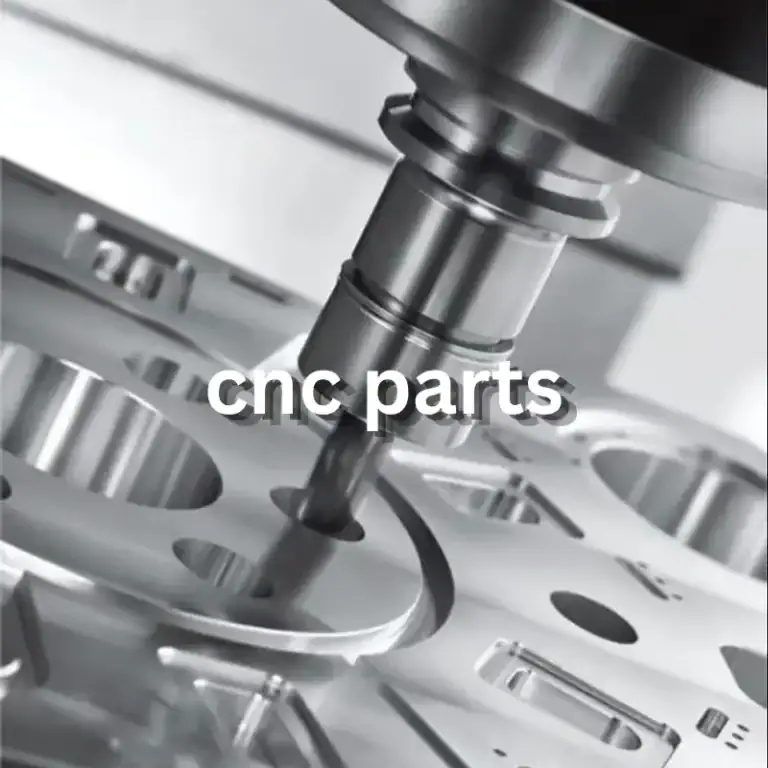
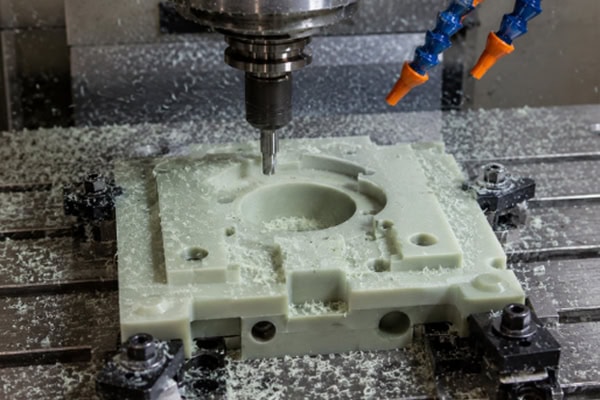
Many customers believe thermoset plastics cannot be machined, but this is a common misconception. Thermoset plastics can indeed be CNC machined and have become one of the important processing materials in industrial manufacturing. As CNC technology continues to improve, more complex components are being precision-machined from thermoset plastics to meet industrial requirements for accuracy and stability.
Why Are They Suitable for CNC Machining?
Although thermoset plastics cannot be thermoformed like thermoplastics, cured materials possess high hardness and excellent dimensional stability, making them suitable for CNC cutting operations.While they cannot be reshaped through reheating, the cured structure of thermoset plastics is highly stable and capable of withstanding the mechanical stresses generated during machining. For complex holes, irregular contours, groove structures, and high-precision fitting dimensions, CNC machining can achieve high accuracy and consistency, making it an important manufacturing method for mass-producing thermoset plastic parts.
What Types of Parts Are Suitable for CNC Machining?
In industrial manufacturing, many thermoset plastic products feature complex contours and precision structures that cannot be produced through simple cutting methods. CNC machining has therefore become an important process for manufacturing such components while ensuring dimensional accuracy and consistency.
Many thermoset plastic parts are CNC machined, including:
- Electrical Insulation Gaskets
- Automation Equipment Fixtures
- Semiconductor Testing Fixtures
- Industrial Positioning Plates
- Precision Thermal Insulation Components
- High-Temperature Support Components
These products often have complex structures that cannot be achieved using conventional machining methods and therefore require CNC equipment.
What Machining Accuracy Can Be Achieved?
For electronic equipment, automation systems, and precision instruments, even minor dimensional deviations can affect assembly performance. Therefore, machining accuracy is often one of the most important indicators of manufacturing capability.Modern CNC equipment can achieve excellent dimensional control. For standard industrial parts, machining tolerances can typically be controlled within ±0.05 mm. For high-precision fixtures and electronic components, tolerances can reach approximately ±0.01 mm. This level of accuracy is sufficient for most industrial applications.
What is the CNC machining process for thermosetting plastics?
The machining process directly affects product quality and production efficiency. Although thermoset plastic machining shares similarities with metal machining, specific requirements exist for machining parameters, tool selection, and post-processing due to the material’s unique characteristics.A standardized machining process can effectively improve production yield and dimensional stability.
Material Selection and Drawing Analysis
Every machining project requires thorough preparation. Material suitability and drawing specifications both influence the manufacturing process. Therefore, detailed evaluation and process planning are necessary before machining begins.Prior to machining, suitable materials should be selected based on the application environment. If high insulation performance is required, FR4 or G10 may be selected. If high-temperature resistance is needed, polyimide materials are often preferred. For cost-sensitive projects, Bakelite is also a common choice.At the same time, engineers analyze product drawings to confirm dimensional tolerances, hole requirements, and assembly structures.
CNC Programming and Machining
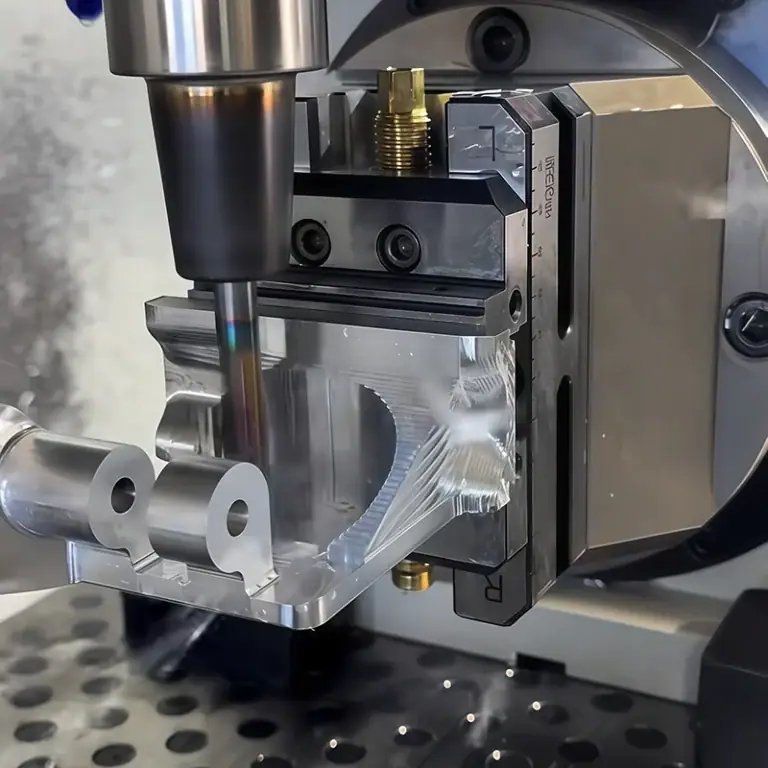
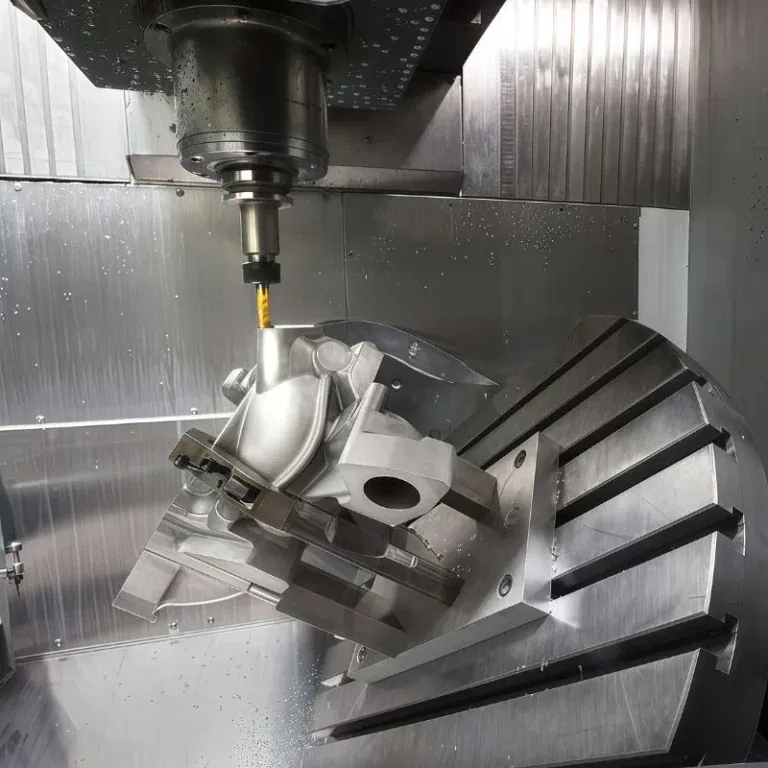
Once material selection is completed, the project enters the machining stage. Technicians create machining programs according to the product structure and perform precision cutting using CNC equipment.Machining parameters must be continuously optimized based on material characteristics to ensure product quality.After generating machining paths from the 3D model, technicians upload the program into the CNC machine.
The following processes are then performed:
- Milling
- Drilling
- Slotting
- Chamfering
- Irregular Contour Cutting
Since some thermoset plastics contain fiberglass reinforcement, cutting tools tend to wear faster and machining parameters must be adjusted accordingly.
Quality Inspection and Post-Processing
Completing the machining process does not mean manufacturing is finished. To ensure products meet customer requirements, comprehensive inspection and post-processing procedures are necessary.Only after passing all quality inspections can products proceed to delivery.After machining, comprehensive inspections are conducted, including:
- Dimensional Accuracy
- Flatness
- Hole Diameter Accuracy
- Surface Quality
Some products also undergo deburring, cleaning, and assembly testing to ensure they are ready for direct use.
What Are the Applications of Thermoset Plastic CNC Machining?
Thermoset plastics combine high strength, heat resistance, excellent insulation properties, and dimensional stability, making them widely used across numerous industrial sectors.With CNC machining technology, thermoset plastics can be manufactured into complex structures and high-precision components to meet industry requirements for performance and dimensional accuracy.As electronics manufacturing, automation equipment, and new energy industries continue to grow, demand for thermoset plastic CNC machining is also increasing, making it an important choice for precision component manufacturing.
Applications in the Electronics and Electrical Industry
The electronics and electrical industry is one of the largest application areas for thermoset plastics. Many electronic devices require components with excellent insulation properties to ensure operational safety and circuit stability.After CNC machining, FR4 fiberglass sheets, Bakelite sheets, and epoxy resin sheets can be manufactured into insulation spacers, insulation brackets, circuit mounting plates, connection assemblies, and internal structural components for electrical distribution equipment.These products offer precise dimensions and long-term stable performance, making them suitable for various demanding environments.
Applications in Automation Equipment and Industrial Fixtures
Modern industrial production demands increasingly higher levels of automation equipment accuracy, and thermoset plastics are well suited for these requirements.Positioning fixtures, inspection jigs, assembly tooling, and mechanical support components manufactured through CNC machining are widely used in automated production lines.Because thermoset plastics are lightweight and resistant to deformation, they help improve equipment stability. Their excellent wear resistance and mechanical strength also support long-term continuous production, making them highly popular among manufacturers.
Applications in Semiconductors and High-End Manufacturing
Semiconductor equipment and precision manufacturing industries require materials with high cleanliness, stability, and insulation performance.Polyimide materials, epoxy fiberglass composites, and high-performance thermoset composites can be precision CNC machined into wafer testing fixtures, vacuum equipment components, thermal insulation structures, and high-precision positioning assemblies.Because these materials maintain dimensional stability under elevated temperatures and challenging environments, they have become important materials in semiconductor equipment manufacturing and are also widely used in laboratory equipment and precision instrument production.
Frequently Asked Questions
Is Thermoset Plastic CNC Machining Expensive?
Pricing mainly depends on the material type, part size, structural complexity, and production quantity. Standard insulation board components generally have lower costs, while high-precision fixtures, complex geometries, or specialty-performance materials typically involve higher machining expenses.
Do Thermoset Plastics Easily Deform After Machining?
Thermoset plastics inherently possess excellent dimensional stability and generally do not deform under normal operating conditions. As long as the correct material is selected and machining processes are properly controlled, most components can maintain stable dimensions over the long term.
Can Thermoset Plastics Be Machined into Complex Structures?
Yes. CNC machining can perform drilling, slotting, contour cutting, countersinking, stepped surfaces, and many other complex machining operations. For industrial components requiring high precision and complex geometries, CNC machining can satisfy most design requirements.
Which Industries Use Thermoset Plastic CNC Components?
Electronics, automation equipment, semiconductor equipment, new energy equipment, medical instruments, and industrial machinery industries all extensively use thermoset plastic components. They are especially common in applications requiring insulation, heat resistance, or dimensional stability.
Is the Prototyping Lead Time Long?
Generally, no. As long as complete drawings are provided, standard parts can often be prototyped within a few days. Compared with mold-based manufacturing, CNC machining eliminates mold production, enabling faster product validation and sample testing.
Conclusion
Thermoset plastics can not only be CNC machined, but have also become commonly used precision machining materials in many industrial sectors. Thanks to their excellent insulation properties, heat resistance, mechanical strength, and dimensional stability, they can meet the manufacturing requirements of various high-performance components.Whether used for insulation parts in electronic equipment or fixtures and structural components in automation systems, thermoset plastics can achieve excellent machining accuracy and product quality through CNC machining.Thermoset plastic CNC machining offers advantages such as short lead times, high precision, and strong flexibility. When selecting materials, manufacturers can choose the most suitable thermoset plastic based on the application environment and performance requirements, then combine it with professional machining processes to complete production.This not only improves product reliability but also helps shorten development cycles, allowing projects to move into practical application more quickly.