Tirapid

Infographic cover with RPA abbreviation for robot process automation

What Is Robotic Process Automation? How RPA Works

Robotic process automation is a software-based automation technology that uses digital bots to complete repetitive, rules-based tasks normally performed by people on computers. RPA bots can enter and transfer data, process transactions, update records, generate reports, manage files, and interact with multiple applications according to predefined instructions. This guide explains robotic process automation, RPA meaning,

What Is Robotic Process Automation? How RPA Works Read More »
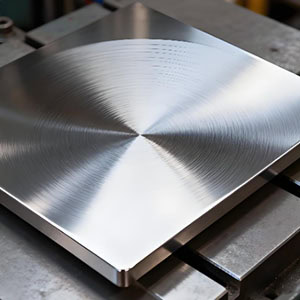
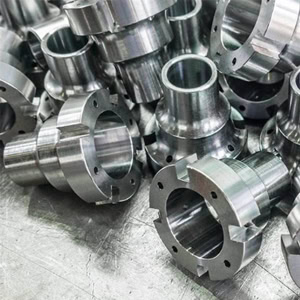
Why Do Metal Parts Need Surface Treatment After Machining

Why Do Metal Parts Need Surface Treatment After Machining? How to Choose the Right Finishing Method

Metal machining does not always mark the end of the manufacturing process. After CNC machining, turning, milling, stamping, or other manufacturing operations, metal parts may still have machining marks, burrs, oxidation, residual stress, or insufficient corrosion resistance.This is why metal surface treatment and finishing processes are widely used after machining. The right surface treatment can

Why Do Metal Parts Need Surface Treatment After Machining? How to Choose the Right Finishing Method Read More »

How to choose between 304 and 316 stainless steel for machining

How to choose between 304 and 316 stainless steel for machining? A Comparison of Performance and Machining Difficulty

304 and 316 stainless steel are two of the most widely used stainless steel grades in industrial manufacturing, CNC precision machining, mechanical components, and equipment production. Although they look similar, they differ in chemical composition, corrosion resistance, mechanical performance, and machining difficulty.For companies considering 304 stainless steel CNC machining or 316 stainless steel CNC machining,

How to choose between 304 and 316 stainless steel for machining? A Comparison of Performance and Machining Difficulty Read More »

What Are the Advantages of 6061 Aluminum CNC Machining

What Are the Advantages of 6061 Aluminum CNC Machining? A Complete Guide from Machinability to Applications

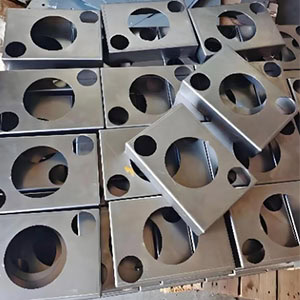
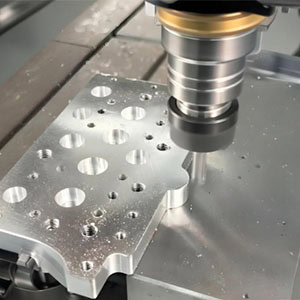
6061 aluminum is one of the most widely used aluminum alloys in precision CNC machining. It offers a balanced combination of strength, lightweight properties, corrosion resistance, machinability, and cost-effectiveness. These characteristics make 6061 aluminum CNC machining a popular choice for manufacturing precision components used in mechanical equipment, automotive systems, robotics, electronics, and aerospace applications. With

What Are the Advantages of 6061 Aluminum CNC Machining? A Complete Guide from Machinability to Applications Read More »

What Processes Are Used for CNC Finishing of Plastics

What Processes Are Used for CNC Finishing of Plastics?

CNC finishing of plastics is an important machining stage used in the production of plastic parts to improve dimensional accuracy, surface quality, and edge condition. After rough machining, a plastic part usually has its basic shape and structure, but if higher dimensional accuracy, smaller hole diameter tolerances, flatter machined surfaces, or a cleaner appearance are

What Processes Are Used for CNC Finishing of Plastics? Read More »

How Accurate Is Automatic Feature Recognition in CAM Software

How Accurate Is Automatic Feature Recognition in CAM Software?

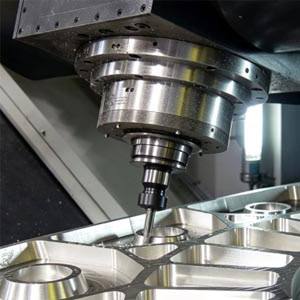
In CNC milling programming, automatic feature recognition can quickly identify machining features such as holes, slots, pockets, planes, and chamfers from 3D models, while also assisting in the generation of machining processes. For parts with regular structures, this function can reduce the time spent manually locating features and repeating programming tasks. However, automatic recognition is

How Accurate Is Automatic Feature Recognition in CAM Software? Read More »

How Is CNC Turning Cost Calculated?

How Is CNC Turning Cost Calculated?

When sourcing precision mechanical components, CNC turning cost is one of the key factors considered by engineers, purchasing teams, and product development companies. Even when parts have similar dimensions, their final prices can vary significantly due to differences in material, geometry, tolerances, order quantity, surface treatment, and machining requirements. For companies looking for custom precision

How Is CNC Turning Cost Calculated? Read More »

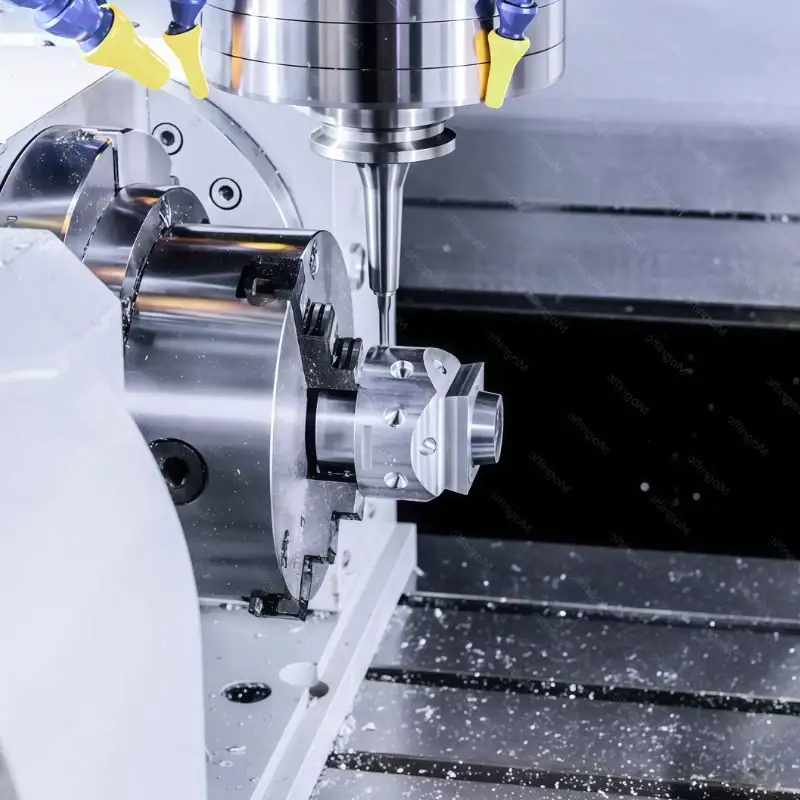
Computer numerical control machining, five‑axis machining of a robot joint shaft component part

Computer Numerical Control Machining: Process And Types

Computer numerical control machining is an automated manufacturing process in which programmed computer instructions control machine tools to remove material and produce precise parts. CNC technology can control tool movement, spindle speed, feed rate, cutting depth, tool changes, and machine positioning, making it suitable for repeatable production of simple and highly complex components. This guide

Computer Numerical Control Machining: Process And Types Read More »

What High Performance Metal Parts Are Suitable for 7075 Aluminum Machining

What High-Performance Metal Parts Are Suitable for 7075 Aluminum Machining?

7075 aluminum alloy is a high-strength aluminum material known for its excellent strength-to-weight ratio, good fatigue performance, and relatively good machinability. It is widely used in aerospace, automotive, robotics, industrial equipment, and other industries. As precision manufacturing places increasing demands on lightweight construction, high strength, and dimensional accuracy, 7075 aluminum machining has become a popular

What High-Performance Metal Parts Are Suitable for 7075 Aluminum Machining? Read More »

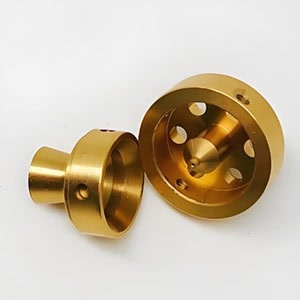
Are Brass Parts Suitable for CNC Machining

Are Brass Parts Suitable for CNC Machining? Performance, Precision, and Applications

Brass is a widely used copper-zinc alloy known for its excellent machinability, corrosion resistance, electrical conductivity, thermal conductivity, and mechanical properties. As precision manufacturing continues to develop, CNC brass machining has become an important method for producing high-quality brass components. For brass parts with complex structures, tight dimensional tolerances, or high-volume production requirements, CNC turning

Are Brass Parts Suitable for CNC Machining? Performance, Precision, and Applications Read More »

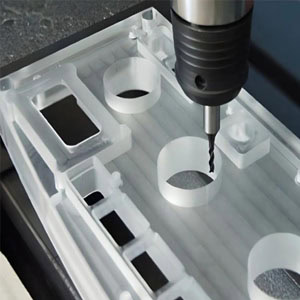
Tips for Drilling Plastic Parts with CNC Machining

Tips for Drilling Plastic Parts with CNC Machining

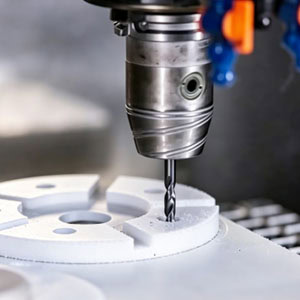
Drilling in CNC machining of plastic parts can easily result in dimensional deviations, burrs around the hole opening, breakout at the exit, rough hole walls, material melting, and chip blockage. Plastics differ significantly from metals in terms of thermal conductivity, rigidity, and behavior when heated. The heat generated after the drill enters the material is

Tips for Drilling Plastic Parts with CNC Machining Read More »

Scroll to Top
Simplified Table

To ensure successful upload, please compress all files into one .zip or .rar file before uploading.
Upload CAD files (.igs | .x_t | .prt | .sldprt | .CATPart | .stp | .step | .pdf).