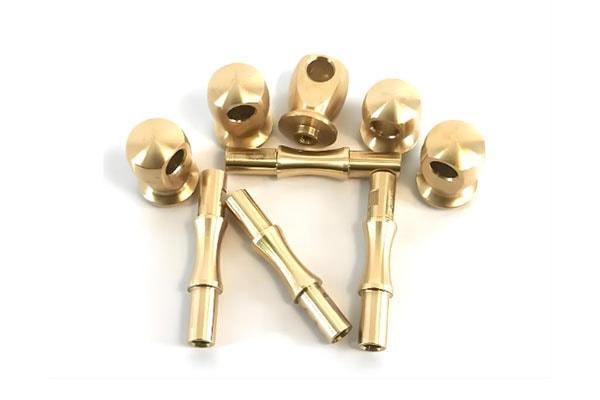
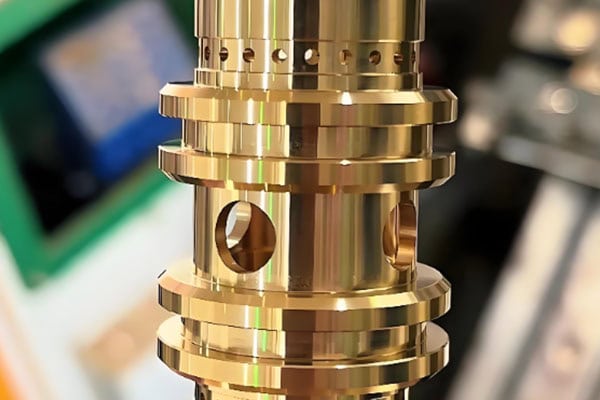
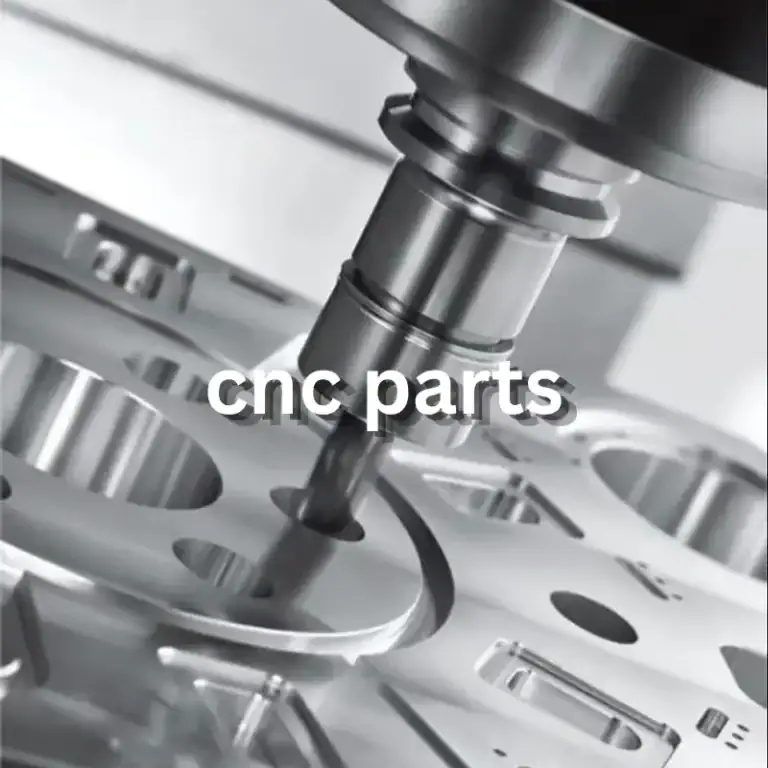
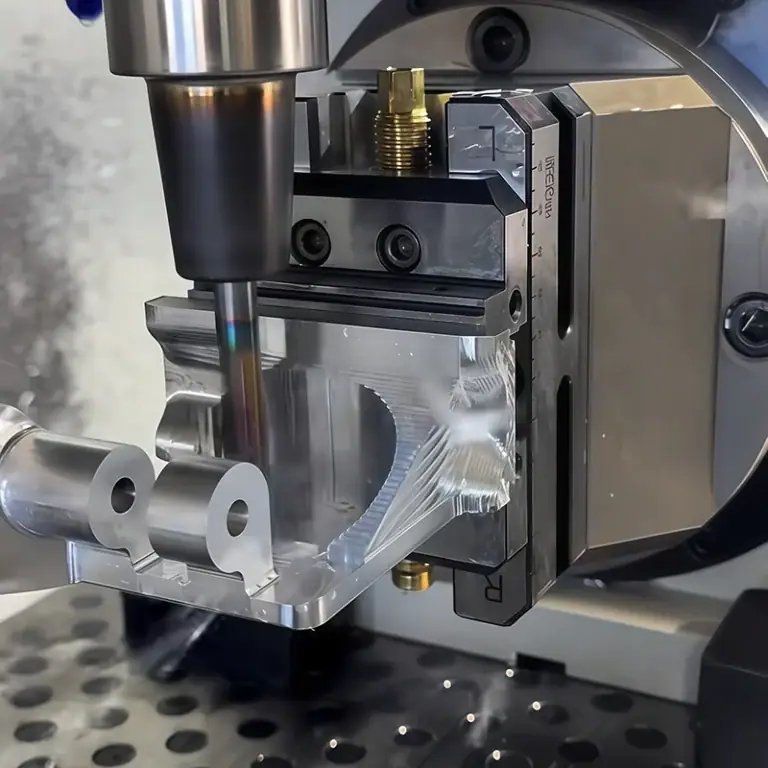
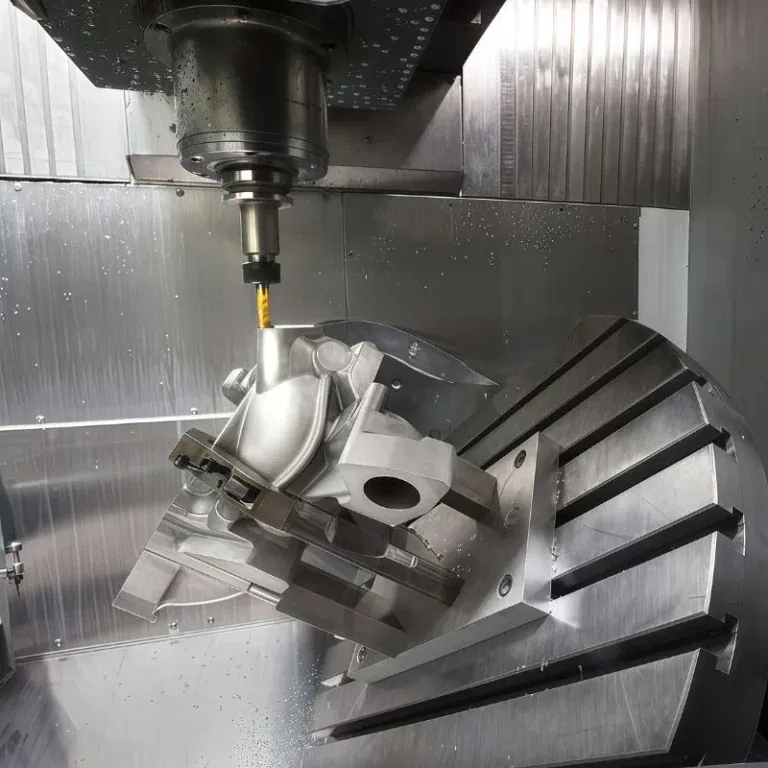
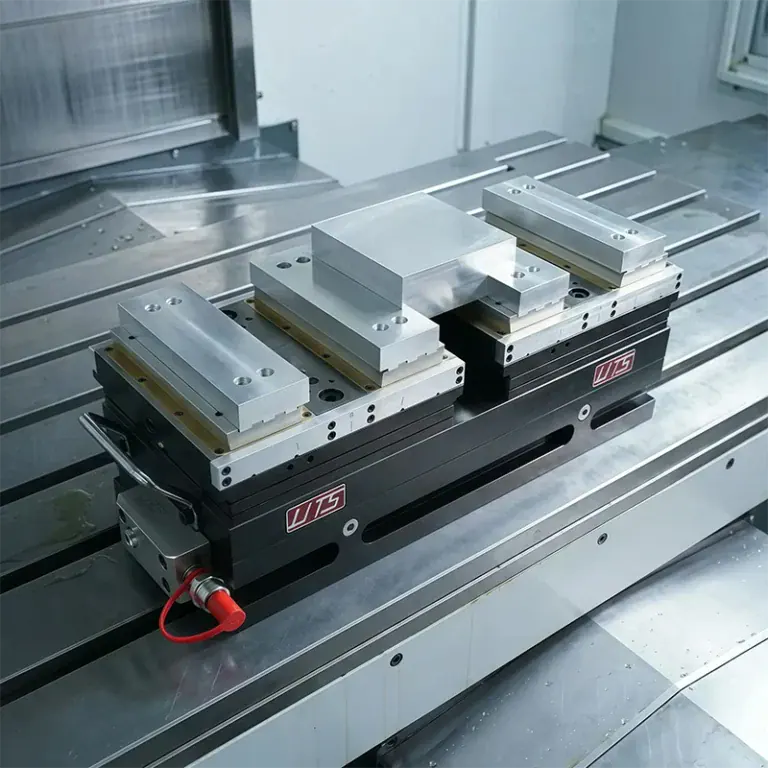
Brass is a widely used copper-zinc alloy known for its excellent machinability, corrosion resistance, electrical conductivity, thermal conductivity, and mechanical properties. As precision manufacturing continues to develop, CNC brass machining has become an important method for producing high-quality brass components. For brass parts with complex structures, tight dimensional tolerances, or high-volume production requirements, CNC turning and CNC milling can provide consistent quality and efficient manufacturing.
Get 20% offf
Your First Order
Need custom metal and plastic parts?
Why Is Brass Suitable for CNC Machining?
Excellent Machinability
Compared with some steels and stainless steels, brass generally has lower cutting resistance and is relatively easy to machine. Free-machining brass, in particular, performs well during turning, milling, drilling, and other CNC processes. Some free-machining brass grades can be processed at relatively high cutting speeds while maintaining good tool life and surface quality.
Different brass grades have different machining characteristics. For example, C36000 free-machining brass is well known for its excellent machinability, while lead-free brass grades may require different cutting tools and machining parameters.
CNC Machining Makes Full Use of Brass Properties
CNC machining uses programmed tool movements to perform turning, milling, drilling, tapping, chamfering, and other operations. For brass components, CNC machines can maintain consistent feed rates and tool paths, helping reduce operator-related errors.
For mass-produced threaded components, bushings, connectors, and precision mechanical parts, the good machinability of brass can help shorten production cycles while maintaining stable quality.
How Precise Is CNC Brass Machining?
Suitable for Precision Components
Brass has good cutting stability and is suitable for manufacturing components with tight dimensional requirements and complex geometries. By selecting appropriate cutting tools, fixtures, machining parameters, and process sequences, manufacturers can achieve high dimensional consistency.
For precision brass parts, important characteristics may include hole diameter, shaft diameter, thread dimensions, flatness, and concentricity. CNC machining can combine roughing and finishing operations to achieve more stable final dimensions.
Tool Selection Affects Machining Quality
Brass machining generally benefits from sharp cutting edges that minimize material deformation and burr formation. During production, spindle speed, feed rate, cutting depth, and tool geometry should be selected according to the specific brass grade.
It is important not to use exactly the same machining parameters for every type of brass. Different grades vary in hardness, strength, and machinability. Therefore, the material grade should be confirmed before developing a CNC machining process.
What Are the Advantages of CNC Brass Machining?
High Machining Efficiency
Free-machining brass can support high production efficiency, particularly during turning and drilling operations. With optimized machining parameters, brass components can often be manufactured efficiently while reducing the impact of tool wear on production.
Good Surface Finish
CNC-finished brass parts can achieve a smooth and attractive surface when suitable tools and finishing parameters are used. Additional processes such as polishing, plating, or nickel plating can further improve appearance, surface protection, and corrosion resistance.
Suitable for Complex Parts and Mass Production
CNC programs can be repeatedly executed, making CNC brass machining suitable for large-volume production. For products that require high dimensional consistency, standardized tooling, machining parameters, and inspection procedures can help reduce variation between production batches.
Common Applications of CNC Brass Parts
Electronic and Electrical Components
Brass offers good electrical conductivity, making it suitable for manufacturing terminals, connectors, electrical contacts, terminal screws, and other electrical components.
Plumbing and Valve Components
Brass combines corrosion resistance with good machinability and is widely used for valves, pipe fittings, connectors, valve stems, and other plumbing components. Complex threads and internal or external features can be efficiently produced through CNC turning and milling.
Automotive and Mechanical Components
CNC brass machining can be used to manufacture bushings, bearings, gears, connectors, precision fasteners, and other mechanical components. For parts that require good machinability, stable dimensions, and reliable performance, brass can be a competitive material choice.
Instrument and Measurement Components
Precision instruments often contain knobs, fittings, sleeves, mounting components, and other small parts that require dimensional accuracy and a good appearance. CNC machining can produce complex profiles and detailed features according to engineering drawings.
What Should Be Considered When CNC Machining Brass?
Confirm the Brass Grade
Brass is not a single material. Different brass grades can have significantly different machining characteristics. Before production, manufacturers should confirm the material composition, hardness, and mechanical properties and then select appropriate machining parameters.
Control Burrs and Deformation
Burrs may occur after machining, especially around holes, slots, thin walls, and sharp edges. Proper tool selection and machining sequences, together with an appropriate deburring process, can help improve the final quality of brass parts.
Perform Dimensional Inspection
For high-precision brass components, measuring equipment such as calipers, micrometers, and coordinate measuring machines (CMMs) can be used to verify critical dimensions. In mass production, systematic in-process inspection is also important for maintaining consistent quality.
For brass parts requiring tight dimensional tolerances, complex geometries, and consistent batch production, a professional CNC brass machining process can provide a good balance between precision, efficiency, and manufacturing cost.The ideal machining process should be determined according to the brass grade, component geometry, dimensional tolerances, surface finish requirements, and production volume. With the right CNC machining strategy, manufacturers can achieve reliable, accurate, and repeatable brass components for a wide range of industries.
Author
Galen Director and Founder
Committed to ensuring we provide the best possible service in the manufacturing industry.
The main spindle is one of the most important assemblies in a CNC machine. It provides the rotational motion required for cutting, holds either the cutting tool or the workpiece,
Guide pins are simple components, but they play a critical role in mold alignment, repeatable positioning, and long-term tooling stability. In injection molds, die sets, fixtures, and precision assemblies, a
CNC Part Manufacturing: Process, Quality & Design Guide CNC parts are used across aerospace, medical equipment, robotics, automotive systems, electronics, and industrial machinery because CNC machining can produce complex components
Two parts made from the same material can have very different milling prices. One may fit a standard vise and run with common tools. The other may need several setups,
Multiaxis machining is a CNC manufacturing process that allows the cutting tool, workpiece, or both to move across multiple controlled axes during machining. Instead of only cutting from one fixed
A precise toolpath is only useful when the workpiece stays where it belongs. If a part shifts, lifts, or bends during cutting, even a carefully programmed CNC machine can produce
Machining allowance is the extra material intentionally left on a workpiece before final machining. In CNC machining, this extra stock gives machinists enough material to remove surface defects, correct minor
Plain milling is a milling process used to machine broad, flat surfaces by removing material with the peripheral cutting edges of a rotating cutter. It is commonly performed on a
Glass filled nylon is a reinforced engineering plastic that combines the versatility of nylon with the strength and stiffness of glass fibers. Compared with unfilled nylon, it offers better resistance
Tensile stress is the internal force per unit area produced when a material is pulled by an external load. It is calculated by dividing the applied tensile force by the
CNC machining programming connects a digital part design with the movements of a CNC machine. A well-built program defines where the cutting tool moves, which tools are used, how fast
Vertical and horizontal milling use the same basic cutting principle, but spindle orientation changes how the tool reaches the workpiece, clears chips, and handles different part geometries. This guide explains