Tirapid

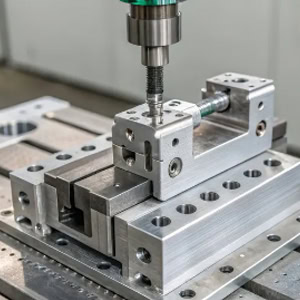
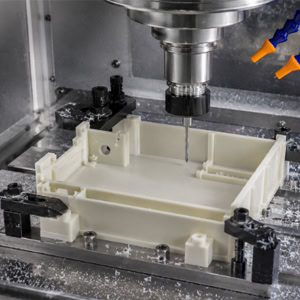
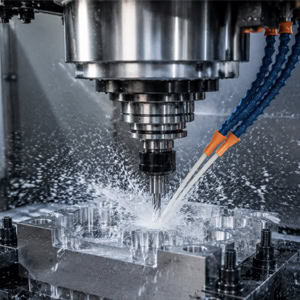
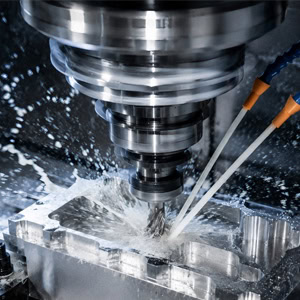
Images of metal cutting processes on CNC milling machines.

How Does the CNC Milling Machine Control System Affect Quality?

In CNC milling, many customers tend to focus first on spindle speed, tool material, and machine rigidity, but what truly determines the final performance of a part is often the machine control system. The control system is the “brain” of the machine tool. It is responsible for trajectory calculation, servo drive, error correction, and machining

How Does the CNC Milling Machine Control System Affect Quality? Read More »
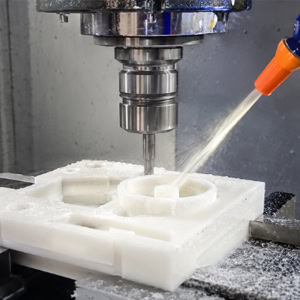
Minimal Quantity Lubrication (MQL) and Cooling for CNC Machining of Plastic Materials

Does CNC Machining Plastic Require Cooling?

During CNC machining of plastic materials, although plastics generally have lower cutting resistance, their thermal conductivity is much lower than metals. As a result, heat generated during cutting is not easily dissipated. If cutting heat continues to accumulate, it may lead to material softening, melting edges, increased burrs, dimensional changes, or even surface burn marks.

Does CNC Machining Plastic Require Cooling? Read More »

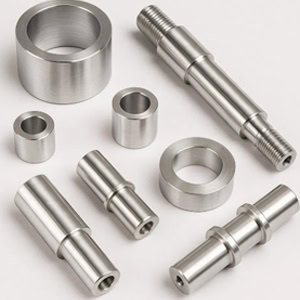
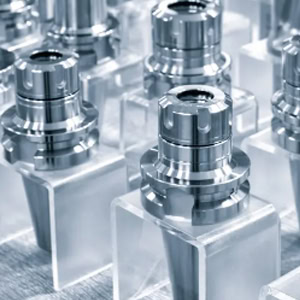
Precision machining tools

What Are the Advantages of CNC Precision Machining?

As manufacturing continues to move toward higher precision, greater efficiency, and better product quality, more industries are adopting CNC precision machining to produce critical components. From medical devices and aerospace to automotive manufacturing and consumer electronics, countless products rely on stable and reliable machining processes. Compared with conventional machining, CNC precision machining uses computerized programming

What Are the Advantages of CNC Precision Machining? Read More »

Is CNC Plastic Machining Necessary

Is CNC Plastic Machining Necessary?

Plastic components are widely used in electronic devices, medical equipment, the automotive industry, automation systems, and precision instruments. Unlike traditional injection molding or simple cutting methods, CNC machining can manufacture high-precision parts directly from a 3D design model. It is especially suitable for low-volume production, custom components, and parts with complex geometries. However, not every

Is CNC Plastic Machining Necessary? Read More »

Which Parts Are Suitable for CNC Turning

Which Parts Are Suitable for CNC Turning?

In modern precision manufacturing, CNC turning has become one of the most widely used machining processes for rotational components. It is extensively applied in industries such as automotive, aerospace, medical devices, electronics, and industrial automation. Compared with traditional manual lathes, CNC turning uses computer numerical control to precisely manage tool paths, enabling highly accurate, stable,

Which Parts Are Suitable for CNC Turning? Read More »

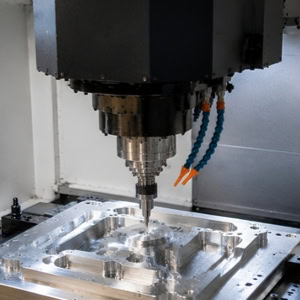
Precision milling machining using a vertical machining center.

How Can CNC Milling Improve Mold Processing Efficiency?

What frustrates customers most in mold processing is often not how complex the part itself is, but rather repeated delivery delays, frequent rework, and rising costs. For injection molds, die-casting molds, and stamping molds, low efficiency means longer project cycles, which affects both sample validation and mass delivery. To truly improve efficiency, you cannot just

How Can CNC Milling Improve Mold Processing Efficiency? Read More »

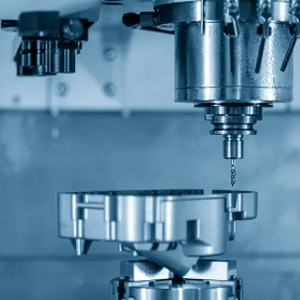
CNC machine tool milling metal cutting tools

What Are the Manufacturing Methods for Precision Metal Parts?

Precision metal parts are widely used in industries such as automotive, electronics, medical devices, automation equipment, and aerospace, making them essential components in many high-end products. As products continue to become smaller, lighter, and more precise, customers place higher demands on dimensional accuracy, surface quality, assembly performance, and production consistency. Different product structures, materials, and

What Are the Manufacturing Methods for Precision Metal Parts? Read More »

Why Is CNC Turning Essential for Medical Parts Manufacturing?

Why Is CNC Turning Essential for Medical Parts Manufacturing?

The medical industry demands extremely high standards for component precision, surface quality, consistency, and reliability. Whether manufacturing surgical instruments, orthopedic implants, dental components, diagnostic equipment, or imaging device parts, every component must meet strict dimensional tolerances and deliver dependable long-term performance. Even the smallest machining error may affect equipment functionality or patient safety. For this

Why Is CNC Turning Essential for Medical Parts Manufacturing? Read More »

CNC milling machine machining scenario.

How Can CNC Milling Improve Material Utilization?

In an environment where part quotations are becoming increasingly transparent and raw material prices continue to fluctuate, material waste is no longer just a cost issue—it directly affects lead time, profit, and the competitiveness of customer pricing. Many companies assume that improving material utilization simply means “using less material,” but the truly effective approach is

How Can CNC Milling Improve Material Utilization? Read More »

Threading

What Equipment Is Required for Micro Part Machining?

Although micro parts may appear insignificant, they often determine the precision, stability, and service life of an entire product. Whether used in critical medical device components, consumer electronics, aerospace systems, or precision instruments, the smaller the part, the higher the machining requirements. From millimeter-scale to micron-scale components, these parts not only feature highly complex geometries

What Equipment Is Required for Micro Part Machining? Read More »

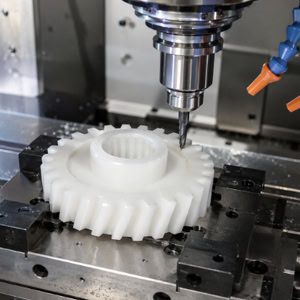
Automotive Plastic Gear CNC Machining Methods

Automotive Plastic Gear CNC Machining Methods

With the continuous advancement of automotive lightweighting and precision manufacturing technologies, plastic gears are being used more extensively in the automotive industry. Compared with traditional metal gears, engineering plastic gears offer advantages such as lightweight construction, lower operating noise, corrosion resistance, excellent self-lubricating properties, and high machining efficiency. They are widely used in automotive seat

Automotive Plastic Gear CNC Machining Methods Read More »

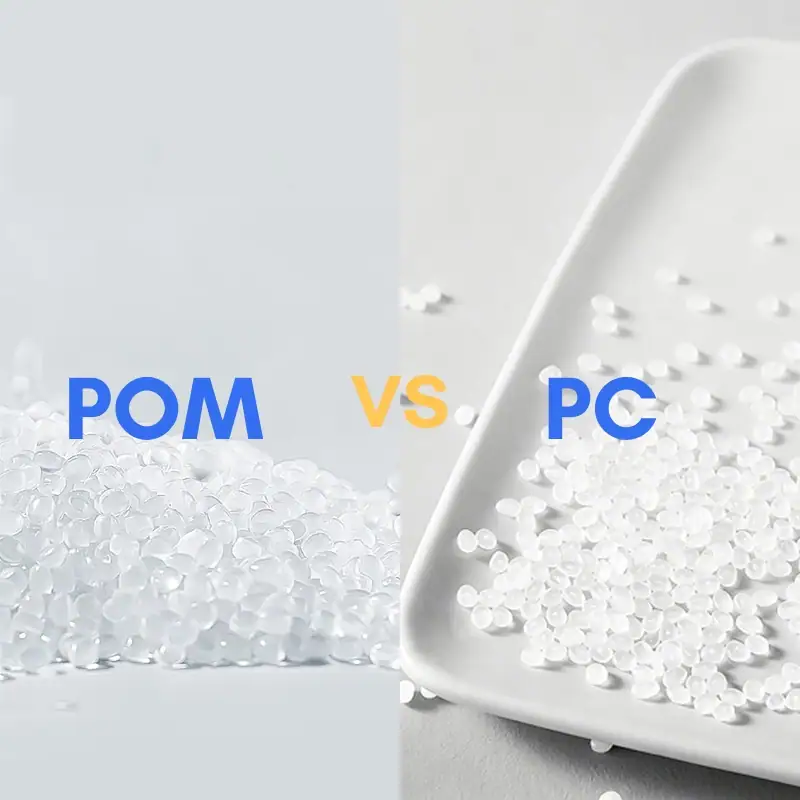
POM vs PC raw materials comparison showing plastic pellets for choosing the right material for CNC machined plastic parts

POM Vs PC: Which Plastic Is Better For CNC Machined Parts?

POM vs PC is an important material comparison for engineers and buyers who need precision CNC machined plastic parts. POM is known for low friction, wear resistance, and dimensional stability, while PC offers excellent impact resistance, toughness, and transparency. Choosing the right material can affect part performance, machining cost, surface quality, and long-term reliability. This

POM Vs PC: Which Plastic Is Better For CNC Machined Parts? Read More »

Scroll to Top
Simplified Table

To ensure successful upload, please compress all files into one .zip or .rar file before uploading.
Upload CAD files (.igs | .x_t | .prt | .sldprt | .CATPart | .stp | .step | .pdf).