Tirapid

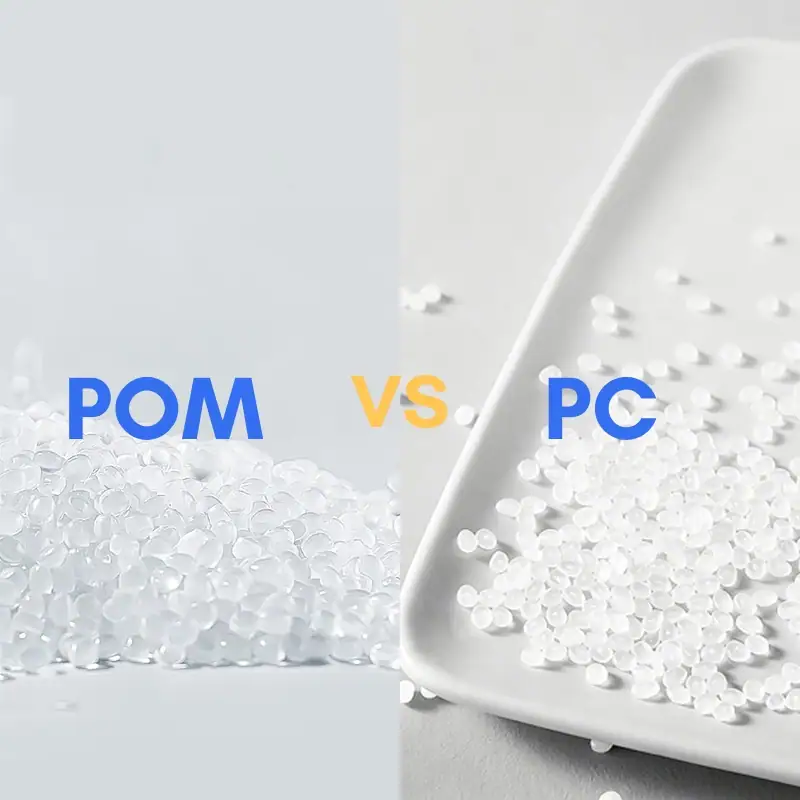
POM vs PC raw materials comparison showing plastic pellets for choosing the right material for CNC machined plastic parts

POM Vs PC: Which Plastic Is Better For CNC Machined Parts?

POM vs PC is an important material comparison for engineers and buyers who need precision CNC machined plastic parts. POM is known for low friction, wear resistance, and dimensional stability, while PC offers excellent impact resistance, toughness, and transparency. Choosing the right material can affect part performance, machining cost, surface quality, and long-term reliability. This

POM Vs PC: Which Plastic Is Better For CNC Machined Parts? Read More »
What Is the Difference Between CNC Plastic Machining and Metal Machining

What Is the Difference Between CNC Plastic Machining and Metal Machining?

Whether manufacturing plastic parts or metal components, CNC machining is one of the most widely used manufacturing methods in modern industry. By using computer programs to control machine tool movements, CNC machining can perform milling, drilling, tapping, turning, and complex surface machining, meeting the requirements of high precision, low-volume production, and customized manufacturing.Although both plastic

What Is the Difference Between CNC Plastic Machining and Metal Machining? Read More »

What Are the Characteristics of Stainless Steel CNC Turning

What Are the Characteristics of Stainless Steel CNC Turning?

Stainless steel is one of the most widely used engineering materials in modern manufacturing. Thanks to its excellent corrosion resistance, high mechanical strength, wear resistance, and attractive surface appearance, it is extensively used in medical devices, food processing equipment, automotive components, aerospace parts, marine engineering, industrial machinery, and precision instruments. As manufacturing standards continue to

What Are the Characteristics of Stainless Steel CNC Turning? Read More »

Industrial machining

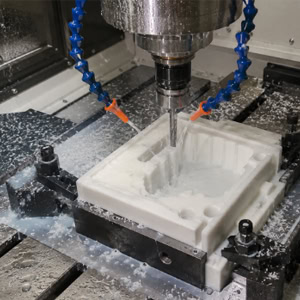
What Are the Processing Methods for Engineering Plastic Parts?

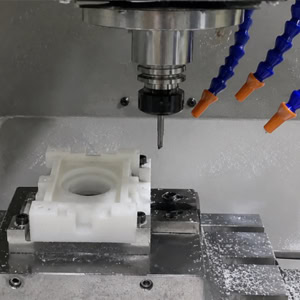
In modern manufacturing systems, engineering plastic parts are widely used in electronics, automotive structural components, medical devices, and automation machinery. Compared with metal materials, engineering plastics offer advantages such as lightweight properties, electrical insulation, and corrosion resistance. However, during machining, they are more prone to issues such as thermal deformation, dimensional shrinkage, edge melting, and

What Are the Processing Methods for Engineering Plastic Parts? Read More »

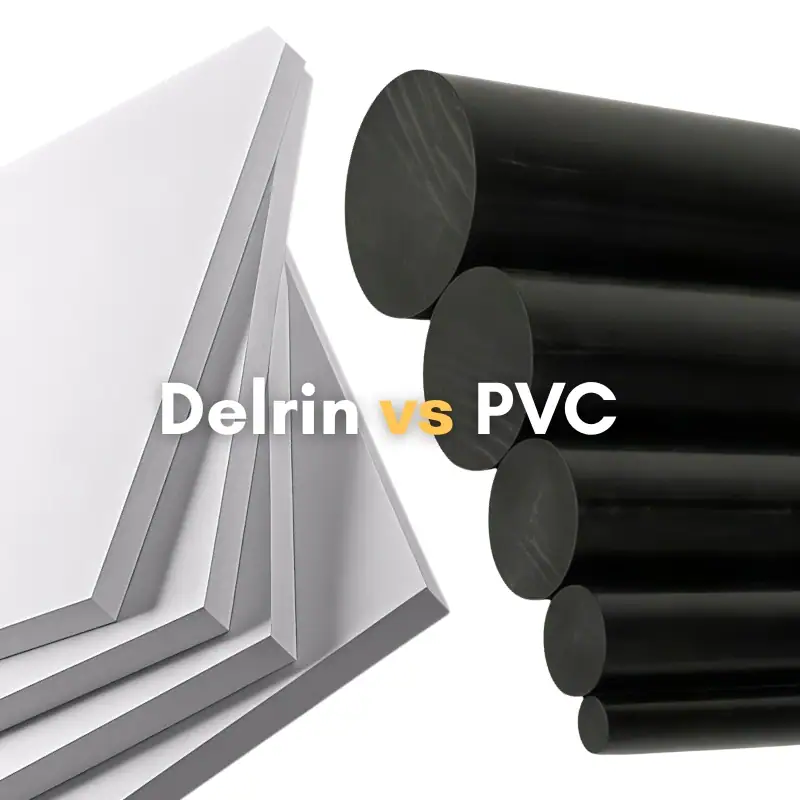
Delrin vs PVC raw materials for engineering plastic comparison and CNC machining selection

Delrin vs PVC: Key Differences, Properties, and Applications

Delrin vs PVC is a useful plastic material comparison because both materials are used in industrial, electrical, and machined components, but they serve very different engineering needs. Delrin is usually selected for strength, rigidity, wear resistance, low friction, and precision CNC machining, while PVC is chosen for chemical resistance, electrical insulation, corrosion resistance, and cost-effective

Delrin vs PVC: Key Differences, Properties, and Applications Read More »

What Is the CNC Turning Process in Industrial Manufacturing

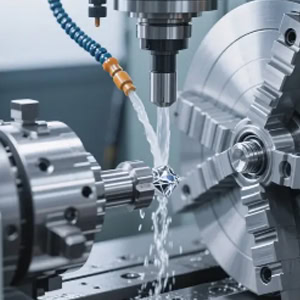
What Is the CNC Turning Process in Industrial Manufacturing?

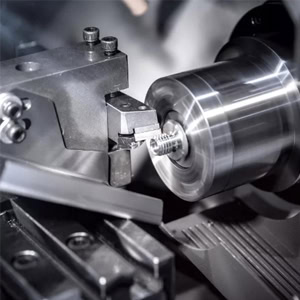
CNC turning has become one of the most important machining technologies in modern industrial manufacturing. It is widely used to produce precision rotational components for industries such as automotive, aerospace, medical devices, electronics, energy equipment, and industrial automation. Compared with conventional lathes, CNC turning uses computer numerical control systems to automate the entire machining process,

What Is the CNC Turning Process in Industrial Manufacturing? Read More »

How Does CNC Milling Meet High End Manufacturing Requirements

How Does CNC Milling Meet High-End Manufacturing Requirements?

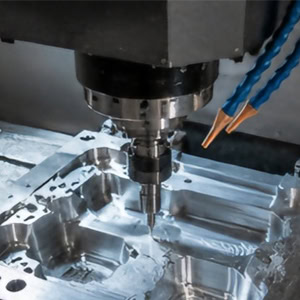
In the high-end manufacturing sector, what customers truly care about is often not whether a part can be machined, but whether it can be machined accurately and consistently. Whether it is aerospace components, medical device parts, precision molds, or structural parts for high-end equipment, products must not only meet strict dimensional accuracy requirements, but also

How Does CNC Milling Meet High-End Manufacturing Requirements? Read More »

Avoiding Deformation and Melting During Plastic CNC Routing

Requirements for Precision Aerospace Plastic CNC Machining

Precision aerospace plastic CNC machining is one of the most demanding processes in the entire high-end manufacturing system. It not only involves the geometric accuracy of parts but also relates to the long-term stability of materials under extreme environments. Compared with general industrial machining, these parts often need to maintain consistent performance under temperature fluctuations,

Requirements for Precision Aerospace Plastic CNC Machining Read More »

Precision CNC machined metal parts

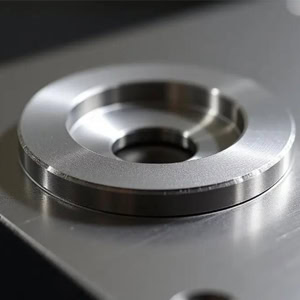
Medical-Grade Stainless Steel Machining: Key Considerations

Medical-grade stainless steel is widely used in surgical instruments, implant components, and precision medical equipment. Compared with standard industrial parts, medical components require much higher standards for material purity, dimensional accuracy, surface finish, and long-term reliability. Even minor scratches, residual stress, or machining contamination can compromise product performance and safety. For this reason, precision machining

Medical-Grade Stainless Steel Machining: Key Considerations Read More »

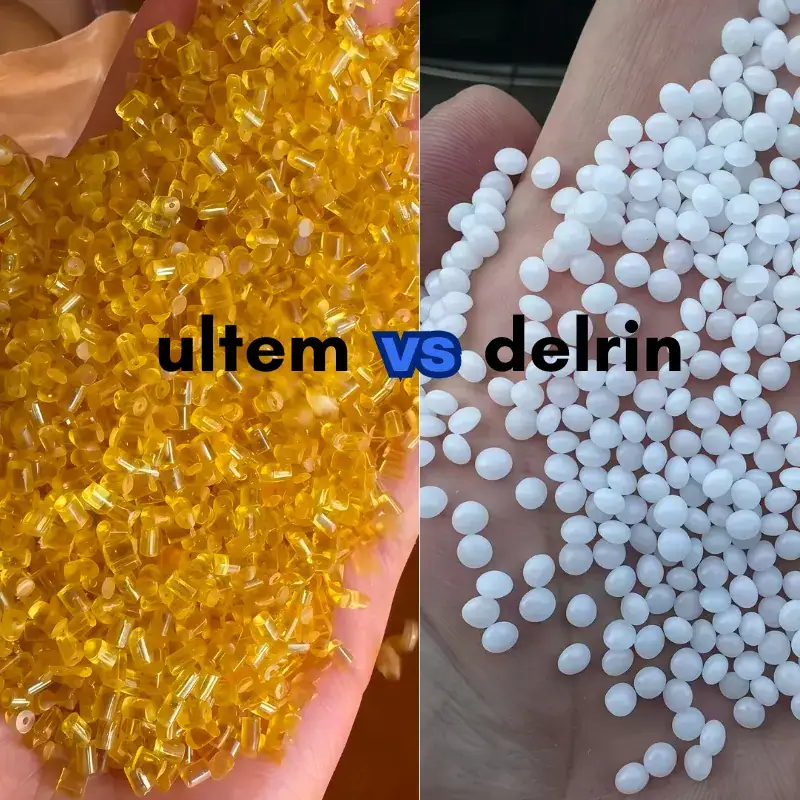
Ultem Engineering Plastic Pellets vs Delrin Engineering Plastic Pellets

Ultem vs Delrin: Properties, Differences, and Uses

Ultem and Delrin are two widely used engineering plastics in CNC machining and industrial manufacturing, but they are designed for very different operating environments. Ultem is known for high heat resistance, flame resistance, and dimensional stability, while Delrin is valued for low friction, toughness, machinability, and wear resistance. Choosing between Ultem and Delrin depends on

Ultem vs Delrin: Properties, Differences, and Uses Read More »

Scroll to Top
Simplified Table

To ensure successful upload, please compress all files into one .zip or .rar file before uploading.
Upload CAD files (.igs | .x_t | .prt | .sldprt | .CATPart | .stp | .step | .pdf).