Tirapid

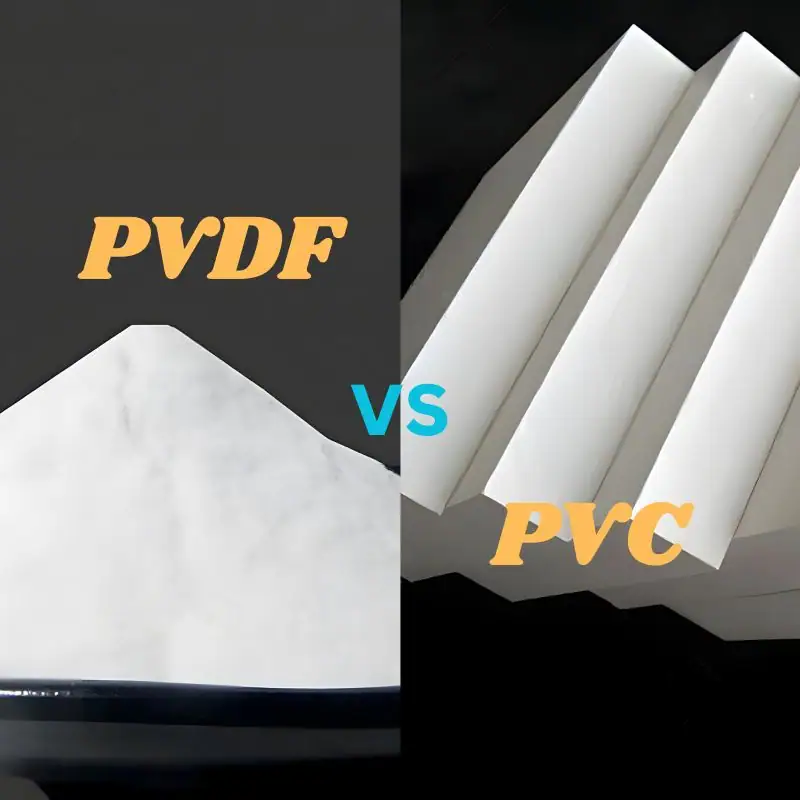
PVDF vs PVC material comparison for CNC plastic parts and engineering applications

PVDF vs PVC: Key Differences for CNC Plastic Parts

PVDF vs PVC is a common material comparison for engineers designing chemical-processing equipment, fluid-handling systems, electrical components, and precision plastic parts. Both thermoplastics resist corrosion and moisture, but they differ greatly in temperature capability, chemical durability, purity, stiffness, weather resistance, and cost. This guide explains how PVDF and PVC compare in practical CNC machining applications.

PVDF vs PVC: Key Differences for CNC Plastic Parts Read More »
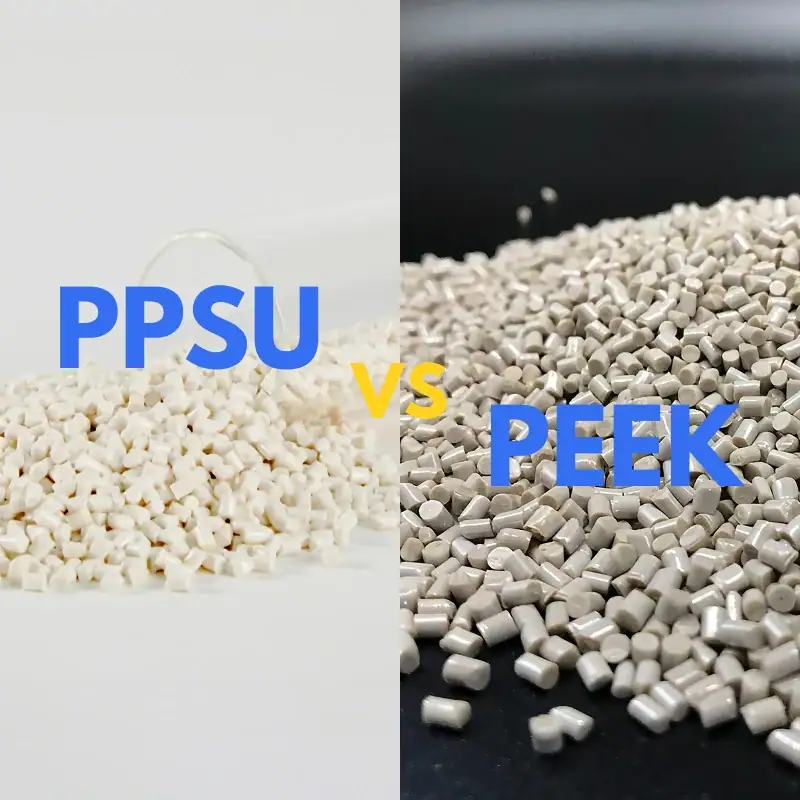
PPSU vs PEEK material comparison for CNC plastic parts and high-performance polymer selection

PPSU Vs PEEK: Key Differences For CNC Plastic Parts

PPSU vs PEEK is a common material selection question when engineers need high-performance plastic parts for medical, industrial, aerospace, food equipment, and precision mechanical applications. Both materials offer better heat resistance, chemical resistance, and mechanical performance than many standard engineering plastics, but they are not the same. PPSU is often selected for tough, sterilizable, and

PPSU Vs PEEK: Key Differences For CNC Plastic Parts Read More »
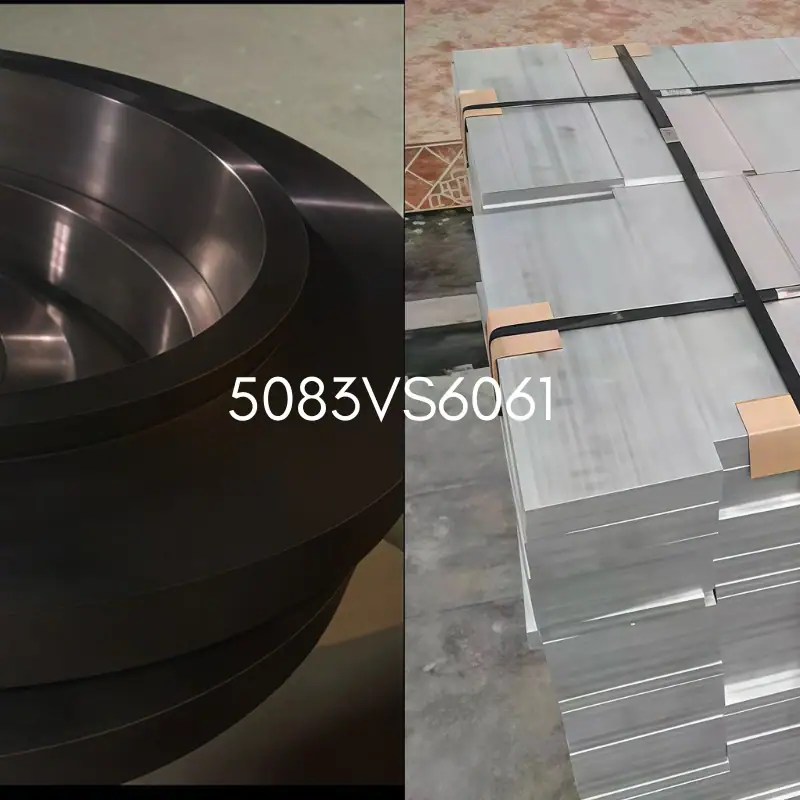
5083 aluminum machined flange part vs 6061-T6 aluminum plate raw material

Aluminum 5083 vs 6061: Properties and Selection Guide

Aluminum 5083 and 6061 are both widely used engineering aluminum alloys, but they are chosen for different reasons. 5083 is often preferred for stronger corrosion resistance and welded marine or sheet applications, while 6061 is more often selected for machining, structural parts, and projects that need a balanced combination of strength, weldability, and versatility. In

Aluminum 5083 vs 6061: Properties and Selection Guide Read More »

What Is the Minimum Wall Thickness Achievable with Plastic CNC Machining

What Is the Minimum Wall Thickness Achievable with Plastic CNC Machining?

Injection-molded parts follow established design guidelines for uniform wall thickness, but CNC machining is not subject to mold-filling constraints and offers greater design freedom—which is why extremely thin wall designs frequently appear on drawings. However, while CNC machining can theoretically cut very thin features, the practically achievable wall thickness is governed by a combination of

What Is the Minimum Wall Thickness Achievable with Plastic CNC Machining? Read More »

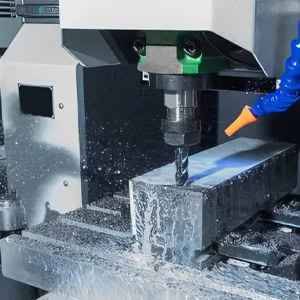
Liquid cooling method

How Are High-Hardness Steels Machined?

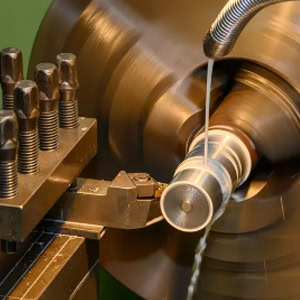
In mold manufacturing, automotive components, aerospace equipment, and precision machinery industries, high-hardness steels are commonly used for critical parts that need to withstand long-term pressure, friction, and impact. Materials such as tool steel and hardened steel offer excellent wear resistance and strength, but their high hardness and cutting resistance also make machining highly challenging. Many

How Are High-Hardness Steels Machined? Read More »

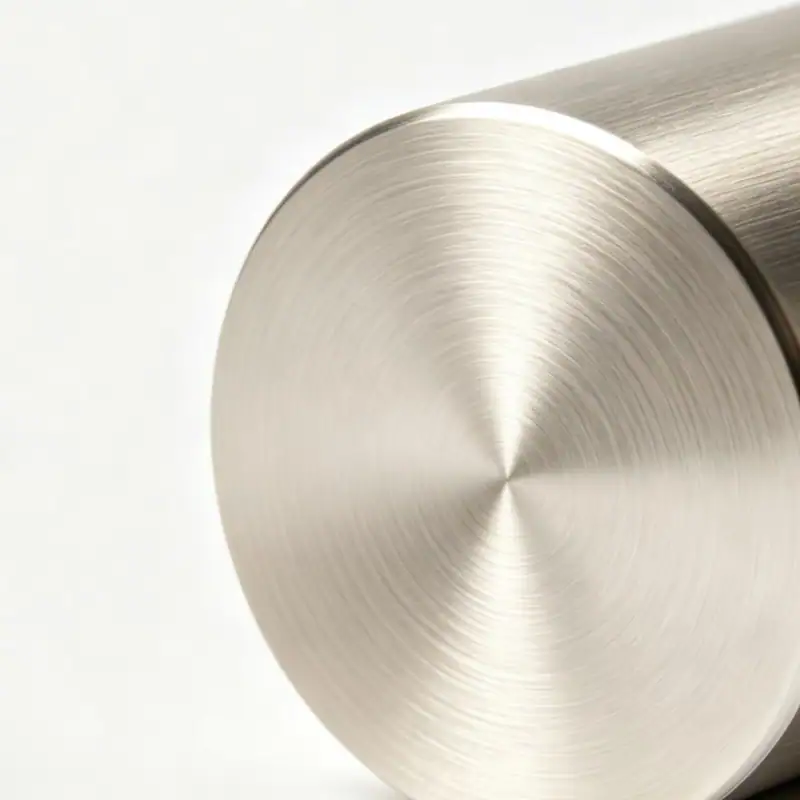
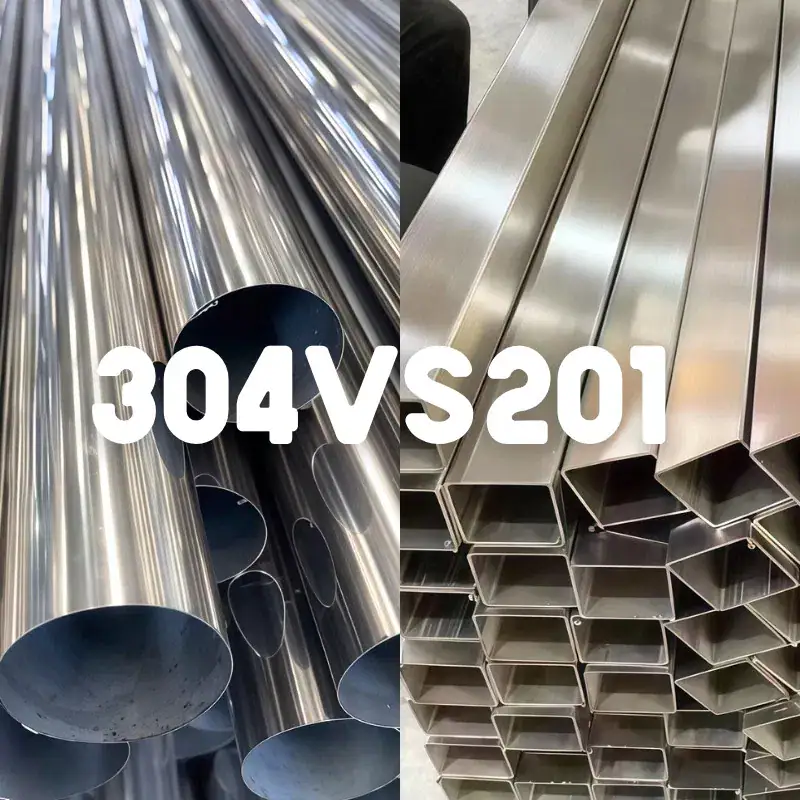
304 stainless steel round tube vs 201 stainless steel square bar

304 vs 201 Stainless Steel: Differences, Pros, Cons, and Applications

304 vs 201 are two common stainless steel grades, but they are not designed for the same level of performance. In simple terms, 201 is often chosen when cost matters most, while 304 is more often chosen when corrosion resistance, food-contact confidence, and long-term durability matter more. That is why the comparison between 304 vs

304 vs 201 Stainless Steel: Differences, Pros, Cons, and Applications Read More »

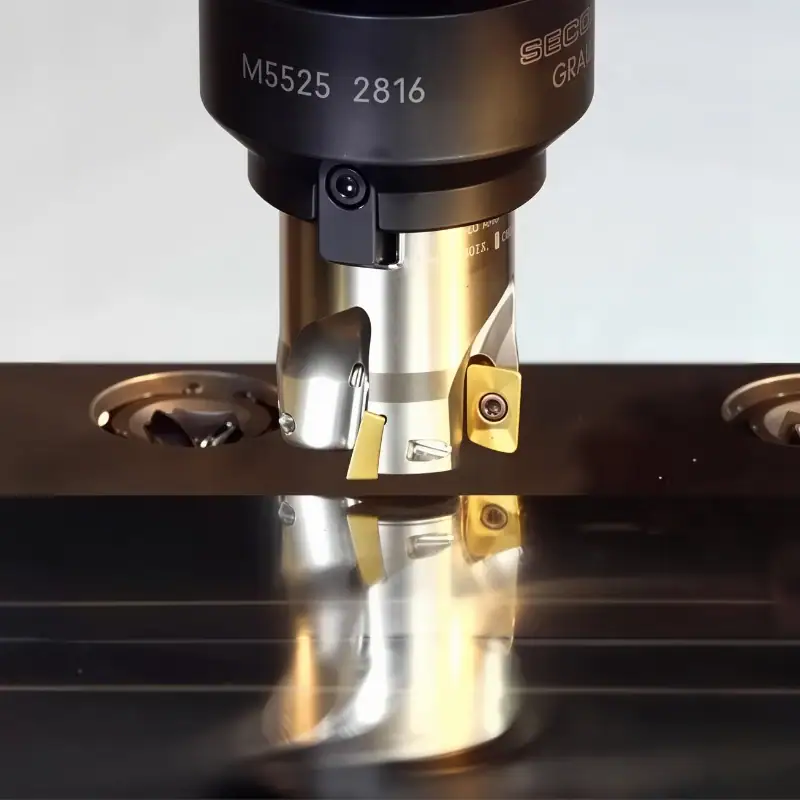
Images of metal milling and drilling processes.

How Does CNC Milling Improve Production Competitiveness?

In today’s increasingly competitive manufacturing industry, what customers truly care about is often not whether a part can be made, but whether it can be made accurately, quickly, and consistently. This is especially true for precision parts, structural components, and appearance parts. Once there is a dimensional deviation, delivery delay, or batch inconsistency, it will

How Does CNC Milling Improve Production Competitiveness? Read More »

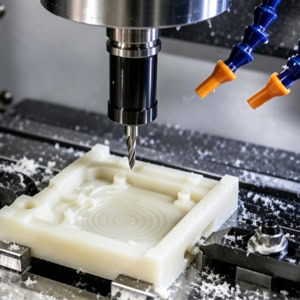
Deep-Cavity Plastic CNC Machining Chip Removal Solutions

How to Solve Chip Evacuation Problems When CNC Machining Deep-Cavity Plastic Parts?

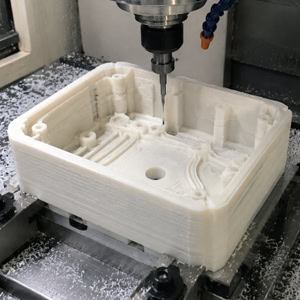
Deep-cavity machining is one of the more demanding operations in plastic CNC machining. Unlike shallow slots or surface-level work, deep cavities involve substantial tool overhang and confined chip-evacuation space. If chips are not cleared in time, they are repeatedly recut by the tool, leading to surface scoring, elevated cutting temperatures, and, in severe cases, tool

How to Solve Chip Evacuation Problems When CNC Machining Deep-Cavity Plastic Parts? Read More »

Introduction to Brass CNC Turning Machining Process

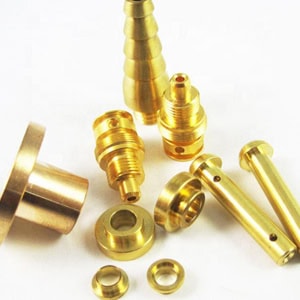
Introduction to Brass CNC Turning Machining Process

Brass is a widely used copper alloy material with excellent electrical conductivity, thermal conductivity, corrosion resistance, and outstanding machinability. It is commonly used in electronic components, automotive parts, valves, connectors, precision instruments, and industrial equipment. With the increasing demand for higher accuracy and production efficiency in modern manufacturing, brass CNC turning has become an important

Introduction to Brass CNC Turning Machining Process Read More »

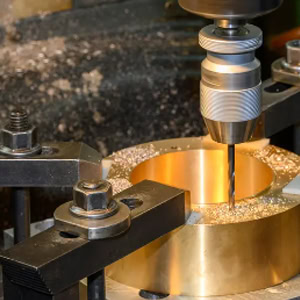
Drilling Process on CNC Milling Machines

How to Ensure Precision in Copper Part Machining?

Copper parts are widely used in mechanical manufacturing, electronic equipment, automotive components, and new energy industries. Due to copper’s excellent electrical conductivity, thermal conductivity, and corrosion resistance, it has become an ideal material for many high-performance components. However, copper machining is not as simple as it may seem, especially when strict dimensional accuracy is required.

How to Ensure Precision in Copper Part Machining? Read More »

Scroll to Top
Simplified Table

To ensure successful upload, please compress all files into one .zip or .rar file before uploading.
Upload CAD files (.igs | .x_t | .prt | .sldprt | .CATPart | .stp | .step | .pdf).