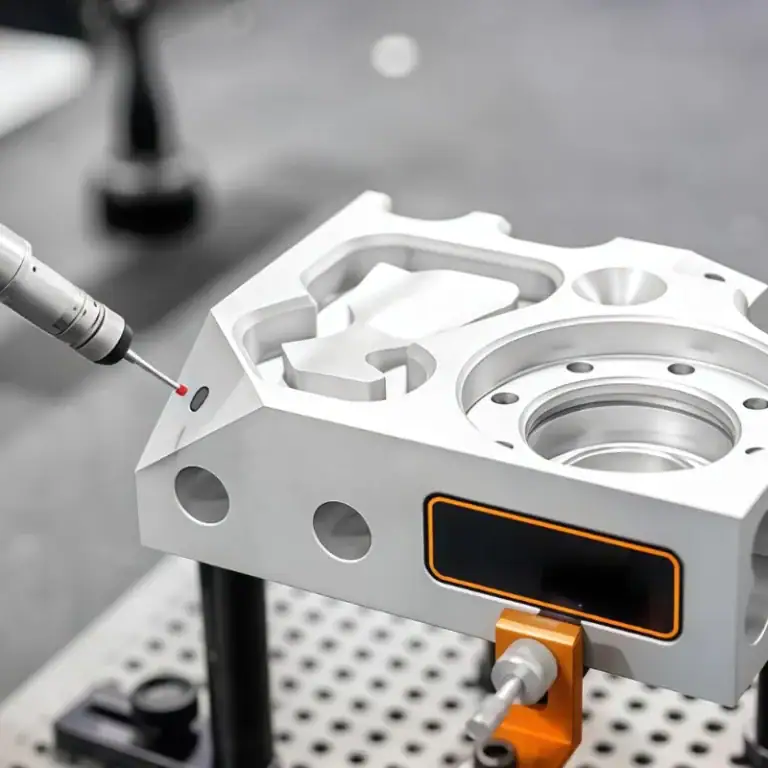
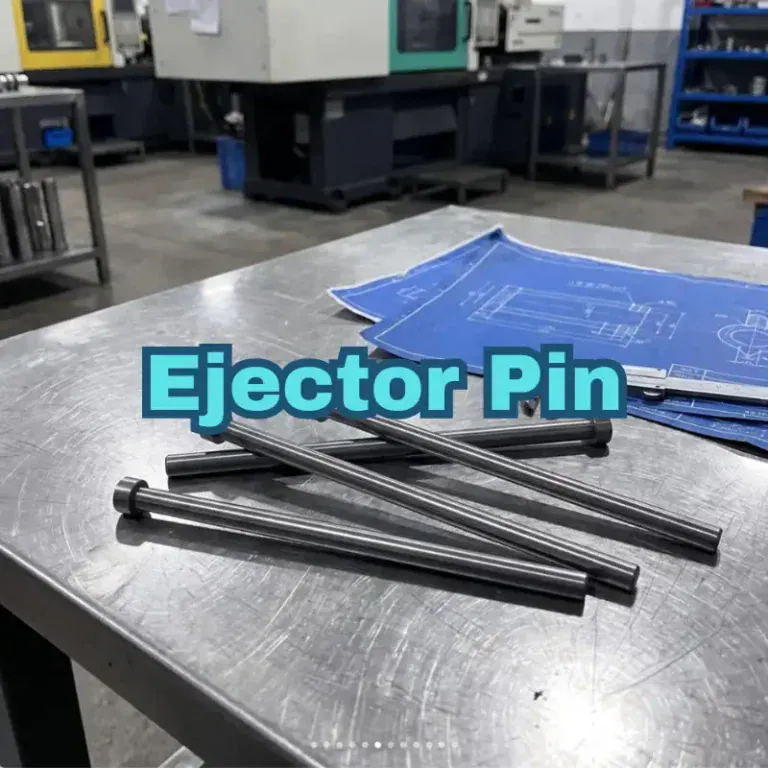
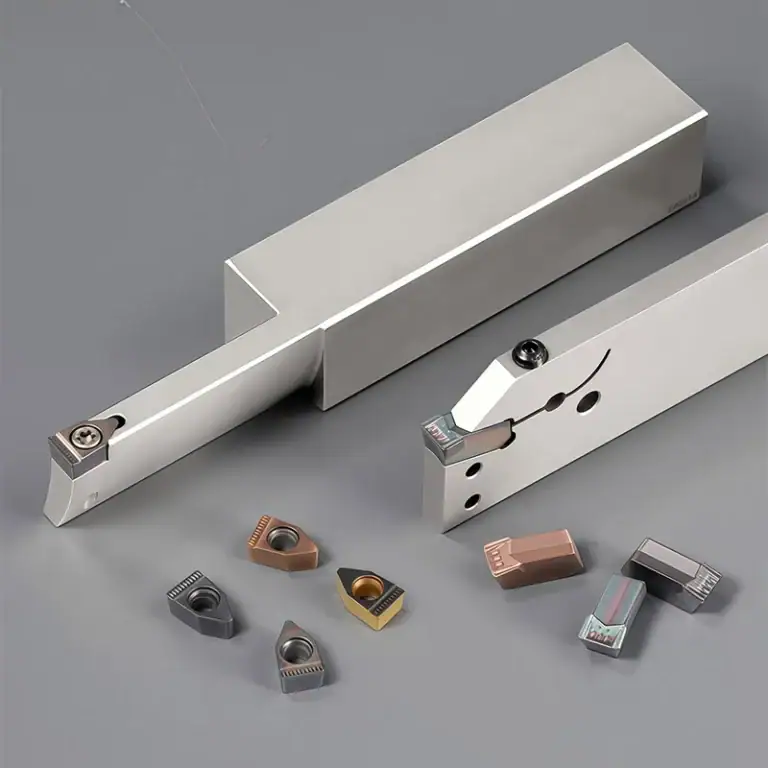
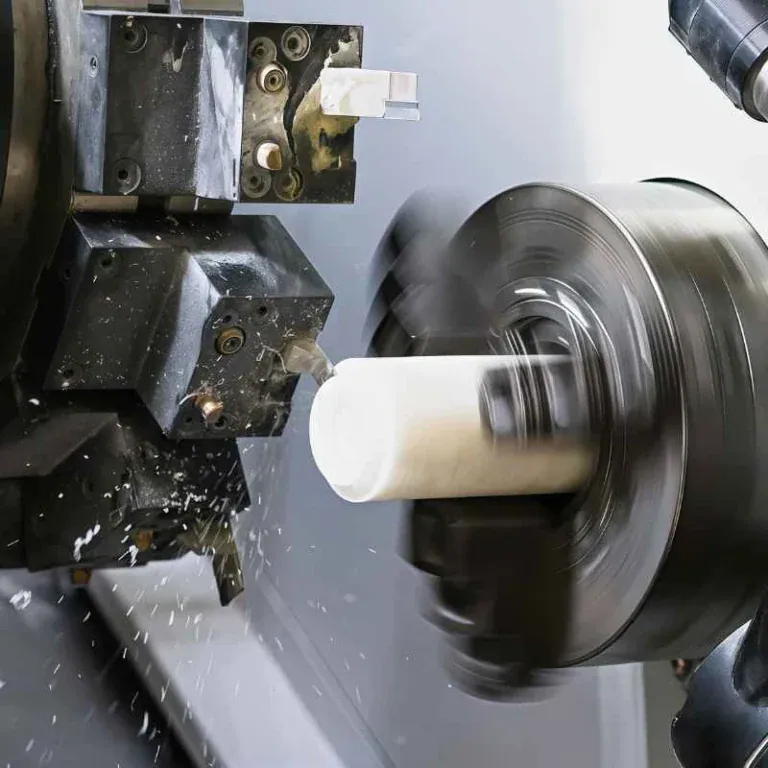
In mold manufacturing, automotive components, aerospace equipment, and precision machinery industries, high-hardness steels are commonly used for critical parts that need to withstand long-term pressure, friction, and impact. Materials such as tool steel and hardened steel offer excellent wear resistance and strength, but their high hardness and cutting resistance also make machining highly challenging. Many customers face similar issues when processing these materials: rapid tool wear, reduced machining efficiency, difficult dimensional control, and parts failing to meet drawing requirements after machining. High-hardness steel is not impossible to process, but it requires the right approach based on material condition, part structure, and application requirements. With proper process planning and precision machining technology, high-hardness materials can achieve stable, high-quality manufacturing while maintaining accuracy and extending part service life.
What Makes High-Hardness Steel Difficult to Machine?
The biggest characteristic of high-hardness steel is its hardness, which provides excellent performance during use but also directly increases manufacturing difficulty. Traditional machining experience with standard steels cannot always be applied to high-hardness materials because increased hardness changes cutting forces, heat generation, and tool wear behavior. If the machining method is not properly selected, it can shorten tool life, reduce surface quality, increase dimensional deviations, and even affect final assembly performance. Therefore, understanding these challenges before machining is essential for developing an effective manufacturing strategy.
High Hardness Accelerates Tool Wear
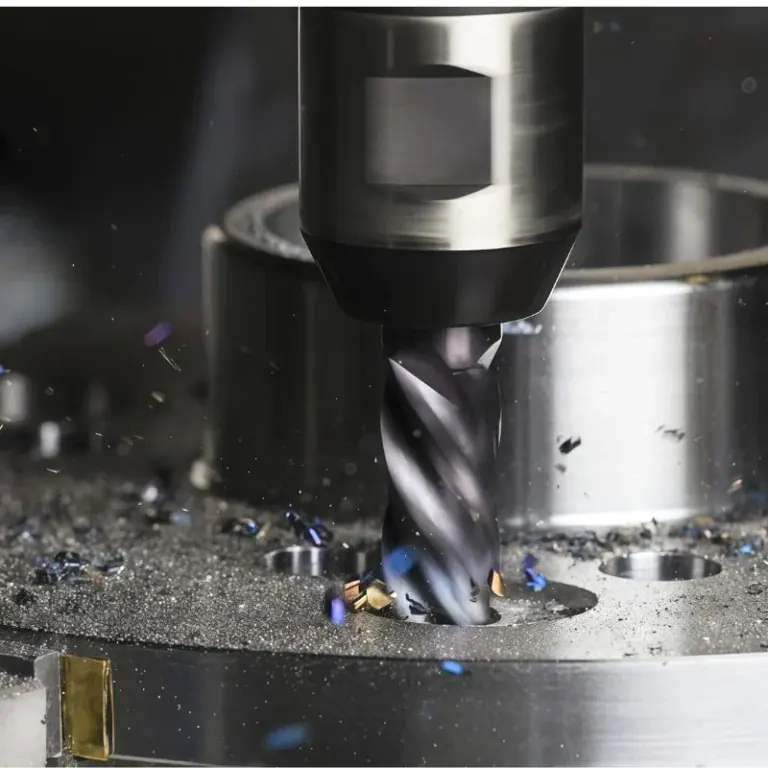
After heat treatment, high-hardness steel becomes significantly harder, creating greater impact and friction on cutting tools during machining. Especially during continuous cutting operations, the cutting edge experiences higher pressure, causing faster wear. If the wrong tool type or machining parameters are selected, problems such as short tool life and unstable processing can easily occur, ultimately affecting overall part quality.
- Cutting edges may experience wear or chipping.
- Increased cutting resistance affects machining stability.
- Tool wear can lead to dimensional deviations.
These challenges cannot be solved simply by reducing machining speed. The right approach is to select suitable tools according to material hardness and optimize machining parameters to extend tool life. In precision machining, effective tool condition management directly affects final part quality, production consistency, and manufacturing costs.
Machining Vibration Can Affect Accuracy
During high-hardness steel machining, cutting forces are usually high. If the part structure is thin, machining areas are deep, or the fixturing method is unstable, vibration can easily occur. Vibration not only affects surface finish but also reduces dimensional accuracy. This problem becomes especially noticeable when machining deep cavities, thin walls, and slender structures. Even minor vibration can create uneven surface patterns and affect later assembly performance.
- Deep cavity machining may cause tool deflection.
- Slender parts are more likely to deform.
- Vibration can leave visible machining marks.
To reduce vibration effects, manufacturers need to optimize tool length, fixturing methods, and machining paths. Stable machining conditions are the foundation for achieving good surface quality and high-precision manufacturing. Proper vibration control makes it easier to maintain dimensional accuracy and surface consistency.
Heat Control Influences Machining Results
High-hardness steel machining generates significant heat in the cutting zone. If temperature is not properly controlled, it can reduce tool life and cause localized thermal deformation, affecting final dimensions. During long continuous machining operations, heat accumulation becomes more serious, making temperature management a critical part of high-hardness material processing.
- High temperatures accelerate tool wear.
- Thermal changes may cause dimensional fluctuations.
- Surface quality can be affected.
Therefore, machining methods and cooling strategies must be carefully planned. For demanding components, controlling machining heat not only improves tool stability but also reduces deformation risks, making it an essential factor in precision machining. Effective heat management can significantly improve final accuracy and surface performance.
What Machining Methods Are Commonly Used for High-Hardness Steel?
Different types of high-hardness steels require different machining approaches. Many customers ask, “Which method is best for this material?” In reality, there is no single answer. The right method depends on material hardness, part complexity, and accuracy requirements. Simple parts may use conventional cutting methods, while complex surfaces, deep cavities, or high-precision components often require a combination of machining technologies to achieve both efficiency and quality.
CNC Milling for Complex Structural Parts
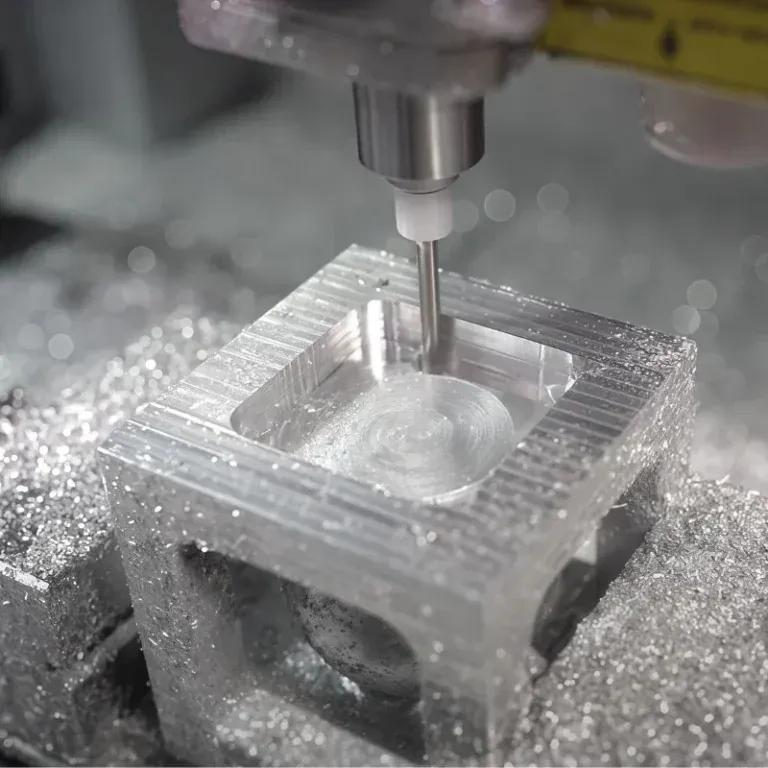
CNC milling is one of the most common methods for machining high-hardness steel, especially for mold components and complex structural parts. With programmed tool movement, CNC milling provides high flexibility and allows machining paths to be adjusted according to different part requirements. It is especially suitable for multi-side machining, curved surfaces, and precision finishing operations.
- Suitable for various complex shapes.
- Capable of producing curved surfaces and slots.
- Supports customized low-volume production.
In precision machining, CNC milling requires not only stable equipment but also experienced engineers who can optimize tool paths and cutting parameters according to material characteristics. Only by combining machine capability, tooling performance, and process experience can CNC milling achieve the best results on high-hardness materials.
Grinding Improves Final Dimensional Accuracy
For high-hardness steels that have undergone heat treatment, conventional cutting may not achieve the required final accuracy. In these cases, grinding provides significant advantages. Grinding removes small amounts of material with high precision and excellent surface quality, making it ideal for final finishing operations. It is especially important when strict requirements exist for dimensional tolerance, flatness, and surface roughness.
- Suitable for precision finishing of hardened materials.
- Provides better surface roughness.
- Improves control of critical dimensions.
Grinding is usually applied in the final stage to make small corrections and achieve tighter accuracy requirements. For parts requiring precise fitting, grinding not only improves appearance but also ensures better stability and reliability during actual use.
EDM Solves Difficult Structural Machining Problems
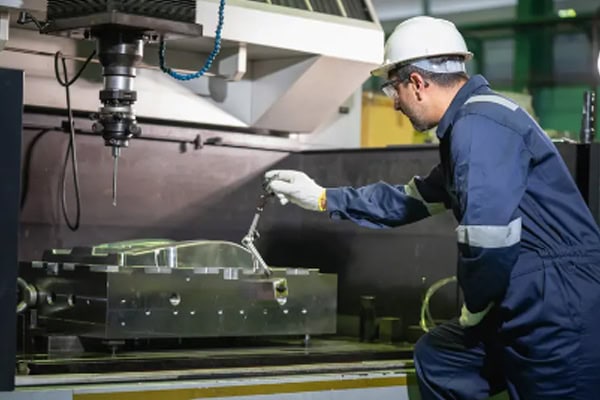
Some high-hardness steel parts contain deep grooves, narrow slots, or complex internal structures that traditional cutting tools cannot easily process. Electrical discharge machining (EDM) provides an effective solution for these challenges. Since EDM removes material through electrical discharge rather than direct cutting force, it is especially suitable for hardened materials, complex geometries, and small detailed features.
- Can process high-hardness conductive materials.
- Suitable for complex and small structures.
- Reduces direct cutting pressure on tools.
Combining EDM with CNC machining can solve many problems that traditional methods cannot handle. In actual production, CNC machining is often used for most material removal, while EDM is used for detailed areas, balancing efficiency, accuracy, and structural integrity.
How Can Precision Machining Control the Quality of High-Hardness Steel Parts?
The real challenge in high-hardness steel machining is not simply “making the part,” but producing it consistently. For customers, one qualified part does not fully represent machining capability. Long-term consistency during production is the true measure of manufacturing quality. Especially for batch orders and demanding projects, any instability in the process can lead to rework or delays. Precision machining is not only about equipment capability but also about process management and quality control.
Develop Machining Plans Based on Material Conditions
The same steel grade may have different machining challenges depending on its hardness condition. Before machining, manufacturers need to understand not only the material type but also heat treatment condition, internal stress, and part application. A clear understanding of material behavior helps determine the right tools, parameters, and machining sequence.
- Confirm material hardness and heat treatment condition.
- Analyze part structure characteristics.
- Develop a reasonable machining sequence.
Thorough process planning reduces trial-and-error during production and improves machining stability. For high-hardness steel, the more detailed the preparation, the smoother the machining process and the more reliable the final parts will be.
Optimize Tool Paths to Reduce Machining Risks
High-hardness material machining requires more than simply planning tool movement. Cutting force distribution must also be considered. A proper tool path can reduce machining stress and improve part quality, especially in complex surfaces, deep cavities, and thin-wall areas.
- Avoid sudden increases in cutting load.
- Reduce the impact of repeated cutting.
- Improve stability in complex machining areas.
- Reduce vibration risks.
An optimized tool path allows equipment to perform more efficiently while reducing tool wear. In many cases, improving tool path design can provide greater benefits than simply replacing tools because it reduces machining risks at the source.
Control Dimensional Changes After Machining
After high-precision machining is completed, dimensional stability must still be considered. Some parts may experience slight changes due to internal stress release, especially when processing heat-treated high-hardness materials. Ignoring these changes may cause problems during assembly or actual use.
- Properly arrange rough machining and finishing operations.
- Leave appropriate machining allowance.
- Focus on controlling critical dimensions.
A scientific machining process reduces the influence of material changes and helps maintain stable accuracy. For high-hardness steel, dimensional control is not only a final inspection issue but a goal that runs throughout the entire manufacturing process.
Why Does High-Hardness Steel Machining Require Professional Precision Machining Capability?
As industrial products continue to advance, customers require higher performance and accuracy from components. Although high-hardness steel is difficult to machine, professional processes and advanced manufacturing capabilities can achieve high-quality results. For complex and demanding projects, choosing an experienced machining partner is important because it is not only about whether a part can be produced, but whether it can be produced consistently, efficiently, and according to specifications.
Meet Manufacturing Requirements for High-Performance Industries
High-hardness steels are widely used in industries with strict performance requirements, especially molds, automotive, and aerospace applications. These parts often need high strength, wear resistance, and dimensional accuracy at the same time.
- Support machining for molds, automotive, and aerospace parts.
- Meet high-load operating requirements.
- Provide complex structure manufacturing capabilities.
This capability is not only reflected in equipment but also in understanding industry requirements. Only by knowing how parts are used and what performance they require can manufacturers produce high-hardness steel components that are durable and reliable.
Improve Machining Efficiency and Stability
Professional machining solutions reduce uncertainty and make the entire manufacturing process more controllable. For high-hardness materials, efficiency is not simply about machining faster. It means reducing tool wear, rework, and downtime while maintaining quality.
- Reduce abnormal tool wear.
- Minimize rework.
- Improve batch production consistency.
When the machining process is stable, manufacturers can improve delivery efficiency and better control quality fluctuations. For customers, this means shorter lead times, lower risks, and more reliable production results.
Achieve Higher Precision Part Manufacturing
With advanced equipment and mature processes, high-hardness materials can achieve greater manufacturing value. High-precision manufacturing is not only about smaller dimensional errors but also about maintaining stable performance under demanding conditions.
- Improve dimensional control capability.
- Enhance surface machining quality.
- Meet strict tolerance requirements.
High-hardness steel machining is not just a simple cutting process. It requires a combination of material knowledge, process experience, and equipment capability. A proper precision machining solution helps companies overcome manufacturing challenges, improve part reliability, and maximize the performance advantages of high-hardness materials.
Although high-hardness steel is challenging to machine, proper planning in tool selection, cutting parameters, cooling methods, and machining strategies can achieve stable and high-precision manufacturing results. For components that must withstand long-term wear and impact, the key is not only producing the part, but controlling accuracy, surface quality, and consistency throughout the process. Tirapid specializes in precision machining services, providing high-precision CNC machining solutions for high-hardness steel components to help customers achieve reliable, high-quality custom manufacturing while meeting demanding requirements for accuracy, delivery, and stability.